A spare bedroom is needed
Put stored belongings away before asking for furniture and floor attention.
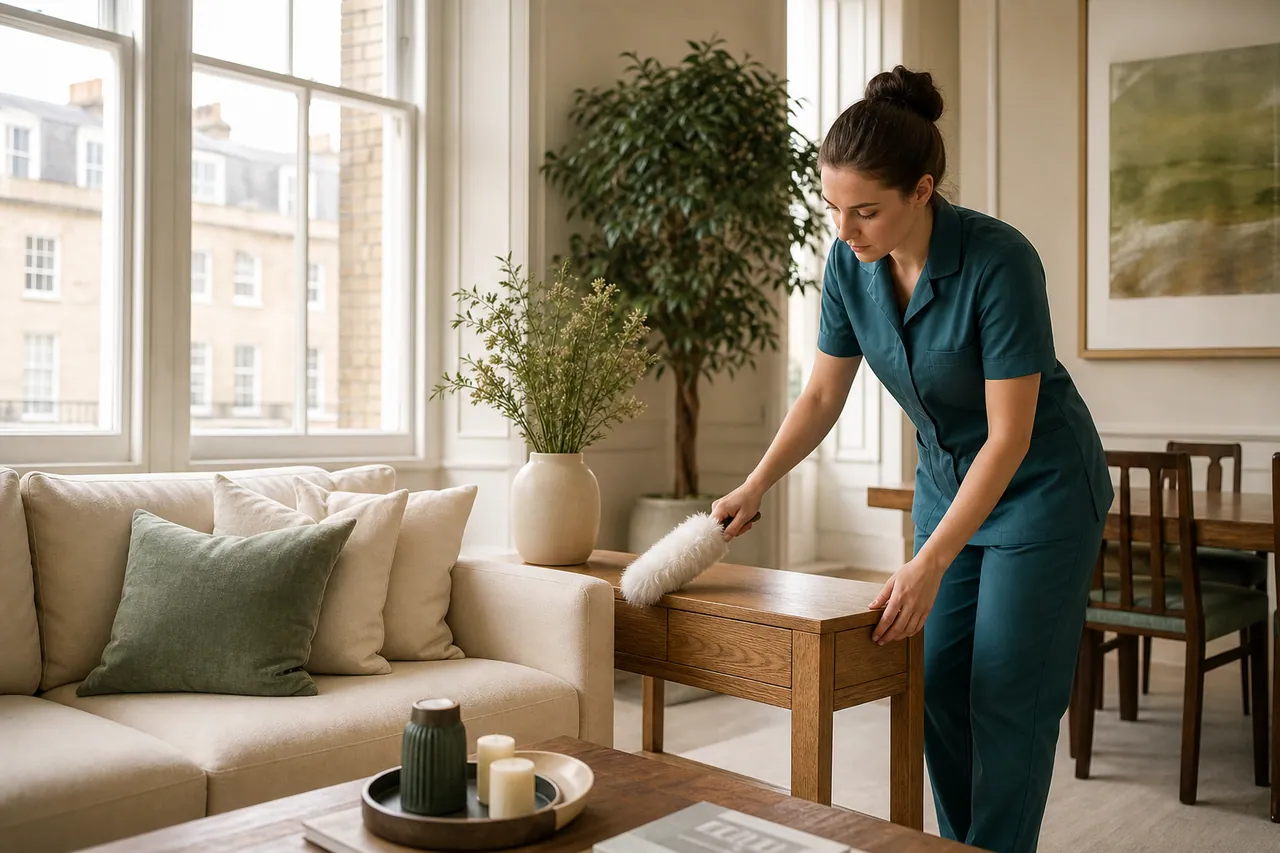
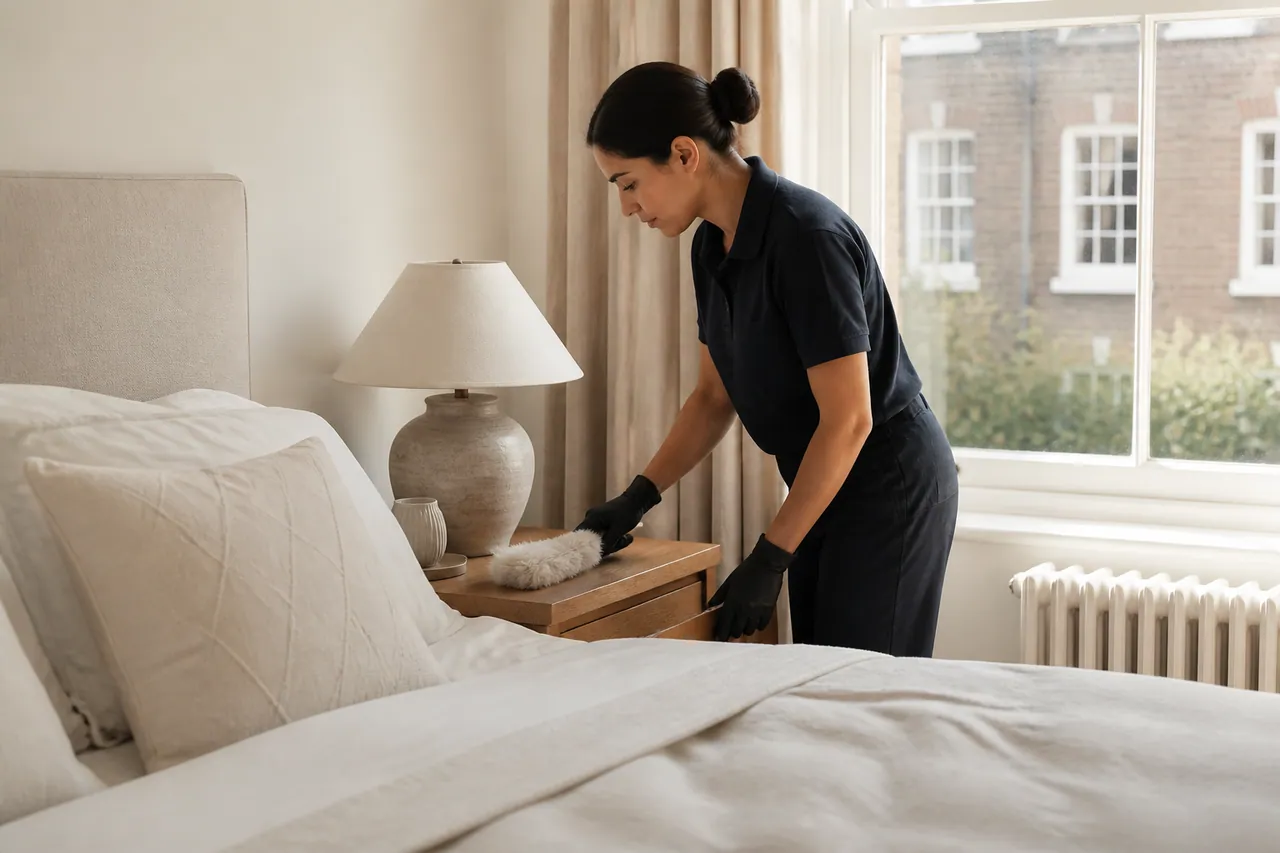
The interiors illustrate domestic settings, not a claimed restoration or customer transformation.
WHEN A ROOM’S ROLE CHANGES
Put stored belongings away before asking for furniture and floor attention.
Identify reachable ledges and tables that have gathered dust.
Show the fixtures and condition before assuming a quick refresh will cover them.
Separate sorting and removal from the domestic surfaces left behind.
Point out wear so cleaning is not confused with restoring the finish.
Choose a practical order based on readiness and intended use.
HAMPSTEAD / ROOMS TO REVISIT
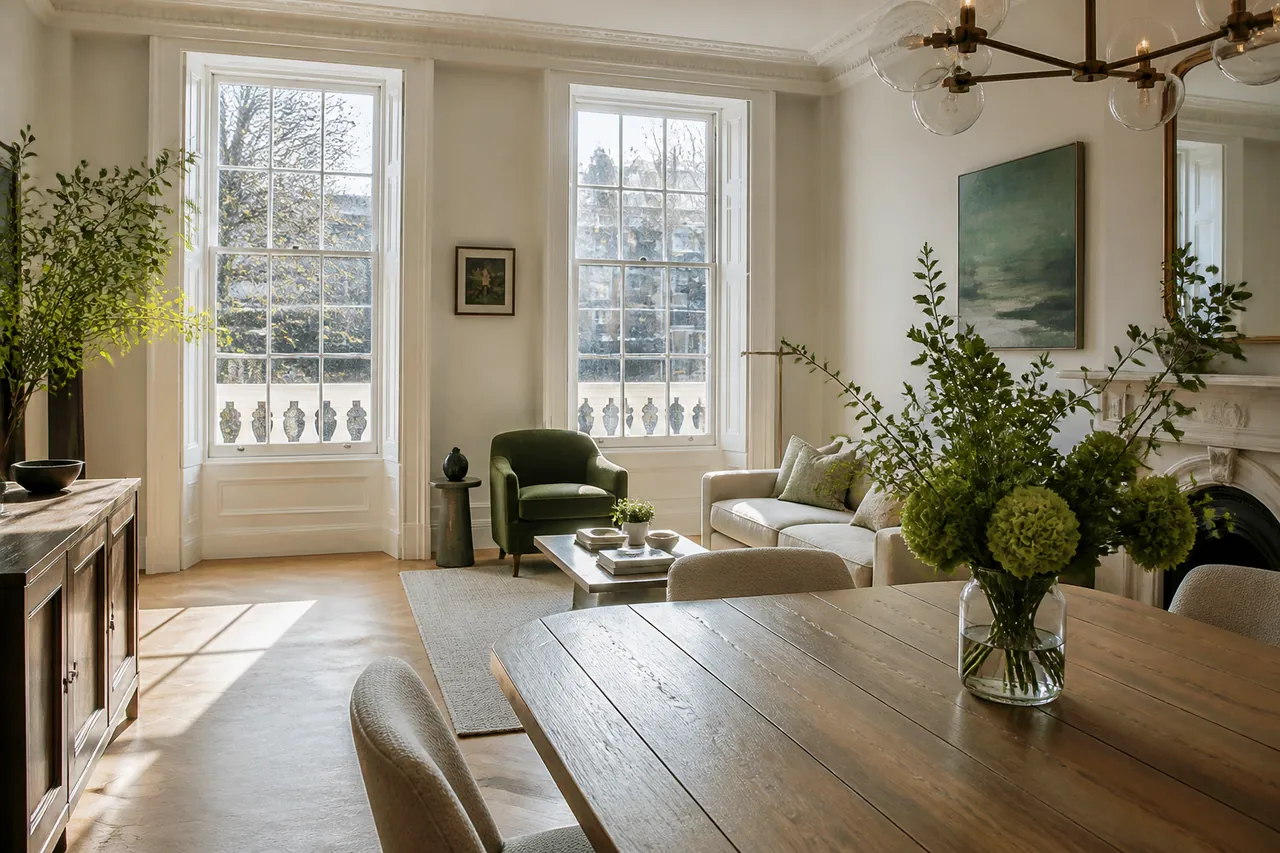
For a Hampstead enquiry, identify the room being brought back into use and what has occupied it meanwhile. Stored boxes, close-set furnishings and narrow passages can affect reach. Explain what will remain after you prepare the space.
Point out sensitive detailsShare known restrictions for older or delicate finishes. Do not assume a material should receive the same treatment as a modern worktop.
Choose the next useful spaceA room needed soon can take precedence over an occasional room with no immediate purpose. State that preference when describing the requested work.
QUIET SPACES IN DIFFERENT HOMES
Use the example matching your situation; these are not claims about a standard Hampstead home.
Clear stored items before identifying the surfaces and floor remaining available.
Name the room being reopened and any bathroom needing attention alongside it.
Describe the route to quieter upper rooms and any access restriction.
Choose which room needs preparation first instead of treating all spaces equally.
Flag loose, worn or sensitive finishes before asking what attention is appropriate.
List their current condition individually; some may need little work while another needs more assessment.
CHOOSE THE NEXT ROOM
Use these prompts to distinguish room preparation from the cleaning itself.
Clear stored belongings and identify bedside surfaces, furniture exteriors and flooring before the room is used again.
Photograph the room after preparation where possible, including any finish that needs particular care.
Discuss the room refreshLOOK BEFORE REOPENING
Describe the existing condition and available surfaces; these examples do not promise restoration.
COOKING AGAIN
Food clearing and appliance interiors need a specific request rather than being assumed from renewed use.
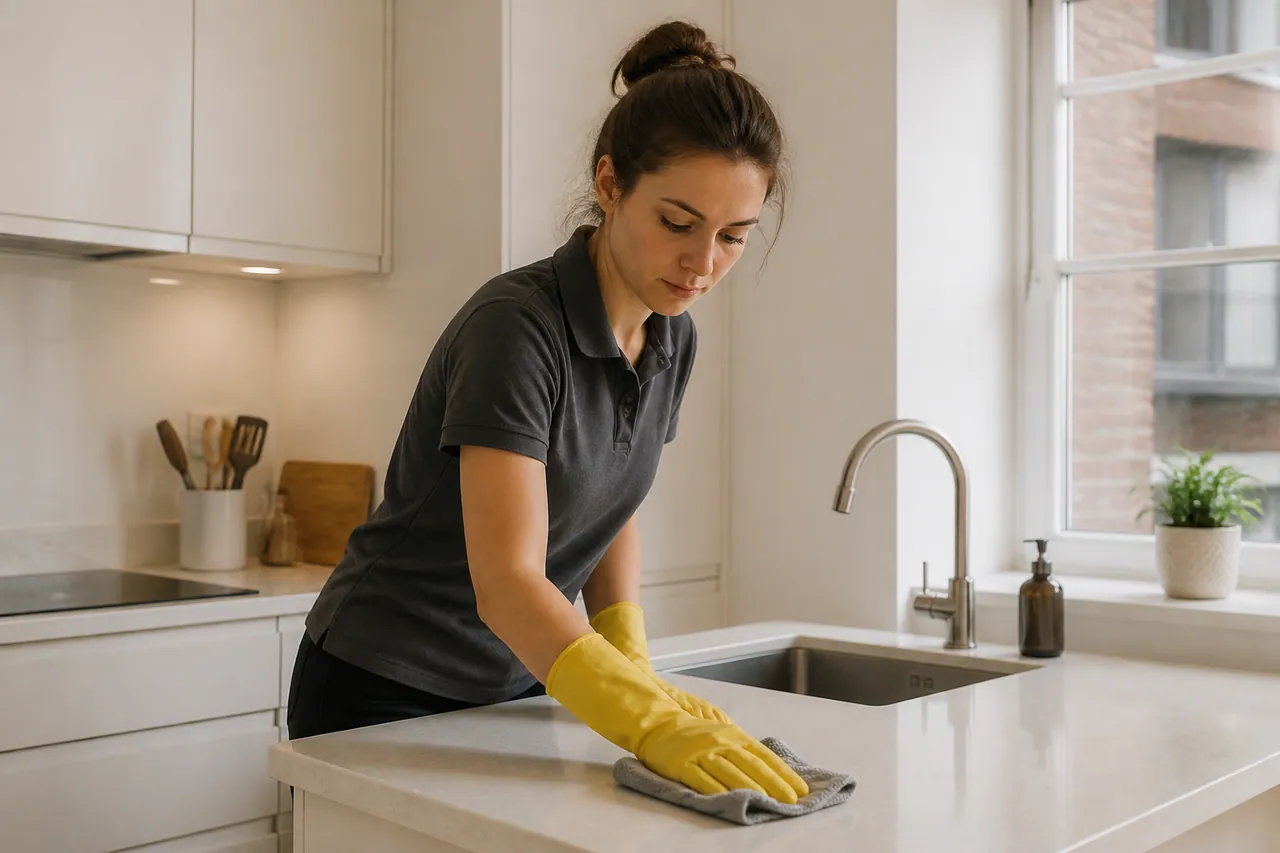
FIXTURES AFTER QUIETER USE
Persistent staining, damaged seals and worn coatings are not necessarily removable dirt.
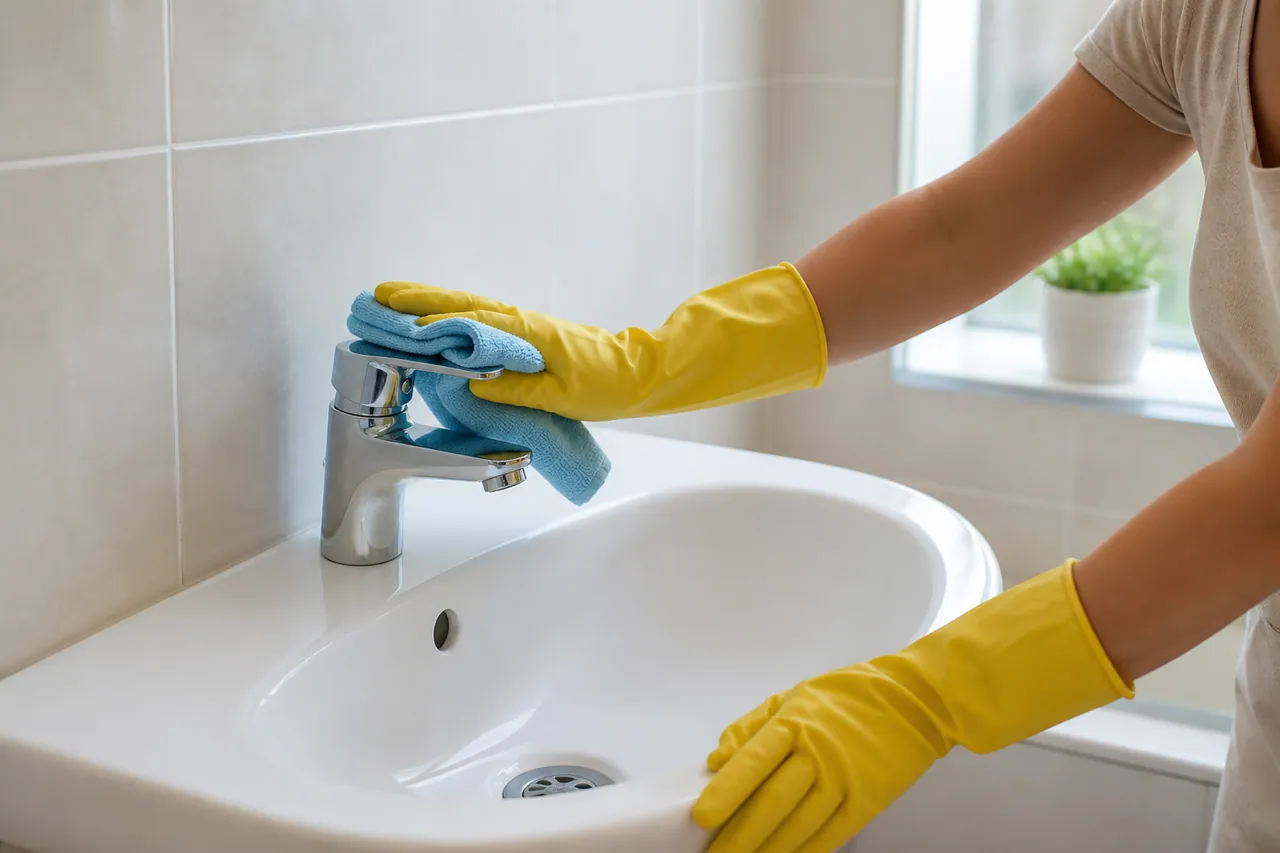
AN OCCASIONAL SITTING ROOM
Dusting furniture does not treat upholstery or restore timber finishes.
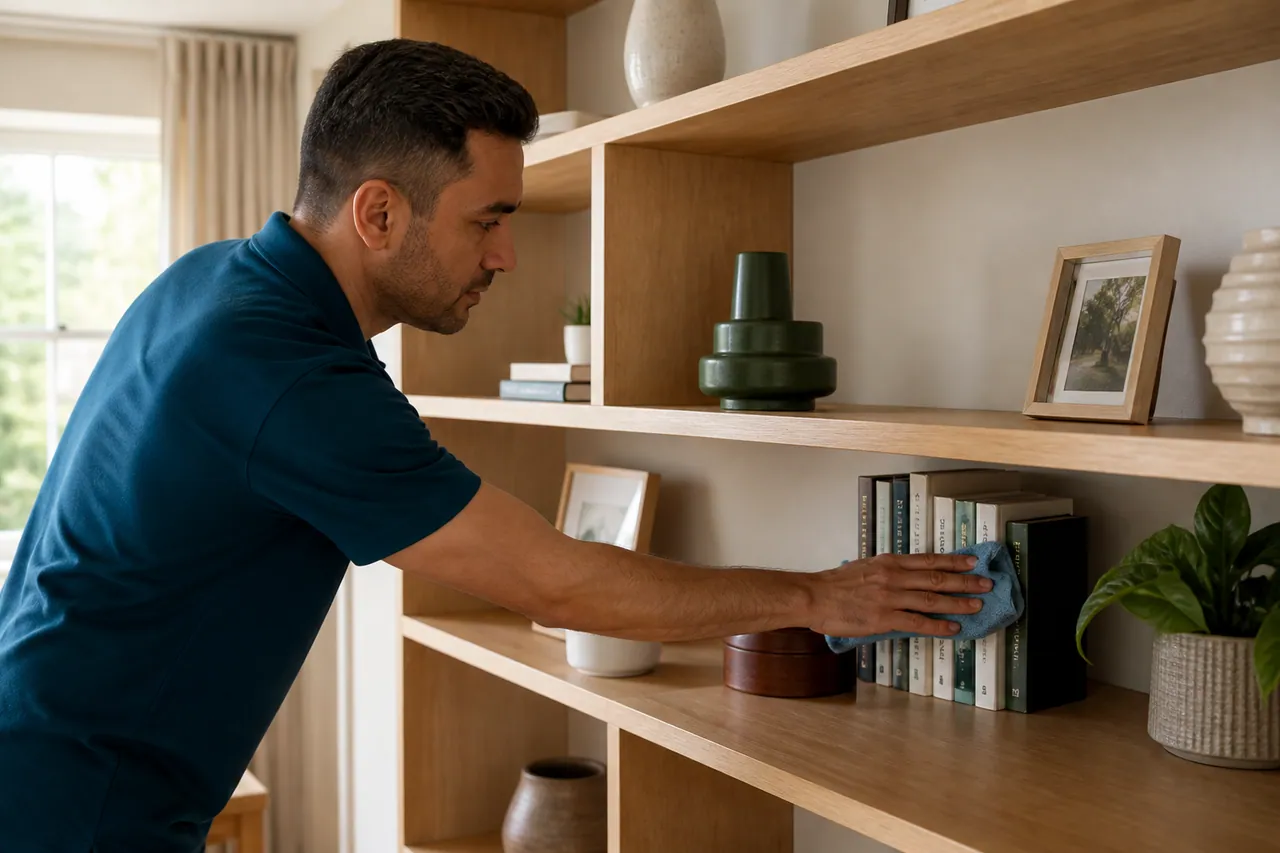
A BEDROOM RETURNING TO USE
Stored belongings, laundry and bed preparation are separate from these exterior-surface tasks.
ASSESS THE ROOM’S PRESENT STATE
Time out of use does not tell us how much cleaning is needed; photographs and finish information do.
| Selection | What matters | Price approach |
|---|---|---|
| An occasional room | Dust, furnishings and reachable surfaces | Reviewed individually |
| Several prepared spaces | Condition differences and room order | Assessment-led quote |
| A different treatment | Textile, appliance or damaged finish | Separate consideration |
Dust may be removable while an old stain or deteriorated coating remains. The proposal needs to distinguish these rather than promise renewal from a photograph alone.
LOOK INSIDE THE QUIETER ROOM
PREPARATION BEFORE RENEWED USE
SUITABLE SURFACE WORK
Show the surfaces left available after storage and personal possessions are put away.
OTHER REQUIREMENTS
A room returning to use does not turn every preparation task into ordinary cleaning.
REVISIT / PREPARE / RETURN
The useful aim is considered domestic attention, without pretending that age and wear disappear.
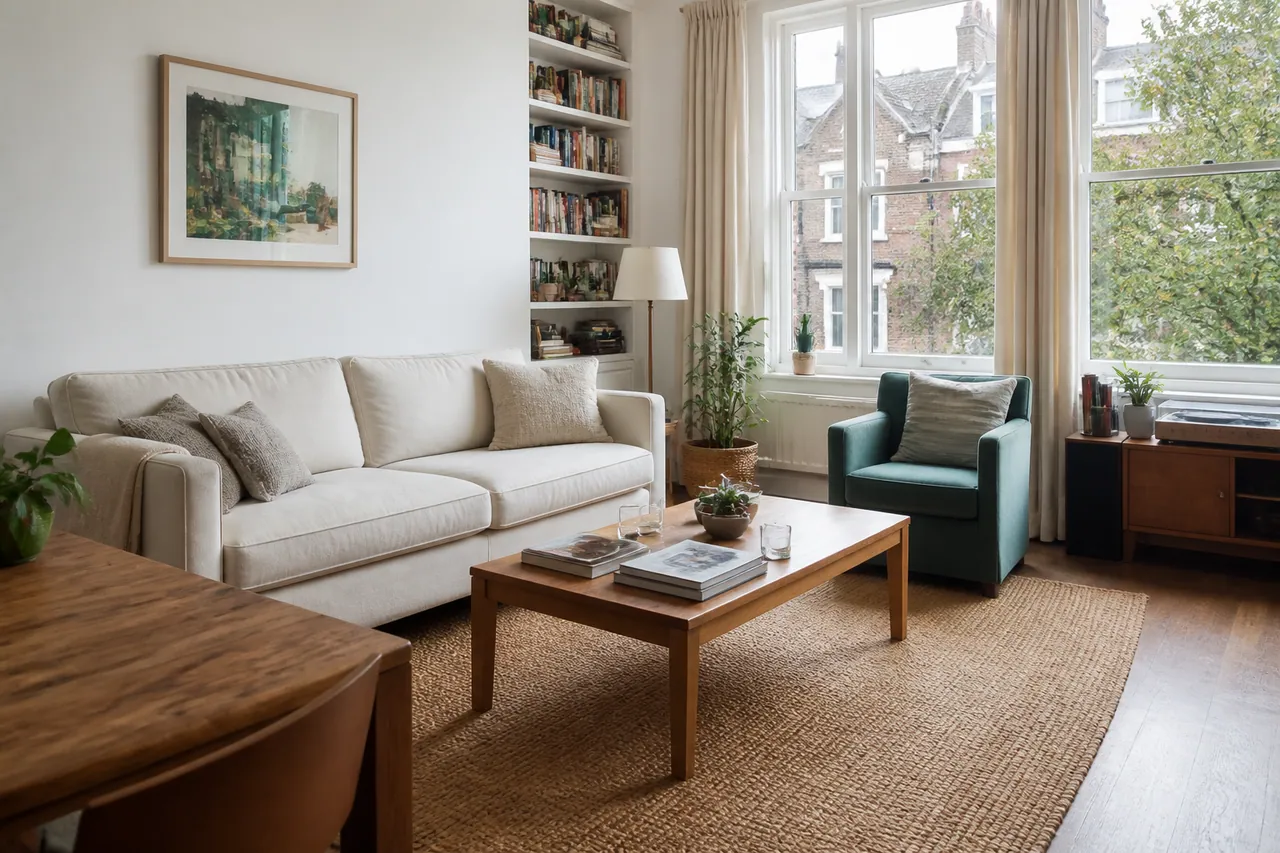
Notice dust, deposits and existing deterioration as different conditions.
Secure possessions and explain any furnishing that must stay in place.
Check the accessible tasks and discuss remaining limitations before putting the room back into regular use.
HAMPSTEAD HOME DETAILS
Provide the full address and explain levels or passages affecting access to the selected space.
Use this overview with your full property instructions.
The Google map is loaded only after selection.BRINGING A ROOM BACK
Explain its intended use and present condition.
Photograph surfaces and any sensitive existing finish.
Check suitable tasks, exclusions and the quotation.
Leave the selected areas accessible as discussed.
Distinguish completed domestic attention from any repair or specialist need.
BEFORE REOPENING A ROOM
Yes, name it and describe the tasks for assessment. Other rooms need not be assumed included.
Prepare the requested surfaces and flooring yourself where possible. Storage sorting and removal are not implied.
No. Some marks are permanent or reflect material deterioration, so removal must not be promised.
Explain its location and care restrictions. The available exterior surfaces can then be considered without assuming movement.
No such treatment should be inferred. Identify a specific material concern for separate discussion.
Describe which spaces will be ready for the proposed visit. Further stages would need their own arrangements.
Bedding and bed-making are not automatically included in exterior-surface and floor tasks.
Show or describe the route before attendance so practical reach can be assessed.
You may enquire separately about further visits. The one-off refresh itself creates no repeating commitment.
HAMPSTEAD / THE ROOM’S NEXT CHAPTER
Send its condition, the belongings you will clear and any finish restrictions for a considered domestic-cleaning proposal.
Call about a room refreshSend the room’s current condition ↗