
Marks uncovered during work
State which panel or object had concealed the marks. Discovery during work does not establish when they appeared.
PEST CONTROL / EAST SHEEN
Interior evidence and garden maintenance.
Coordinate the work without assuming the cause.
Garden maintenance and pest control can overlap in timing without being the same service. Describe household signs and any planned outside work so relevant actions can be coordinated rather than assumed to be included.
03 / OBSERVATION CHECKLIST
Keep the evidence history usable even when the room or outside space is being altered.
Do not disturb suspect contamination or open building fabric to pursue a pest theory.
State which panel or object had concealed the marks. Discovery during work does not establish when they appeared.
Date later findings independently. A similar-looking mark may be new or may have remained visible from before the work.
Record the room and timing without assuming a species or blaming the recent alteration.
Describe what was damaged and its original position, particularly if materials have been moved between spaces.
Note the fitting, recurrence and any known moisture. Include sprays or other products used before the maintenance visit.
Physical spotting around sleeping furniture should be described separately from exterior or utility observations.
EAST SHEEN / PROPERTY CONTEXT
An enquiry made during maintenance should distinguish the existing evidence from alterations that have not happened yet. A simple sequence helps both conversations.
Record findings before attributing them to a repair defect. If work exposes marks previously concealed by fittings or storage, explain that they were newly visible rather than necessarily fresh.
Where gardening or exterior maintenance is planned, identify the area and timing. Do not assume that it is either part of the pest service or a reason to close every suspected opening immediately.
Confirm address coverage and explain any other contractor’s planned attendance. The pest proposal should clarify relevant coordination without taking responsibility for an unrelated trade by implication.
04 / AT A GLANCE
08 / THE CONTROL PLAN
A control programme and a maintenance schedule can be related without being the same contract.
Accessible signs and the work history help explain the concern. Where the source remains uncertain, that uncertainty should not disappear from the proposal.
The chosen pest method must fit the findings and household. Any necessary coordination with repairs should be discussed rather than inferred.
Monitoring addresses activity; maintenance addresses relevant defects or conditions. Further work may be recommended, but a repair alone does not prove control.
10 / PROBLEM → TREATMENT → CONTROL
An opening can be repaired while other questions remain. Review should consider the relevant findings, not simply the appearance of the finished work.
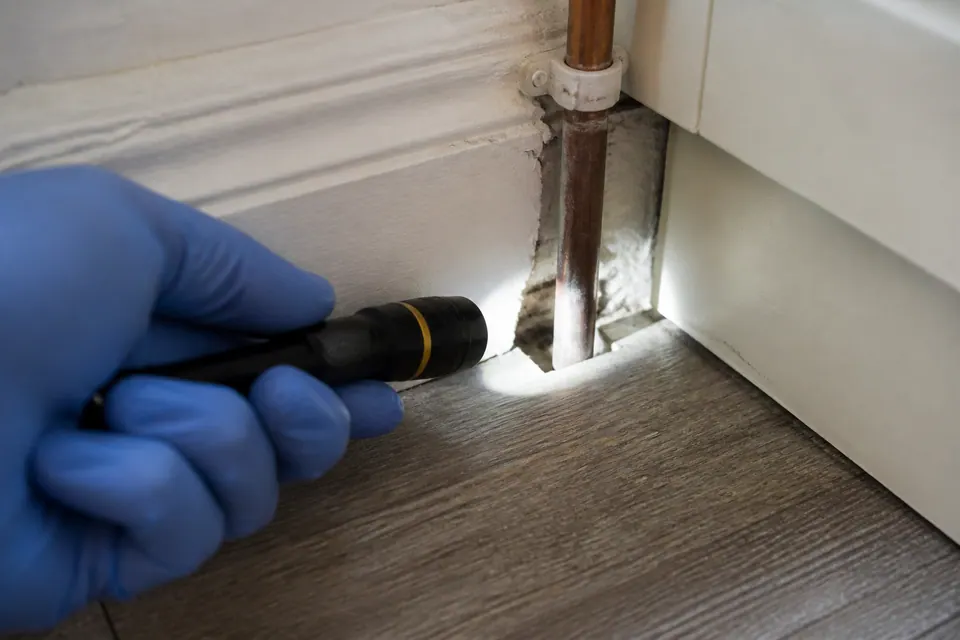

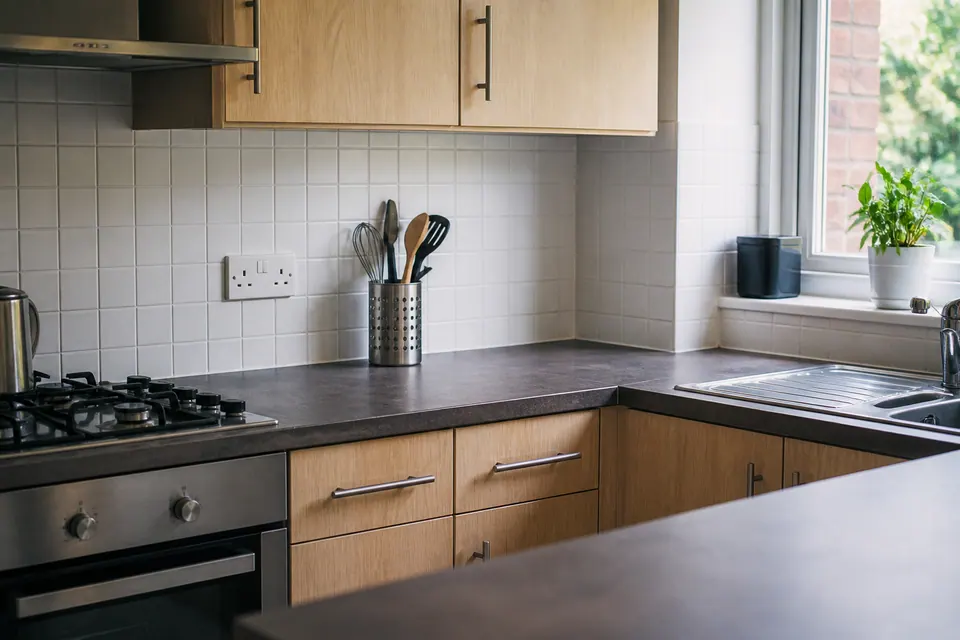
The images illustrate assessment and control stages, not a repair project or customer outcome in East Sheen.
07 / SCOPE BEFORE A QUOTE
A proposed treatment amount should identify pest work rather than an undefined promise to fix the property. Compare the relevant scope alongside the starting guides.
from £120
See published service pricingfrom £150
See published service pricing| Service | Pricing basis | Price |
|---|---|---|
| Mice control | Activity, access and programme | Quote after assessment |
| Rat control | Internal / external routes and visits | Quote after assessment |
| Proofing / repairs | Surveyed openings and separate work | Quoted separately |
Published guides checked 27 August 2026. Confirm current prices, coverage and any follow-up inclusions. Gardening, drainage, joinery, electrical work and other repairs are not assumed to be included.
01 / START WITH THE EVIDENCE
Scheduled repairs are useful background. They do not, by themselves, establish which pest is present or which method is needed.
Possible traces near a cupboard or accessible pipe opening.
Mice controlAn animal sighting or larger external traces.
Rats controlPhysical signs around a bed or recently moved furniture.
Bed bug treatmentInsects returning beside kitchen fittings.
Cockroaches controlDescribe actual findings near the suspected opening. A defect being scheduled for repair does not prove that it has been used as an entry route.
Keep external observations separate from drainage or boundary defects. Any specialist investigation or repair needs its own scope.
Record where the furniture stood before and after work. Moving it can reveal old signs without proving a new problem began.
Mention planned plumbing or appliance work alongside sightings and earlier products. A leak is a condition to discuss, not an identification.
05 / PROPERTY BRIEF
Identify the fittings involved and whether they currently restrict assessment of the reported signs.
Explain the accessible building edge and any proposed changes without naming an unconfirmed pest route.
Retain the original room positions and report physical findings before redistributing belongings further.
Clarify who approves the pest scope and who controls the separate repair appointment.
Describe occupants and any practical restrictions caused by ongoing work so instructions can be realistic.
Discuss your homeCheck commercial suitability and requirements directly. A residential pest guide is not a refurbishment or business-treatment contract.
Check the premises requirements06 / SIGNS → LOCATION → NEXT STEP
| Pest problem | Signs to describe | Areas to mention | Next step |
|---|---|---|---|
| Mice | Possible traces beside a visible opening | Original cupboard or room position | Assess the evidence before specifying closure |
| Rats | Animal observation near an exterior defect | Observed location, separate from repair assumptions | Clarify whether specialist work is another scope |
| Bed bugs | Spotting exposed when furniture moved | The bed or item and its previous position | Distinguish newly visible signs from a new occurrence |
| Cockroaches | Recurring insects beside repaired fittings | The actual unit and dates before or after work | Disclose the maintenance and earlier products |
MAKE THE ENQUIRY SPECIFIC
Explain what was uncovered and when. Newly visible marks should not automatically be described as fresh pest activity.
Describe the proposal and ask how it should be coordinated. A suspected route is not proof that immediate closure is appropriate.
Share the finding accurately, while keeping it separate from pest identification or a claim that it explains every sign.
Give the original and current positions of relevant furniture or stored items so later observations can be interpreted.
09 / FROM FIRST CONTACT
These stages help organise an enquiry; they do not prescribe an unassessed repair or treatment timetable.

Give the date and position of each finding before linking it to a defect.
Explain what another contractor expects to open, move or repair.
Ask which work belongs to the pest proposal and which requires another agreement.
Preparation and occupant restrictions should come from the selected pest service, not assumptions about the other work.
State what changed in the property alongside any later observations.
Clarify the basis for further attendance, proofing or maintenance rather than treating all recommendations as included tasks.
13 / CLEAR EXPECTATIONS
A maintenance defect should not be presented as the pest source without supporting assessment.
Treatment and another trade’s work should have understandable boundaries.
Ask what each recommendation is intended to address and who is expected to arrange it.
ADDRESS AND AVAILABILITY
Confirm coverage using the full postcode and explain any access restrictions created by ongoing work.
If contractors use another entrance or temporarily block an area, mention that before attendance is agreed. The map is not a local-office marker.
Open East Sheen in Google Maps ↗EAST SHEEN / QUESTIONS
Describe the opening and evidence first. Ask how any closure should be coordinated rather than assuming every suspected route should be sealed immediately.
No. A defect assessment and pest identification answer different questions, even when they may be relevant to each other.
Record when the marks became visible and what had concealed them. Their discovery date is not necessarily their age.
No such inclusion should be assumed. Explain the planned maintenance and confirm the separate scopes.
You can enquire earlier with the current evidence and schedule. Availability and the appropriate sequence still need agreement.
The area, proposed alteration, timing and any effect on access are useful. Avoid presenting an unconfirmed pest explanation as part of the repair fact.
Only where expressly included. Ask which proofing recommendations are separate from the proposed treatment and review arrangements.
Yes, it can expose a previously hidden area. Explain the move without assuming that it caused a new infestation.
Clarify the responsible owner, manager or commissioning contact. Do not presume that the pest appointment authorises unrelated building alterations.
Give any new sightings or signs with dates and locations, and describe the changes made since the earlier assessment. Follow the review instructions supplied for the programme.
15 / TAKE THE NEXT STEP
Call with the observed signs and planned property changes. Confirm coverage, then separate the proposed control work from repairs that need another arrangement.
