
Mice
Damage to stored contents or other rodent-like signs.
Mice controlPEST CONTROL / PADDINGTON
Luggage movements and bedroom signs.
A journey is context, not a diagnosis.
Finding a mark near a bed after returning home can make the suitcase seem like the obvious explanation. Keep the travel history, but describe the physical finding first. For a Paddington enquiry, the room, resting position and movement of belongings help an assessment without proving where a pest originated.
01 / START WITH THE EVIDENCE
A recent journey does not automatically make the enquiry about bed bugs.
Damage to stored contents or other rodent-like signs.
Mice controlAn actual larger-rodent observation.
Rats controlVisible signs around a bed or resting furniture.
Bed bug treatmentRecurring kitchen insects with a defined position.
Cockroaches controlIf unpacking reveals chewed food or material, describe its storage and movement history. Do not assign it to a bedroom insect concern without assessment.
State where it was seen and whether the observation was indoors. Travel timing does not explain the species or route.
Describe spotting, shed material or an insect seen around the frame or mattress. Irritation alone cannot confirm bed bugs or their origin.
Report the fitting and recurrence separately from luggage history. A kitchen location and an absence from home are not a diagnosis.
09 / FROM FIRST CONTACT
Expand each stage before changing the bedroom layout.
Describe the bed area before giving the travel account.
List return, unpacking and furniture dates where known; mark uncertainty honestly.
Ask whether separate resting positions or other rooms are included.
Do not transfer bedding or luggage merely because a general checklist suggests it.
Keep symptoms separate from physical findings and identify the resting position involved.
Review may require further assessment or attendance depending on the actual evidence, not a promise of one-visit clearance.
08 / THE CONTROL PLAN
The origin may remain uncertain even when a pest is identified.
Accessible evidence and relevant movement history inform assessment. Symptoms and a recent journey alone do not establish the species.
Discuss the areas, occupants and working restrictions so the household knows what to do with belongings under the proposed plan.
Later reports should state the exact bed or room and date, without replacing the original discovery history with an assumed source.
05 / PROPERTY BRIEF
Give the bed position and the physical signs found there.
Identify each bed or sleeping sofa separately rather than claiming a whole-home pattern from one report.
Mention introduced furniture and its timing as context, not proof of origin.
Attribute observations to the person who made them and identify who can arrange room access.
Explain intended occupancy so preparation and method restrictions can be discussed.
Discuss your homeCheck suitability and requirements separately; residential guidance does not confirm a commercial accommodation programme.
Check the premises requirementsPADDINGTON / PROPERTY CONTEXT
The useful chronology includes return, unpacking and discovery, where known. A later discovery should not be assigned an earlier origin just to complete the story.
List the rooms where bags rested and any newly introduced furniture. Do not transfer belongings repeatedly to search for evidence or test a theory.
If more than one bed is involved, describe each resting position and its physical findings separately. A household member’s symptoms should not substitute for an inspection record.
Ask for preparation guidance before changing bedding or relocating furniture. The advice should reflect the suspected concern and proposed method, not a generic travel checklist.
07 / SCOPE BEFORE A QUOTE
Travel does not establish a fixed package or the number of rooms requiring work. Confirm the identified concern, included areas and method before accepting a total.
from £120
See published service pricingfrom £150
See published service pricing| Service | Pricing basis | Price |
|---|---|---|
| Mice control | Mouse-related findings | Quote after evidence assessment |
| Rat control | Rat concern and access | Assessed programme price |
| Proofing / repairs | Additional remedial work | Separate quotation |
The service guides checked on 27 August 2026 are starting prices. Confirm Paddington attendance availability and the complete scope rather than treating the bed bug figure as an automatic diagnosis.
06 / SIGNS → LOCATION → NEXT STEP
| Pest problem | Signs to describe | Areas to mention | Next step |
|---|---|---|---|
| Mice | Chewed stored material | Item and storage history | Request assessment of a rodent concern. |
| Rats | Larger animal seen | Actual observation point | Do not infer a route from the journey date. |
| Bed bugs | Physical bed-area marks | Resting position and nearby belongings | Seek identification before moving possessions. |
| Cockroaches | Recurring kitchen insects | Named appliance or fitting | Keep kitchen observations distinct from bedroom reports. |
04 / AT A GLANCE
03 / OBSERVATION CHECKLIST
Keep evidence and personal concern in separate parts of the account.
Avoid handling unknown insects or disturbing material to produce a close-up.
Name the joint or edge where the physical mark was noticed.
Explain what is visible without moving items through the home to investigate.
Record where bags rested, without claiming that position proves a source.
Give the arrival history if known and distinguish marks on the item from nearby fittings.
Mention it as a symptom, not a species identification or proof of an infestation.
Keep kitchen or storage concerns in a separate entry rather than connecting them solely by date.
10 / PROBLEM → TREATMENT → CONTROL
A tidier bedroom or the absence of an immediate sighting cannot establish the outcome. Use physical findings and the agreed review plan.
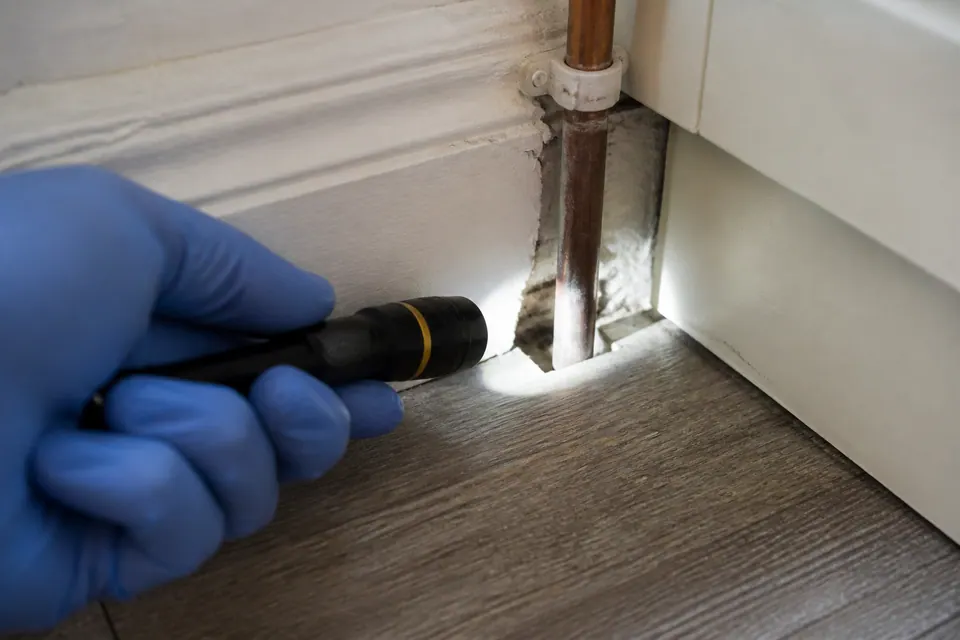
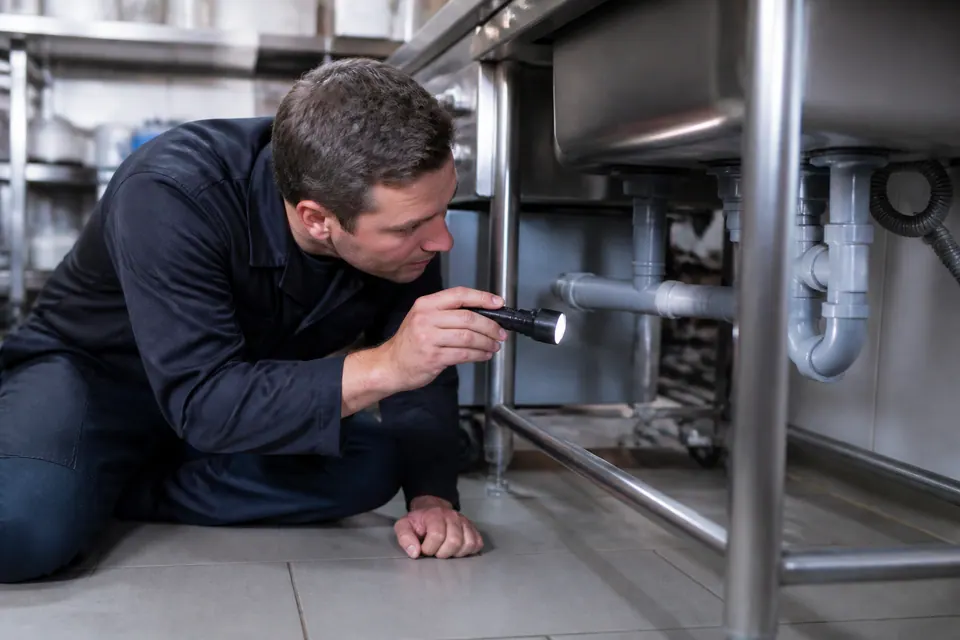
Generated bedroom and inspection scenes are not a Paddington travel-related case history.
MAKE THE ENQUIRY SPECIFIC
List both positions without declaring either room affected solely from that movement.
Give the timing but keep the origin unconfirmed unless evidence establishes it.
Mention the symptoms separately from any visible bed-area findings; do not diagnose a species from the pattern.
Describe that concern on its own terms rather than connecting it to the bedroom because travel was recent.
ADDRESS AND AVAILABILITY
Give the postcode and who can provide access to the reported sleeping areas.
Check appointment availability before reorganising household arrangements. The area map is not evidence of a local office or guaranteed service slot.
Open Paddington in Google Maps ↗13 / CLEAR EXPECTATIONS
Luggage and furniture dates can help without proving the origin.
Physical evidence remains important when assessing a suspected bed bug concern.
Get guidance for the proposed method before changing room contents.
PADDINGTON / QUESTIONS
No. Explain when the symptoms began but also provide any physical signs. Irritation alone does not confirm bed bugs.
List where it rested and was unpacked, with dates where known. Avoid moving it again solely to investigate a theory.
Report the position and appearance without claiming certainty about species or origin. A safe photograph may help if already available.
Describe the furniture arrival date and where the evidence sits. Timing is relevant but does not automatically establish responsibility or source.
Keep each resting place and finding separate so the assessment can consider them accurately.
Request preparation advice before moving bedding through other rooms. A suspected concern is not a reason to improvise a relocation plan.
Keep that report separate from bedroom observations and describe the kitchen fitting involved.
No. The guide concerns targeted treatment subject to scope; assessment and availability still need confirmation.
Follow the specific instructions for the chosen method, occupants and treatment area. Another person’s waiting time does not set yours.
Preserve the original history and add the later position and date. A new observation does not establish where the problem originally began.
15 / TAKE THE NEXT STEP
Call with physical evidence, known movement history and room access. Confirm the assessment and preparation advice before reorganising belongings.
