
Why Is My Oven Smoking After Cleaning? Common Causes and What to Do
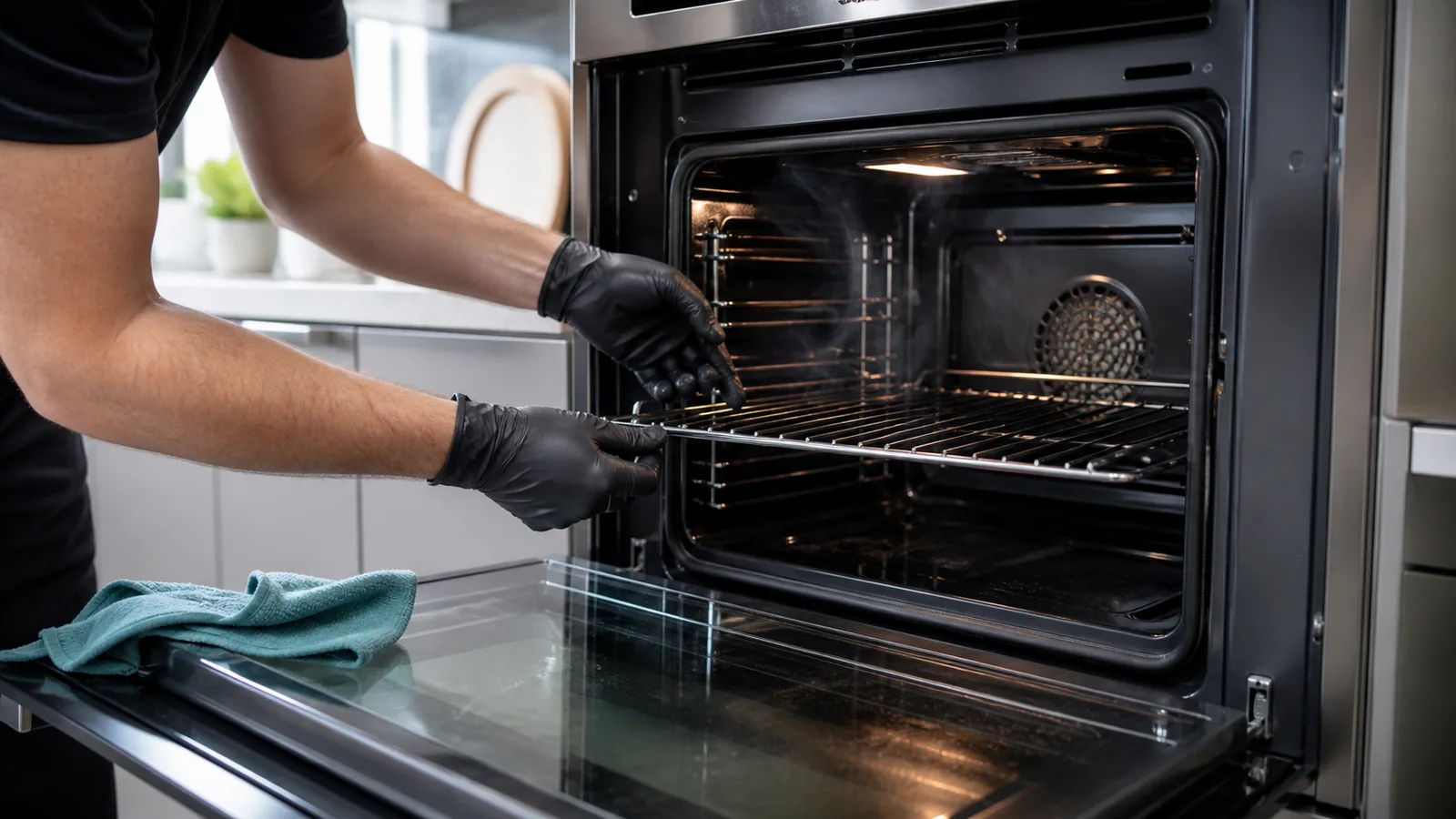
A small amount of smoke after cleaning is often caused by loosened grease, cleaner residue or food trapped near an element. Switch the oven off if smoke is heavy, acrid or accompanied by sparking, and never keep testing an appliance that appears unsafe. This guide explains the safest useful checks, the mistakes that can make the situation worse and the point at which a trained specialist should take over.
Why this problem happens
- cleaning product left on an interior surface
- grease loosened but not fully removed
- a tray, rack or liner carrying residue
- food debris close to a heating element
- an electrical or component fault unrelated to cleaning
Safe checks you can make now
- turn the appliance off and allow it to cool
- ventilate the kitchen without leaning over the hot oven
- wipe removable residue using the manufacturer-approved method
- check trays, racks and the oven floor separately
- review the appliance manual before running a burn-off cycle
- stop immediately if there is sparking, a strong electrical smell or dense smoke
Mistakes to avoid
- spraying product onto heating elements or fans
- mixing cleaning chemicals
- scraping coatings with metal tools
- continuing to heat the oven to make heavy smoke disappear
How to document the problem clearly
Take a wide photograph showing the room or appliance position and a closer image showing the affected detail. Record the date, recent weather or appliance use, any smell or sound, and whether the symptom changes after turn the appliance off and allow it to cool. If it is safe, repeat the observation at the same time on the following day. A short, accurate timeline is more useful than guessing at a diagnosis.
Preparing for a professional visit
When professional help is the better choice
Arrange an assessment when the source is uncertain, the issue returns, access requires dismantling or there is a safety concern. In particular, seek help when smoke continues after visible residue is removed; controls, elements or wiring appear damaged; the oven trips the electrical supply or produces an electrical smell.
For related help, view Alesta’s oven cleaning service, or call 020 3608 3976 to discuss access and availability.
Frequently asked questions
When should I stop and call a professional?
Professional help is sensible when smoke continues after visible residue is removed.
What is the most common cause?
The common causes include cleaning product left on an interior surface, grease loosened but not fully removed, a tray, rack or liner carrying residue. The pattern and timing usually provide the best clues.
Can I deal with a small problem myself?
How can I prevent it returning?
Prevention starts with check trays, racks and the oven floor separately, review the appliance manual before running a burn-off cycle, stop immediately if there is sparking, a strong electrical smell or dense smoke. Address the source rather than repeatedly hiding the symptom.
