
Boiler Pressure Keeps Dropping: What It Can Mean and When to Get Help
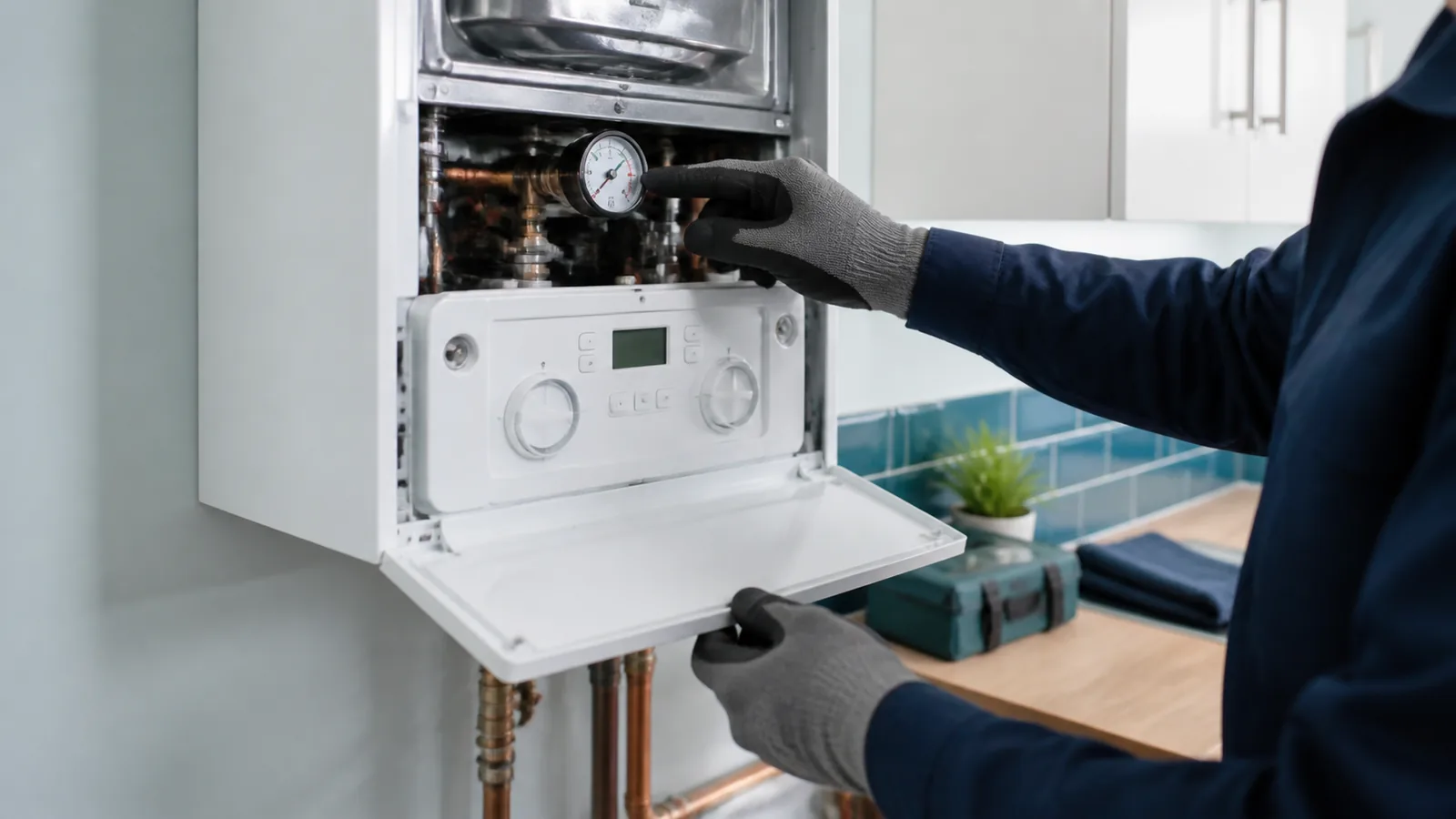
A repeated pressure drop can be linked to a leak, a radiator valve, recent bleeding, the expansion vessel or another boiler component. One careful repressurisation may be permitted by the manual, but repeated topping-up is not a repair. This guide explains the safest useful checks, the mistakes that can make the situation worse and the point at which a trained specialist should take over.
Why this problem happens
- a small leak at a radiator, valve or visible pipe joint
- air recently bled from radiators
- a pressure relief valve passing water
- an expansion vessel problem
- an internal boiler fault
Safe checks you can make now
- read the pressure only when the system is in the condition stated by the manual
- look for visible drips without removing the boiler case
- check radiator valves and accessible pipework
- note how quickly pressure falls and whether heating changes it
- follow only the manufacturer procedure for a single top-up
- use a qualified heating engineer for repeated loss
Mistakes to avoid
- removing the boiler cover
- continually adding water without investigation
- working on gas or sealed components
- ignoring water near electrical controls
How to document the problem clearly
Take a wide photograph showing the room or appliance position and a closer image showing the affected detail. Record the date, recent weather or appliance use, any smell or sound, and whether the symptom changes after read the pressure only when the system is in the condition stated by the manual. If it is safe, repeat the observation at the same time on the following day. A short, accurate timeline is more useful than guessing at a diagnosis.
Preparing for a professional visit
When professional help is the better choice
Arrange an assessment when the source is uncertain, the issue returns, access requires dismantling or there is a safety concern. In particular, seek help when pressure falls again soon after topping up; water is visible from the discharge pipe or boiler; the system locks out, leaks or behaves unpredictably.
For related help, view Alesta’s boiler repair service, or call 020 3608 3976 to discuss access and availability.
Frequently asked questions
When should I stop and call a professional?
Professional help is sensible when pressure falls again soon after topping up.
What is the most common cause?
The common causes include a small leak at a radiator, valve or visible pipe joint, air recently bled from radiators, a pressure relief valve passing water. The pattern and timing usually provide the best clues.
Can I deal with a small problem myself?
How can I prevent it returning?
Prevention starts with note how quickly pressure falls and whether heating changes it, follow only the manufacturer procedure for a single top-up, use a qualified heating engineer for repeated loss. Address the source rather than repeatedly hiding the symptom.
