
Mice
Small droppings or gnawed packets in cupboards.
Mice controlPEST CONTROL / WESTMINSTER
Understand the signs.
Plan the right response.
Scratching behind a wall, marks in a cupboard or insects returning to the kitchen? Start with the evidence. Alesta can assess the likely pest and agree a control plan around your Westminster home.
01 / START WITH THE EVIDENCE
Choose a likely problem to see what to report. This guide is not a diagnosis.
Small droppings or gnawed packets in cupboards.
Mice controlLarger droppings, runs or repeated scratching.
Rats controlSpotting or shed material around a bed frame.
Bed bug treatmentRepeated sightings around warm kitchen equipment.
Cockroaches controlA cupboard sighting may be only one part of the route. Include evidence from other rooms and tell us about shared risers.
An inspection considers both the building and its surroundings. Report drainage trouble or activity near the bin store without lifting covers yourself.
Skin irritation alone does not identify a pest. Share physical signs, the rooms involved and recent luggage or furniture movements.
Recurring sightings need more than a surface clean. Note leaks, warm equipment and which cupboards share the affected pipework.
02 / WESTMINSTER CONTEXT
A clear inspection boundary matters in a connected property.
In Westminster, a report from a kitchen, basement room or bedroom can involve more than the room where the sign appeared. In a mansion block, explain whether the affected cupboard backs onto a communal riser. In a period conversion, distinguish the rooms you occupy from shared stairs and locked service spaces.
Bring together the dates and locations of signs without assuming that a neighbouring flat is the source. Concierge entry, keys for relevant cupboards and an authorised building contact can make the agreed inspection easier to organise.
If your home sits above a shop or near a shared refuse store, mention the arrangement. It is useful context for assessment, not proof of the cause or permission to treat another premises.
For council-managed housing routes, consult Alesta’s service scope and Westminster housing information separately.
03 / OBSERVATION CHECKLIST
Keep the description factual: what, where and when.
Do not disturb unknown insects, nests or suspected contamination to obtain a photograph.
Photograph the location from a safe distance. Several signs together are more useful than a guess based on one mark.
Note when the sound happens and whether it comes from a ceiling, floor or wall. Noise alone cannot establish the species.
Record what was damaged and where it was stored. Keep people and pets away from suspected contamination.
Do not treat a skin reaction as proof of bed bugs. Inspection looks for physical evidence around resting areas.
Track the room, time and nearby water or heat source. Tell the technician if a spray or other treatment was already tried.
Describe the location without disturbing it. If the species is unclear, establish the appropriate service before booking.
04 / AT A GLANCE
05 / PROPERTY BRIEF
Mention the flat number, floor and communal entry. Evidence near pipework may need discussion with building management as well as work inside the flat.
Explain which basement, floor void or external edge is involved. An inspection does not automatically include opening the structure or undertaking repairs.
Identify the person arranging access and authorising the scope. Share the findings with the landlord or agent where action beyond the occupied rooms may be needed.
Separate reports by flat, room and date. Agree access to communal spaces rather than treating a private appointment as permission to inspect the whole building.
Discuss the occupied rooms, the evidence and everyone who may be affected by the visit.
Discuss your homeCheck suitability with Alesta first. Commercial treatment, food-premises requirements and documentation are not included by assumption in a residential booking.
Check the premises requirements06 / SIGNS → LOCATION → NEXT STEP
| Pest problem | Signs to describe | Areas to mention | Next step |
|---|---|---|---|
| Mice | Small droppings or gnawed packets in cupboards. | Kitchen units, pipe gaps and shared service routes. | Record the rooms and timing; request a mouse inspection. |
| Rats | Larger droppings, runs or repeated scratching. | Basements, external edges and accessible drainage routes. | Describe indoor and outdoor signs together. |
| Bed bugs | Spotting or shed material around a bed frame. | Mattress seams, headboards and nearby furniture. | Arrange assessment before moving bedding between rooms. |
| Cockroaches | Repeated sightings around warm kitchen equipment. | Sink units, appliance gaps and service voids. | Describe sightings and any products already used. |
07 / SCOPE BEFORE A QUOTE
Starting figures are guides, not fixed Westminster quotes. The evidence and agreed work determine the price.
from £120
See published service pricingfrom £150
See published service pricing| Service | Pricing basis | Price |
|---|---|---|
| Mice control | Activity, access and programme | Quote after assessment |
| Rat control | Internal / external routes and visits | Quote after assessment |
| Proofing / repairs | Surveyed openings and separate work | Quoted separately |
08 / THE CONTROL PLAN
Three stages, linked by the evidence.
The first visit examines accessible signs and relevant conditions. Species, affected zones and limitations are recorded before a suitable control plan is selected.
Control is chosen for the pest, evidence and occupants. The scope distinguishes treatment from proofing, cleaning and repairs, with preparation instructions for the selected method.
Monitoring informs the next step. Storage, moisture and access-point recommendations are coordinated with treatment; work involving neighbouring premises or building fabric needs separate agreement.
09 / FROM FIRST CONTACT
Open each step for the detail. The programme is confirmed for your property, not assigned from a generic timetable.

Share the postcode, affected rooms, dates and photographs. Include treatments already attempted and who can arrange access.
Accessible activity zones and likely routes are inspected. An uncertain identification is not a reason to apply a generic treatment.
Discuss the pest, method, rooms included, occupant restrictions and pricing. Ask which tasks or further visits are outside the quote.
The technician follows the selected method and its working restrictions. Keep devices and treated locations as instructed.
Record subsequent activity as advised. Monitoring and any follow-up depend on the pest and findings, not a promise of instant clearance.
Agree which storage, moisture or entry-point changes are practical. Landlord, managing-agent or specialist trade action may be separate.
10 / PROBLEM → TREATMENT → CONTROL
A tidy room does not prove that pest activity has stopped. Monitoring and the review plan provide the evidence.
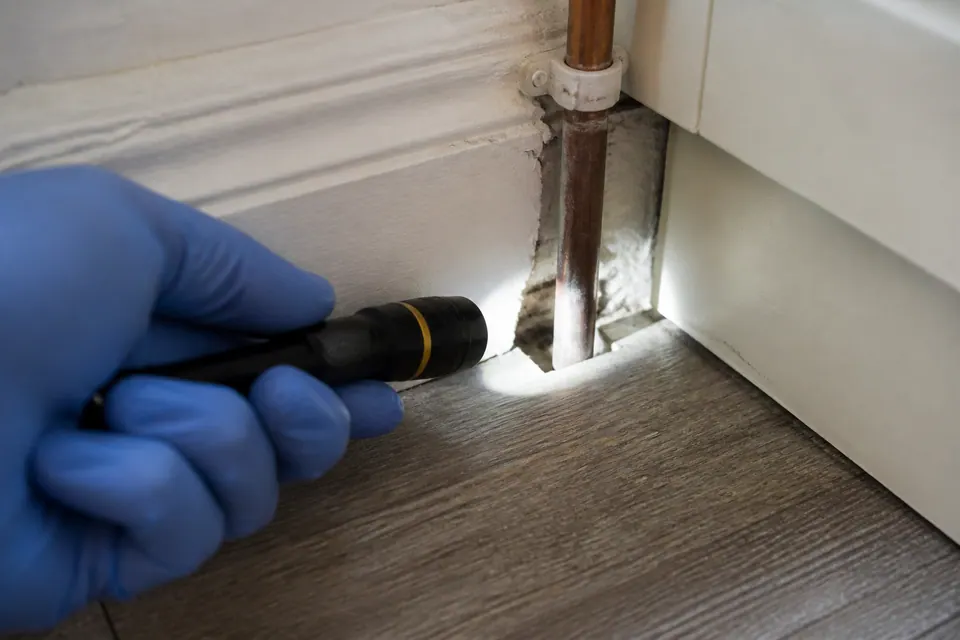
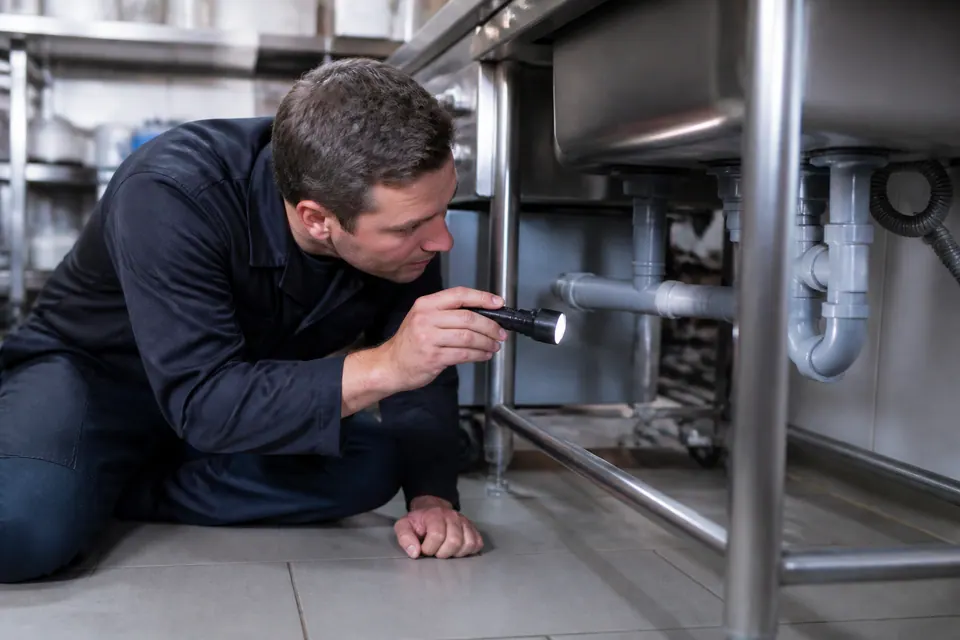
Illustrative inspection scenes, not photographs of Alesta customer jobs or proof of treatment outcomes.
11 / MAKE THE REPORT SPECIFIC
Tell us whether the marks are confined to a single unit or appear near several pipe entries. Agree how the landlord or agent can be contacted if the route extends beyond the flat.
Keep a short note of the times and precise position. Do not remove floorboards or enter an unsafe void to provide evidence.
Describe the equipment, moisture and previous products. A repeated pattern may help focus inspection beyond the last visible insect.
Mention the resting areas and luggage movements. Keeping the account specific is more useful than assuming every bite has the same cause.
12 / LOCAL ACCESS
Send the full address, flat or unit number and the entrance the technician should use.
Confirm concierge notice, keys and any access restrictions before attendance. Availability is checked for the requested property and scope.
Open Westminster in Google Maps ↗13 / CLEAR EXPECTATIONS
The service begins with evidence, rather than a claim that one method fits every pest.
Treatment, monitoring, proofing and other trades should be distinguished in the quote.
Preparation and aftercare reflect the selected method and the occupants disclosed.
14 / WESTMINSTER QUESTIONS
Give the entrance used for your flat, the concierge arrangements and any restrictions on access to service cupboards. Explain whether signs have also been reported outside your own rooms so the inspection scope can be agreed.
Yes, you can enquire with the location and timing of the noise. A description helps organise an assessment, but it does not establish whether the cause is mice, rats or something outside the service scope.
No such coverage should be assumed. A quote needs to identify the areas and visits included. Inspection of adjoining flats or shared facilities requires the relevant access and authorisation.
Either can start the enquiry. Clarify who can approve the work and admit the technician. Where evidence concerns communal routes, involve the person responsible for those spaces rather than arranging access informally.
Do not empty the whole property on assumption. Describe the affected locations first and follow the preparation instructions for the booking. Mention heavy appliances or fixed joinery that prevent safe access.
Explain the travel dates, where luggage was placed and the rooms where physical signs appeared. Avoid transferring loose belongings between rooms until you have received advice for the suspected pest.
Drainage concerns can be relevant to suspected rats, but a treatment booking is not a drainage-repair contract. Any specialist investigation, structural opening or repair needs to be separately identified and agreed.
Tell Alesta about all occupants and animals before the method is agreed. Obtain the specific access, preparation and re-entry requirements; do not infer that a treatment is unrestricted because no smell is noticeable.
Record the date, room and type of fresh evidence, then contact Alesta using the review guidance given at handover. A new report is assessed alongside the original findings and any changes to the property.
Ask Alesta to confirm suitability for the premises, pest and operational requirements before booking. The services described on this pilot are residential; a commercial programme or documentation package is not assumed.
15 / TAKE THE NEXT STEP
Tell us what you found, where it appeared and how the property is accessed. We can discuss the appropriate assessment and availability.
