
Inside the cupboard
Name the unit and shelf where marks appeared. State whether the contents were recently rearranged.
PEST CONTROL / KENSINGTON
Shared-building access.
Resolve the access question early.
An insect in your kitchen and a noise beyond the party wall are two observations, not necessarily one infestation. For a Kensington enquiry, describe the home first, then identify adjoining spaces that need a manager’s consent.
KENSINGTON / PROPERTY CONTEXT
Use the flat number, storey and entrance together. A street address may lead to a communal lobby while the affected room sits behind a different internal door.
If a suspected route passes into a locked riser, ask the managing agent who can authorise access. Do not borrow another resident’s keys or treat a communal cupboard as part of your tenancy.
A shared-wall diagram can be simple: kitchen on one side, corridor on the other, with inaccessible areas marked. It communicates uncertainty without attributing the source to a neighbour.
Keep the initial dwelling assessment distinct from any later building-wide proposal. Additional premises, decision-makers and visit arrangements may require a revised agreement.
03 / OBSERVATION CHECKLIST
Use positions another person could find without guessing.
Leave suspect material undisturbed; a photograph is optional, not worth unsafe access.
Name the unit and shelf where marks appeared. State whether the contents were recently rearranged.
Log the room beneath the sound and approximate times. Avoid naming an animal from acoustics.
Explain which side is yours and what lies beyond, if known. Do not present an assumed route as proven.
Describe visible spotting or an insect, rather than turning a skin complaint into a species identification.
Record recurring sightings against the same fitting; add any known leak report reference.
Keep corridor or bin-room observations in their own entry, identifying the witness and access owner.
06 / SIGNS → LOCATION → NEXT STEP
| Pest problem | Signs to describe | Areas to mention | Next step |
|---|---|---|---|
| Mice | Chewing within one cabinet | Private kitchen and visible pipe penetrations | Ask whether the accessible evidence supports mouse control. |
| Rats | Animal seen beyond a shared doorway | Exterior or refuse enclosure, subject to permission | Explain who witnessed it and who controls entry. |
| Bed bugs | Insect or spotting beside a bed | The occupied bedroom, not an assumed whole-block spread | Seek identification before relocating possessions. |
| Cockroaches | Insects returning below the sink | Cabinet interior and adjoining accessible fittings | Disclose earlier sprays and inaccessible recesses. |
08 / THE CONTROL PLAN
Keep findings, permissions and responsibilities connected.
The assessor considers the reported rooms and records where locked or concealed spaces restrict a conclusion.
A proposed method should suit the identified pest and household, with communal additions treated as decisions rather than assumptions.
If access routes or maintenance need attention, identify the responsible manager or trade. Monitoring and building repairs are different commitments.
09 / FROM FIRST CONTACT
Expand the stages to see where the resident and building manager may need to coordinate.

Give the entrance, floor, affected cabinet or room and a contact who can admit the technician.
Explain which suspected areas sit behind management locks before the visit is planned.
Establish who may authorise the quoted work and any later extension to common parts.
Arrange household access according to the chosen method; do not move monitoring equipment independently.
Fresh observations should say whether they arose inside the original scope or elsewhere in the building.
Ask who will handle any recommended proofing or maintenance that falls outside the treatment agreement.
01 / START WITH THE EVIDENCE
Select a concern to see how a shared-building brief can help assessment.
Chewed food packaging inside a particular kitchen unit.
Mice controlA larger animal sighting outside the dwelling.
Rats controlPhysical marks around an occupied sleeping position.
Bed bug treatmentRecurring insects close to a sink or appliance recess.
Cockroaches controlDescribe the cabinet and any visible pipe opening. A connection to communal services remains a possibility until assessed, not a conclusion to put in the report.
Tell the assessor whether you witnessed the animal yourself or received a building notice. Permission for a flat does not provide access to the refuse room.
Give the actual sleeping-room findings. A report elsewhere in the block cannot confirm bed bugs in your bed, and irritation alone is inconclusive.
Note the precise side of the kitchen affected and previous products. Management may need to coordinate any investigation beyond your accommodation.
07 / SCOPE BEFORE A QUOTE
The two published starting amounts concern targeted treatments. Agree the geographical and physical scope of the appointment before comparing quotes.
from £120
See published service pricingfrom £150
See published service pricing| Service | Pricing basis | Price |
|---|---|---|
| Mice control | Mouse evidence within agreed rooms | Assessment-led quotation |
| Rat control | Rat findings and authorised access | Assessment-led quotation |
| Proofing / repairs | Building openings or fabric defects | Separate repair scope |
Service guides checked on 27 August 2026. Obtain an address-specific total and availability confirmation; common-parts work is not implied by either starting figure.
05 / PROPERTY BRIEF
List the rooms under your control and distinguish your entrance from the shared stairwell.
A divided building may have separate occupiers and concealed boundaries. Describe the division without opening floors or walls.
Establish who approves costs before adding work outside the rooms you rent.
Supply separate household reports instead of merging all sightings into one undated account.
Include household arrangements that affect preparation and use of treated areas.
Discuss your homeAsk Alesta whether that premises can be served. A residential scope is not evidence of commercial capability or compliance documentation.
Check the premises requirements04 / AT A GLANCE
MAKE THE ENQUIRY SPECIFIC
Tell the booking contact before attendance. An unavailable key may limit the inspection rather than establish absence of activity.
Keep their dates and observations attributed. Ask management whether coordination is needed without assuming a common source.
Provide the authorising contact so newly proposed work is not mistaken for an automatic addition.
Ask for the defect and responsible party to be identified. Do not equate a pest visit with permission to alter the building.
10 / PROBLEM → TREATMENT → CONTROL
Progress depends on findings in the relevant areas. Appearance alone cannot establish what remains inside concealed services.
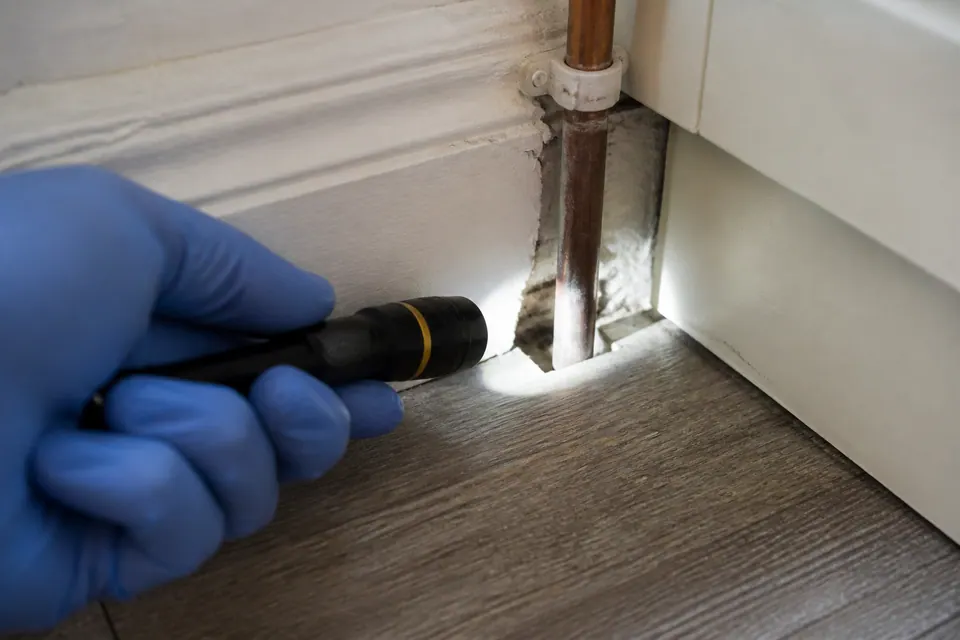
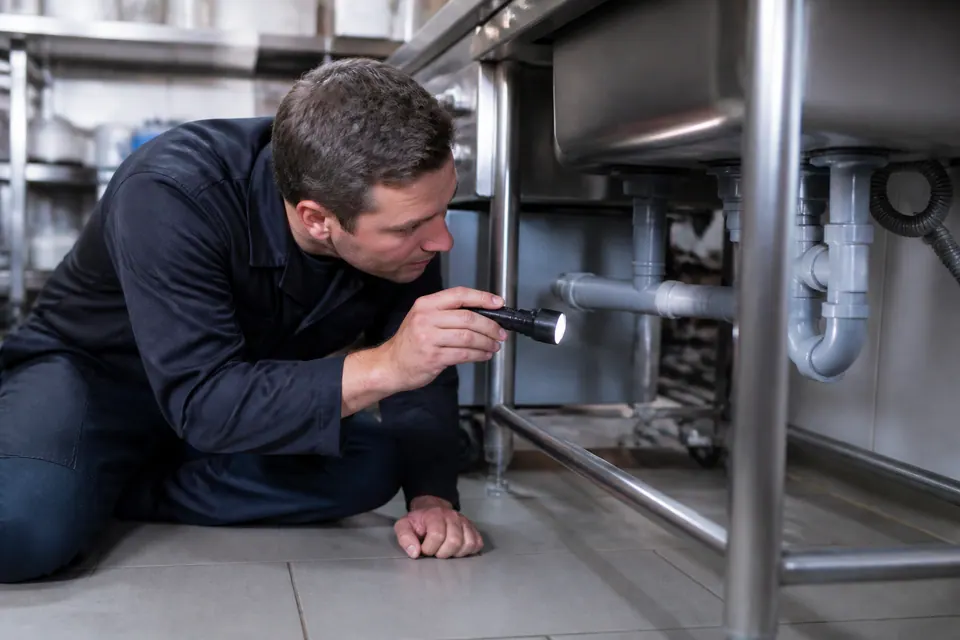
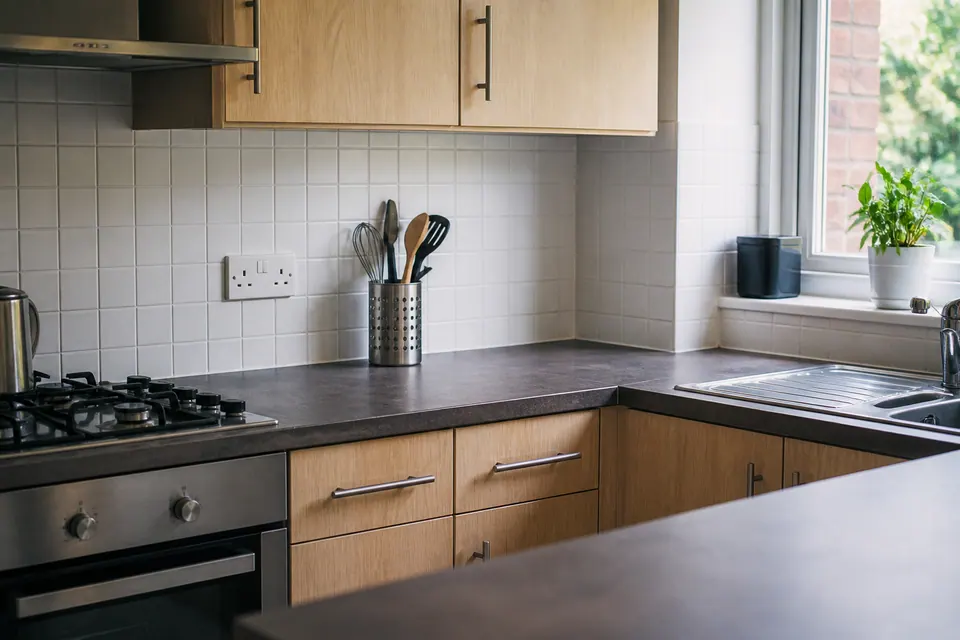
These generated scenes illustrate assessment stages; they do not document a Kensington customer’s outcome.
ADDRESS AND AVAILABILITY
Include the flat reference alongside the full postcode when checking availability.
If contractor entry differs from the residents’ door, explain that route and any notice required. The area map does not identify an Alesta branch.
Open Kensington in Google Maps ↗13 / CLEAR EXPECTATIONS
Distinguish the resident’s account from reports received through management.
A keyholder and a person authorised to commission work may be different people.
Request clear ownership of review, maintenance and any proposed wider assessment.
KENSINGTON / QUESTIONS
A locked riser is a limitation to disclose. Ask management about authorised access; do not remove a lock or panel for the appointment.
Describe only the rooms covered by the booking. Wider inspection needs an agreed scope and permission from whoever controls those spaces.
Provide the manager’s details if you have consent to share them. Explain which decisions or keys depend on that person.
Separate reports preserve dates, locations and witnesses. Combining them can make a single old sighting look like repeated current activity.
It can help explain the layout, but it does not establish the pest’s route. Mark unknown areas as unknown.
Discuss the outstanding question with the assessor. Further access may be proposed, but treatment should not be selected merely to fill an evidence gap.
Ask how findings will be communicated and whether a written scope is included. Do not assume a particular building-management document is supplied.
Tell the booking team who has financial authority. A person opening the door should not be presumed to approve additional communal work.
Follow the specific instructions supplied for the method and occupants. A neighbour’s experience is not a preparation plan for your home.
State the date and exact position of the new sign. If it falls outside the original rooms, say so before assuming it is a failed treatment.
15 / TAKE THE NEXT STEP
Call with the dwelling details and any management-controlled access. Confirm availability, the proposed boundary and who can approve the next step.
