
Resident’s finding
Record the exact home location and discovery date.
PEST CONTROL / MARYLEBONE
Concierge entry and inspection limits.
Admission is not the same as full access.
A concierge can know you are expecting a visit while a relevant cupboard remains locked elsewhere. For a Marylebone enquiry, connect the pest report with the people who control access and authorise work. That helps the proposed assessment match what is possible on the day.
03 / OBSERVATION CHECKLIST
Use room and cupboard descriptions that remain clear when passed through reception.
Do not force access or disturb suspect material for documentation.
Record the exact home location and discovery date.
Attribute what reception reported separately from what the resident witnessed.
Explain what is visible and what remains unexamined.
Give the bed position and physical finding, not only a general request for bug treatment.
Name the appliance or fitting and any earlier product use.
State whether the area is privately or commonly controlled and who observed it.
MARYLEBONE / PROPERTY CONTEXT
The contact who authorises a contractor may be different from the person who meets them. Explain the arrangement that applies to your home instead of assuming reception can resolve every question.
If building procedures require notice, supply that information when checking availability. Do not promise entry to an assessor before the relevant process has been followed.
Identify any management key needed for a relevant space. A residential key or concierge admission is not automatic authority to open common services.
If access cannot be arranged, ask how that affects the proposed assessment. An inaccessible area should remain a stated limitation rather than an omitted part of the report.
04 / AT A GLANCE
08 / THE CONTROL PLAN
Access should support a defined assessment rather than create an assumed scope.
The findings in authorised rooms can be considered while relevant locked areas remain explicitly unexamined.
The selected method and household instructions should be understood by the commissioning contact, not only the person opening the door.
Where monitoring, further access or separate maintenance is proposed, identify who coordinates each task.
10 / PROBLEM → TREATMENT → CONTROL
A visitor reaching the flat does not mean every relevant area was accessible. Review the findings with the stated limits rather than assuming the whole building was checked.
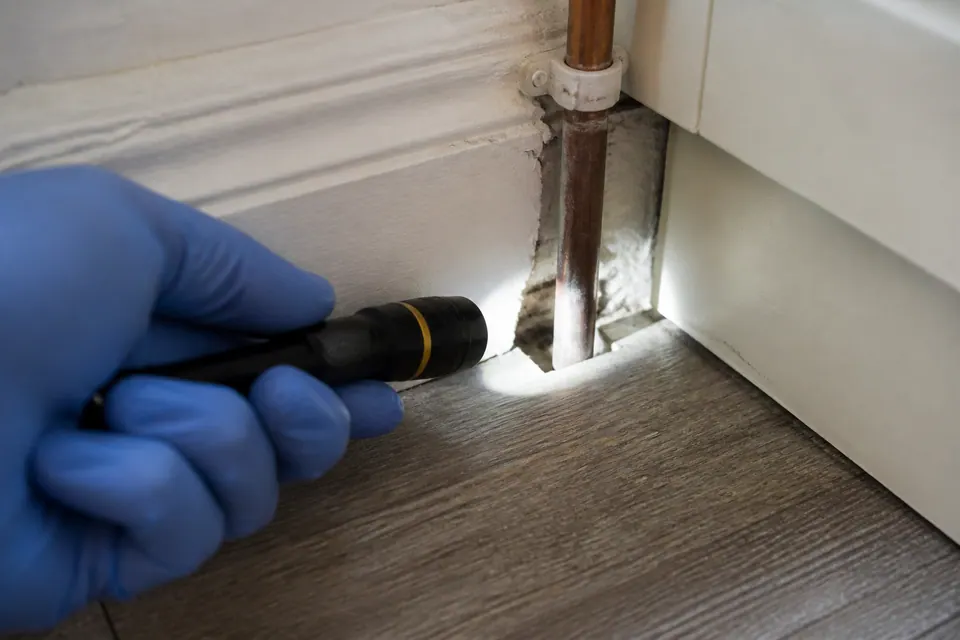
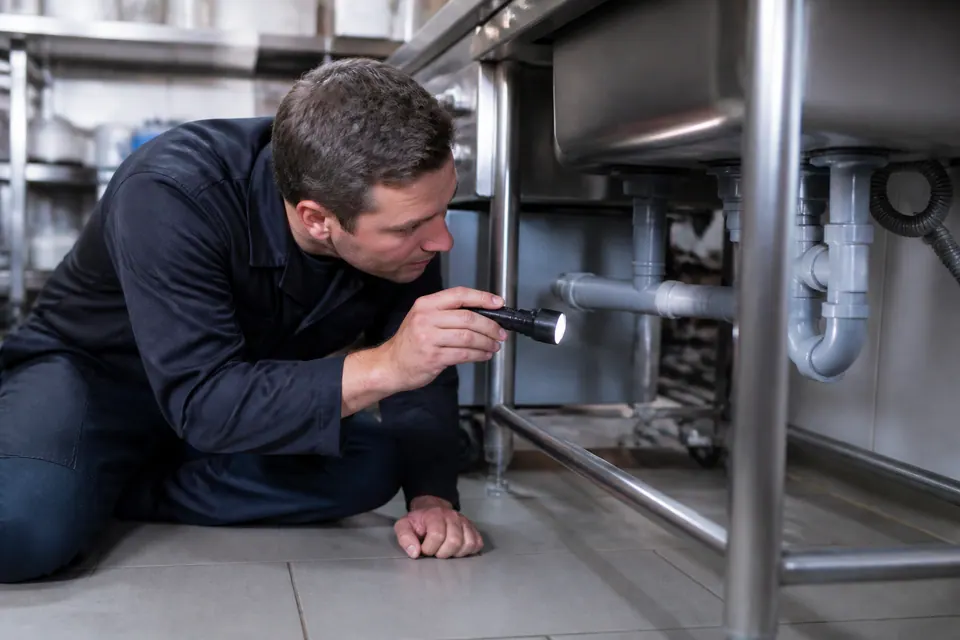
Generated inspection images are not a Marylebone building record or proof of treatment success.
07 / SCOPE BEFORE A QUOTE
Ask which spaces the quote assumes can be opened. Unavailable keys or a scope extension should be discussed rather than left for the day of attendance.
from £120
See published service pricingfrom £150
See published service pricing| Service | Pricing basis | Price |
|---|---|---|
| Mice control | Mouse evidence and available rooms | Assessment-based quotation |
| Rat control | Rat concern and access boundaries | Scoped programme price |
| Proofing / repairs | Additional access or remedial tasks | Separate agreement |
Service guides were checked on 27 August 2026. Confirm Marylebone availability, the quoted total and access assumptions before coordinating attendance.
01 / START WITH THE EVIDENCE
Access planning supports assessment; it does not establish a diagnosis.
Food or material damage in an identified cupboard.
Mice controlA larger rodent observed at a specific location.
Rats controlPhysical findings at a sleeping position.
Bed bug treatmentRecurring insects near household equipment.
Cockroaches controlName the visible location and any relevant cupboard that cannot be opened. Do not assume the locked area is the source.
Explain whether the sighting was in your accommodation or a management-controlled place. Identify the responsible access contact.
Describe the resting-area evidence and who can admit the assessor. Skin irritation alone cannot establish bed bugs.
Record the affected fitting and previous products. If related services are locked, state that limitation without assuming treatment there.
05 / PROPERTY BRIEF
Explain the procedure for admitting the visitor and any advance notice.
Give the direct contact and keys relevant to the agreed rooms.
Identify the person who can approve and arrange access outside the home.
Clarify how additional proposals will be reviewed if the person admitting the assessor cannot approve them.
Keep household evidence and occupant requirements central to the appointment.
Discuss your homeRequest a separate suitability check. A concierge arrangement does not make commercial work part of a home booking.
Check the premises requirements06 / SIGNS → LOCATION → NEXT STEP
| Pest problem | Signs to describe | Areas to mention | Next step |
|---|---|---|---|
| Mice | Damage within a cupboard | Room and relevant keyholder | Ask for assessment within authorised access. |
| Rats | Larger rodent observation | Private or common location | Attribute the sighting and access authority. |
| Bed bugs | Physical bed-area marks | Bedroom and admitting contact | Seek identification based on actual evidence. |
| Cockroaches | Repeated kitchen insects | Named fitting and locked-service limitations | Provide product history and accessible positions. |
MAKE THE ENQUIRY SPECIFIC
Explain the procedure while checking availability rather than assuming a contractor can be admitted without it.
Identify the responsible contact and tell the booking team if that access cannot be provided.
Clarify who can approve a changed proposal; opening the door is not the same as commissioning extra work.
Check the new access arrangements rather than assuming the first appointment’s permission remains sufficient.
09 / FROM FIRST CONTACT
Open the stages to see which information belongs before attendance.

Describe the rooms and signs before discussing reception arrangements.
Explain notice, visitor admission and any relevant key restrictions.
Make clear who can accept the proposed scope and consider additions.
Arrange household preparation for the method while respecting controlled common areas.
Report fresh observations directly with dates and locations, not only a general message left at reception.
If another visit or repair is discussed, agree the responsible contact and the required permission.
13 / CLEAR EXPECTATIONS
Who gets the assessor through the entrance?
Who authorises access to the relevant rooms and common spaces?
Who agrees the scope and any proposed additional work?
ADDRESS AND AVAILABILITY
Give the flat reference, postcode and person who will admit the assessor.
Check availability alongside any reception or management requirements. This is an area map, not an Alesta office or confirmed appointment location.
Open Marylebone in Google Maps ↗MARYLEBONE / QUESTIONS
Explain any notice requirement when checking availability. Follow the building’s process before promising admission.
Not necessarily. Say which key is required and who controls it; reception admission does not establish access to every cupboard.
Identify the commissioning contact separately. A person meeting the visitor should not be assumed to approve additions.
Disclose it before the appointment. Ask how the inaccessible area affects scope rather than omitting it from the report.
Keep the account attributed to reception with any reported location and date. Distinguish it from the resident’s observations.
Give the flat number and relevant entrance route. A building reception may serve more than one accommodation area.
Clarify how proposals can be communicated and approved. Do not presume remote presence means every addition is authorised.
No. The quoted areas and permissions govern the assessment, not the fact a concierge manages the entrance.
Check instructions and access requirements for the proposed further visit rather than assuming earlier arrangements transfer unchanged.
Provide the fresh finding’s room and date directly, including whether it falls in an area that was inaccessible previously.
15 / TAKE THE NEXT STEP
Call with the pest evidence and the relevant admitting, permission and approval contacts. Confirm an achievable scope before arranging attendance.
