
Mice
Damage or marks in a named household area.
Mice controlPEST CONTROL / RICHMOND
Garden edges and household evidence.
Start indoors before drawing an outside connection.
A garden observation may feel relevant to a kitchen finding, but proximity does not establish the route. For a Richmond enquiry, record the household evidence first and describe the accessible garden-facing edge separately. Ask how any entry-point question should be assessed before arranging changes.
01 / START WITH THE EVIDENCE
A garden-facing wall does not identify the pest or its route.
Damage or marks in a named household area.
Mice controlA larger rodent observation at a stated point.
Rats controlPhysical evidence around sleeping furniture.
Bed bug treatmentRecurring insects at a household fitting.
Cockroaches controlDescribe the actual cupboard finding before explaining an outside theory. Accessible openings can be reported without declaring them active.
Give the position and direct observation without following the animal or assuming indoor activity.
Provide physical signs at the bed. Garden activity and irritation do not establish a bed bug diagnosis.
Record events and prior products, keeping exterior insect observations separate unless assessment establishes relevance.
09 / FROM FIRST CONTACT
Expand the stages before arranging entry-point changes.

Start with room and position.
Give the accessible edge and observation.
Explain any shared passage or boundary control.
Do not alter openings on assumption.
Keep inside and outside positions distinct.
Clarify separate proofing or repair responsibilities.
08 / THE CONTROL PLAN
The home evidence should remain identifiable throughout.
Accessible indoor and exterior observations can be considered without declaring a connection prematurely.
The selected method and household instructions should be distinct from any recommended proofing or repair.
Later findings need clear inside or outside references to support the next decision.
05 / PROPERTY BRIEF
Give indoor findings before outside theories.
Describe only what can safely be observed.
Clarify permission and keys.
Ask whether it belongs in the proposed scope.
Check suitability rather than assuming home-service scope automatically extends.
Check the premises requirementsRICHMOND / PROPERTY CONTEXT
Describe the actual home and reachable garden-facing edge. Do not assume every address has the same layout or that a nearby sighting explains an indoor finding.
Report visible conditions without removing covers, disturbing wildlife or altering an opening. A possible access point needs assessment, not an automatic instruction to seal.
If a side passage or boundary is shared, identify who controls it before including it in the proposed visit. Private-room access does not extend by default to adjoining land.
Clarify whether the assessment includes any exterior area and which repairs remain separate. The household report should retain its own findings even when outside context is useful.
07 / SCOPE BEFORE A QUOTE
An accessible garden edge may be relevant without being automatically included. Confirm the proposed scope and any separate proofing or repair task.
from £120
See published service pricingfrom £150
See published service pricing| Service | Pricing basis | Price |
|---|---|---|
| Mice control | Mouse findings within agreed areas | Assessed quotation |
| Rat control | Rat concern and exterior scope | Programme quote |
| Proofing / repairs | Proofing or building repairs | Separate agreement |
Guides checked on 27 August 2026 provide starting amounts. Confirm Richmond coverage and the area list before assuming an outside observation adds a garden programme.
06 / SIGNS → LOCATION → NEXT STEP
| Pest problem | Signs to describe | Areas to mention | Next step |
|---|---|---|---|
| Mice | Mouse-like indoor marks | Actual household position | Request assessment before assigning an exterior route. |
| Rats | Larger rodent outdoors | Observed edge and event | Distinguish from indoor evidence. |
| Bed bugs | Physical bed signs | Sleeping position | Seek identification independently. |
| Cockroaches | Recurring kitchen insects | Fitting and event history | Provide products and separate exterior context. |
04 / AT A GLANCE
03 / OBSERVATION CHECKLIST
Use clear positions rather than a presumed movement route.
Do not pursue animals, lift covers or disturb suspect material.
Name the cupboard and date.
State the accessible wall or edge and what was seen.
Describe a gap without assigning it as the route.
Identify access authority.
Keep physical evidence independent.
Record a new position without rewriting the earlier uncertainty.
10 / PROBLEM → TREATMENT → CONTROL
Maintenance and the pest outcome are different records. Review actual findings rather than treating a tidier boundary as proof.
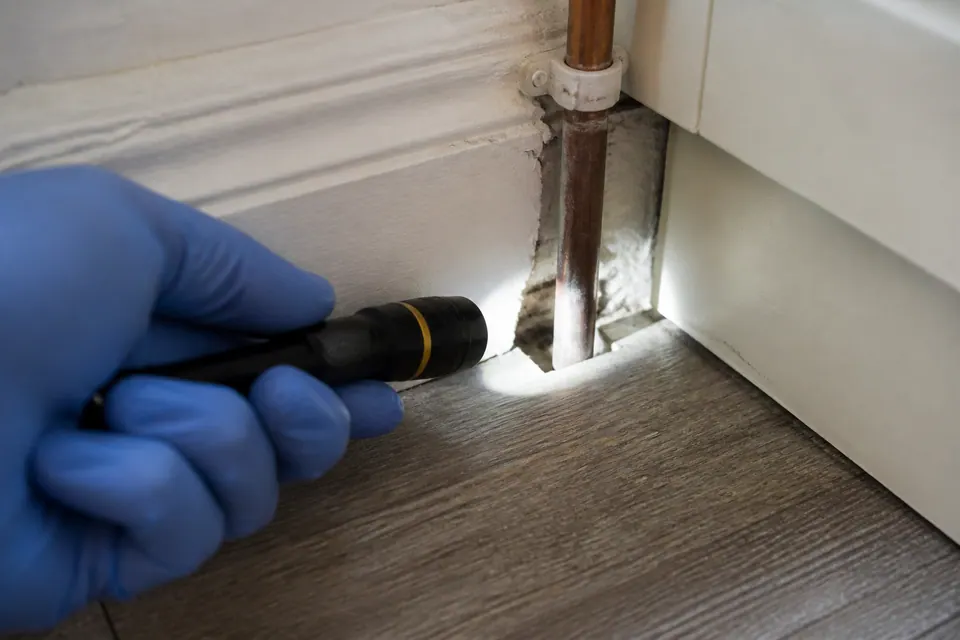
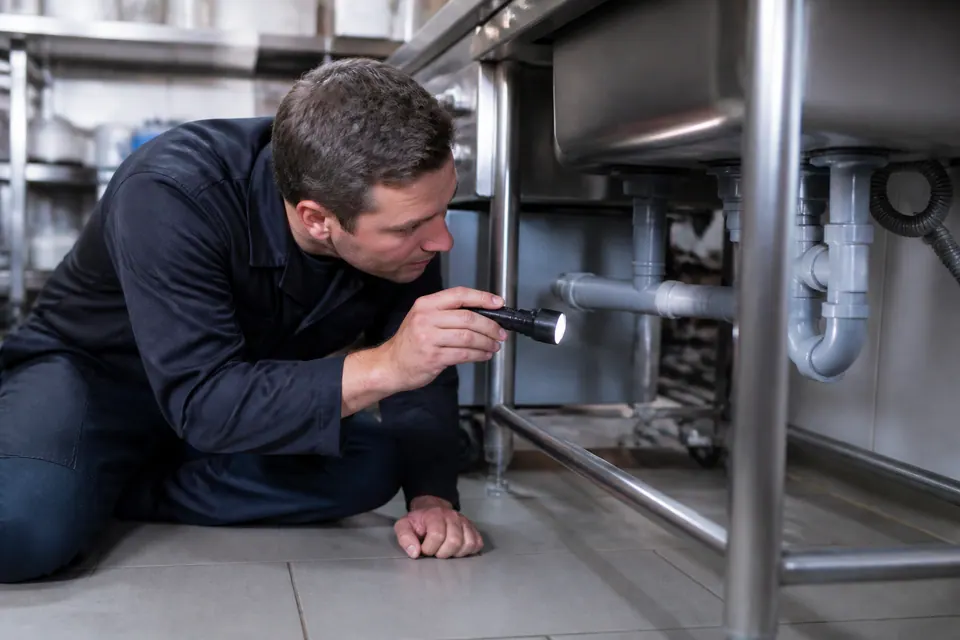
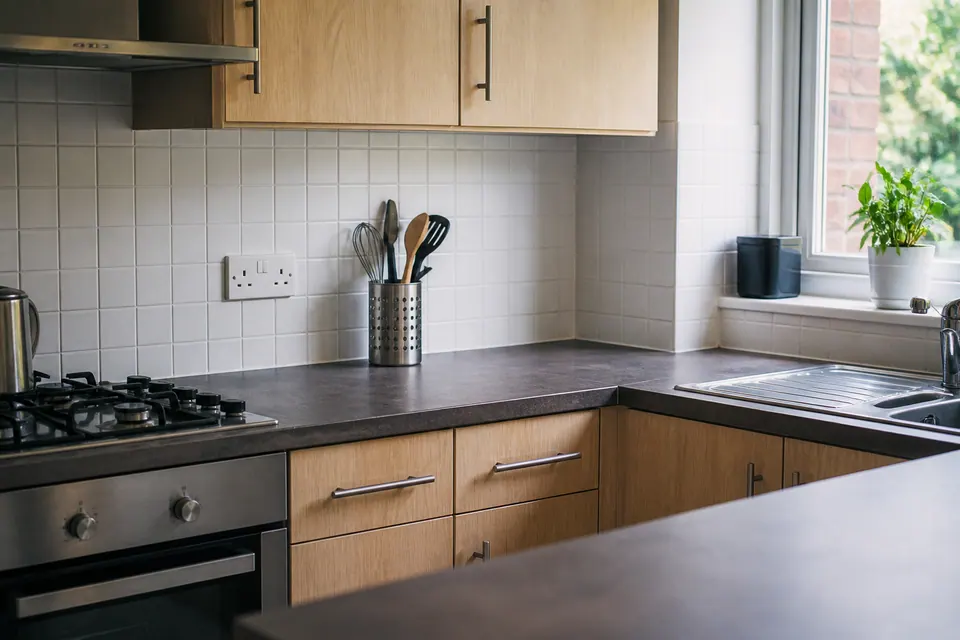
Generated scenes are not a Richmond garden-edge investigation or clearance record.
MAKE THE ENQUIRY SPECIFIC
Say so rather than assuming an indoor infestation.
Give its own location and date.
Identify the relevant permission contact.
Describe it without sealing or declaring it active before assessment.
ADDRESS AND AVAILABILITY
Give the postcode and explain the garden-facing position or shared route relevant to the report.
Check availability and scope before coordinating access. The map is an area view rather than a local Alesta premises marker.
Open Richmond in Google Maps ↗13 / CLEAR EXPECTATIONS
What was actually observed inside.
What was seen at an accessible outside position.
What the assessment and authorised scope support.
RICHMOND / QUESTIONS
Not automatically. Keep both positions and dates separate so assessment can consider any relationship.
Describe the visible condition without altering it or treating it as a proven route.
Do not make sealing the default response. Ask how proofing should relate to the plan.
Identify permission before adding that area to the proposed visit.
No. State that only an exterior observation is known.
Keep physical bed-area evidence independent of the garden account.
Not automatically. Clarify any separate building task.
Follow instructions for the actual method and areas, including animals and other occupants.
Give the new position and date rather than presenting it as proof of the original theory.
Keep the household and exterior records distinct in later discussions.
15 / TAKE THE NEXT STEP
Call with separate positions and access details. Confirm assessment before assigning a route or commissioning proofing.
