
Gate-side observation
Name the actual point and date.
PEST CONTROL / TWICKENHAM
Side passages and access arrangements.
An outside route needs access as well as a description.
A side passage may be shared, locked or reached through another part of the property. For a Twickenham enquiry, explain that route before adding exterior areas to a proposed visit. Keep the access arrangement separate from the position where pest signs were actually observed.
03 / OBSERVATION CHECKLIST
The place where an assessor would walk is not necessarily where evidence was found.
Avoid pursuing animals or entering controlled areas without authority.
Name the actual point and date.
Keep its own room record.
Attribute the witness and access owner.
Describe it without assigning a route.
Keep physical evidence independent.
State it is unavailable rather than treating it as assessed.
TWICKENHAM / PROPERTY CONTEXT
A gate key and permission to enter can be separate questions. Clarify the arrangement that applies to the actual property.
If a neighbour or manager controls access, identify the decision needed before attendance. A residential appointment should not depend on informal entry being assumed on arrival.
Describe the exterior location where evidence was seen, not merely a proposed path around the house. An access route may be useful without being the source of the concern.
Ask whether the agreed scope includes the relevant outside area. Repairs, changes to shared gates and work on adjoining land require separate consideration.
04 / AT A GLANCE
08 / THE CONTROL PLAN
Permission and pest evidence answer different questions.
The actual observations can be considered within safe authorised access, with locked sections recorded as limits.
The selected method and instructions should not silently extend onto adjoining land or shared infrastructure.
Another visit or recommendation may require fresh coordination rather than an assumed continuation of permission.
10 / PROBLEM → TREATMENT → CONTROL
Access can enable assessment but is not evidence that the concern has ended. Use findings and the agreed review within the actual scope.
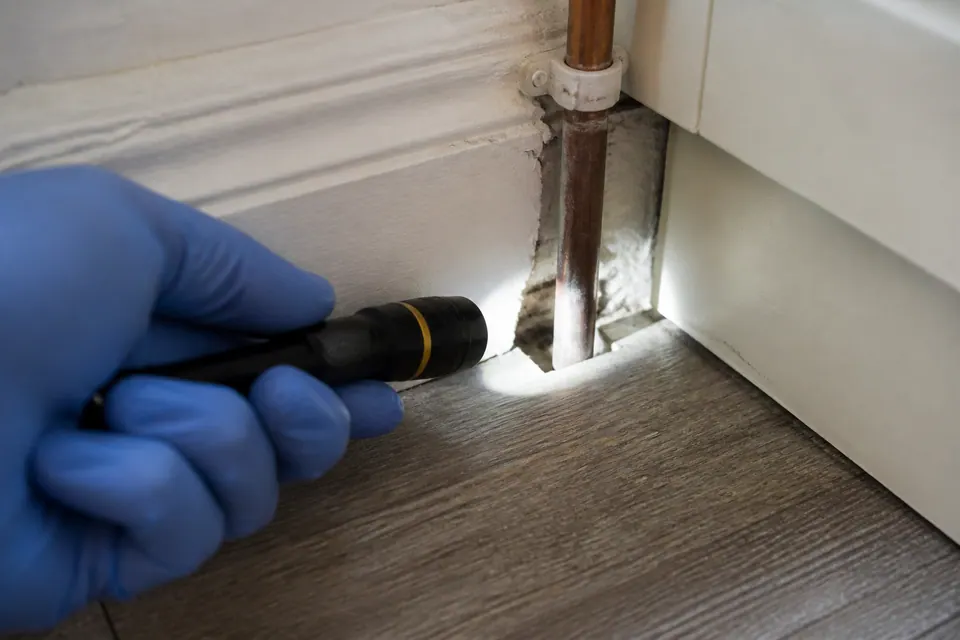
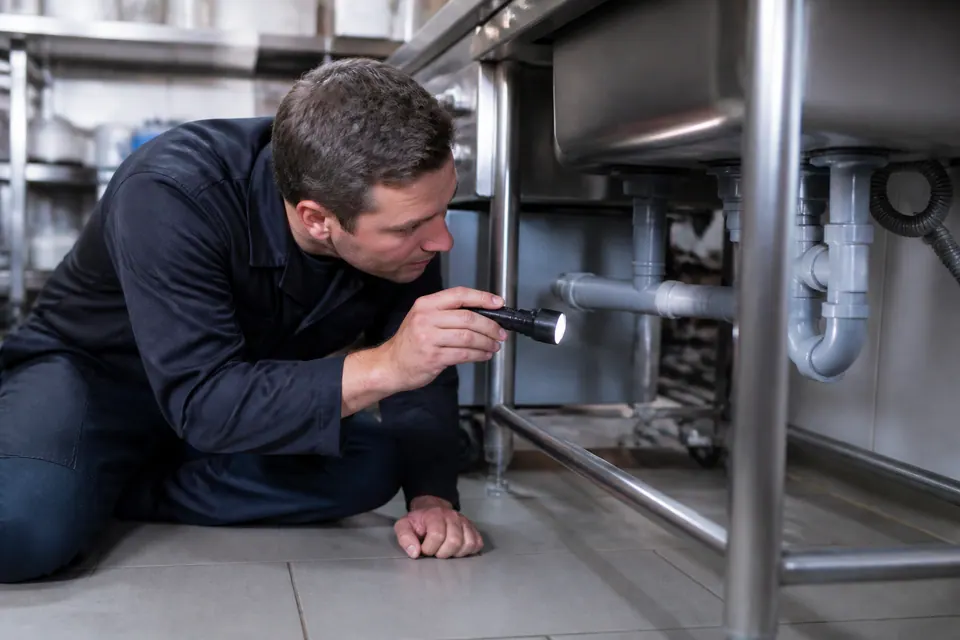
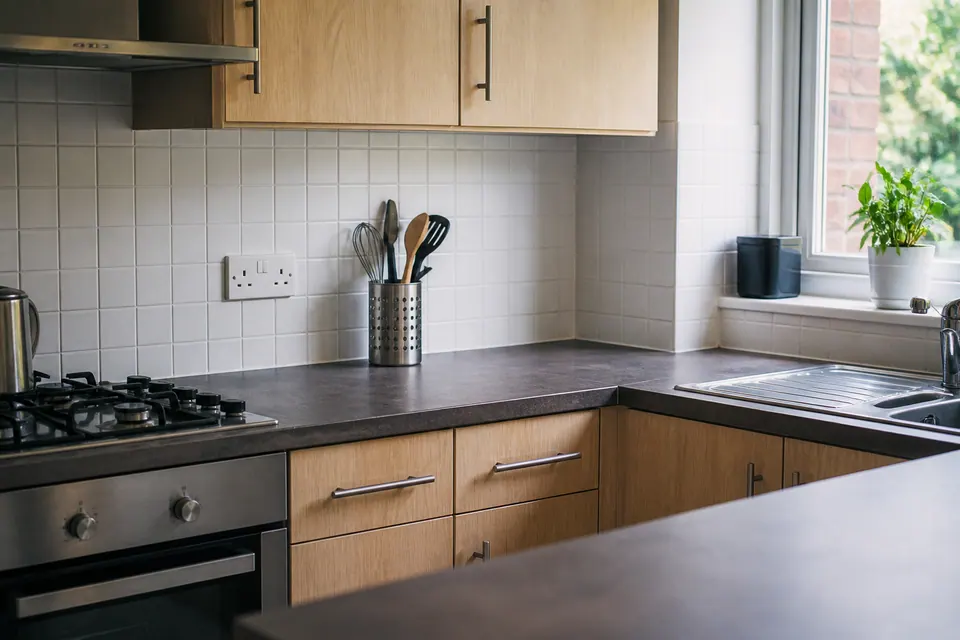
Generated scenes are not a Twickenham side-passage survey or proof of exterior clearance.
07 / SCOPE BEFORE A QUOTE
Confirm which exterior areas are included and whether the necessary permission and keys can be provided. A proposed route is not a guaranteed scope.
from £120
See published service pricingfrom £150
See published service pricing| Service | Pricing basis | Price |
|---|---|---|
| Mice control | Mouse concern in agreed rooms | Assessed quotation |
| Rat control | Rat report and authorised exterior areas | Programme quote |
| Proofing / repairs | Gate changes or separate repairs | Additional agreement |
Guides checked on 27 August 2026 give starting amounts. Confirm Twickenham availability and the accessible area list before assuming a whole-exterior programme.
01 / START WITH THE EVIDENCE
A passage is an access detail, not proof of a pest route.
Damage or marks at a household position.
Mice controlA larger rodent observation at a defined point.
Rats controlPhysical findings around sleeping furniture.
Bed bug treatmentRecurring insects near household fittings.
Cockroaches controlDescribe indoor evidence independently of the available passage. Do not infer an entry route because access exists there.
Give the actual sighting point and direction if observed. Do not pursue it into shared or adjoining areas.
Describe physical signs at the resting position rather than connecting them to an outside account without evidence.
Keep fitting, events and prior products identifiable, with outside context separately labelled.
05 / PROPERTY BRIEF
Identify the keyholder and actual evidence.
Clarify the authority for entry.
Explain the household route and restrictions.
State the limitation before scope is agreed.
Check suitability rather than treating a home booking as coverage for every adjacent use.
Check the premises requirements06 / SIGNS → LOCATION → NEXT STEP
| Pest problem | Signs to describe | Areas to mention | Next step |
|---|---|---|---|
| Mice | Mouse-like household marks | Room and storage point | Keep passage context separate. |
| Rats | Larger rodent sighting | Exact gate or exterior position | Identify witness and authority. |
| Bed bugs | Physical bed signs | Sleeping location | Seek identification independently. |
| Cockroaches | Recurring kitchen insects | Fitting and events | Provide product history and distinct outside context. |
MAKE THE ENQUIRY SPECIFIC
Arrange the relevant contact before promising entry.
Confirm appropriate permission rather than relying on informal access.
Describe the actual point, not only the convenient passage.
Keep the limitation explicit instead of implying it was checked.
09 / FROM FIRST CONTACT
Expand the stages before promising exterior access.

Describe where the sign or animal was observed.
Explain gates and shared use.
Identify who permits entry and holds keys.
Do not change gates or obstacles without a suitable arrangement.
Keep new findings separate from access changes.
Clarify the relevant permission again where required.
13 / CLEAR EXPECTATIONS
Where the actual finding occurred.
Who can open the route.
Who can authorise the relevant access and work.
ADDRESS AND AVAILABILITY
Give the postcode with the gate and shared-access arrangements relevant to the enquiry.
Check availability and permission before coordinating attendance. The map is an area reference, not a local Alesta exterior-service depot.
Open Twickenham in Google Maps ↗TWICKENHAM / QUESTIONS
Explain which gate requires a separate key and who can provide it.
Clarify the relevant authority before including the route in scope.
No. Describe the finding independently from the route used to reach it.
State it remains inaccessible; do not treat it as inspected or clear.
Keep the indoor room and date separate from the exterior account.
Not automatically. Changes or repairs need their own scope and agreement.
Record who observed the sign and where, retaining any uncertainty.
Follow instructions for the selected method and areas, not a guessed general interval.
Check the requirements for the proposed attendance rather than assuming previous arrangements still apply.
State the actual new location and whether it is within the authorised scope.
15 / TAKE THE NEXT STEP
Call with the evidence position, gate details and permission contact. Confirm the exterior scope before assuming a route can be used.
