
The mark was behind existing furniture
Record the discovery and known furniture history without assigning blame or an exact age to the sign.
PEST CONTROL / SURBITON
Room-specific evidence after a move.
A move-in discovery needs its own timeline.
Moving boxes can reveal marks that were hidden during a viewing. Note what was uncovered, where new belongings have been placed and whether any live activity has been seen since occupation.
MAKE THE ENQUIRY SPECIFIC
Record the discovery and known furniture history without assigning blame or an exact age to the sign.
List the earlier position if known so the current room is not mistaken for the original location.
Keep it separate from indoor evidence and check the appropriate scope.
Say what information is missing. Do not invent a product or programme from an assumption about the previous occupant.
06 / SIGNS → LOCATION → NEXT STEP
| Pest problem | Signs to describe | Areas to mention | Next step |
|---|---|---|---|
| Mice | Chewing or traces exposed during unpacking | Original cupboard or storage position | Say what concealed the area and whether activity recurred |
| Rats | An animal sighting or unexplained noise | Indoor and outdoor positions kept separate | Seek identification without assigning a cause to the move |
| Bed bugs | Physical signs on sleeping furniture | Item history and room position where known | Obtain guidance before relocating bedding |
| Cockroaches | Recurring insects near kitchen fittings | Specific unit and products used since arrival | Describe sightings independently of cleaning |
09 / FROM FIRST CONTACT
The steps follow the evidence rather than an assumed move-in treatment package.
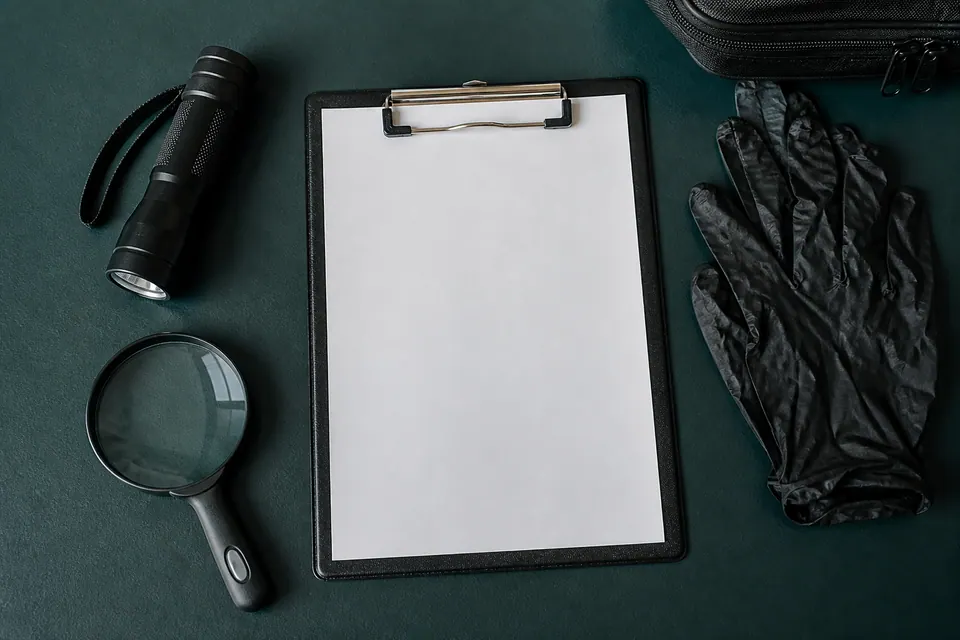
Give the location and the stage of unpacking when the sign appeared.
Explain the known history of relevant furniture without turning it into a source claim.
State what cannot currently be reached and who can arrange access.
Do not redistribute belongings or add products on the assumption that they are required.
Date each new finding rather than replacing the first report with a general summary.
Ask whether later recommendations concern treatment, monitoring or another service.
08 / THE CONTROL PLAN
The useful distinction is between what was found and what is assumed about its origin.
An assessment considers the reported signs and access limitations, including rooms not yet unpacked.
The method and preparation should match the findings and occupants. A move does not automatically justify treatment of every room.
New observations should retain their own dates. Changes to furniture or storage should be included alongside the review record.
05 / PROPERTY BRIEF
Identify the accessible rooms and the positions still hidden by boxes.
Distinguish furniture already present from your own items without assuming either caused the concern.
Name the storage area and findings rather than treating every box as affected.
Explain who can provide the key and whether examination is being requested.
Provide occupancy and room-use details so preparation can fit the household.
Discuss your homeCheck commercial suitability separately; residential guidance does not confirm a service for business premises or stock.
Check the premises requirementsADDRESS AND AVAILABILITY
Supply the postcode, flat reference where relevant and the current keyholder.
Explain any handover or removal arrangements affecting entry, but wait for agreed availability before treating a preferred day as booked.
Open Surbiton in Google Maps ↗07 / SCOPE BEFORE A QUOTE
The starting figures below are targeted service guides. A move-in enquiry still needs a clear description of the problem and accessible areas.
from £120
See published service pricingfrom £150
See published service pricing| Service | Pricing basis | Price |
|---|---|---|
| Mice control | Activity, access and programme | Quote after assessment |
| Rat control | Internal / external routes and visits | Quote after assessment |
| Proofing / repairs | Surveyed openings and separate work | Quoted separately |
Guides checked 27 August 2026. Confirm current prices, postcode coverage and included visits. Packing, removals, cleaning and furniture disposal are not automatically part of treatment.
SURBITON / PROPERTY CONTEXT
During a move, surfaces are exposed and belongings change position quickly. Keep a short account of what was visible at each stage.
Separate findings made before your belongings entered from those noticed afterwards. Neither group automatically identifies the origin of a pest problem.
If some rooms remain packed, describe them as not yet examined. A lack of observations in an inaccessible room is different from an assessment finding no relevant evidence.
Confirm coverage and explain the current access arrangements. A handover appointment, removal schedule or preferred moving date does not itself reserve pest attendance.
03 / OBSERVATION CHECKLIST
Keep the sequence clear without trying to assign responsibility or an unverified start date.
Avoid handling contamination or transferring suspect belongings merely to inspect them more closely.
Name the object that concealed the mark and when it was moved.
Give the storage position and whether damage was noticed before or after transport.
Record where and when it was heard; do not identify an animal from noise alone.
Explain whether these were independent sightings and whether the location changed.
Describe physical signs around the bed rather than diagnosing from a skin reaction after the move.
Keep observations beyond the dwelling separate from findings made while unpacking indoors.
01 / START WITH THE EVIDENCE
Discovering a sign during unpacking does not establish when the activity began or how it arrived.
Chewed material or suspected traces in an exposed cupboard.
Mice controlA sighting requiring its own indoor or outdoor location.
Rats controlSpotting or insects around a bed or its fittings.
Bed bug treatmentRepeated insects beside kitchen appliances.
Cockroaches controlExplain what concealed the position and whether later activity has been observed there. An old-looking mark should not be assigned a precise age without evidence.
Describe the animal only as clearly as it was seen. An unfamiliar sound in the new home is a separate observation.
State whether the furniture was already present or brought with you, if known. That history is context rather than proof of a source.
Name the unit and the time of the sighting. Include any cleaning or products applied before the enquiry.
04 / AT A GLANCE
10 / PROBLEM → TREATMENT → CONTROL
A room can look settled after boxes are removed while the original pest question remains unresolved. Appearance is not a substitute for review.
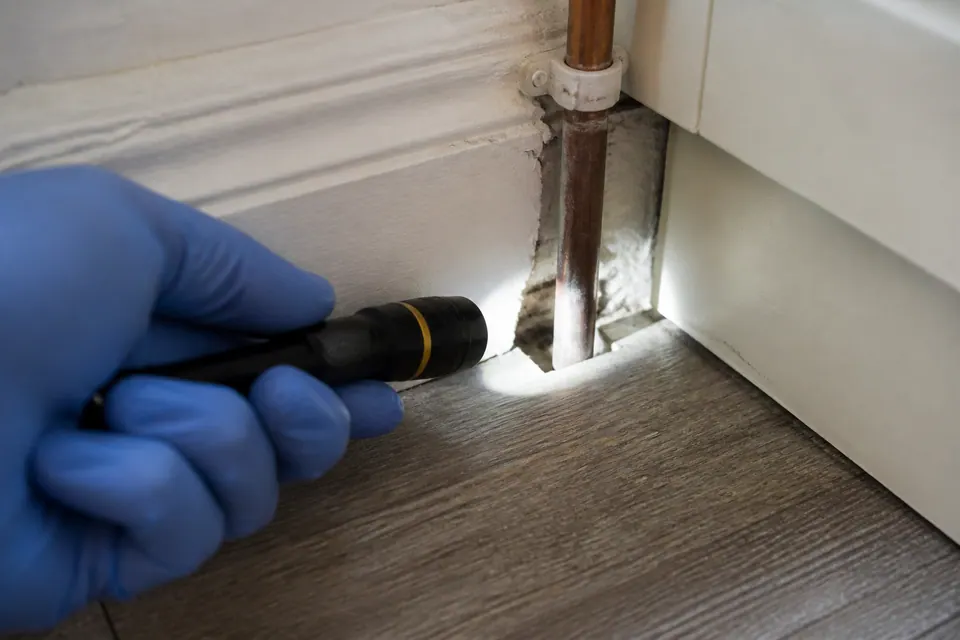
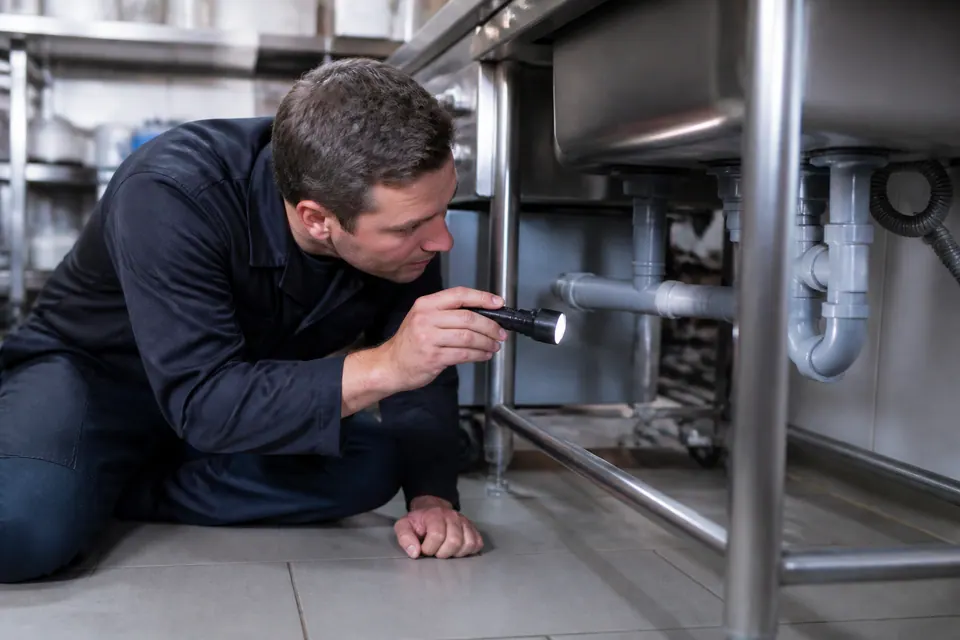
These are illustrative stages, not a documented move-in result at a Surbiton property.
13 / CLEAR EXPECTATIONS
Unknown dates or furniture provenance should remain unknown rather than become confident claims.
Packed or locked rooms should be disclosed as limitations.
Ask what preparation, monitoring and further attendance are actually proposed.
SURBITON / QUESTIONS
No. Record when the marks were discovered without assuming when they were created.
A safe photograph can preserve the visible position, but do not disturb suspect material or take risks to obtain one.
No. Not examined and assessed without findings are different descriptions.
No. Its history is context for assessment, not proof of how a problem began.
Explain the earlier position and timing if known. Avoid attributing the damage to the room where it was noticed later.
Yes. Give the available facts and state clearly what records are missing.
Do not assume a product is appropriate or compatible with later work. Describe the evidence and obtain guidance for the selected service.
Only the agreed scope should be expected. Explain additional rooms and access limitations explicitly.
Tell the team about the constraint and check availability. A fixed moving date does not guarantee attendance or alter method requirements.
Add a dated entry with its exact location and any relevant changes to belongings or room use.
15 / TAKE THE NEXT STEP
Call with what was found, where it was noticed and which rooms can be reached. Confirm coverage and the proposed assessment before moving suspect belongings again.
