
Furniture spotting
State the exact furniture surface.
PEST CONTROL / WINDSOR
Pest signs around guest accommodation.
An occasional bedroom still needs a precise evidence brief.
If a room is used by visitors, explain its use and the dates of observed signs without assuming their source. Where accommodation is operated commercially, check suitability rather than treating it as an ordinary residential booking.
WINDSOR / PROPERTY CONTEXT
Confirm coverage for the postcode, then describe whether the room is part of a private home or accommodation offered commercially.
Recent occupancy can help explain when signs were noticed, but it does not establish who introduced a pest or where it originated.
List the affected furniture without relocating it into another room for inspection. Ask for preparation specific to the concern.
If the premises are used commercially, check suitability and requirements separately. A household service guide is not a lodging-business programme.
03 / OBSERVATION CHECKLIST
A room-by-room description keeps different observations from being merged into one diagnosis.
Avoid moving suspect items around the property or applying products before seeking advice.
State the exact furniture surface.
Describe its visible appearance and where it was found.
Name the item without assigning an unproven cause.
Keep possible rodent signs distinct from insect evidence.
Record timing; do not claim an animal was seen.
Report recurring insects here as a separate location.
06 / SIGNS → LOCATION → NEXT STEP
| Pest problem | Signs to describe | Areas to mention | Next step |
|---|---|---|---|
| Mice | Possible rodent traces | Guest-room storage | Describe the material and position |
| Rats | Larger traces or sighting | Exact internal or outside spot | Separate observation from inference |
| Bed bugs | Physical bedroom signs | Bed or adjacent furnishing | Avoid diagnosing from bites alone |
| Cockroaches | Recurring insects | Kitchen fitting | Report independently of bedroom concerns |
08 / THE CONTROL PLAN
A visitor deadline should not replace assessment-led instructions.
Explain what was found without assigning blame to a previous occupant.
Follow the requirements for the agreed method and furniture.
Ask how later findings and room availability should be evaluated.
09 / FROM FIRST CONTACT
Useful information can be collected without dismantling the room.
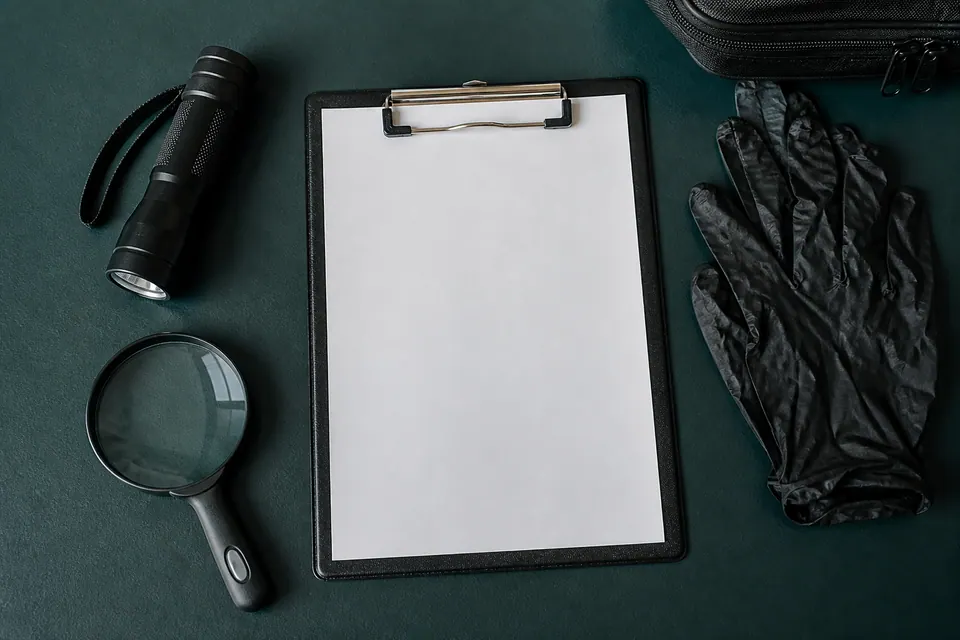
Confirm whether the requested service is available.
State private or commercial use honestly.
Name the bed, furniture or stored item.
Do not transfer suspect belongings unnecessarily.
Clarify costs, preparation and restrictions.
Report new findings and follow the specified instructions.
01 / START WITH THE EVIDENCE
A guest-room concern should not automatically become a bed bug diagnosis.
Possible small-rodent evidence in storage.
Mice controlA sighting or larger suspected rodent signs.
Rats controlPhysical evidence associated with sleeping furniture.
Bed bug treatmentRepeated insects around kitchen fittings.
Cockroaches controlDescribe the object and location rather than assuming the source.
Give the actual observation and whether it was indoors.
Report visible signs; bites alone cannot establish the pest.
Keep findings in other rooms separate for assessment.
07 / SCOPE BEFORE A QUOTE
The room’s name does not determine the method or whole-property scope.
from £120
See published service pricingfrom £150
See published service pricing| Service | Pricing basis | Price |
|---|---|---|
| Mice control | Activity, access and programme | Quote after assessment |
| Rat control | Internal / external routes and visits | Quote after assessment |
| Proofing / repairs | Surveyed openings and separate work | Quoted separately |
Guides checked 27 August 2026. Confirm coverage, current charges and follow-up terms. Commercial arrangements and replacement furnishings are not presumed included.
05 / PROPERTY BRIEF
Explain normal use and the point when signs were noticed.
Identify the items without blaming their origin.
Clarify its relationship to the main dwelling.
Ask about suitable service rather than applying residential assumptions.
Do not assume ongoing monitoring or accommodation records are provided.
Check the premises requirements04 / AT A GLANCE
MAKE THE ENQUIRY SPECIFIC
Give the dates without assuming an assured completion window.
Identify its position; do not claim it caused the issue.
State that distinction plainly rather than declaring bed bugs.
Check suitability and business requirements before booking.
10 / PROBLEM → TREATMENT → CONTROL
A clear plan separates what was observed from assumptions about origin or readiness.
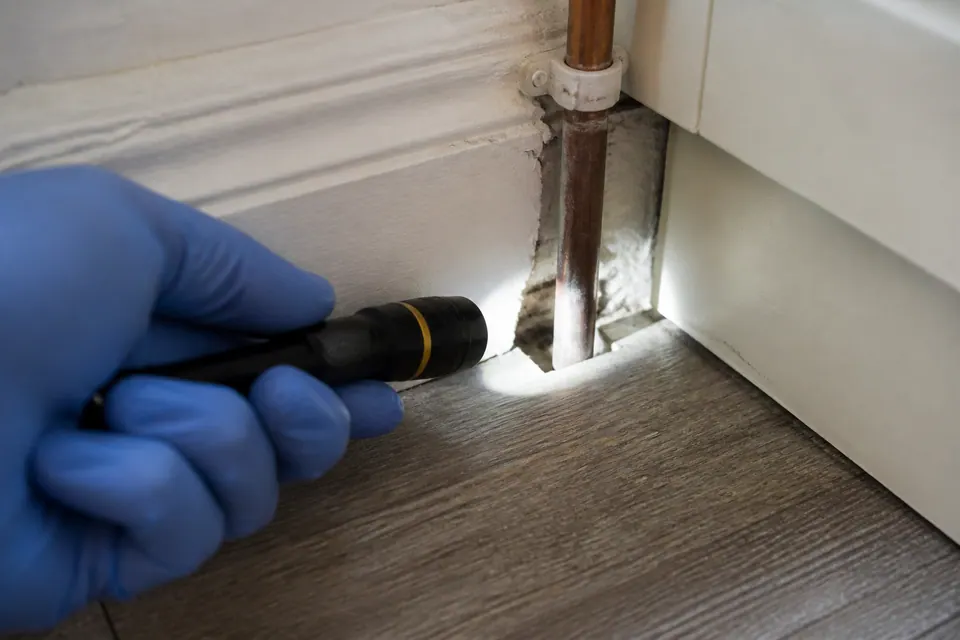
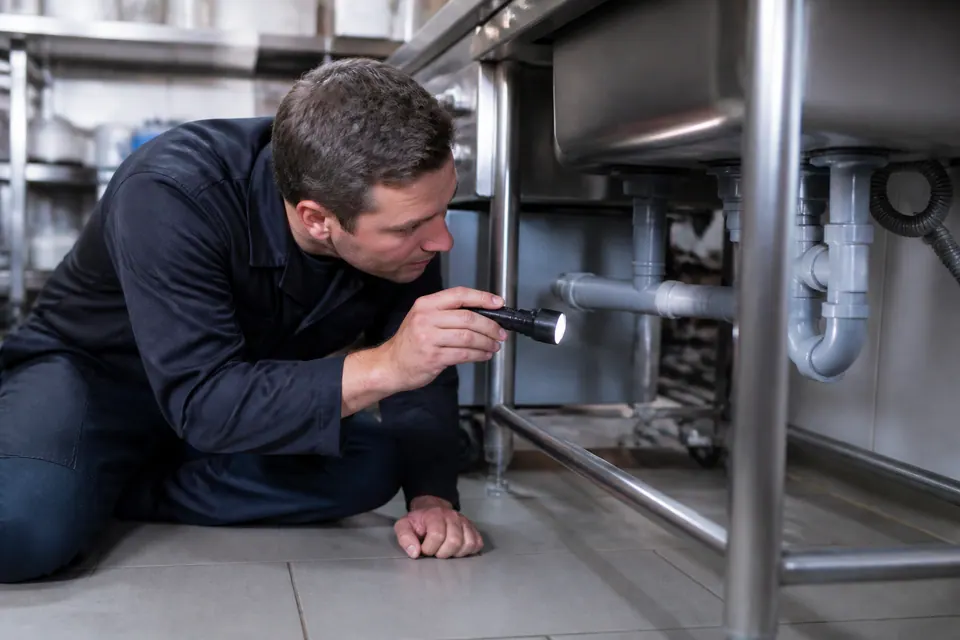
Illustrations depict a general process, not verified treatment results from a Windsor guest room.
ADDRESS AND AVAILABILITY
Use the precise postcode and describe the premises use when enquiring.
The map gives location context; it does not confirm a commercial service or a particular appointment.
Open Windsor in Google Maps ↗13 / CLEAR EXPECTATIONS
A description should separate visible signs from symptoms.
Recent use does not prove the source of a pest.
Preparation and room return must follow the agreed method.
WINDSOR / QUESTIONS
No. Physical evidence and assessment are needed for identification.
Do not relocate suspect furniture without specific advice.
No. Explain timing without assigning origin or responsibility.
Only rely on the actual instructions and confirmed arrangements, not an assumed deadline.
Do not assume that; check business suitability separately.
Describe its location and follow preparation guidance rather than moving it speculatively.
Yes, but identify them as a separate finding.
Explain how it is used and when signs were noticed.
Replacement or disposal is not assumed part of pest work.
Describe new physical findings and their exact locations, following the agreed review process.
15 / TAKE THE NEXT STEP
Explain the evidence, room use and intended dates so the appropriate next step can be considered.
