
Mice
Reported droppings or packet damage.
Mice controlPEST CONTROL / BOREHAMWOOD
A remote booking still needs
a reliable account from the property.
If you are arranging help for someone else, obtain the room, date and description from the observer. Keep that account intact and confirm who will provide access and receive preparation instructions at the home.
01 / START WITH THE EVIDENCE
A forwarded message can start an enquiry without establishing a definite pest.
Reported droppings or packet damage.
Mice controlPossible rodent evidence at a named location.
Rats controlPhysical traces around sleeping furniture.
Bed bug treatmentRepeated kitchen insect observations.
Cockroaches controlFor possible mice, retain the observer’s storage reference and distinguish an actual sighting from damage.
A rat concern should include the original location and any independent exterior observations, not only a second-hand species label.
For bed bugs, request the physical bedroom account; symptoms relayed remotely cannot settle identification.
Recurring appliance insects need dates and any products used by the person occupying the home.
BOREHAMWOOD / PROPERTY CONTEXT
Confirm coverage for the full property postcode, not the remote organiser’s address. A location page does not establish an accepted visit.
Ask the person on site to distinguish what they saw from what they suspect. Retain that uncertainty when passing the message on.
A photograph can help when safely obtained, but it needs a room and date. An unlabeled image should not become the whole property brief.
Preparation and aftercare must reach the home. The person paying or arranging the visit may not be the person expected to follow those instructions.
03 / OBSERVATION CHECKLIST
Keep the source and location with each observation.
Do not ask an occupant to disturb suspect waste or unknown nests for photographs.
Droppings or tracks need the original room reference.
Scratching needs the time and position where heard.
Damaged packaging should be linked to its stored location.
Bed-frame spotting or shed material is distinct from a report of skin irritation.
Recurring appliance insects need dates and product-use history.
Exterior movement or nesting material should be safely observed and checked for suitability if unknown.
04 / AT A GLANCE
05 / PROPERTY BRIEF
The person living there should supply the actual signs and practical needs.
Clarify the contact who can admit the technician and the person approving scope.
Explain how authorised entry will work; an address alone does not provide access.
Private-room permissions remain relevant even when someone else arranges payment.
Commercial suitability needs confirmation rather than inference from residential information.
Check the premises requirements06 / SIGNS → LOCATION → NEXT STEP
| Pest problem | Signs to describe | Areas to mention | Next step |
|---|---|---|---|
| Mice | Reported cupboard droppings | Observer’s named storage area | Forward room and date |
| Rats | Possible rodent evidence | Original indoor or exterior location | Keep the source attributed |
| Bed bugs | Physical marks at a bed | Specific sleeping room | Distinguish evidence from symptoms |
| Cockroaches | Recurring appliance insect | Named equipment | Obtain dates and previous-product details |
07 / SCOPE BEFORE A QUOTE
The remote organiser should understand the included areas and exclusions before authorising work. Do not relay a starting guide as a fixed accepted quotation.
from £120
See published service pricingfrom £150
See published service pricing| Service | Pricing basis | Price |
|---|---|---|
| Mice control | Activity, access and programme | Quote after assessment |
| Rat control | Internal / external routes and visits | Quote after assessment |
| Proofing / repairs | Surveyed openings and separate work | Quoted separately |
Guides checked 27 August 2026. Confirm property coverage, final scope and arrangements for approving any changes.
08 / THE CONTROL PLAN
The person arranging payment and the person using the rooms may need different information.
The assessment uses accessible findings and the direct account, with limits acknowledged.
The proposed method and scope require agreement while preparation reaches the occupant.
Review instructions should remain available to the person who can observe later activity.
09 / FROM FIRST CONTACT
Make the communication chain explicit.

Collect the postcode and first-hand room account.
Arrange a suitable adult for authorised entry.
Confirm the scope and a reachable decision-maker.
Send the exact preparation to the property contact.
Ensure the handover guidance reaches the occupant.
Route separate recommendations to whoever can arrange them.
10 / PROBLEM → TREATMENT → CONTROL
The occupant’s later findings should inform review. Payment or attendance alone does not establish that all activity has ended.
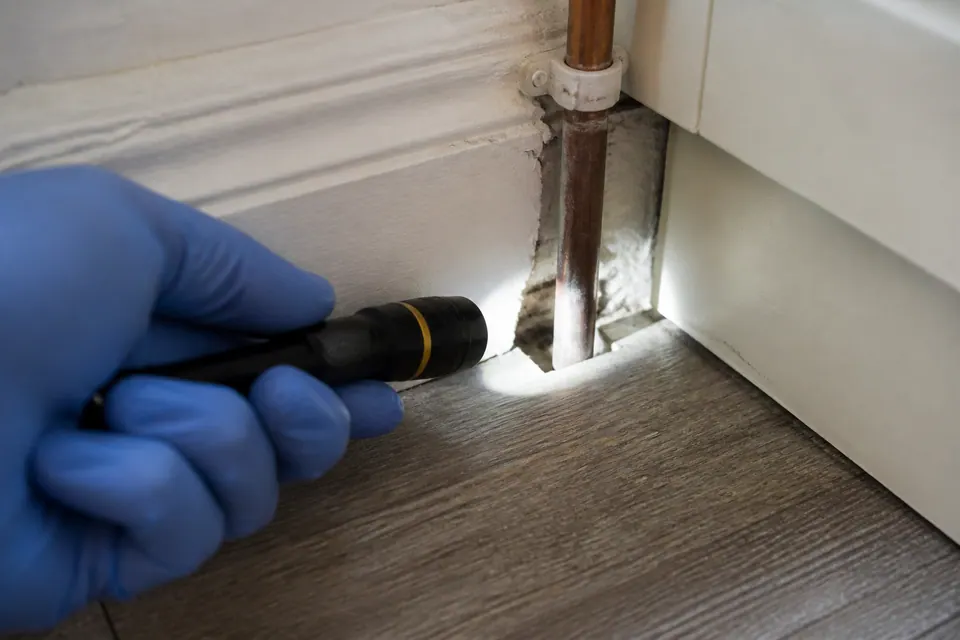
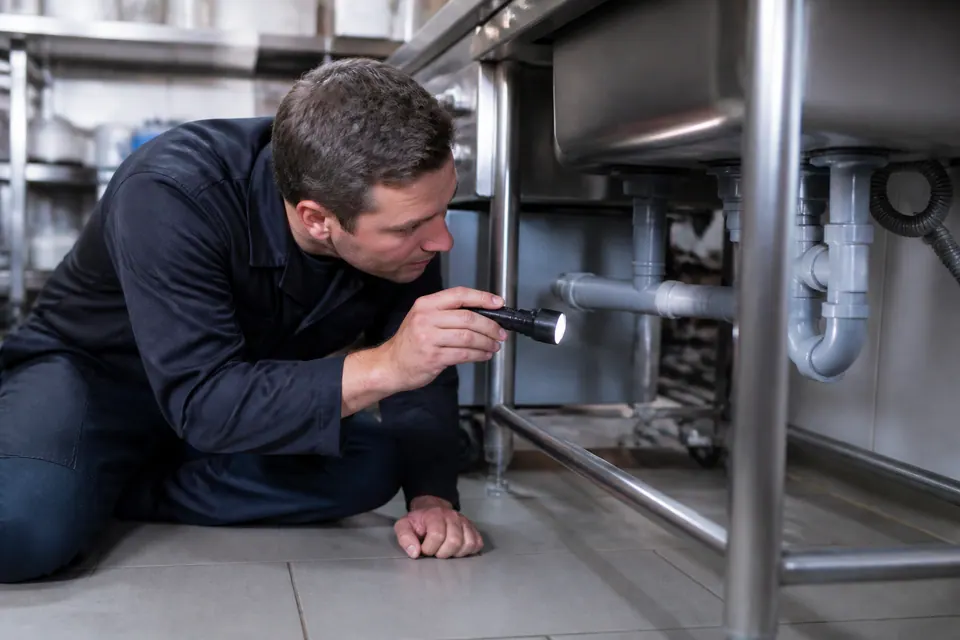
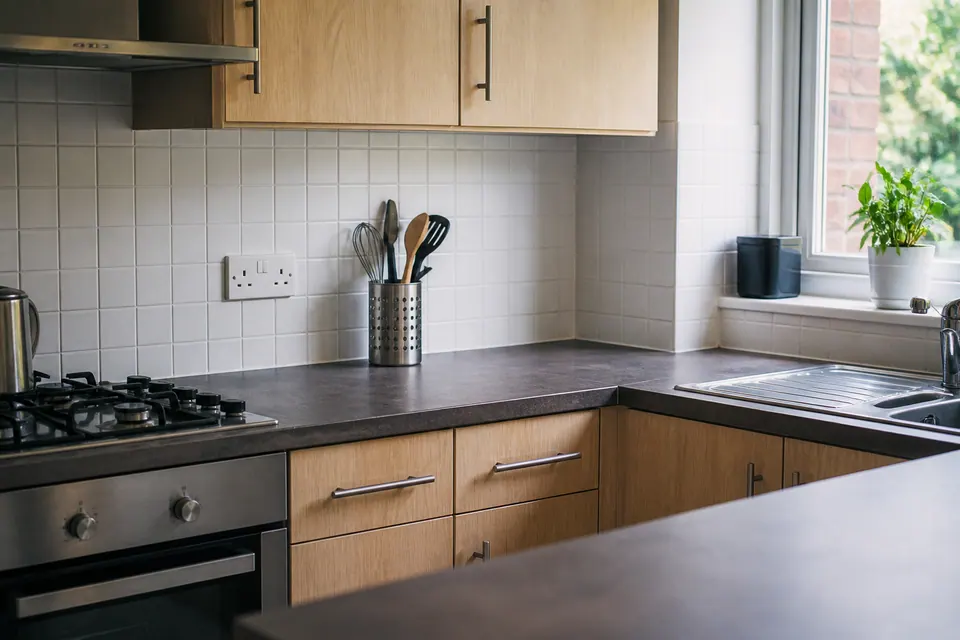
These illustrative scenes do not document a Borehamwood customer appointment or outcome.
MAKE THE ENQUIRY SPECIFIC
Attribute the account instead of presenting it as a direct inspection.
Ask for the discovery context without inventing one.
Confirm the authorised entry arrangement in advance.
Pass the guidance to the occupant expected to follow it.
ADDRESS AND AVAILABILITY
Supply the complete postcode for the home needing assessment.
Coverage and availability need confirmation. Identify the person admitting the technician and any separate entry information.
Open Borehamwood in Google Maps ↗13 / CLEAR EXPECTATIONS
A relayed report should remain attributed.
An off-site organiser must still arrange authorised entry.
Practical guidance needs to reach the home.
BOREHAMWOOD / QUESTIONS
Yes, with an accurate account and appropriate access arrangements.
Preserve what was observed and state uncertainty instead of assigning a diagnosis.
The property needing assessment, not your own address if different.
It can support the enquiry when accompanied by room and date.
No. Access and scope still need agreement.
The people expected to prepare and occupy the home.
Resolve the entry arrangement before assuming attendance can proceed.
No. The findings and programme determine review and further work.
The direct observer can provide the most useful dated details.
Yes. Include available product names, dates and treated areas.
15 / TAKE THE NEXT STEP
Check coverage using the home’s postcode and direct observations. Agree access and make sure the property receives the practical guidance.
