
Inside location
Name the room and specific surface where the sign appeared.
PEST CONTROL / LIMEHOUSE
Apartment balconies and indoor evidence.
Start with a clear account.
An outside observation on a balcony should not be treated as proof of an indoor problem. Explain what was seen on each side of the door and whether any repeated household signs exist.
LIMEHOUSE / PROPERTY CONTEXT
A finding beside a balcony door can invite a quick theory about entry. Record its exact side and position before deciding what the layout means.
Confirm the Limehouse postcode and appropriate service directly. This guide does not establish that every exterior animal or balcony task is within scope.
Describe independent household signs, including where none have been noticed. A concern outdoors should not be rewritten as an observed indoor infestation.
Mention balcony access restrictions and responsible contacts. Do not lean over edges or enter unsafe positions to obtain more evidence.
03 / OBSERVATION CHECKLIST
Keep the description based on visible evidence rather than an assumed route through the door.
Do not disturb exterior material or approach unsafe balcony edges to inspect a suspected source.
Name the room and specific surface where the sign appeared.
Describe the sighting from your safe viewing point, qualifying anything unclear.
Report a visible defect as a feature, not proof that a pest used it.
Give a new date for a separate event rather than counting repeated looks at unchanged material.
Explain access limits or shared control before any outside assessment is discussed.
Keep kitchen or bedroom evidence under its own location and date.
06 / SIGNS → LOCATION → NEXT STEP
| Pest problem | Signs to describe | Areas to mention | Next step |
|---|---|---|---|
| Mice | Suspected storage damage indoors | Named household cupboard | Assess the finding without assuming a balcony origin |
| Rats | An animal observed outside | Safe viewing point and exact visible position | Check identification and suitability before a wider proposal |
| Bed bugs | Physical signs near a bed | Independent resting-area evidence | Keep separate from exterior sightings |
| Cockroaches | Insects beside a door or fitting | Inside or outside side stated clearly | Record repeats and prior products without inventing a route |
08 / THE CONTROL PLAN
An evidence-led enquiry can consider exterior context without promising a treatment for every outside observation.
Each finding retains its side of the doorway and date, including uncertainty about the animal.
Scope and access are discussed before any outside work is treated as part of the residential proposal.
Later indoor signs or separate exterior sightings should follow the review guidance rather than be merged into one undated concern.
09 / FROM FIRST CONTACT
These steps clarify the concern, not a guaranteed route diagnosis or a commitment to exterior treatment.

Record what remained visible without investigating unsafe edges or restricted space.
Name any household findings independently and say when there are none.
Describe defects or layout as context rather than established cause.
Ask whether the relevant service and outside requirement can be considered at the address.
Do not substitute balcony clearing or repairs for the booking’s actual preparation.
Retain the location side and date when reporting later activity.
01 / START WITH THE EVIDENCE
An exterior sighting can be relevant context without establishing a pest problem inside the apartment.
Possible damage in indoor food storage.
Mice controlAn animal noticed on or beyond the balcony.
Rats controlPhysical marks around household sleeping furniture.
Bed bug treatmentInsects seen at an identifiable inside or outside position.
Cockroaches controlName the cupboard and actual sign. Do not assign the balcony as the source without supporting assessment.
Describe only what you saw from a safe position. An uncertain animal or exterior location may require a suitability check.
Keep resting-area evidence separate; a balcony observation does not diagnose bed bugs indoors.
State which side of the door and whether sightings repeat. The doorway itself is not automatically the route.
07 / SCOPE BEFORE A QUOTE
A Limehouse price should identify the work actually suitable and agreed, not imply every balcony concern is included.
from £120
See published service pricingfrom £150
See published service pricing| Service | Pricing basis | Price |
|---|---|---|
| Mice control | Activity, access and programme | Quote after assessment |
| Rat control | Internal / external routes and visits | Quote after assessment |
| Proofing / repairs | Surveyed openings and separate work | Quoted separately |
Confirm service boundaries and inclusions directly. Published guides checked 27 August 2026; maintenance, exterior access and other tasks are not automatically included.
05 / PROPERTY BRIEF
Keep the affected rooms specific so they can be assessed independently of the exterior account.
Say when no household evidence has been observed instead of extending the sighting indoors.
Explain the limit before any proposal; safe access cannot be assumed from the presence of a door.
Describe the visible issue and separate repair plans without naming it a confirmed entry point.
Disclose people and animals relevant to the method and access arrangements.
Discuss your homeCheck suitability separately; residential guides do not confirm commercial or every exterior service.
Check the premises requirements04 / AT A GLANCE
MAKE THE ENQUIRY SPECIFIC
State what has actually been observed indoors instead of assuming it.
Keep the position as a reference; cause requires more than proximity.
Appearance or a short quiet period is not a universal clearance finding.
Check suitability, scope and safe access before expecting outside work.
10 / PROBLEM → TREATMENT → CONTROL
Clearing can change appearance without answering whether separate household activity exists. Review needs the findings actually considered.
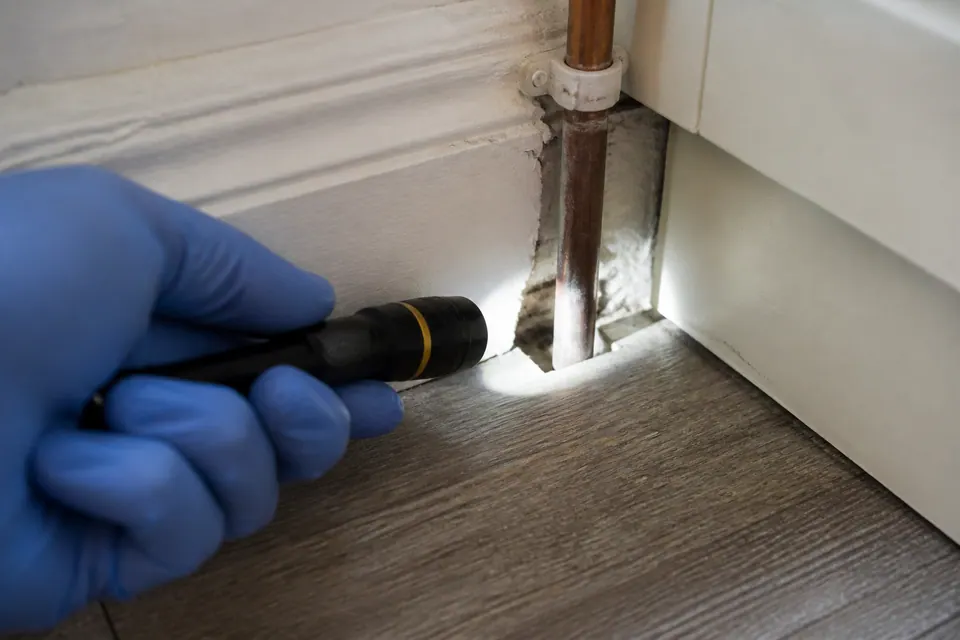
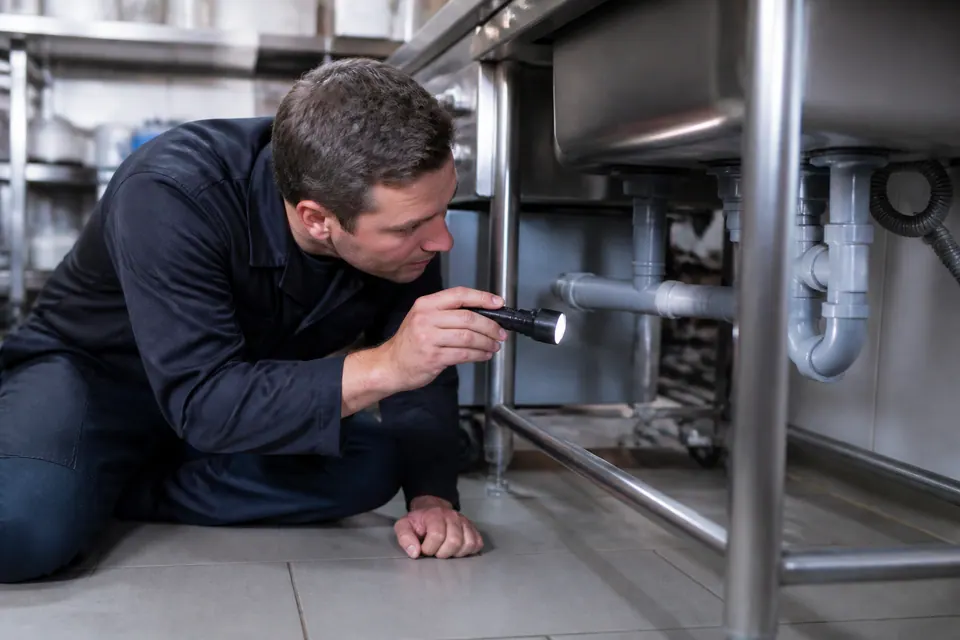
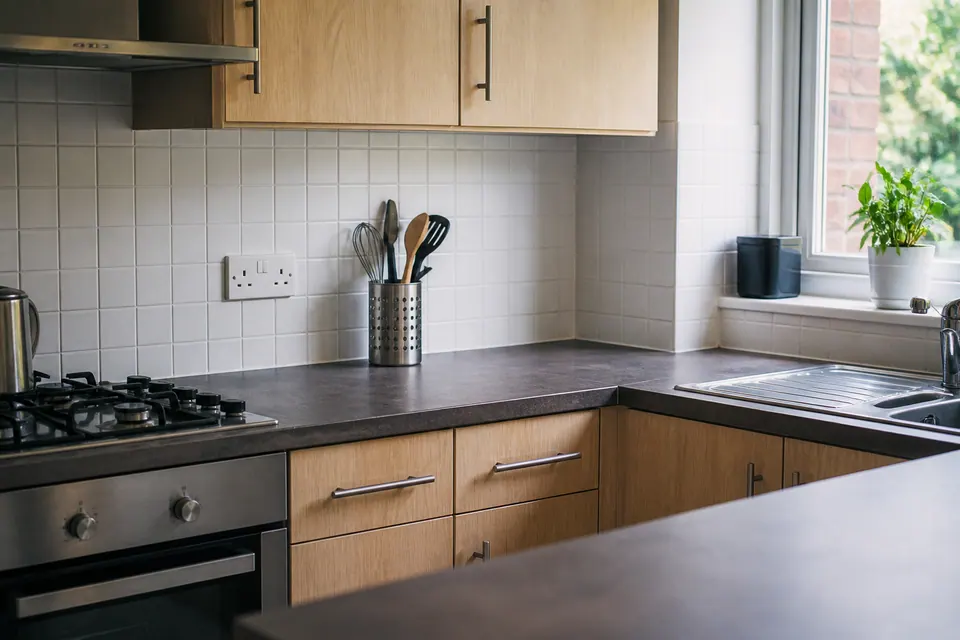
Illustrations are not Limehouse balcony records or evidence of a customer treatment outcome.
ADDRESS AND AVAILABILITY
Check the postcode and service, then describe the actual household and exterior observations separately.
The area map cannot establish safe balcony access, suitability for an animal or an appointment.
Open Limehouse in Google Maps ↗13 / CLEAR EXPECTATIONS
An outside observation should not become a claim about rooms where no signs were found.
A visible feature is not proof of how a pest entered.
Suitability and access need explicit discussion rather than extrapolation from domestic guides.
LIMEHOUSE / QUESTIONS
Yes, because inside and outside observations are different parts of the account.
Not automatically. Describe any independent indoor evidence and check the appropriate service.
Describe the gap without treating its role as confirmed by appearance.
Keep the identification uncertain and ask whether the relevant service can help.
Do not take unsafe positions to improve the report. Use what can be observed safely.
No automatic inclusion applies; suitability and scope require confirmation.
Keep them tied to their actual resting area rather than the outside sighting.
Yes, as separate maintenance information rather than an assumed pest-control solution.
Yes, to check the address and relevant service availability directly.
Retain its date and side of the door, separate from earlier unchanged material.
15 / TAKE THE NEXT STEP
Describe the safe exterior observation and any independent household signs, then check the service that fits the actual concern.
