
Mice
Scratching reported with separate suspected storage damage.
Mice controlPEST CONTROL / MUSWELL HILL
Sounds between floors.
Start with a clear account.
Noise heard between levels needs a precise account rather than a species label. Explain where it is most audible and any separate physical signs, leaving structural investigation outside the assumed booking.
01 / START WITH THE EVIDENCE
Describe the sound and any independent physical findings. Hearing movement alone does not identify an animal.
Scratching reported with separate suspected storage damage.
Mice controlRepeated movement perceived beyond an accessible room.
Rats controlPhysical bedroom evidence unrelated to a noise diagnosis.
Bed bug treatmentVisible insects reported independently of hidden sounds.
Cockroaches controlGive the place and date of any damage as a separate observation. Do not use it to fill gaps in an uncertain noise account.
Describe the direction and timing without assuming the space contains rats. Structural investigation is not automatically part of a pest enquiry.
Bed bug concerns require appropriate physical evidence around resting places; an unexplained ceiling noise is not a diagnosis.
Describe actual insects where they were seen. A sound elsewhere in the property does not establish that the two concerns share a cause.
MUSWELL HILL / PROPERTY CONTEXT
A noise perceived above a room can leave its precise position uncertain. Record the listening point rather than presenting an unseen cavity as an inspected location.
Check the Muswell Hill address and suitable service directly before arranging attendance. This guide does not confirm coverage or the cause of the sound.
Name the room above or below if known, but distinguish the layout from the observation. A shared partition does not establish which side contains activity.
Explain any physical evidence independently, including where none has been noticed. An honest account can remain inconclusive without being padded with a species guess.
03 / OBSERVATION CHECKLIST
A short factual record is more useful than a confident label attached to an unseen source.
Do not lift floors or enter concealed spaces to follow the sound. Describe the limitation for assessment.
State the room and your position, especially if the sound seems different from another part of the home.
Use qualified wording where the source cannot be located. “Seems above the cupboard” is not the same as verified activity there.
Note whether occurrences were separate and whether timing repeats. Avoid inventing a regular pattern from one event.
Record what you actually heard without claiming a precise duration if it was not timed.
Mention relevant building or equipment events you know about, without declaring them the explanation.
Keep marks, damage or sightings under their own locations and dates rather than merging them with the noise automatically.
04 / AT A GLANCE
05 / PROPERTY BRIEF
Name both rooms for orientation while keeping the actual listening location clear.
Describe which boundary is shared without claiming the neighbouring property caused the concern.
State the access limitation. A pest assessment does not automatically include opening the ceiling.
Mention the unit’s position if it affects how the sound is perceived or what can be reached.
Explain the people and pets relevant to a proposed method before preparations are agreed.
Discuss your homeKeep that use separate and ask about suitability; residential work does not confirm commercial provision.
Check the premises requirements06 / SIGNS → LOCATION → NEXT STEP
| Pest problem | Signs to describe | Areas to mention | Next step |
|---|---|---|---|
| Mice | Noise plus independently noticed material damage | Listening room and damage position separately | Ask what accessible assessment can establish |
| Rats | Repeated movement without a direct sighting | Qualified direction beyond the room | Avoid naming the species before supporting evidence |
| Bed bugs | Physical marks near sleeping furniture | Resting-area finding independent of the sound | Discuss the bedroom concern on its own evidence |
| Cockroaches | An insect sighting elsewhere in the home | Exact visible location and date | Do not assume it explains concealed noises |
07 / SCOPE BEFORE A QUOTE
A Muswell Hill enquiry about an unseen source cannot be priced reliably by choosing a species from the sound alone.
from £120
See published service pricingfrom £150
See published service pricing| Service | Pricing basis | Price |
|---|---|---|
| Mice control | Activity, access and programme | Quote after assessment |
| Rat control | Internal / external routes and visits | Quote after assessment |
| Proofing / repairs | Surveyed openings and separate work | Quoted separately |
Confirm the proposed investigation boundaries and price directly. Guides checked 27 August 2026; structural openings, repairs and additional specialist work are not automatic inclusions.
08 / THE CONTROL PLAN
An unresolved noise should not be turned into a treatment programme through repetition of an untested species label.
The account captures where and when the concern is heard, together with genuinely separate physical findings.
Inspection considers what can appropriately be checked. Areas beyond safe access remain limitations, not confirmed pest locations.
Further information may change the next step. Monitoring or another specialist question should not be concealed behind a promise of instant resolution.
09 / FROM FIRST CONTACT
This sequence explains how to handle uncertainty, not a fixed method for every noise between floors.

Give the date, room and perceived direction without claiming an unseen species.
Name relevant rooms or partitions for orientation, not as proof of a route.
Keep damage or sightings under their actual positions so they can be considered independently.
Ask what the proposed service can examine and what remains outside its safe scope.
If identification is unresolved, retain that limitation. Treatment should not be chosen merely to match an initial guess.
Repairs or opening the fabric require their own agreement and appropriate arrangements. They are not assumed within pest attendance.
10 / PROBLEM → TREATMENT → CONTROL
An interval without noise does not by itself explain the original cause or establish the condition of inaccessible areas. Review the actual evidence.
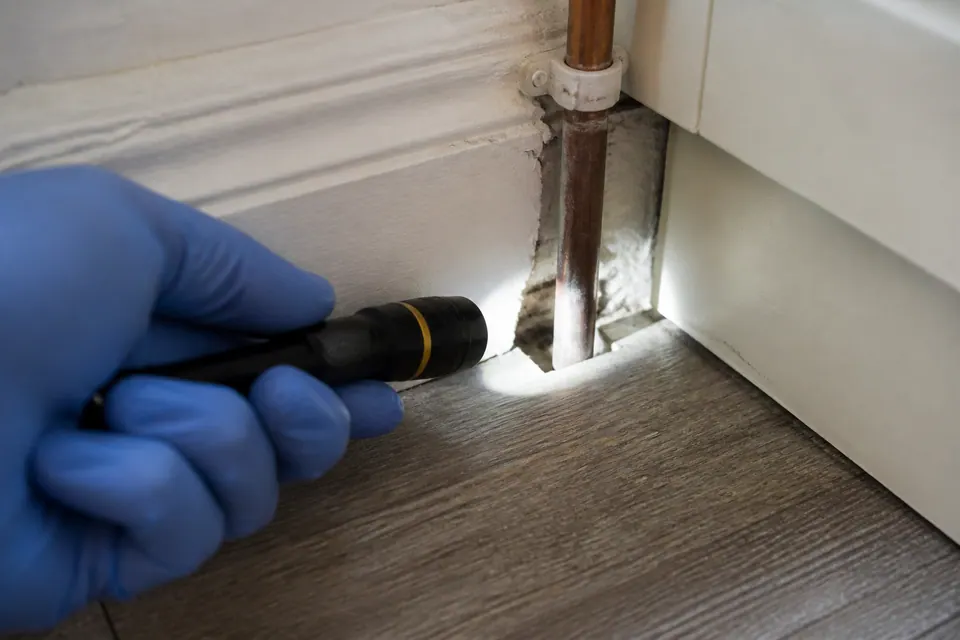
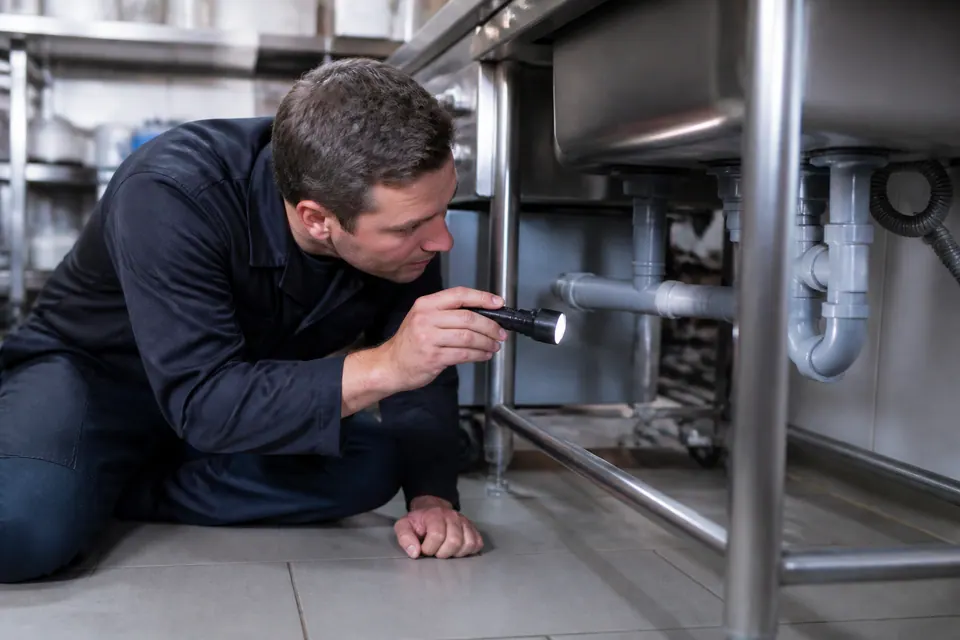
Illustrations do not identify a Muswell Hill sound source or demonstrate a customer treatment outcome.
MAKE THE ENQUIRY SPECIFIC
Explain where it seems to come from and what has actually been accessed. Perceived direction is not inspection.
Keep the shared boundary as layout information. It does not establish origin or responsibility.
Record the quiet interval without treating it as a complete diagnosis or clearance finding.
Give the packet its own location and date. Its connection to the sound still requires assessment.
ADDRESS AND AVAILABILITY
Check the postcode and relevant service, then describe the room from which the concern is heard.
The area map provides context only; it cannot locate a hidden source or confirm an appointment.
Open Muswell Hill in Google Maps ↗13 / CLEAR EXPECTATIONS
The explanation should distinguish perceived movement from physical evidence of an identified pest.
Accessible inspection should not be described as automatically including floor or ceiling removal.
Shared walls and nearby rooms are context, not proof about another property.
MUSWELL HILL / QUESTIONS
Not by itself. Describe the sound and separate physical observations without making the species certain.
Keep both listening positions and times; they may help explain perception without establishing the precise source.
Do not open the structure to investigate for the enquiry. Discuss accessible assessment and its limitations.
Describe the layout, but inclusion and permission require discussion rather than an assumption.
Yes, clearly marked as approximate if necessary. Do not turn an estimate into a precise measured pattern.
Say so. An incomplete but accurate account is preferable to invented supporting evidence.
Yes, under its actual position and date, without assuming it explains the noise.
It is useful information but not a universal clearance test or explanation of the earlier sound.
Describe the boundary without attributing the problem to a neighbour. Appropriate access remains a separate question.
No automatic repair scope should be inferred. Building work needs separate agreement and suitable arrangements.
15 / TAKE THE NEXT STEP
Bring a factual listening record and any independent physical findings. Ask what can be assessed before selecting treatment or opening the building fabric.
