
A cupboard within the dwelling
Explain which occupants use it and whether evidence also appears elsewhere inside the home.
PEST CONTROL / NEW MALDEN
A home with shared storage arrangements.
Separate the finding from the ownership question.
Storage used by more than one household can blur the boundary of a residential enquiry. Explain who uses the space and where the signs are located before including it in a proposed visit.
04 / AT A GLANCE
05 / PROPERTY BRIEF
Explain which occupants use it and whether evidence also appears elsewhere inside the home.
Identify the responsible building contact and the limits of a resident’s own booking authority.
State whether it is attached or detached, how it is accessed and whether there are separate indoor findings.
Keep its history factual. Unknown provenance is not evidence that the object caused the problem.
Describe people and animals who may enter the area so instructions reach everyone affected.
Discuss your homeCheck suitability directly rather than treating business storage as an automatic part of residential pest work. Documentation or commercial coverage is not presumed.
Check the premises requirements01 / START WITH THE EVIDENCE
The fact that several people use a store does not identify a pest or establish who introduced it.
Chewing or suspected droppings near stored items.
Mice controlA larger animal observed outside or within a structure.
Rats controlPhysical traces around sleeping furniture or its joints.
Bed bug treatmentInsects repeatedly appearing beside fittings.
Cockroaches controlDescribe the object and its position without rummaging through other belongings. Include independent evidence from the dwelling if there is any.
A report from outside needs its own location and date. It should not automatically be attributed to the contents of a shared cupboard.
Explain where the furniture was used and stored, if known. Do not move it between homes to obtain a clearer inspection picture.
Mention the appliance or fitting nearest the sighting, any known moisture and products already used by other occupants.
NEW MALDEN / PROPERTY CONTEXT
Start by establishing which store is involved: a cupboard within a home, a communal room or a separate structure. The same street address can describe all three.
Access and permission are not identical. Someone may have a key but still need another person to approve work involving the entire storage area.
List findings by position, not by the owner of the nearest box. An object being nearby does not prove that it caused or carried the activity.
Confirm coverage for the address and explain any shared or non-residential use. A private home appointment should not silently become a programme for everyone using the store.
07 / SCOPE BEFORE A QUOTE
A price for one household does not automatically cover all shared storage. Define the spaces, access and authorised work before comparing starting figures.
from £120
See published service pricingfrom £150
See published service pricing| Service | Pricing basis | Price |
|---|---|---|
| Mice control | Activity, access and programme | Quote after assessment |
| Rat control | Internal / external routes and visits | Quote after assessment |
| Proofing / repairs | Surveyed openings and separate work | Quoted separately |
Published guides checked 27 August 2026. Confirm the address, current price and included work. Moving goods, disposing of belongings and repairing storage structures require separate clarification.
03 / OBSERVATION CHECKLIST
Describe what can be seen safely without moving another household’s possessions or entering restricted space.
Avoid handling suspect waste, nests or contaminated items during the first enquiry.
Name the material and where it was resting. Damage alone cannot establish which animal or insect was responsible.
Record the surface and nearby fittings without collecting a sample. Mention if the area has already been cleaned.
Give the time and direction of a sound rather than attributing it to an unseen animal inside a particular box.
A furniture finding needs a description of the insect or physical traces. Skin irritation elsewhere does not identify the item as affected.
Note whether activity was seen repeatedly at the same spot. Several witnesses may have watched one incident rather than several events.
A garden or passage observation belongs in a separate record. A connection to the internal store remains a question for assessment.
06 / SIGNS → LOCATION → NEXT STEP
| Pest problem | Signs to describe | Areas to mention | Next step |
|---|---|---|---|
| Mice | Chewed material near stored objects | Original object position and accessible perimeter | Report the finding without handling contamination |
| Rats | A directly observed animal or larger traces | Inside or outside the structure, clearly identified | Keep separate buildings in separate entries |
| Bed bugs | Marks or insects on sleeping furniture | Furniture joints and the item’s known history | Seek identification before transferring the item |
| Cockroaches | Repeated insects beside equipment | A named fitting or storage recess | Tell the assessor about earlier product use |
MAKE THE ENQUIRY SPECIFIC
Identify who can authorise the proposed work as well as who can open the door. Those roles may not belong to the same person.
Record its earlier position if known. Do not infer that the new location is where activity started.
Explain the arrangement before adding it to a household quote. A postal connection does not define the whole service boundary.
Include that information in the report. Uncoordinated products or changes to the area can affect the assessment and instructions.
08 / THE CONTROL PLAN
Control decisions should follow the findings, not a dispute over the nearest stored item.
An assessment considers accessible signs and records limitations. It cannot establish the history of every object merely from its current position.
The method and working area are agreed for the identified problem and disclosed occupants. Unauthorised spaces are not silently added.
Fresh observations guide review. If storage changes or repairs are recommended, identify who can arrange them without confusing those tasks with treatment.
09 / FROM FIRST CONTACT
One nominated contact can coordinate information without replacing the consent or observations of others.

Give the postcode and explain whether the store is inside the home or separate from it.
Retain dates and witnesses so one event does not become several undated reports.
Explain who can approve work and provide keys to the agreed areas.
Make the booking instructions available to everyone using the storage space.
Report changes in contents or access alongside fresh findings, following the supplied monitoring guidance.
Clarify any further attendance and separately recommended clearance, maintenance or proofing.
10 / PROBLEM → TREATMENT → CONTROL
Moving belongings can change what is visible. A control decision should still be based on findings and the agreed review plan.
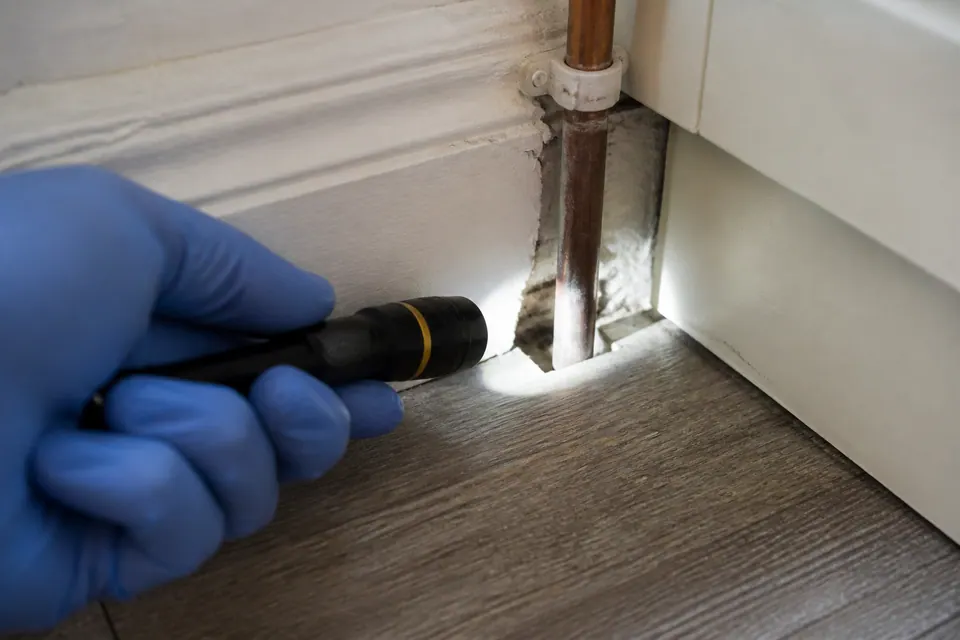
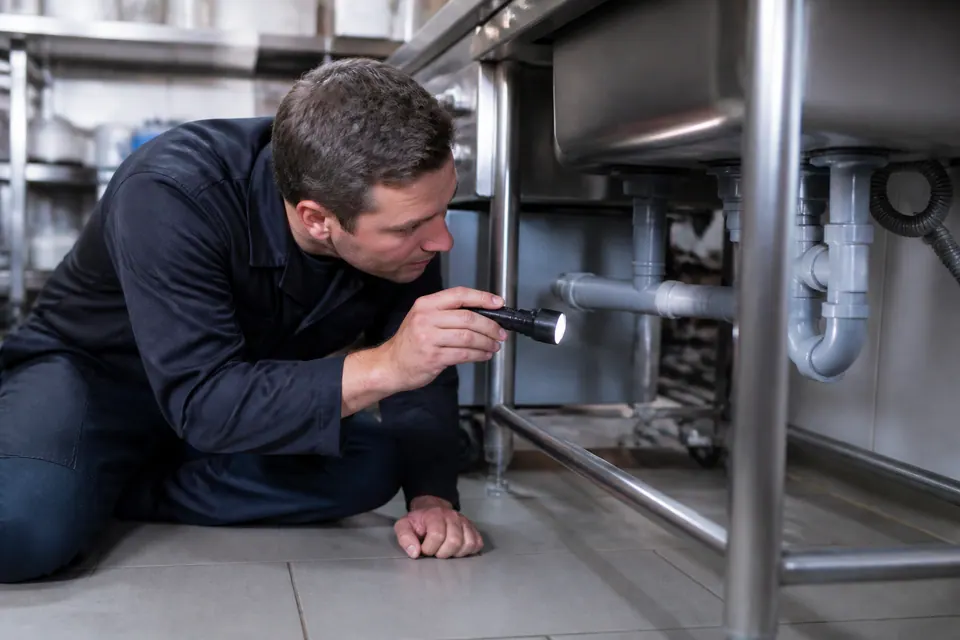
The illustrations show a general process, not the contents or outcome of a New Malden customer’s storage room.
13 / CLEAR EXPECTATIONS
The account should say what was found and where, without treating proximity to someone’s goods as proof of cause.
The proposed areas and the person approving work should be clear before intervention.
Preparation and later restrictions need to reach all relevant users, not only the person making the call.
ADDRESS AND AVAILABILITY
Give the full postcode and explain how the storage area relates to the dwelling.
Confirm coverage and access before arranging attendance. A communal door, separate building or management key should be described explicitly.
Open New Malden in Google Maps ↗NEW MALDEN / QUESTIONS
Explain the arrangement and confirm the necessary approval. An enquiry from one household does not automatically authorise work for every user.
No such conclusion should be drawn from position alone. Record the finding and leave the cause open to assessment.
Give the earlier locations and timing where known. Avoid presenting the present arrangement as the original scene.
Do not disturb suspect or other people’s possessions for the enquiry. Describe visible evidence and obtain appropriate preparation guidance.
A key provides access, not necessarily authority to commission all proposed work. Clarify the approval arrangements.
Provide the product information and date if available. The assessor needs an accurate account of changes already made.
Only if its inclusion is agreed. Describe the structure, evidence and access rather than assuming it is covered.
Disposal is not automatically part of pest treatment. Ask whether separate arrangements are needed before moving or discarding items.
Use one coordinated record while keeping each observation’s date, location and witness. This avoids counting the same incident repeatedly.
Tell the team about changes in contents or use. New circumstances may need to be considered alongside the original evidence and instructions.
15 / TAKE THE NEXT STEP
Start with the finding and the people who can provide access and approval. Confirm the available residential scope before reorganising the shared space.
