
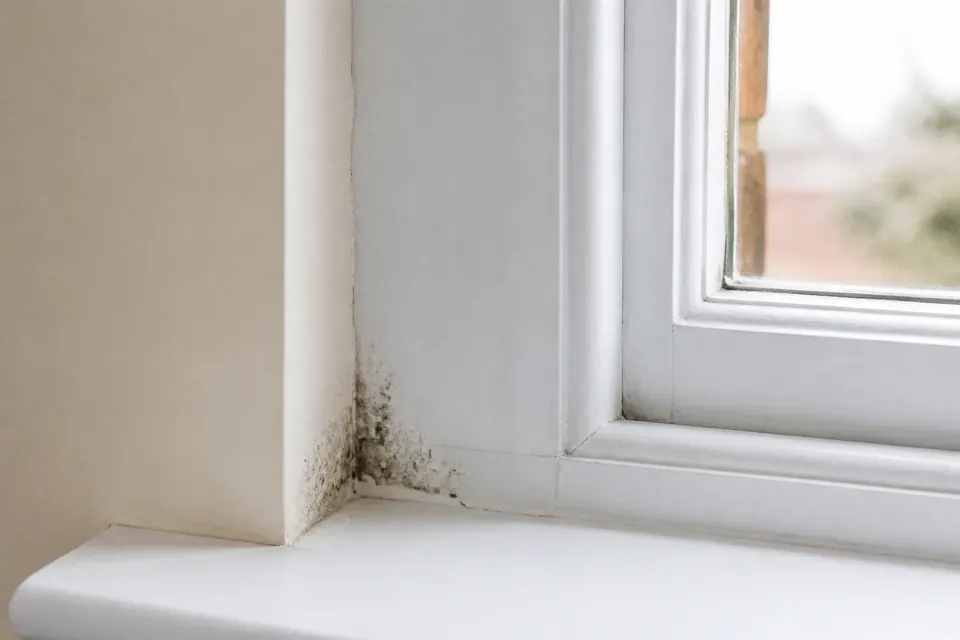
Look beyond the glass
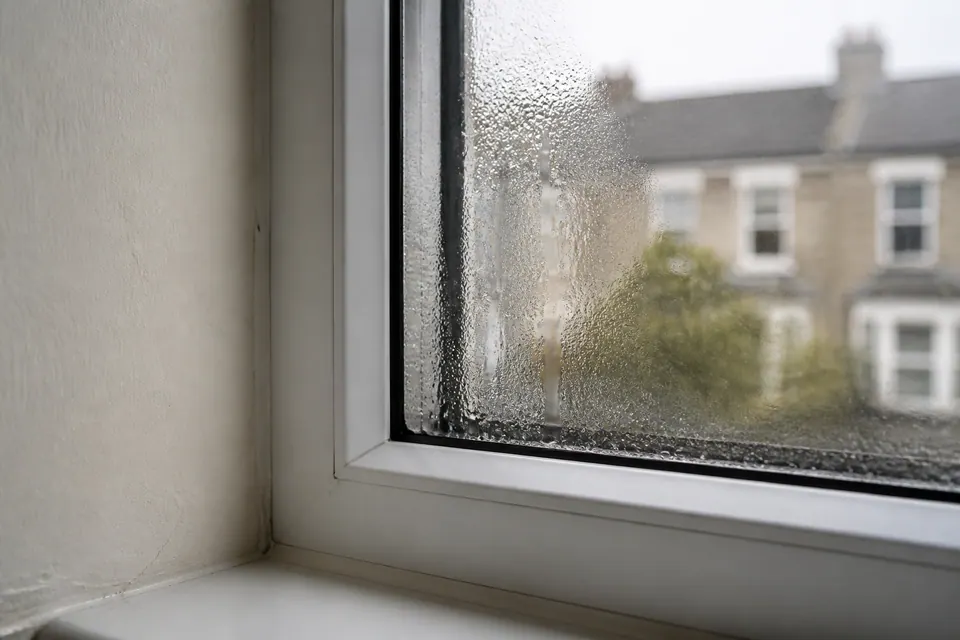
Note whether water collects on the pane, the reveal or the sill, and when the marks return. A window patch can have several moisture contributors; its position alone does not establish the cause.
WESTMINSTER / PROPERTY CONDITION
A visible patch is a starting point.
Understand the surface. Consider the moisture.
For a Westminster flat, a mark beside a sash window and a damp bathroom ceiling need more than the same cleaning instruction. Alesta reviews suitable affected surfaces, their condition and the history of moisture before agreeing treatment.
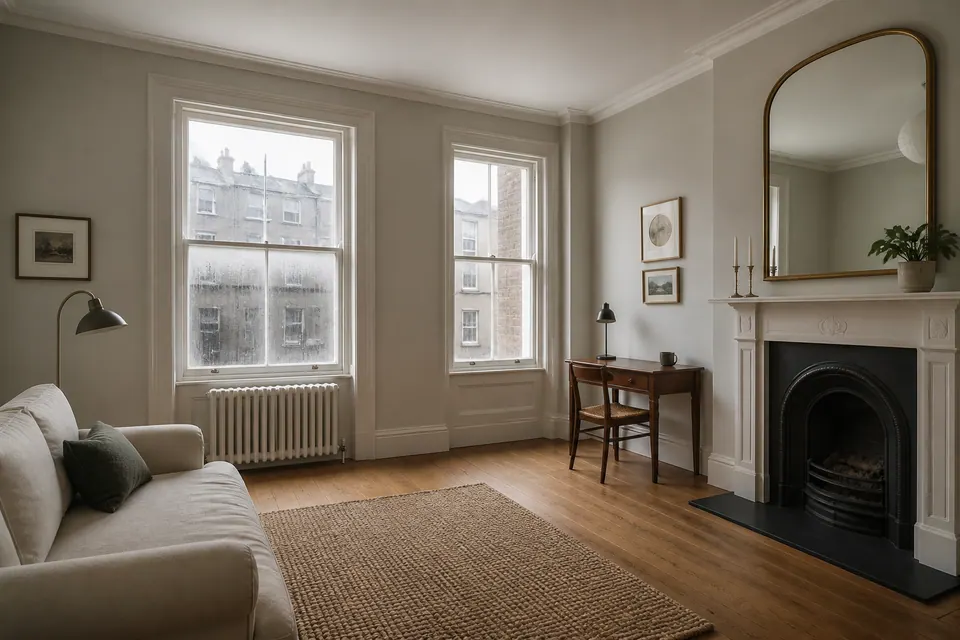
Where it appears · what it affects · whether it returns
01 / LOCATE THE ISSUE
Choose the closest setting for a useful starting point. This is enquiry guidance, not a diagnosis.
Note whether water collects on the pane, the reveal or the sill, and when the marks return. A window patch can have several moisture contributors; its position alone does not establish the cause.
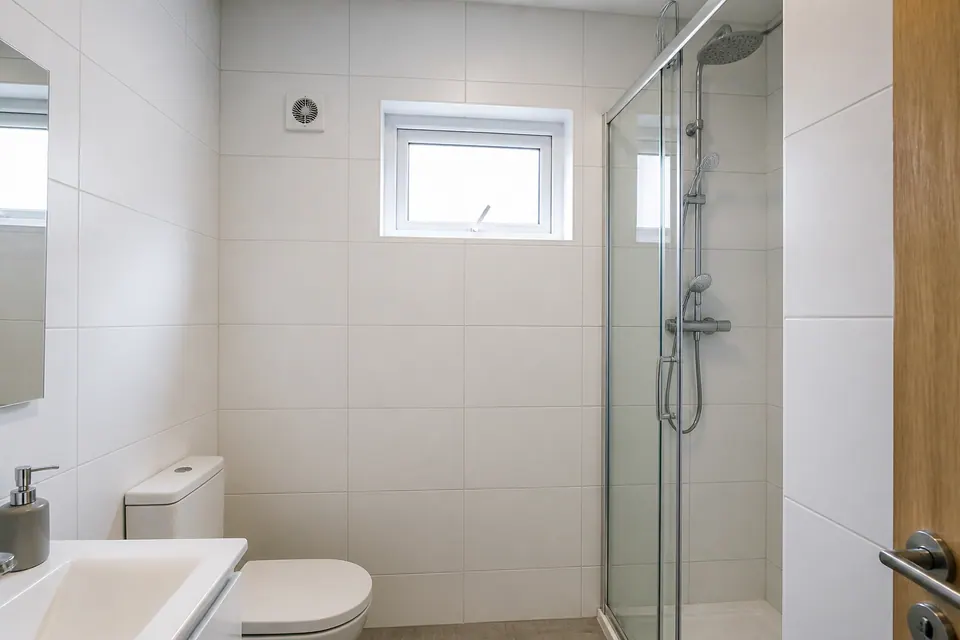
A wide photograph helps show the affected finish and its position relative to the shower, window and extractor. Say whether the area stays wet between uses.
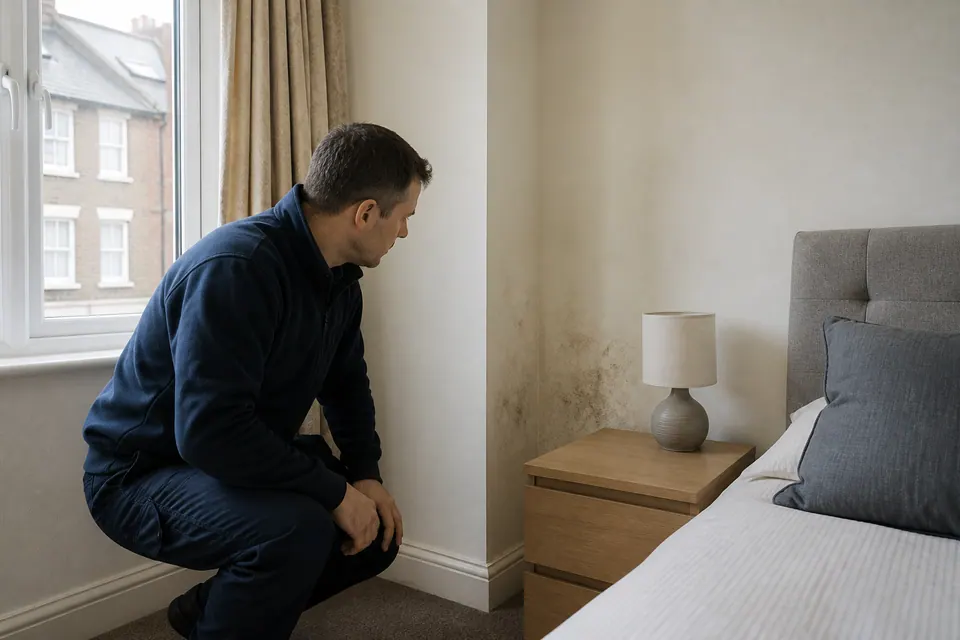
Mention furniture close to the affected surface and whether there is an exterior wall or window nearby. Do not move heavy or contaminated items before receiving preparation advice.
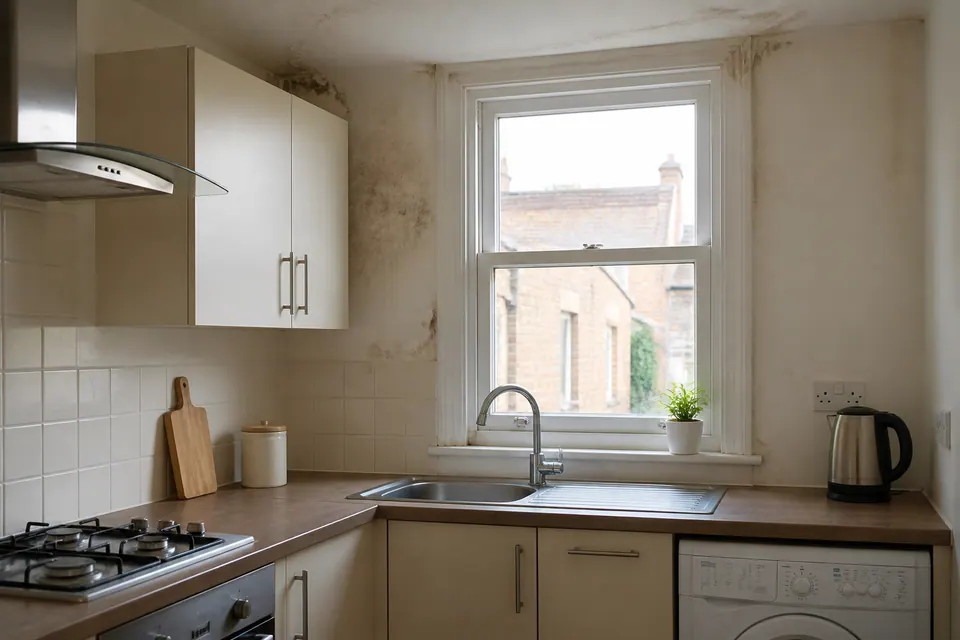
Say whether spotting is near a cooking area, pipework or an outside-facing wall. Report any known leak separately from the visible surface marks.
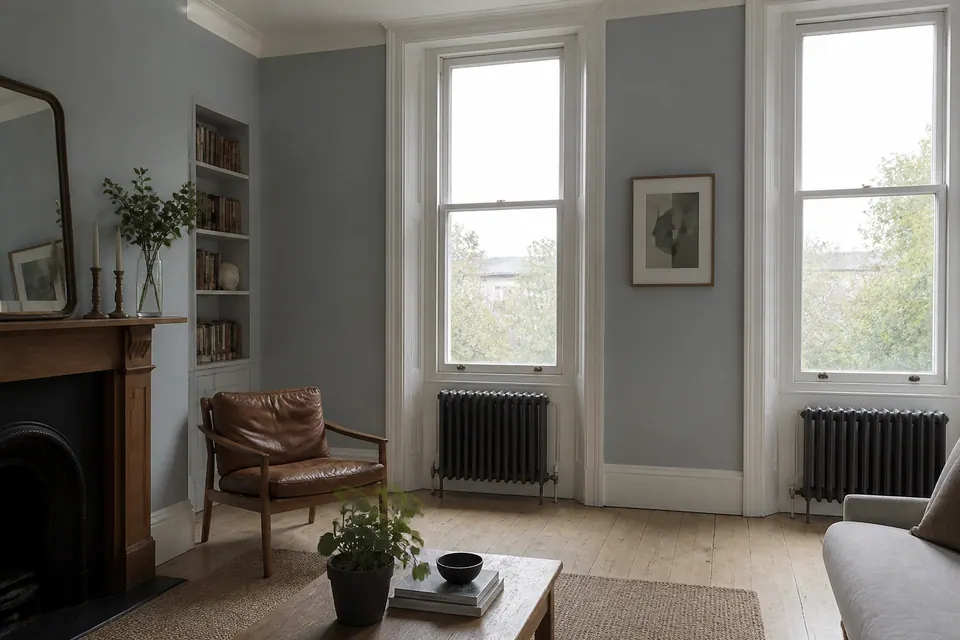
Include wall corners and nearby windows in the photograph. Describe staining or peeling finishes without assuming that every dark mark is mould.
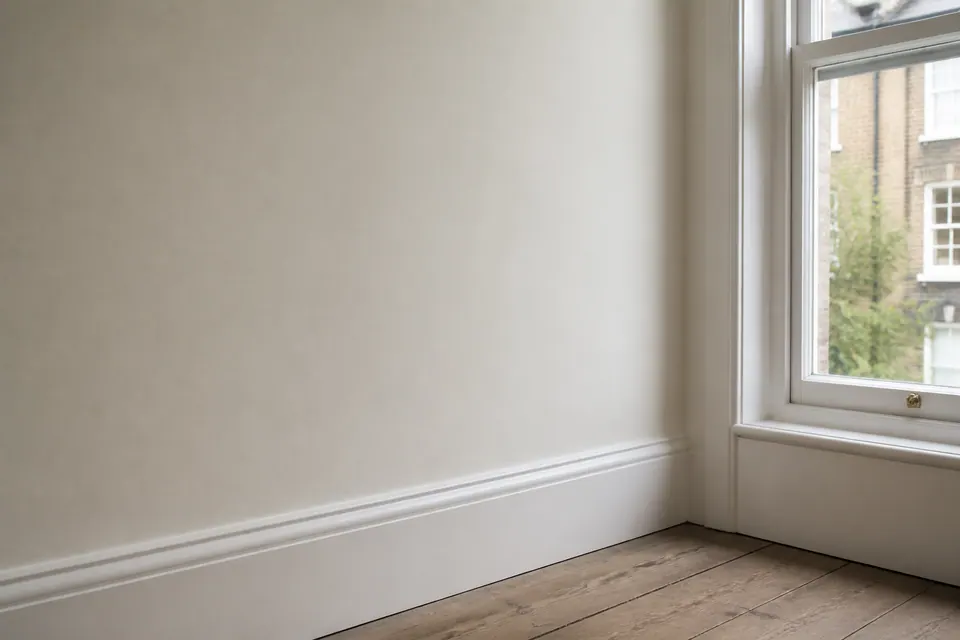
Paint, plaster, wallpaper and boards do not respond in the same way. Loose, softened or saturated material may need a different specialist scope rather than surface treatment.
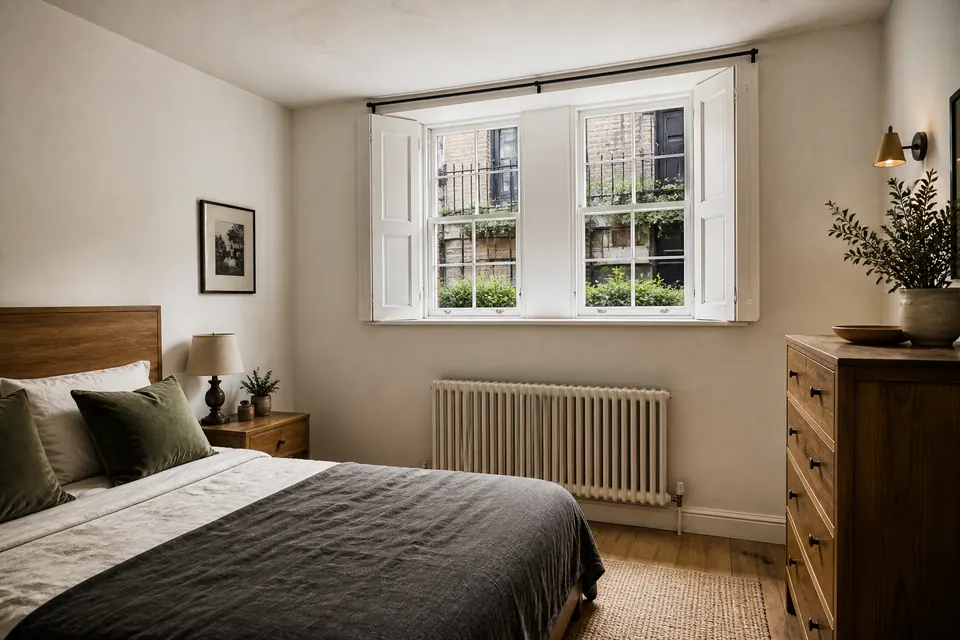
Tell us what can be reached and whether the space smells musty. Enclosed or concealed areas may need further assessment; a surface visit is not an investigation inside a wall.
Not every stain is mould. The appearance, surface and history need to be considered together.
02 / WESTMINSTER PROPERTY CONTEXT
A clear boundary makes the next step easier.
In a converted Westminster period property, the affected room may sit within a building managed by someone else. Describe the area inside your home and flag any known roof, pipework or common-parts issue separately. A treatment appointment is not permission to inspect or repair the rest of the building.
For compact bathrooms, explain the window and extraction arrangements. In lower-ground accommodation, give the room level and any history of incoming water rather than assuming that every patch has the same damp cause.
03 / SEPARATE THE QUESTIONS
A visible pattern helps frame the investigation; it does not establish the cause on its own.
| Visible issue | Possible contributing factor | What may need checking |
|---|---|---|
| Growth around a window | Condensation or moisture at the frame | Ventilation, surface temperature and the frame condition |
| Bathroom spotting | Repeated moisture or limited extraction | Drying between uses and ventilation performance |
| Wall staining after a water event | A leak or retained moisture | Repair status, material condition and drying |
| The same patch returning | A continuing moisture condition | Recurrence history and whether a separate investigation is needed |
Leak repairs, insulation changes, ventilation upgrades, damaged-material replacement and decoration are separate work unless explicitly agreed.
Related conditions, but not interchangeable terms.
| Question | Mould | Damp |
|---|---|---|
| What is it? | Fungal growth | An excess-moisture condition |
| What might you notice? | Spots, patches or visible growth | Moisture, staining or wet materials |
| How are they related? | Can develop where moisture persists | Can create conditions for mould growth |
| What is the next step? | Assess the affected surface and moisture context | Identify where the moisture is coming from |
04 / DIRECT ANSWERS
Small accessible areas are quoted from photographs. Multiple or recurring areas need assessment, while complex damp or damaged materials require a specialist quotation. There is no single fixed price for every room.
Painting is not a substitute for treating growth and considering its moisture context. Confirm the condition of the underlying surface before planning any redecoration.
Moisture may still be reaching the surface. Condensation, leaks and ventilation or building issues can contribute; the repeated pattern needs assessment rather than an assumed diagnosis.
The area, material, preparation and treatment stages determine the visit. Ask for a proposed duration after the photographs and history have been reviewed; drying or separate repairs may extend the overall timetable.
There is no universal answer. Agree access restrictions and return instructions for the selected method and occupants before treatment. Do not assume that a finished visit means a room can be used immediately.
Suitable accessible bathroom surfaces can be assessed for treatment. Deteriorated sealant, loose paint or damaged boards may need replacement or other work rather than cleaning alone.
Accessible window surrounds can be reviewed, taking the finish and moisture history into account. Treatment of visible growth does not itself repair a leaking frame or resolve persistent condensation.
Not automatically. Surface treatment and the repair of a moisture source are different scopes. Leak repairs, damp surveys, ventilation upgrades and replacement materials must be separately agreed.
05 / QUOTATION, NOT GUESSWORK
Alesta’s current mould-removal service is quotation-based. Send photographs and the moisture history so the proposed work reflects the affected material and access—not just a room label.
See the main mould-removal service ↗| Scope | Quotation basis | What to include |
|---|---|---|
| Small accessible surface area | Quoted from photographs | Dimensions, finish, recurrence and access |
| Multiple or recurring affected areas | Quoted after assessment | Number of rooms, extent and previous treatment |
| Complex damp or damaged materials | Specialist quotation required | Known water issues and the condition of the material |
Confirm the total, inclusions and any follow-on work before booking. Repair, survey and redecoration costs are not automatically part of a surface-treatment quote.
06 / A CONTROLLED APPROACH
Review photographs, recurrence and material condition; confirm the suitable accessible area and any limits on the work.
Agree access and room-use instructions, then prepare the surrounding area and contents for the selected method.
Use an appropriate controlled treatment on suitable surfaces within the agreed scope. Damaged finishes may need a separate approach.
Explain the observed condition, remaining marks and relevant moisture considerations, including any separate follow-on work.
These are different stages, not a promise of a permanent cosmetic result.
Record location, extent and finish.
Work to the agreed surface scope.
Distinguish removed growth from staining or damage.
Schematic stages, not customer before-and-after photographs. Continuing moisture can allow growth to return.
07 / WHEN IT COMES BACK
A repeat patch is useful information. Note how long the change took and whether it followed colder weather, a water event or renewed use of the room.
Condensation, leaks, persistent humidity, restricted ventilation and cold surfaces can contribute. Surface treatment does not by itself change those conditions, and the explanation cannot be confirmed from the colour of a mark.
Keep dates and photographs of the same area. Report changes without disturbing the growth to recreate a “before” view.
08 / ROOM-BY-ROOM CONTEXT
Ceilings, painted corners and accessible finishes need to be considered alongside repeated wetting and extraction.
Locate the patch in relation to windows, external walls and furniture. Plan access and subsequent room use before booking.
Describe cooking moisture and known pipework problems separately. The treatment area and any leak repair need their own scope.
A corner patch may involve a different finish from the surrounding wall. Include wallpaper, paint condition and recurrence in the enquiry.
Confirm which areas can be accessed and who authorises work. Common parts are not automatically included in a flat treatment.
Provide the floor level and water history. Persistent wet material or concealed damage may require investigation beyond accessible surface treatment.
09 / THE PROPERTY & THE PEOPLE
Give the floor and entry arrangements, and distinguish the affected room from common building areas.
Mention delicate finishes and any known earlier water damage. Treatment suitability matters as much as the visible area.
List each affected room separately rather than assuming one surface method fits the whole property.
Collect photographs and the recurrence history, then confirm the contact and permissions for the proposed visit.
Share previous repairs and treatments, the occupant contact and arrangements for access or common parts.
Discuss the surface treatment and the moisture question separately; allow for further investigation where the cause remains uncertain.
Booking guidance only; responsibility for repairs is not determined by this page.
10 / PLAN THE VISIT
Send the full postcode and access details so availability and the appointment scope can be confirmed. Mention controlled entry, a lower-ground entrance or stairs when describing the property.
Load the interactive area map when you need it.
12 / WESTMINSTER QUESTIONS
For converted flats, shared entrances and finishes that have been treated before.
Send close and wide photographs, approximate affected dimensions, the surface material if known and the number of rooms. Include the postcode, floor, lift or stair access, and whether a concierge or managing agent controls entry.
Photographs help define the initial enquiry, but they cannot prove the moisture source. Include the frame, reveal and surrounding wall, and describe any condensation, rainfall-related change or previous repair.
Mention when it was painted and how quickly marks reappeared. Surface condition and the history of recurrence matter when deciding whether treatment, a finish repair or another investigation is appropriate.
Keep the visible pattern undisturbed where safe and ask for preparation instructions. Do not dry-brush growth or mix cleaning products. A changed surface can make the original extent harder to assess.
Describe the obstruction first. Agree who can move it and how nearby contents will be handled; do not drag heavy furniture or disturb affected belongings simply to get a photograph.
You can gather the photographs, recurrence history and access information for an enquiry. Confirm the booking contact and any permissions needed for the agreed work. This does not determine legal responsibility for the problem.
Include the occupant contact, known leaks or repairs, previous treatment and any common-parts access arrangements. Keep the in-flat treatment scope separate from work controlled by the building manager.
Not necessarily. Surface growth and residual staining are different, and fragile paint, wallpaper or plaster can limit what is suitable. Any redecoration or material replacement should be discussed separately.
Report the active water issue before booking treatment. Repair and appropriate drying may need to come first; treating the visible patch does not stop ongoing water ingress.
Follow the room-specific return instructions agreed for the method, ventilation and occupants. Ask about sleeping arrangements in advance rather than relying on a generic same-day promise.
No diagnosis follows from the floor level alone. Explain the patch location and any known water history. Structural damp investigation is a separate specialist question, not an automatic part of mould removal.
A CALM, PRACTICAL NEXT STEP
Bring the photographs, surface details and moisture history. We can start with what is visible and clarify what needs a closer look.
Illustrative property imagery; not photographs of completed customer treatments.
