
The actual entry requirement
Check what applies to the property rather than inventing a standard managed-building procedure. Communicate necessary details through booking.
CANARY WHARF / MANAGED ACCESS
A confirmed appointment needs access to the room, not only the address.
If your Canary Wharf building has an entry procedure, explain the actual arrangement before choosing a visit. Pair that information with clear photographs of the affected interior. Access coordination is practical preparation; it does not make shared ventilation, glazing or other building components part of the mould-treatment scope.
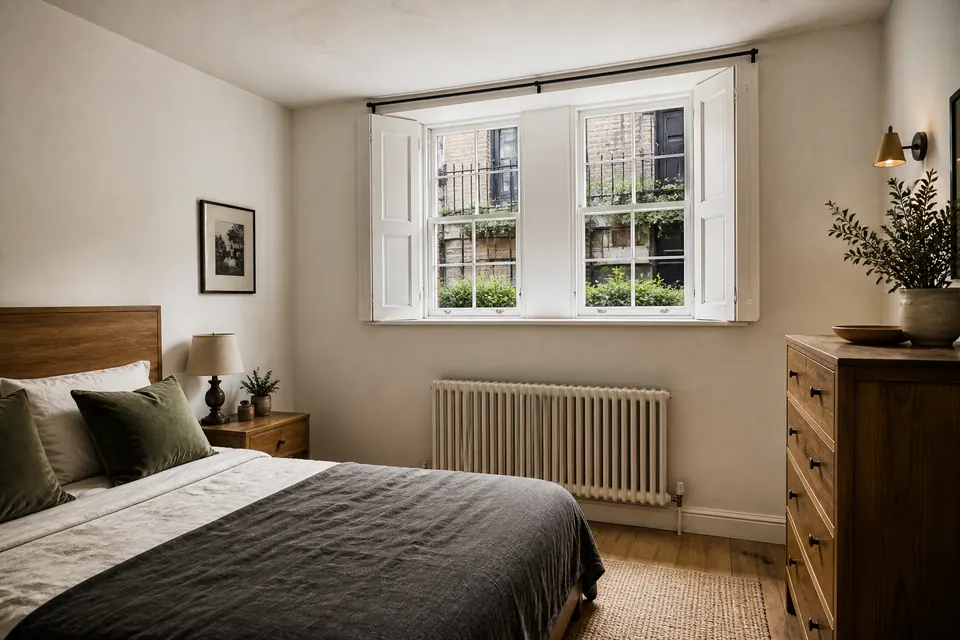
Meeting contact · entry process · surface evidence
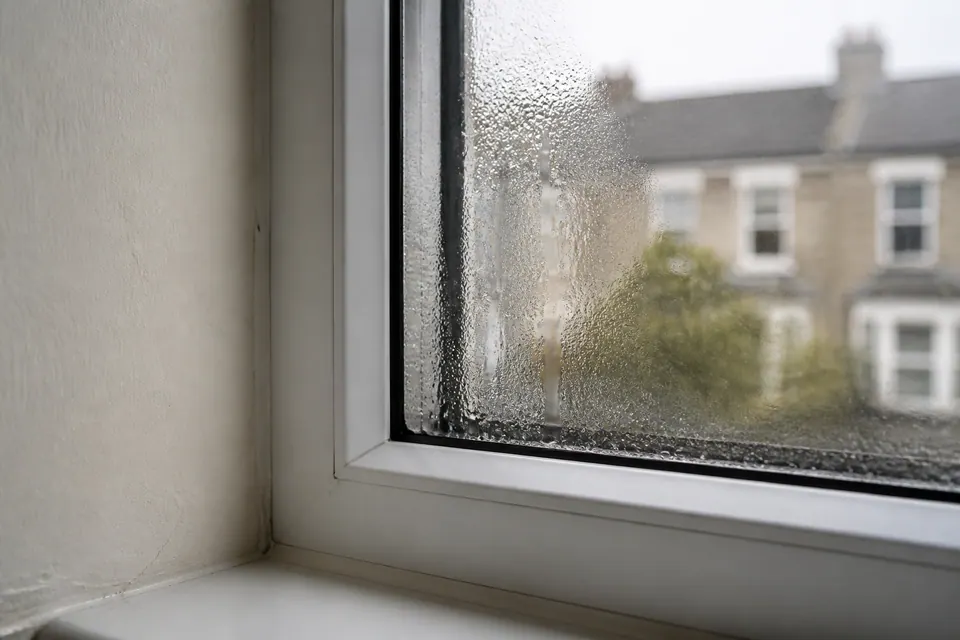
01 / WHEN IT COMES BACK
Keep the actual earlier scope: entry coordination, repair work and growth treatment are different actions. State which occurred and what surface was included.
Report current changes and confirmed maintenance information without diagnosing a shared system from the patch alone. A fresh assessment may need a separate repair enquiry.
Use dated records naming the surface or component. A general note that someone attended the building is not a complete treatment history.
Canary Wharf / ACCESS & PEOPLE
Check what applies to the property rather than inventing a standard managed-building procedure. Communicate necessary details through booking.
Identify someone able to provide the agreed interior access. Reception entry and room availability are separate arrangements.
Where another party controls a relevant component, identify them without assuming their work is included or completed.
Share visible evidence and the practical entry arrangement. The enquiry does not decide legal duties or diagnose a shared-system fault.
Supply relevant maintenance records and ensure the occupant receives preparation guidance. A remote booking should not depend on unexplained access assumptions.
Keep private treatment and any building-management matter distinct. Agree the sequence if a separate repair is still unresolved.
03 / DIRECT ANSWERS
Yes, explain actual procedures alongside the surface evidence. Practical restrictions can affect planning, but the quote still needs the material and extent.
No cosmetic covering is required. Painting does not replace assessment of growth and can hide current evidence.
No. Report relevant observations and known work without turning a surface mark into a diagnosis of a shared system.
It may help arrange access, but treatment time depends on the assessed surface, preparation and method. Do not infer duration from building height.
Clarify the required arrangement during booking rather than assuming a handover at reception is sufficient.
Ask for instructions suited to the agreed method and room. Entry clearance does not settle facility use.
No repair should be assumed. Keep the interior treatment and any separately controlled window work distinct.
Any additional area must be explicitly described and agreed. A private-apartment request does not automatically include common parts.
04 / A CONTROLLED APPROACH
Identify suitable material and extent before treating access coordination as a confirmed work plan.
Agree the actual entry, meeting and preparation arrangement. Keep necessary access details within the booking process.
Carry out the agreed method on suitable accessible finishes. Common parts or system repairs require another explicit discussion.
Explain remaining condition, room guidance and any separate repair questions to the relevant contact and users.
A coordinated building visit is not a guarantee about the condition of shared components.
Keep the affected room identifiable in the evidence.
Treat suitable private or separately agreed areas only.
Keep repair and maintenance enquiries outside assumptions.
The stages are illustrative rather than customer outcome evidence. Continuing moisture may permit new growth.
Canary Wharf / MANAGED-BUILDING VISITS
Do not substitute a building name for an access plan.
Where a building requires particular entry arrangements, check them with the relevant contact rather than assuming a generic concierge process. State who can meet the team and open the affected apartment or room. Keep these details separate from photographs, material condition and known water history. The practical route enables the visit but does not determine what work is suitable.
Canary Wharf / PLAN THE APPOINTMENT
Send the Canary Wharf postcode and confirmed access procedure with the affected-room evidence. Check availability before relying on a building-entry reservation or assumed attendance window.
Explain any related repair contact separately so the visit does not depend on an unconfirmed maintenance outcome.
The map provides area context, not a branch or building-access instruction.
07 / QUOTATION, NOT GUESSWORK
For Canary Wharf enquiries, provide photographs, affected dimensions and actual access requirements. Small suitable accessible surfaces may be quoted from photos; recurring or multiple areas need assessment, while complex damp or damage can require specialist quotation.
Read the published treatment scope ↗| Proposed condition | Quotation route | Practical information |
|---|---|---|
| A limited suitable accessible finish | Photographs may support quotation | Confirm access to the actual surface |
| Several areas or recurring marks | Assessment of the proposed work | Keep each room and history identifiable |
| Damage or complex moisture concerns | Specialist quotation where needed | Provide confirmed repair information |
Confirm the named surfaces and exclusions. Access coordination does not turn a treatment quotation into a building-maintenance package.
08 / SEPARATE THE QUESTIONS
The visible interior and any shared-component concern should remain distinct in the enquiry.
| Visible issue | Possible context | What to provide |
|---|---|---|
| Marks at an interior reveal | Moisture near the opening | Affected material and any observed water |
| Bathroom spotting | Repeated wetting or drying conditions | Room use and current finish condition |
| Wall change after a reported leak | Water exposure or remaining damage | Confirmed repair status from the relevant contact |
| Recurring growth despite earlier attendance | A continuing condition not settled by prior work | What the earlier scope actually covered |
Ventilation, plumbing, glazing or other building-component repairs must be separately agreed where relevant. A management contact arranging access does not make those tasks part of the treatment appointment.
Both may need attention, but the first does not establish the second.
| Question | Mould | Damp / moisture |
|---|---|---|
| Condition described | Fungal growth on the affected interior finish | Excess moisture relevant to the material or room |
| Useful evidence | Current visible extent and condition | Known water events and confirmed repair information |
| Why separate them? | Treatment does not certify shared components | Persistent moisture may need another scope |
| Next agreement | Suitable accessible interior treatment | Any separately arranged investigation or repair |
09 / LOCATE THE ISSUE
Use the room selector to define the treatment enquiry. Building procedures should support that specific visit rather than expand it into a general building service.
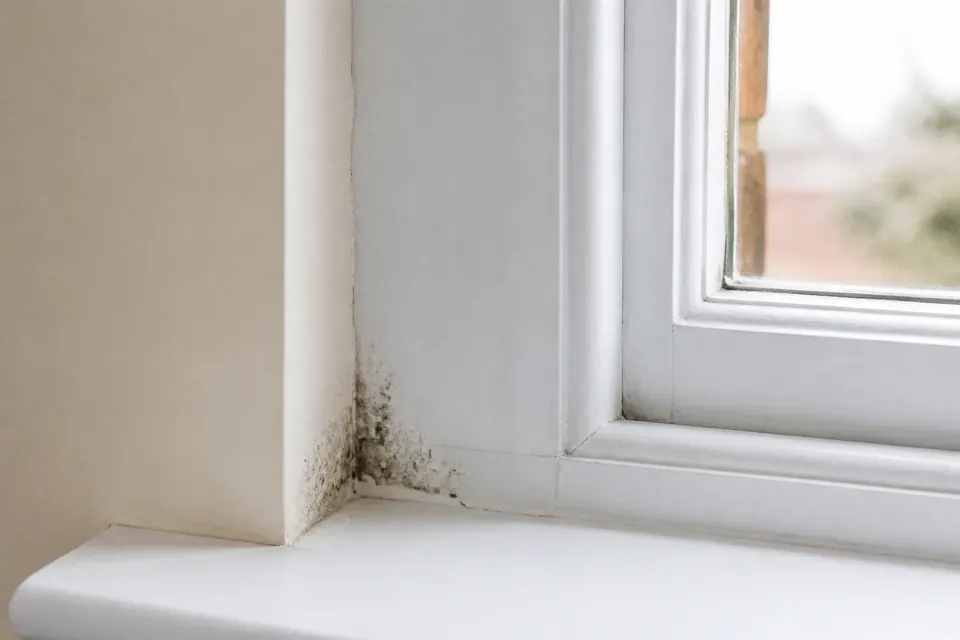
Show the interior reveal and frame material. If related repairs are controlled separately, identify that arrangement without assuming they happen during surface treatment.
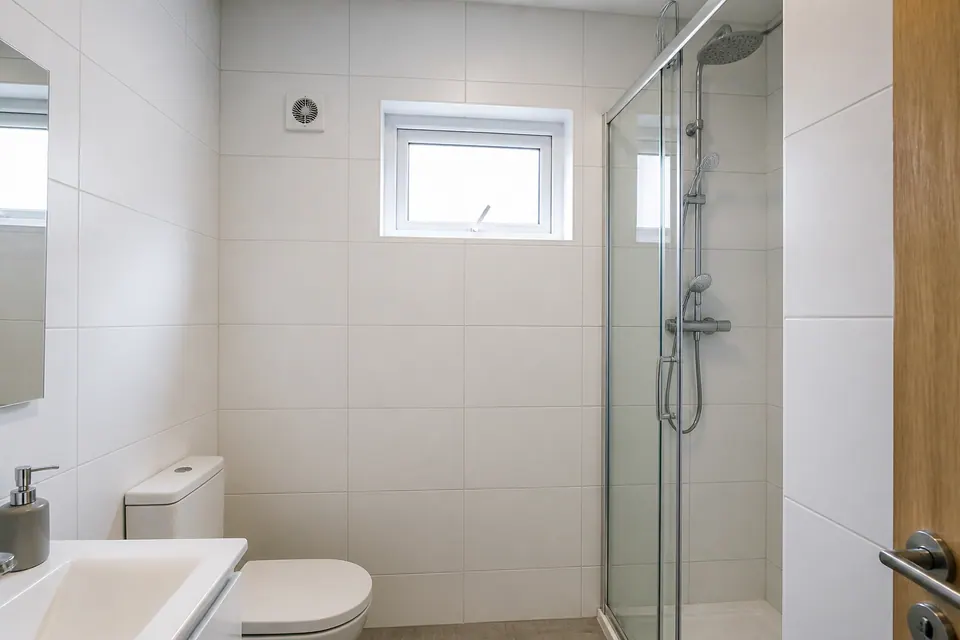
Describe the affected paint, joints or seal and practical facility use. Building access alone does not establish readiness of the bathroom for work.
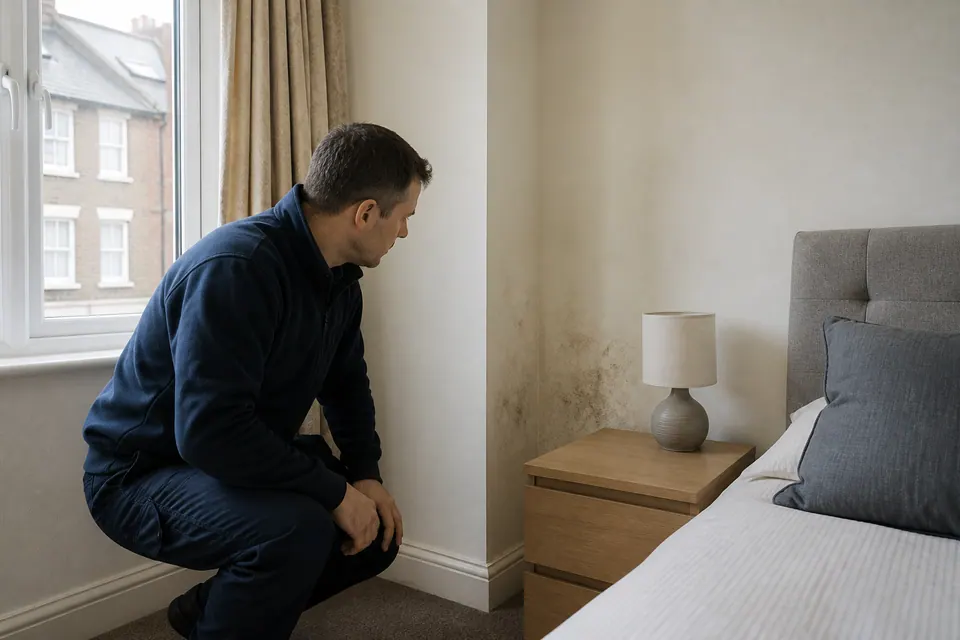
Confirm that the meeting contact can provide entry to the named room. A route through reception is not access to a locked or unavailable bedroom.
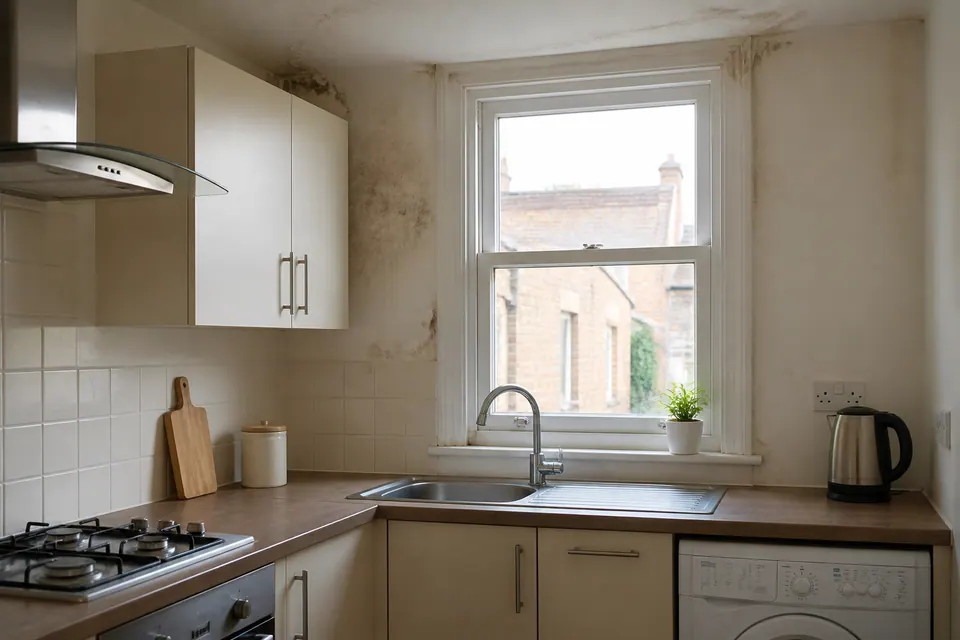
Identify units blocking the finish and any confirmed water event. Plumbing or equipment work requires a separate scope even when coordinated through the same building contact.
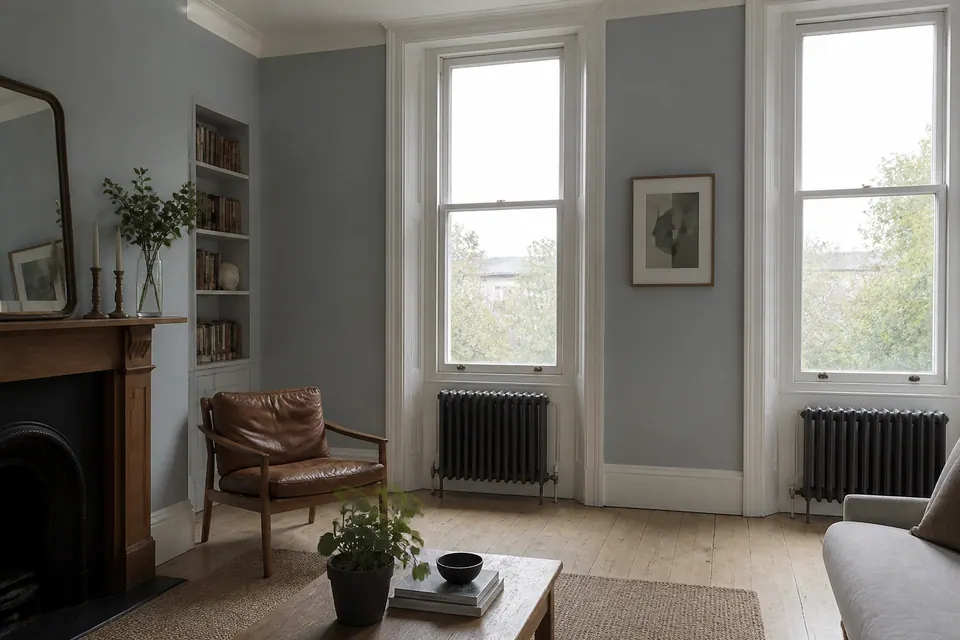
Provide a wider room view and material details. An apartment floor number is useful for entry but does not explain the condition of the wall.
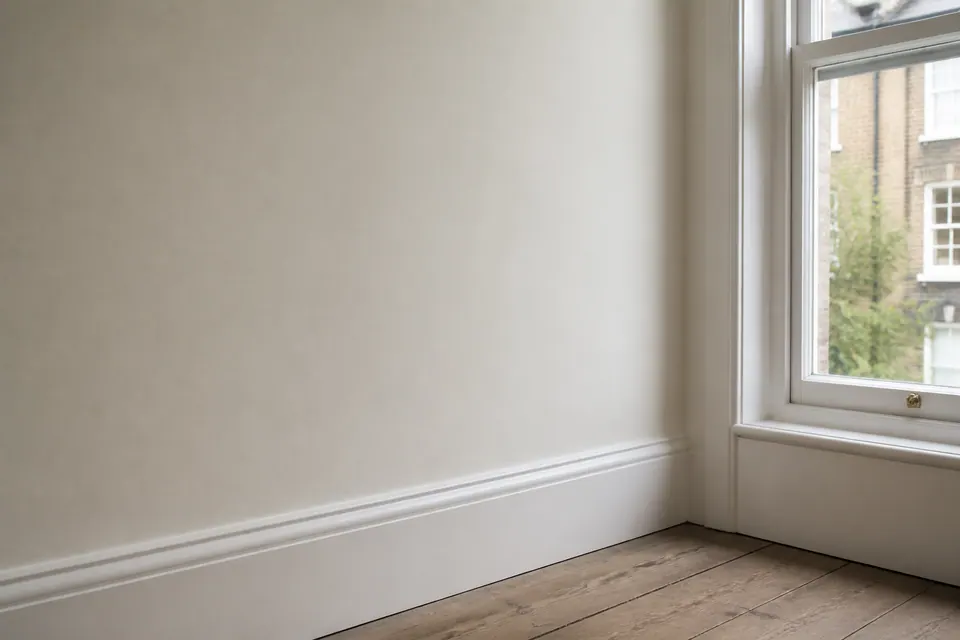
Report deterioration without probing it. The interior material may need specialist assessment beyond an agreed accessible treatment.
Clarify what belongs to the accessible private interior and what remains concealed or separately controlled. Do not open panels to make a photo enquiry complete.
Access information is not a diagnosis. The material, extent and moisture history still determine the assessment.
10 / ROOM-BY-ROOM CONTEXT
Identify the affected material and facility requirements. Practical entry does not establish treatment suitability.
Confirm room availability and show furniture clearance. The meeting arrangement must reach beyond the building entrance.
Describe fixed units and known water events. Separate plumbing work from surface treatment.
Show the elevation and material rather than relying on apartment or floor details.
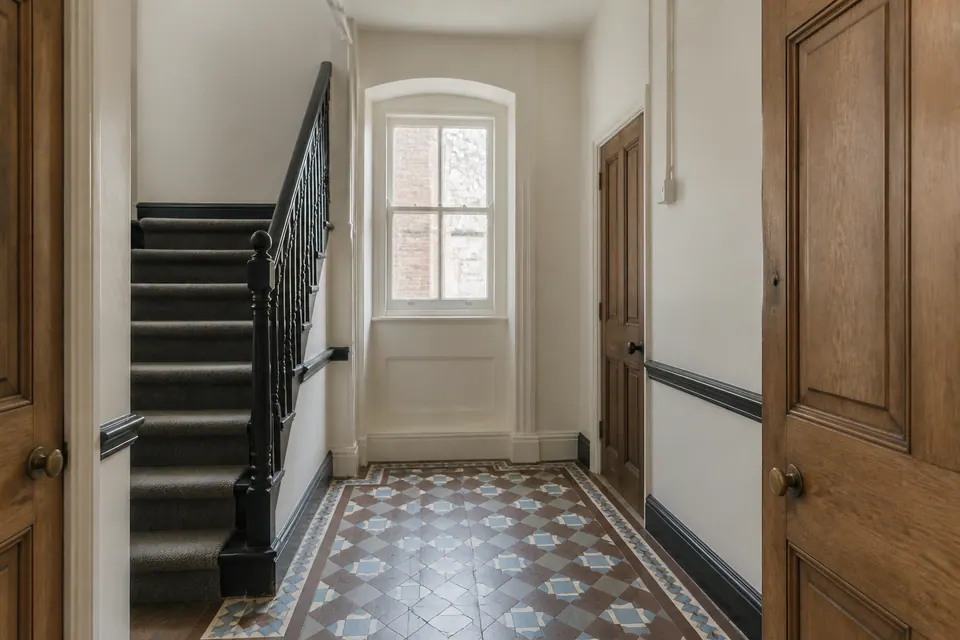
Treat it as a separate proposed area requiring explicit agreement, not an extension of the access route.
Report level and condition as facts. Building procedures do not determine a damp diagnosis.
Canary Wharf / BEFORE BOOKING
Confirm the actual requirements instead of assuming a standard procedure.
Yes, where it affects the visit. Confirm the real requirements with the relevant contact and keep surface evidence alongside them.
Clarify the arrangement during booking. Access to the affected apartment and room must also be available.
Not by itself. The material, affected extent and practical access inform the scope.
Only as a separately identified and agreed area. Passing through it does not include treatment there.
No such assessment should be assumed. System enquiries require their own explicit arrangement.
Use the appropriate booking communication rather than public descriptions. Provide only what is necessary for the agreed visit.
The relevant occupant or user needs applicable guidance, even if a separate contact coordinated building entry.
Report that before confirming the treatment sequence. Do not assume the surface appointment resolves the maintenance question.
Keep the named treatment scope and any separate repair descriptions so later assessment can distinguish what was actually done.
CONFIRM THE ROUTE TO THE ACTUAL ROOM
Send the postcode, surface photographs and confirmed entry arrangement. Identify related repairs separately so the appointment has clear practical and treatment limits.
The illustrations do not document a customer visit or the procedures of a particular building.
