
A newly exposed surface
Say that its earlier condition is unknown where necessary. An honest visibility limit is better than an invented beginning.
HACKNEY / WHEN A ROOM CHANGES
A new room routine can reveal an old surface—or a new question.
If a Hackney room has changed from storage to sleeping, from spare space to daily use, or simply been rearranged, describe that sequence. The change is useful history, not proof of a moisture cause. Show the current affected finish and practical layout so the next decision reflects the room as it is now.
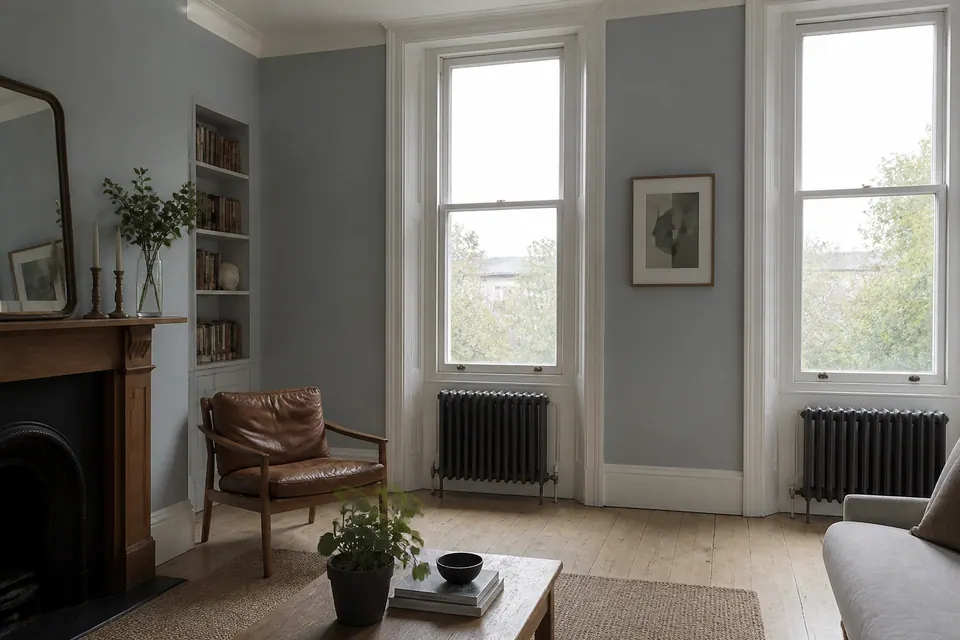
Timeline · current layout · observed condition
Hackney / ACCESS & PEOPLE
Say that its earlier condition is unknown where necessary. An honest visibility limit is better than an invented beginning.
Describe what developed and over what approximate period. Keep dates qualified if the room was not continuously observed.
Show current furnishings and room functions. The team needs the present arrangement, not only the historical explanation.
Report the practical sequence and follow booking arrangements. Do not use changed room use to assign blame or legal responsibility.
Provide known work or repair dates that complement the occupant account. Avoid assuming the latest use explains all surface changes.
Separate completing the room alteration from treating the finish. Ask what must be assessed before decoration or further adaptation.
02 / LOCATE THE ISSUE
The selector helps locate the affected material. Keep the current room name and earlier use distinct where that explains the observation.
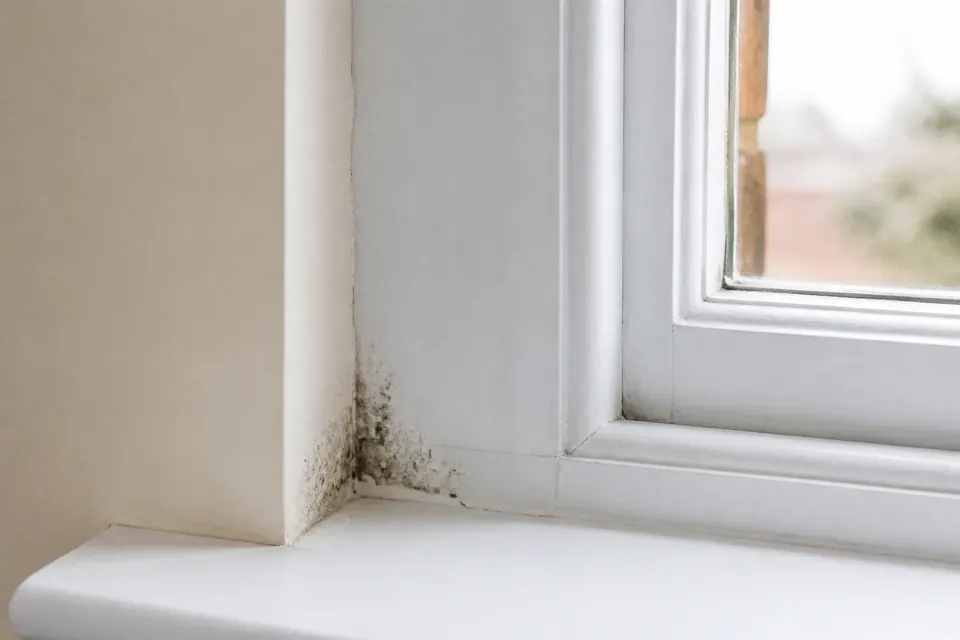
Show the reveal and current clearance. A newly visible mark may have been hidden before; do not describe discovery as a confirmed start date.
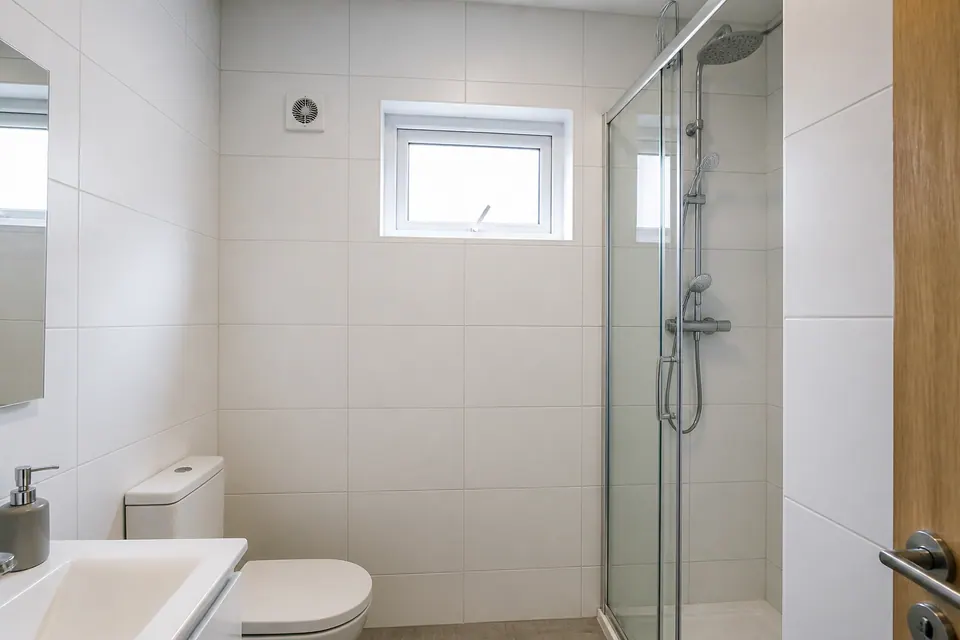
Explain the change in use as history, alongside actual wetting observations. Increased use alone is not a diagnosis of the marks.
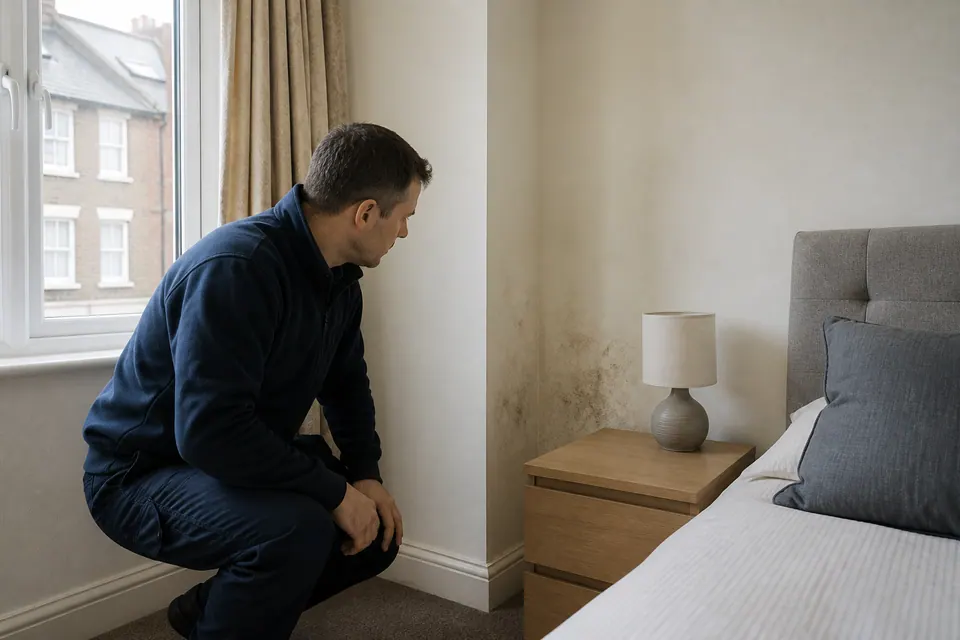
Show the bed and current wall access. The preparation plan should reflect present use rather than the old room description.
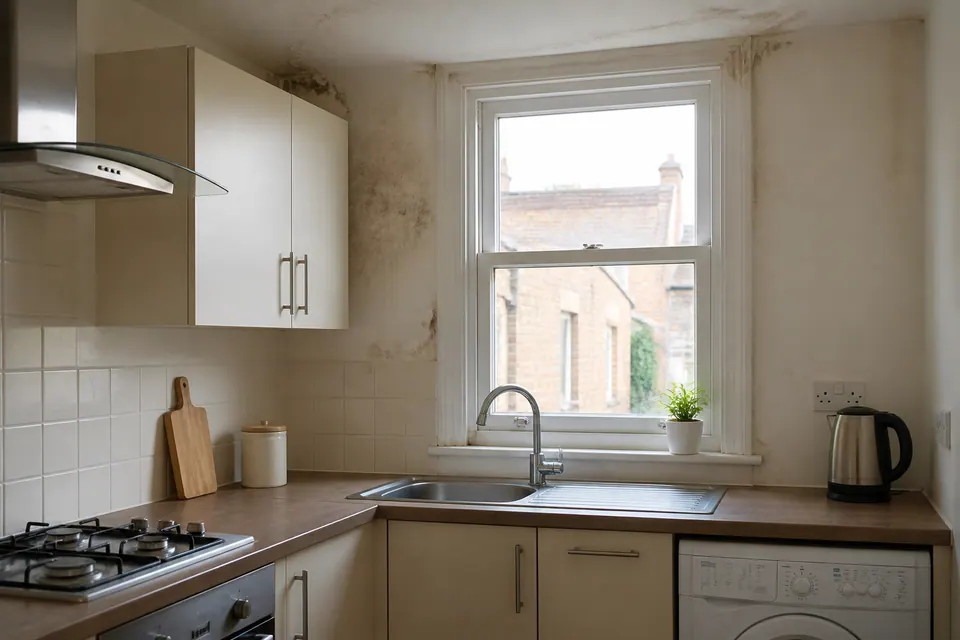
Identify fixed fittings and any known water event separately from the layout change. A moved unit does not prove the source of a newly noticed patch.
Explain whether the mark became easier to notice or visibly changed. That distinction is more useful than assuming the new routine caused it.
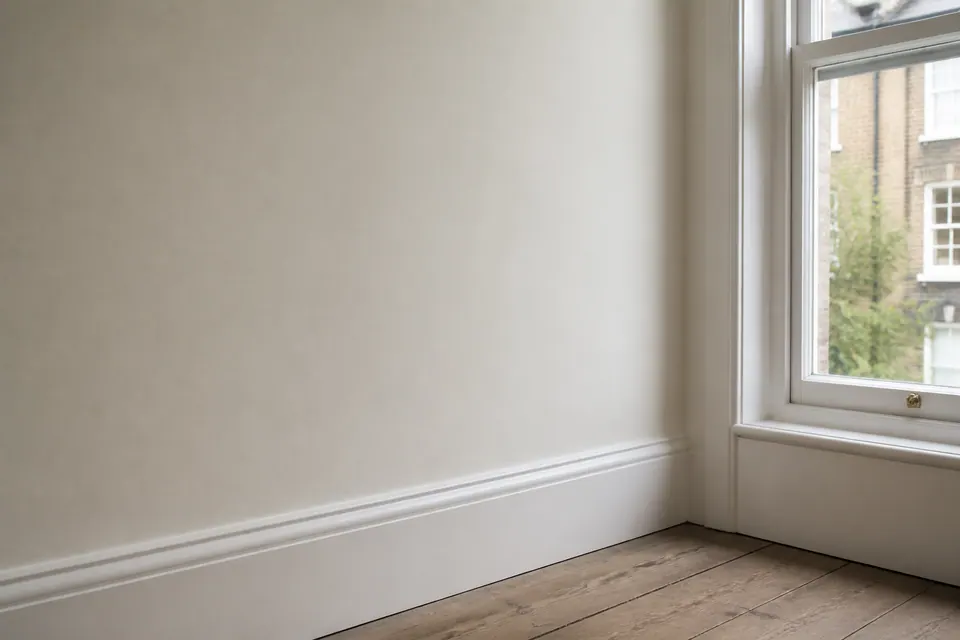
Describe the material condition as found. Loose coating or damage may require another scope regardless of when the area became visible.
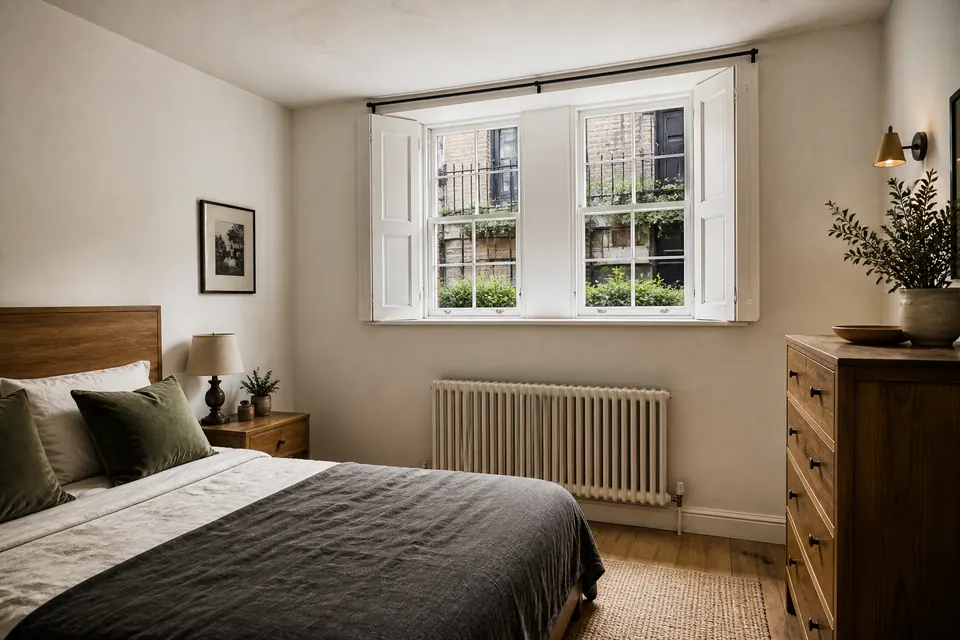
Identify what was hidden and what can now be seen without further disturbance. Do not extend the visible finding into concealed areas that remain uninspected.
A sequence can guide questions but does not establish causation. Keep observed facts and assumptions separate.
03 / SEPARATE THE QUESTIONS
The assessment should consider present material and known moisture alongside the sequence of use.
| What happened | Possible context | What needs clarification |
|---|---|---|
| Furniture moved away from a window wall | A previously hidden affected surface | Whether earlier condition is genuinely known |
| Bathroom used more frequently | Different wetting and drying routine | Actual visible moisture and coating changes |
| Layout changed after a leak repair | Water history separate from rearrangement | Confirmed repair status and current material |
| Marks noticed after daily use began | Greater visibility or a continuing condition | Whether growth was observed developing or simply discovered |
Ventilation changes, building repairs and investigation remain separate decisions. Surface treatment should not be presented as proof that the previous or current room use caused the problem.
A timeline can support both enquiries without replacing either assessment.
| Question | Mould | Damp / moisture |
|---|---|---|
| What is described? | Growth on the currently affected finish | Excess moisture relevant to the room |
| Useful history | When the surface became visible and what was observed | Known water events and ordinary moisture observations |
| Why separate them? | First discovery may not be the start of growth | A new routine does not prove the moisture source |
| Next decision | Suitability and extent of accessible treatment | Any separate investigation or repair need |
Hackney / CHANGING ROOM USE
“After” does not automatically mean “because of”.
A room may reveal a hidden wall when storage moves, or become easier to observe when used every day. Say whether the mark was newly found or visibly developed after the change, and keep that distinction honest. Describe added furnishings, current access and any known water incident without claiming that the new use caused the condition. The present finish still needs assessment.
05 / QUOTATION, NOT GUESSWORK
For Hackney changed-room enquiries, send current surface photographs and explain the timeline without an assumed cause. Small suitable accessible areas may be quoted from photos; recurrence, several areas or damaged material can require assessment or specialist quotation.
Review the main assessment basis ↗| Current condition | Quotation route | History to clarify |
|---|---|---|
| A suitable accessible limited patch | Photographs may support quotation | Current dimensions and finish |
| Newly revealed or recurring areas | Assessment where extent or history is uncertain | Discovery versus observed development |
| Damage or complex moisture concern | Specialist quotation where needed | Known water and repair information |
Confirm the present surface scope before completing a room makeover. Treatment does not automatically include adaptation, decoration or repair.
06 / DIRECT ANSWERS
Describe the current layout and affected finish. Earlier use belongs in the history, but access and preparation should reflect the room now.
Assess the marked material before covering it. Decoration does not replace growth treatment or explain the moisture condition.
No. The change may affect visibility or context, but sequence alone cannot establish a cause.
No duration follows from the room label. Material, extent, preparation and access need review.
Explain the current use and obtain guidance for the agreed method. Do not rely on arrangements suitable for its earlier storage or spare-room role.
Describe actual wetness and material condition alongside the change. Do not assume frequency of use is the complete explanation.
Its current finish and access can be assessed. New visibility does not establish the condition of hidden adjoining material or include frame repairs.
No such change should be assumed. Building or system alterations require a separate agreed scope.
07 / A CONTROLLED APPROACH
Assess the finish and extent alongside the known sequence. Distinguish newly exposed material from a documented new change.
Agree clearance and instructions around the current layout. Do not rely on the former room arrangement.
Carry out the agreed work within the accessible material scope. Additional adaptation or hidden damage requires separate discussion.
Clarify remaining condition and applicable room guidance. Keep the treatment description for comparison with later observations.
The sequence does not prove which room use caused the moisture condition.
Record what became visible and what actually developed.
Treat suitable accessible finishes as agreed.
Keep current photographs and the named work description.
The graphics are illustrative, not customer before-and-after evidence. Persistent moisture may permit later growth.
08 / ROOM-BY-ROOM CONTEXT
Report actual wetting and coating condition. A changed routine is context rather than proof of cause.
Show the bed and essential use now. Preparation should not be based on an old study or storage layout.
Keep confirmed water events separate from moved furniture or fittings. Identify current access limits.
Explain whether the surface was newly exposed or the mark visibly developed. Do not confuse discovery with onset.
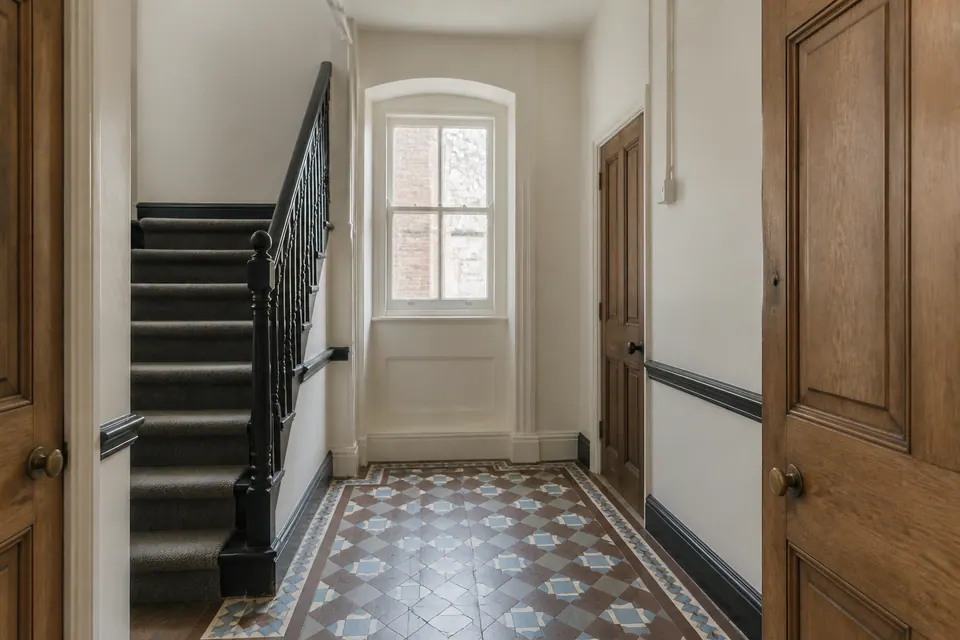
Clarify present users and permissions. Earlier access arrangements may no longer describe the proposed work.
State level and water history without a damp diagnosis. New occupancy does not establish material suitability.
09 / WHEN IT COMES BACK
Keep the treatment scope and current photographs before another rearrangement. A new view can reveal a different surface rather than recurrence within the treated area.
Report actual later changes and known water events without assuming the latest furniture move or room use caused them. The material and moisture questions remain separate.
If a mark is first seen after storage moves, say it was discovered then. Do not claim that it began on that date.
Hackney / PLAN THE APPOINTMENT
Send the Hackney postcode with the present layout and affected-finish photographs. Explain any access changes before agreeing an appointment.
If further room alterations are planned, identify them separately rather than assuming treatment includes or certifies that work.
The map provides location context for arranging access.
Hackney / BEFORE BOOKING
A useful timeline remains clear about what was known and what was hidden.
No. State when it became visible and acknowledge that the earlier condition may be unknown.
Give the current use for practical planning and mention the earlier use where it helps explain the history.
No. It is context for assessment, not a diagnosis of the moisture source.
Show the present arrangement and ask about preparation. Do not assume the old clearance still applies.
No. Changes to building systems require a separately agreed scope.
Keep the current evidence visible and ask for preparation guidance. Covering the mark is not a substitute for assessment.
Obtain instructions for the agreed method and present room use, not its former role.
Its extent or earlier condition may be uncertain, or the material may be damaged. New visibility does not establish a simple scope.
Retain current images and the treated-surface description so later discoveries can be distinguished from changes within the same area.
DESCRIBE THE CHANGE WITHOUT GUESSING THE CAUSE
Send the postcode, present surface evidence and what is known about the room change. Mark unknown dates or hidden earlier conditions honestly.
The interiors illustrate property context rather than a documented room-conversion treatment.
