
Can a quote be limited to the reveal?
Ask for the suitable surface boundary to be explicit. A proposal for the reveal should not imply the whole frame or assembly is included.
Limehouse / PROPERTY CONDITION
A narrow reveal needs more than a close-up of the darkest edge.
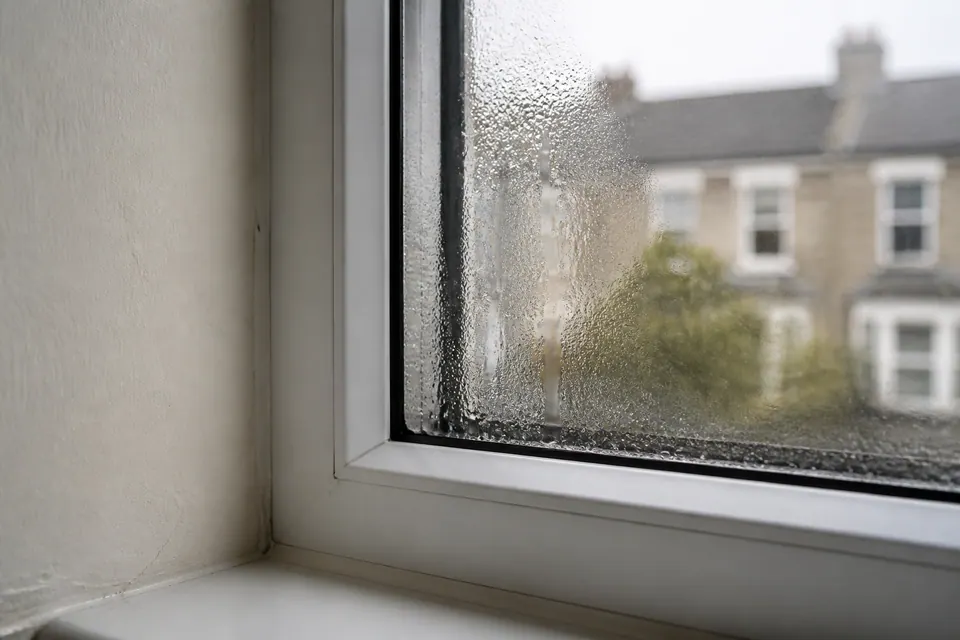
For a Limehouse flat with window-side marks, show the glazing, frame and adjoining finish together. Describe when water is observed and keep any suspected frame fault separate from the visible growth. A treatment proposal should identify the suitable surfaces without implying the window assembly has been repaired.
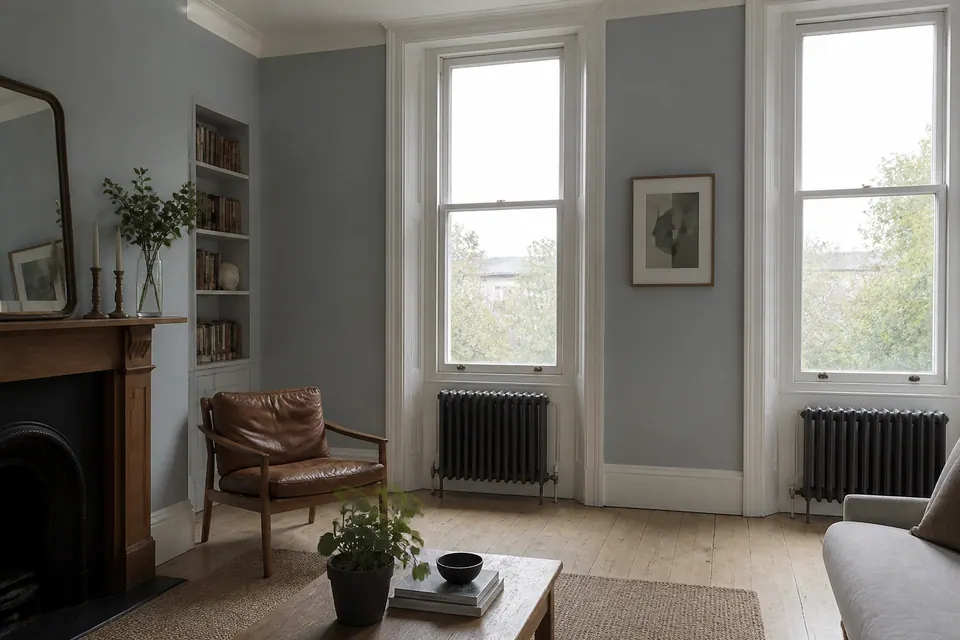
Glass observation · frame question · reveal finish
01 / DIRECT ANSWERS
Ask for the suitable surface boundary to be explicit. A proposal for the reveal should not imply the whole frame or assembly is included.
A cosmetic coating should not replace review of growth and moisture. Describe the current finish before covering the evidence or planning decoration.
No. It raises a question but does not identify the source by itself. Provide observed water and confirmed maintenance details separately.
Do not assume it. Explain the fitting and agree any preparation responsibility before attendance.
Follow the instructions for the agreed approach and circumstances. A cleaner-looking edge is not the only basis for returning items.
The materials and condition need separate consideration. Deteriorated components may require another decision rather than automatic inclusion.
Share the actual work record with the current reveal view. A repair date does not establish the condition of every adjacent finish.
Not automatically. Surface work, frame repair and investigation of a moisture contributor are distinct scopes.
02 / SEPARATE THE QUESTIONS
Use the detailed view to distinguish observations rather than combine them. Water on glazing, marks on plaster and a suspected frame defect can be related questions without a confirmed common diagnosis.
| Visible issue | Possible contributing factor | What may need checking |
|---|---|---|
| Water on glass near a marked reveal | Condensation or another moisture context may be relevant | Record the glass observation separately from the coating condition |
| A bathroom window-side patch | Repeated wetness may contribute | Identify the finish and ordinary-use observations without assuming equipment performance |
| Staining after confirmed frame work | Past or continuing moisture may matter | Read the repair scope alongside the present adjacent material |
| The narrow edge marks again | A contributor may remain unresolved | Review the dates without assuming a frame fault from recurrence alone |
Repairing window components, investigating moisture, replacing damaged material and decorating need separate agreement where relevant. A surface proposal should not appear to complete those tasks automatically.
Mould describes fungal growth and damp describes excess moisture. Neither term alone identifies a defective component or proves what work is required on the frame.
| Question | Mould | Damp |
|---|---|---|
| The condition described | Growth on an identified finish | Excess moisture affecting material or surroundings |
| Evidence to supply | The reveal outline and coating condition | Observed glass water and reliable maintenance history |
| A possible connection | Growth can recur where moisture persists | Moisture may remain relevant after a surface visit |
| The next decision | What suitable finish can be treated? | Does the frame or source question need separate assessment? |
03 / ROOM-BY-ROOM CONTEXT
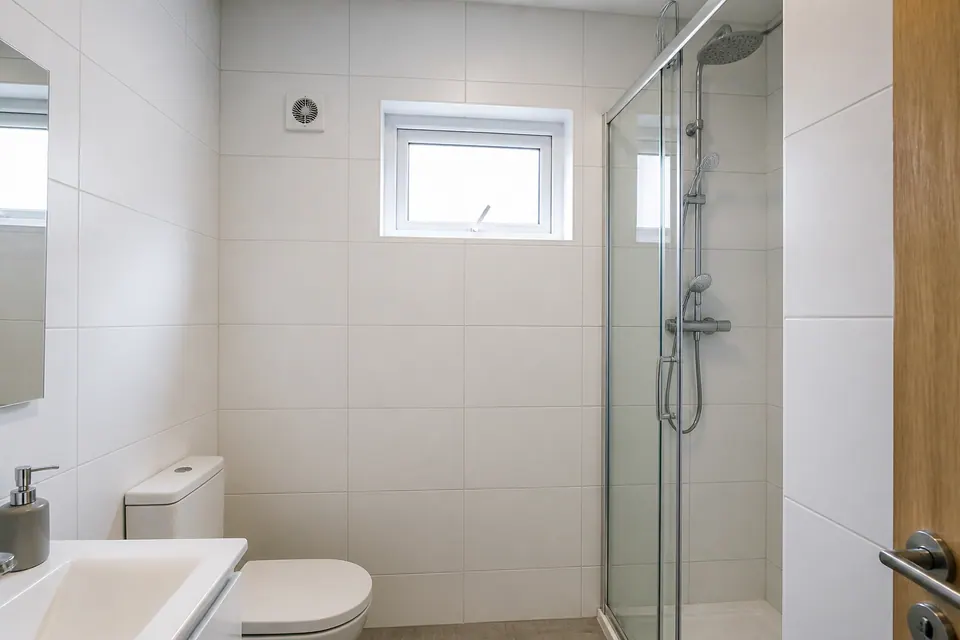
A bathroom window can sit beside several materials. Identify the reveal, sealant and surrounding coating separately rather than assuming one uniform bathroom finish.
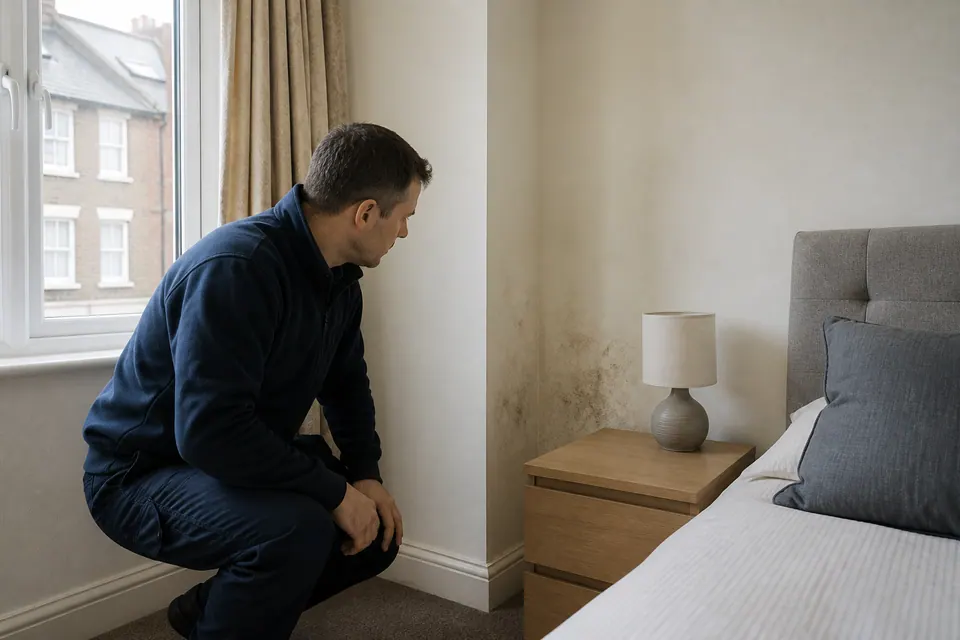
A bedroom window may have limited reach because of everyday furniture. Show the current layout and agree preparation before moving affected belongings.
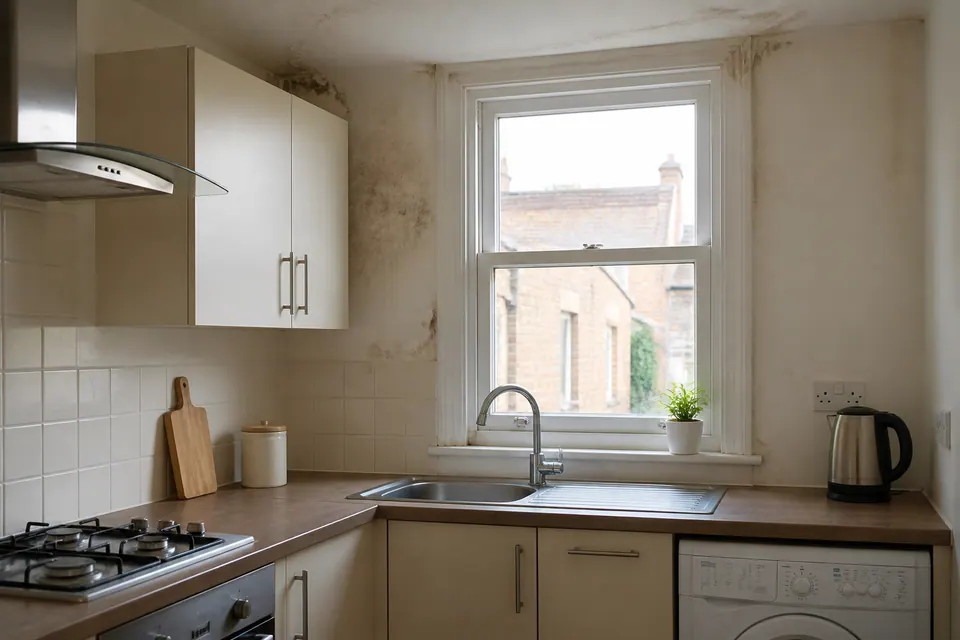
For a kitchen window, keep any pipework event separately documented. Proximity should not turn it into the assumed explanation for every frame-side mark.
A living-room elevation helps locate a narrow edge and show nearby furnishings. Keep the wider view with the detail photograph.
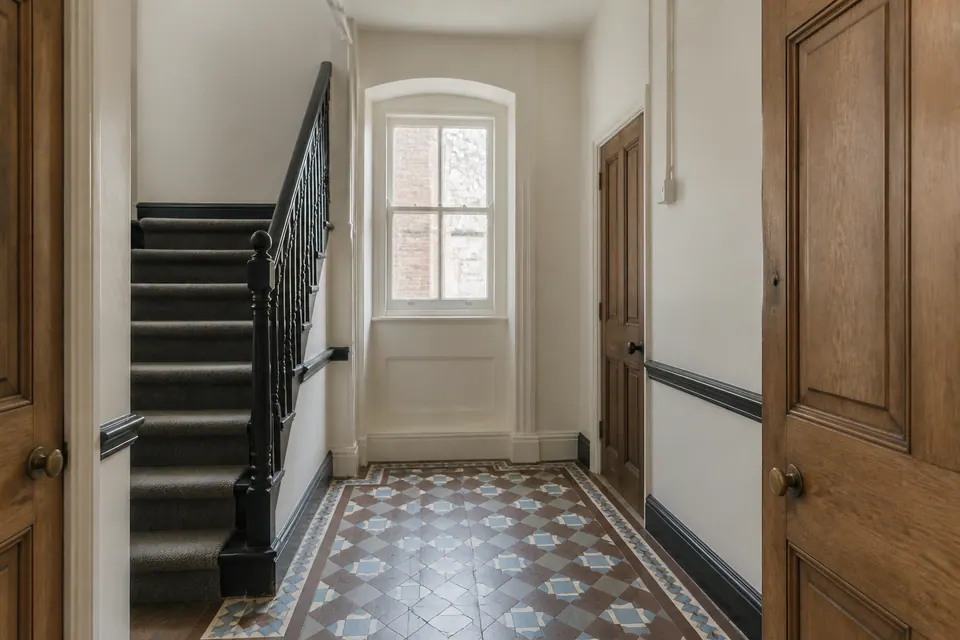
If the frame or surrounding element is separately managed, clarify the relevant contact. Permission for internal treatment does not imply unagreed component alteration.
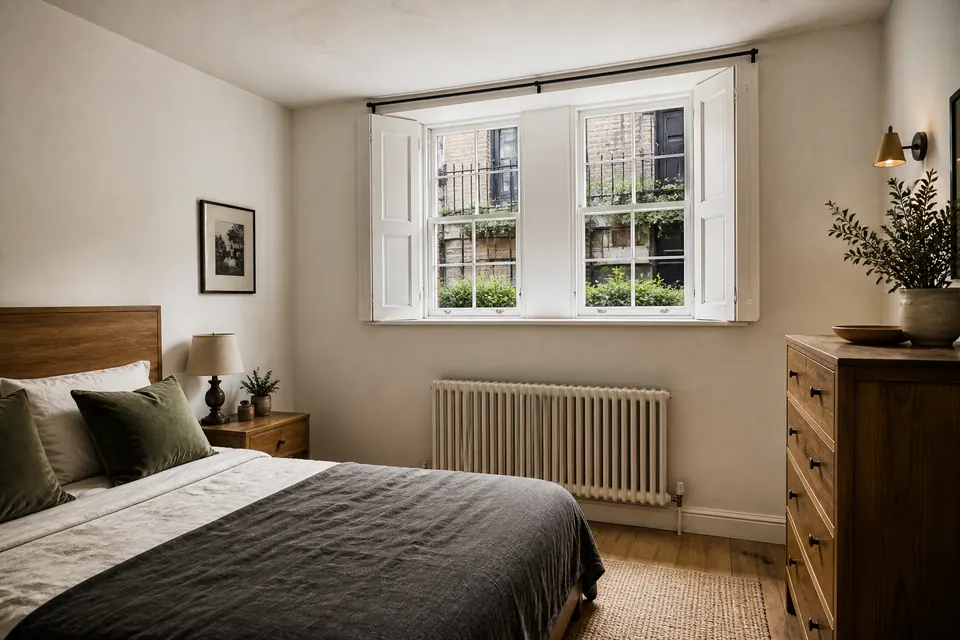
For a lower-ground window, provide floor level and reliable water history without diagnosing from the setting. The actual finish and component questions still need review.
Limehouse / THE PROPERTY BRIEF
The frame question and the treatment question are not identical.
Show the window in its room setting, with details of the marked reveal and any nearby furnishings. Describe water only where it is actually observed and provide known frame-maintenance information separately. Ask which finish can be assessed for treatment and what remains unresolved about the window itself.
05 / QUOTATION, NOT GUESSWORK
The proposed quote should identify the treated finish rather than refer loosely to the whole window. Photographs may support a suitable accessible area, while recurrence, damage or uncertain material can require assessment. Keep any frame-repair request separately described.
See the main mould-removal service ↗| Scope | Quotation basis | Separate question to retain |
|---|---|---|
| Suitable accessible reveal coating | Photographs may support pricing | Identify the actual material and reachable edge |
| Several materials or recurring marks | Assessment may be needed | Keep glass observations and frame history distinct |
| Damaged component or unresolved complex concern | Specialist quotation may be required | Clarify repair or replacement independently from removal |
Confirm the total and exclusions before booking. Treating a reveal should not imply repairing a frame, replacing sealant or restoring every decorative effect around the window.
Limehouse / ACCESS & PEOPLE
Describe the affected coating and current outline. Its suitability needs consideration independently from whether a frame concern has been raised.
Share the work description and date where available. Do not treat a general repair note as proof about every adjacent material or current moisture contributor.
Explain a blind, curtain or deep sill in the layout. Removing or altering fittings should not be left as an assumed part of the surface appointment.
Tenants can show the internal finish and pass on reliable maintenance information while checking permission for proposed work. They do not need to diagnose a frame defect.
Landlords can identify any frame or building contact and provide the occupant’s access details. The surface booking should not imply authority for unagreed alteration of the window.
Homeowners should ask what growth removal can address and which frame or decorative question remains. A cleaner reveal is not a certificate that the window assembly has been repaired.
07 / LOCATE THE ISSUE
Use the setting selector and identify the specific finish. The pane, frame and surrounding wall are different parts of the evidence, even when the visible change is concentrated in a narrow strip.
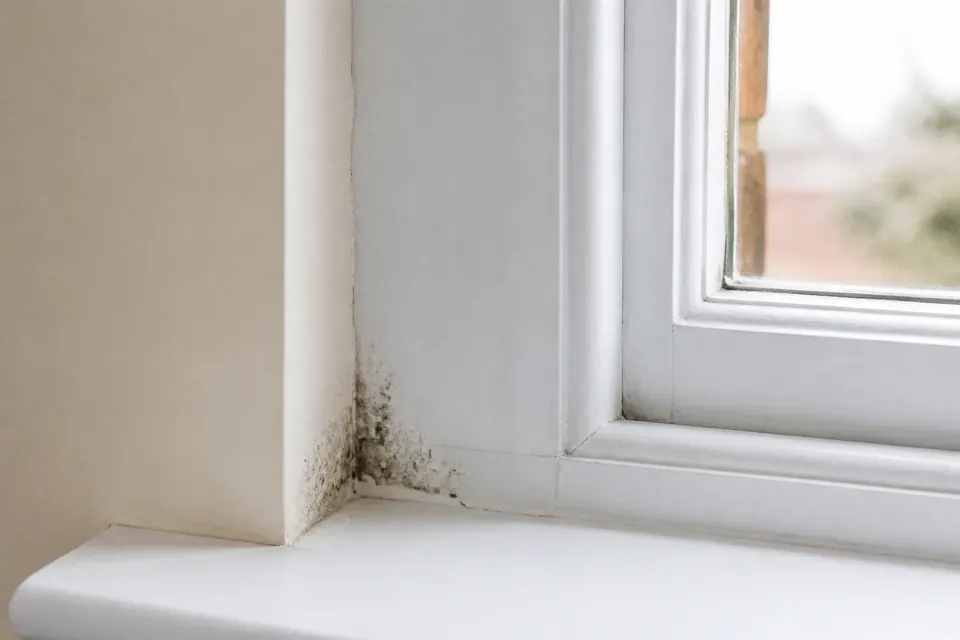
Describe water observed on the glass separately from spotting on the coating. A photograph of one should not be used as proof of a fault in another, and suspected frame concerns should remain questions.
Show the reveal and nearby bathroom coating, identifying sealant or other components separately. Repeated wetness can be relevant without establishing one suitable approach for every material.
Include curtains, a bedside unit or a desk that affects reach. Do not assume access to the room provides clearance along the full reveal or that fitting removal is part of treatment.
Keep any confirmed plumbing event distinct from window observations. Name the affected wall or frame finish so separate concerns are not merged merely because they are close together.
Use a wide view to locate the narrow mark within the room. Include the adjoining finish and nearby furniture rather than presenting the edge as an isolated uniform surface.
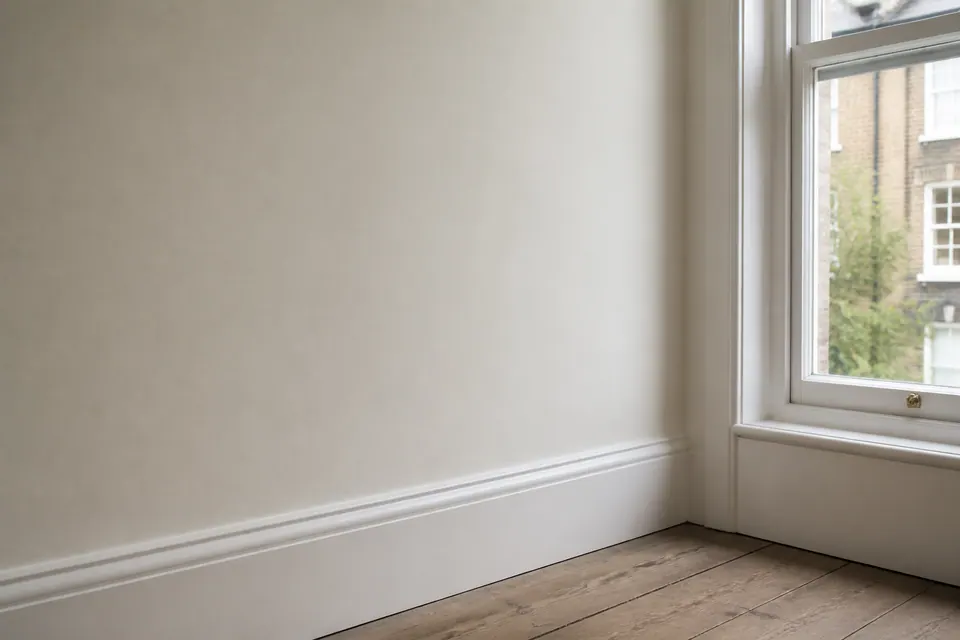
Identify the materials where known and describe any damaged coating without scraping it. A continuous line of marks can cross finishes with different limitations.
Explain what is visible and what remains obscured by the fitting. Do not remove trim or extend the opening merely to establish a larger apparent treatment area.
The location helps describe the enquiry, not prove its cause. Keep observed glass moisture, frame concerns and the suitable-surface question separately identifiable.
08 / A CONTROLLED APPROACH
Assess the marked reveal and its material alongside reliable window observations. Keep a suspected frame fault distinct from the suitable treatment decision.
Agree access around curtains, blinds and furniture without assuming their removal. The preparation should match the actual narrow working area.
Carry out the confirmed work on appropriate finishes within the defined boundary. Frame repair, replacement components or concealed investigation should not be implied.
Explain remaining stain, damage or frame questions and the relevant room-use instructions. The reviewed appearance should not be presented as proof of a repaired window.
The illustration does not show a frame repair or guarantee a matching result across glass-adjacent materials.
Record the specific finish beside the frame.
Follow the suitable material and reach agreed.
Identify remaining component or decorative questions.
These stages are illustrative, not customer window-repair evidence. Treatment of visible growth does not certify the frame or eliminate every possible moisture contributor.
09 / WHEN IT COMES BACK
Keep those observations on separate lines in the history. They may be relevant together, but matching dates or a shared position do not by themselves prove the explanation.
Continuing moisture can support recurrence, while surface work does not automatically change frame condition or other contributors. Report confirmed maintenance without assuming it closes the current reveal question.
Retain dated images with a recognisable frame feature. Do not scrape coating or remove a fitting to recreate an earlier view; describe the limits of what is visible.
Limehouse / PLAN THE APPOINTMENT
Send the postcode, complete internal window view and the detail of the marked finish. Explain nearby fittings and identify who holds any confirmed frame-maintenance information.
Keep any planned repair appointment separate from the surface enquiry until the relevant scope and sequence are clear.
View the Limehouse area map.
Limehouse / BEFORE BOOKING
Keep the glass observation, frame information and reveal condition separate enough to support a useful assessment.
A wider internal view helps locate the mark and show material boundaries. Keep a detail image as well without losing the room context.
It is relevant evidence, not a complete diagnosis. Record when it is observed separately from the appearance of the coating.
Keep that as a suspected question unless a reliable finding confirms it. The mark’s position alone does not establish a defect.
No. Explain the restriction and agree any preparation arrangement before the visit rather than assuming fitting removal is included.
Describe them separately, including damage and approximate extent. A continuous line does not establish identical suitability or results.
Yes, with its date and scope. Avoid adding conclusions about adjacent materials or unlisted work.
No. The surface result does not certify the condition of the window assembly or resolution of every moisture contributor.
Ask which material conditions and instructions apply before the next task. A completed visit is not an automatic decorative deadline.
The finish included, access arrangement, material limitations and any separate frame or investigation question. The word window should not conceal those boundaries.
A PROPERTY-SPECIFIC NEXT STEP
Send the Limehouse postcode, wider window view and known maintenance details. Ask what suitable surface work can be agreed and which component question remains separate.
The illustrations depict window and room settings, not customer frame repairs or proof of a particular moisture diagnosis.
