
The person making the booking
Provide the proposed surface information and identify what you do not know about the current room. Do not assume a confirmed date means preparation has been communicated.
Whitechapel / PROPERTY CONDITION
Plan the route to the room, not only the time at the door.
For an occupied Whitechapel apartment, a useful mould-removal brief includes the affected finish and the practical route inside. Identify the person meeting the technician, any visitor-entry arrangement and nearby contents. Preparation should reach the occupants before the visit rather than rely on the booking contact alone.
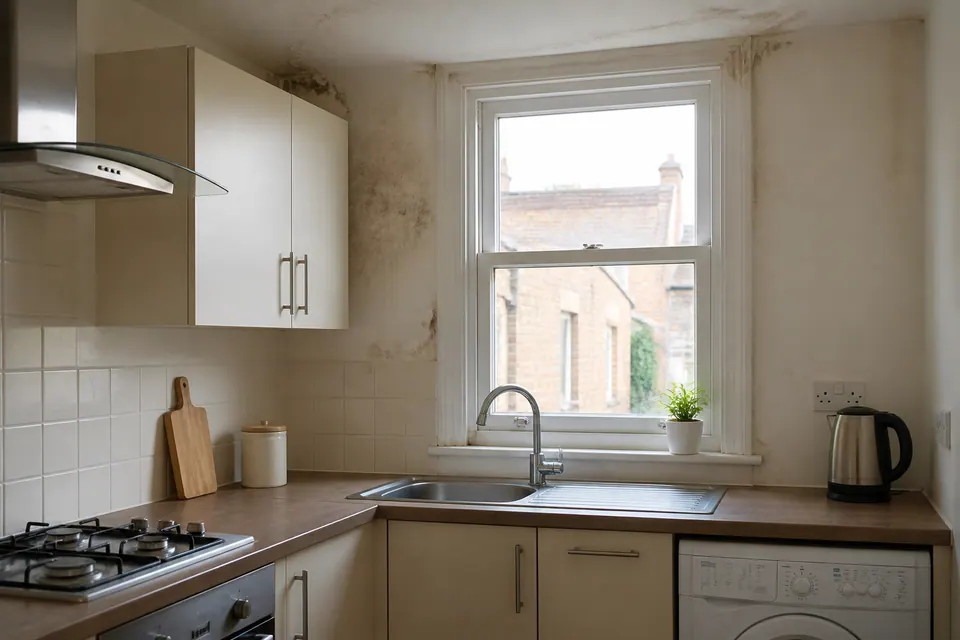
Entry contact · current layout · occupant guidance
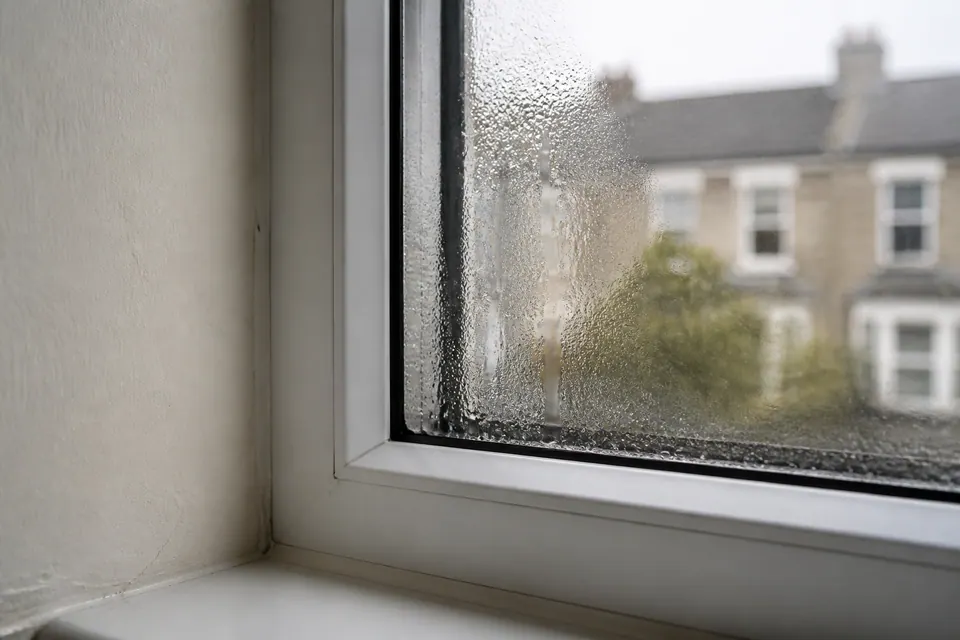
01 / WHEN IT COMES BACK
Record the visible return and explain any layout change since earlier work. A previous access arrangement may no longer apply, even if the mark appears in the same place.
Continuing moisture can remain relevant to recurrence, but an occupied-room routine or an entry problem does not diagnose it. Keep the surface history separate from the practical arrangements for a new visit.
Use current photographs and identify the person who can explain them. Do not assume an older booking record still describes the room, belongings or entry process accurately.
Whitechapel / ACCESS & PEOPLE
Provide the proposed surface information and identify what you do not know about the current room. Do not assume a confirmed date means preparation has been communicated.
They should know which room is involved and how to contact the relevant occupant. Arrival arrangements should not depend on an unnamed person being available.
They can explain belongings, essential use and any changes since the photographs. Make sure they receive the instructions relevant to the agreed method.
Tenants can supply room evidence and clarify permissions without treating building entry as authorisation for every surface. The enquiry does not determine legal responsibility.
Landlords should pass preparation information to the people affected, rather than relying only on a managing contact’s confirmation. A room may not be ready simply because the entrance is arranged.
Homeowners should identify both practical entry and the treatment boundary. Permission to reach the apartment is not a general agreement to move contents or work in unlisted areas.
03 / DIRECT ANSWERS
No. The finish, extent, condition and preparation still need a clear brief. Entry timing is one practical detail, not a substitute for the surface evidence.
No cosmetic step should replace review of the existing condition. Ask about preparation before covering the mark or changing the finish.
Not by itself. Provide current observations and history without treating ordinary use as a confirmed cause.
Identify the person providing actual entry and make sure they know the room involved. Preparation and return guidance should also reach the occupant.
The people who will use the room need the applicable information, even when someone else paid for or arranged the visit.
No. Name the affected finish and confirm its inclusion rather than assuming the address creates a whole-property scope.
Do not leave that as an assumption. Show the layout and agree responsibility for any preparation before attendance.
Only explicitly agreed appropriate work should be assumed included. Surface treatment and source-related maintenance have different boundaries.
04 / A CONTROLLED APPROACH
Review the affected finish and current room information before confirming the scope. Identify missing details rather than relying on an entry booking as evidence of readiness.
Confirm how the technician reaches the room and how occupants receive preparation guidance. Nearby contents and essential use should be discussed before arrival.
Carry out suitable treatment within the named surface boundary. Access to other rooms or shared areas should not imply their inclusion.
Give the applicable return information to the people using the room, with any remaining moisture or repair question clearly separated. A remote contact should not be the only person informed.
The schematic does not represent a universal appointment duration or show that every room becomes available merely because building access is secured.
Record the current finish and room layout.
Use the agreed entry and preparation arrangement.
Communicate the result and instructions to the occupant.
These stages are illustrative, not customer apartment-access records. Successful entry does not establish treatment suitability or resolution of a moisture source.
Whitechapel / THE PROPERTY BRIEF
The booking contact and the occupant may have different information.
Explain how the technician will enter, who will be present and which room is included. Pass the agreed preparation guidance to the people using the space before attendance. Any visitor procedure should be described factually rather than assumed to solve access to the finish once inside.
Whitechapel / PLAN THE APPOINTMENT
Send the postcode and explain the actual entry arrangement, including who can meet the technician. Keep the affected-room evidence and preparation information with that practical note so the visit is not organised around access alone.
Tell the booking contact if the room layout or person meeting the technician changes before attendance.
View the Whitechapel area map.
07 / QUOTATION, NOT GUESSWORK
The quotation depends on the suitable finish, extent and preparation. Provide entry information alongside current room evidence, not instead of it. Photographs may support a defined accessible area, while recurring or complex concerns can need assessment before pricing.
See the main mould-removal service ↗| Scope | Quotation basis | Practical detail to confirm |
|---|---|---|
| Suitable finish with clear room access | Photographs may support a quote | Confirm the present layout and treatment boundary |
| Recurrence or several affected areas | Assessment may be required | Identify included rooms and their occupants’ constraints |
| Damaged material or unresolved complex concern | Specialist quotation may be needed | Keep further work separate from the visitor arrangement |
Confirm the total, included surfaces and exclusions. An arranged entrance should not imply contents handling, work in other rooms or common-area treatment is part of the price.
08 / SEPARATE THE QUESTIONS
Keep the practical route and the condition evidence distinct. An occupied apartment needs both, but neither a visitor procedure nor a room-use pattern establishes the reason for a mark.
| Visible issue | Possible contributing factor | What may need checking |
|---|---|---|
| A mark on the internal reveal | Moisture near the window may be relevant | Describe the frame and glass observations separately from room access |
| Bathroom spotting in an occupied space | Repeated wetness may contribute | Review the actual finish and observations without assuming equipment performance |
| A wall stain with known maintenance history | Past or continuing moisture may matter | Attach reliable records to the named room |
| A patch returns after an earlier visit | An ongoing contributor may remain | Update the surface history rather than relying on the old booking details |
Leak work, ventilation changes, material replacement and wider investigation require their own agreement where relevant. A practical entry plan should not make those tasks implicit in treatment.
Mould refers to fungal growth and damp to excess moisture. The current finish and reliable history matter more to that distinction than a general label attached to the apartment booking.
| Question | Mould | Damp |
|---|---|---|
| The condition described | Growth on the identified room finish | Excess moisture affecting material or surroundings |
| Useful evidence | The current outline and coating condition | Observed wetness and reliable water history |
| A possible relationship | Growth can recur where moisture persists | Moisture may remain relevant after a completed visit |
| The next decision | What suitable work applies to the named surface? | Does a contributor require separate assessment or repair? |
09 / LOCATE THE ISSUE
Use the setting selector to locate the surface, then explain the route and current arrangement. Permission to enter a building does not necessarily mean the treatment room is accessible or prepared.
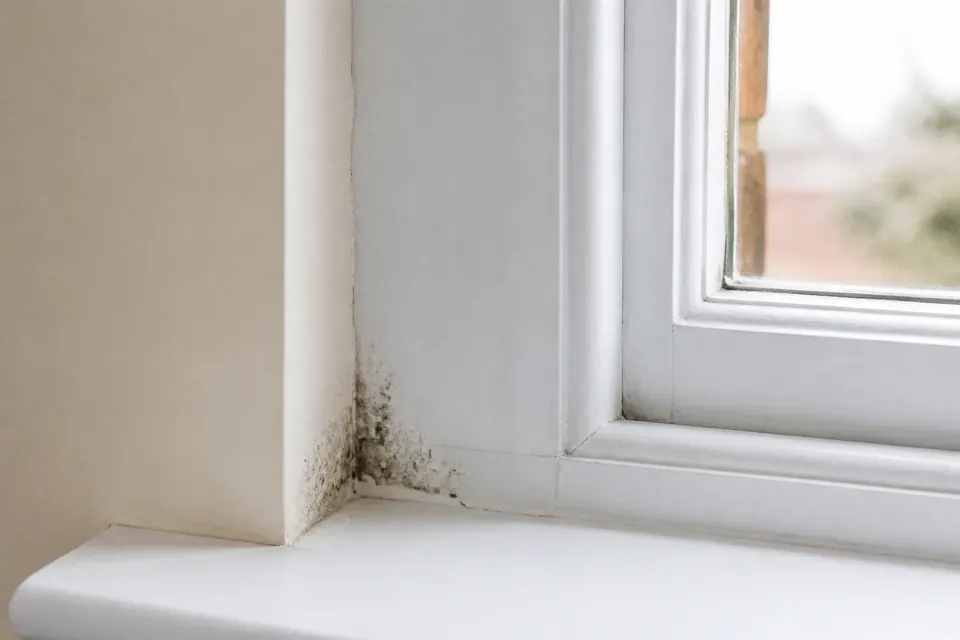
Show the frame and surrounding belongings in the room view. Entry to the apartment does not settle reach to the reveal, and furniture or equipment handling should not be assumed included.
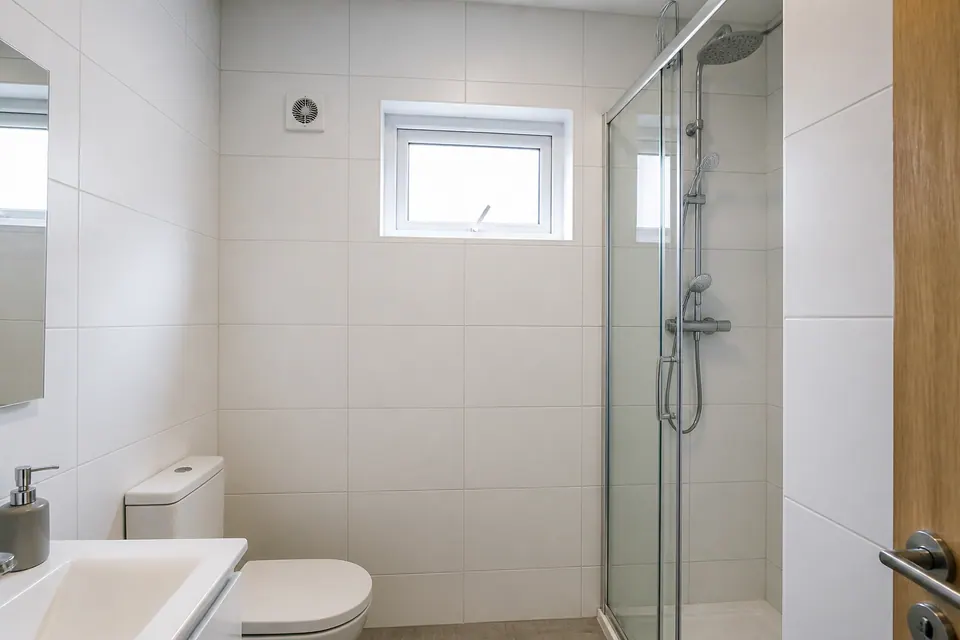
Identify the finish and fixed fittings, with any practical use constraint stated early. A visitor-entry slot should not be interpreted as a complete plan for preparation or return to bathroom use.
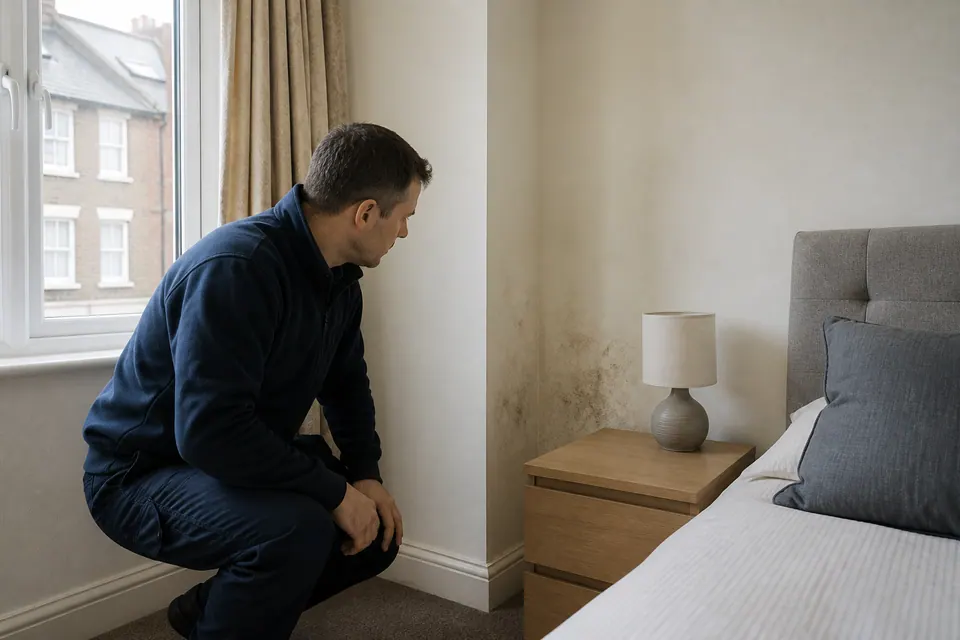
Make sure the person using the room knows the proposed arrangement and can explain the layout. A remote booking contact may not know which belongings restrict the affected wall.
Name the actual wall or component and provide any confirmed water history. Do not assume a general apartment visit includes every room beyond the initially described finish.
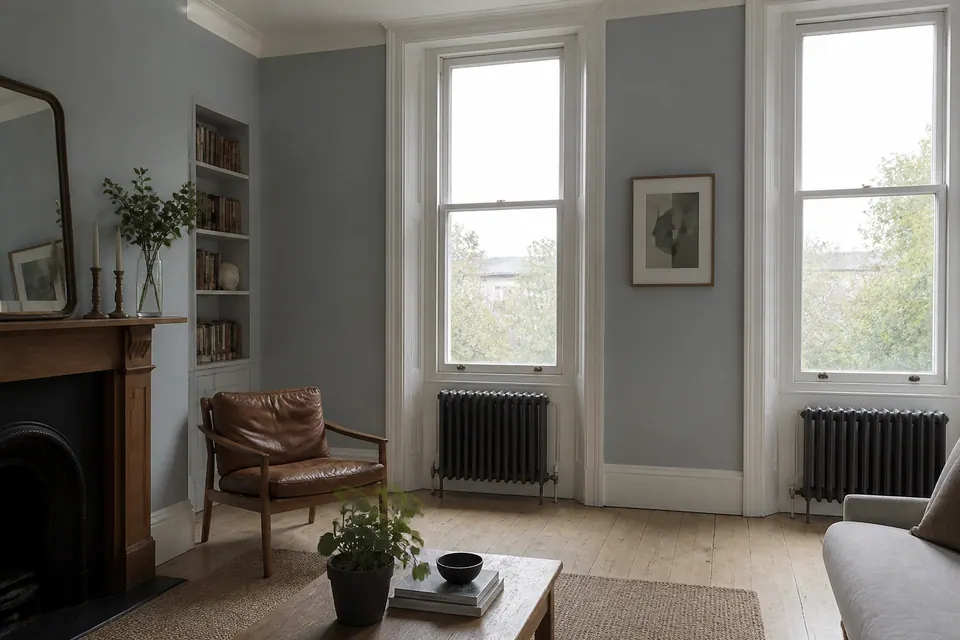
Include the space around the mark and the path through the room. A close-up alone can conceal a preparation issue that is only obvious once the technician arrives.
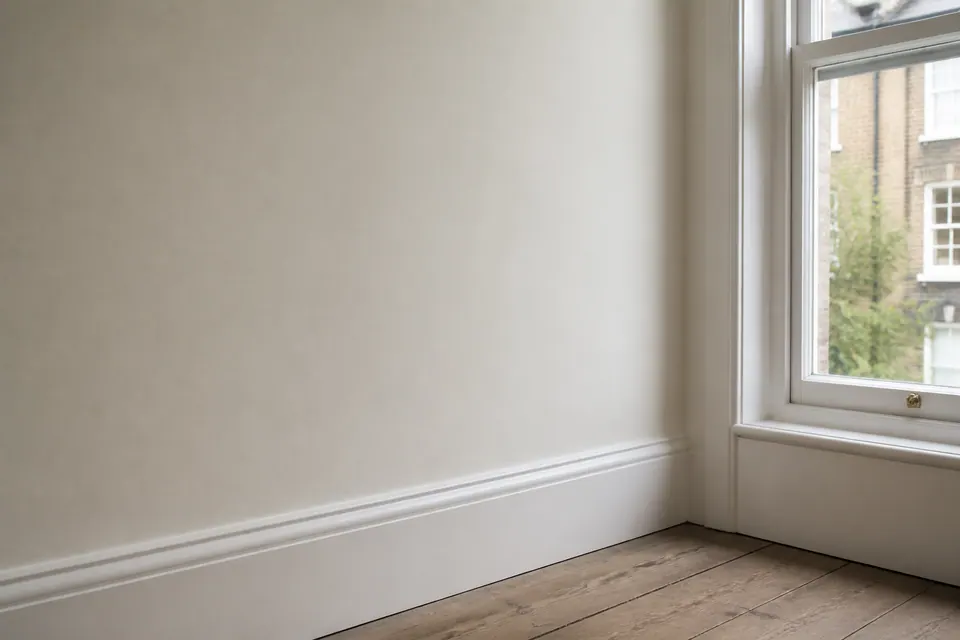
Describe the visible material and any damaged portion without moving affected items merely to make the room appear ready. Suitability and preparation need their own agreement.
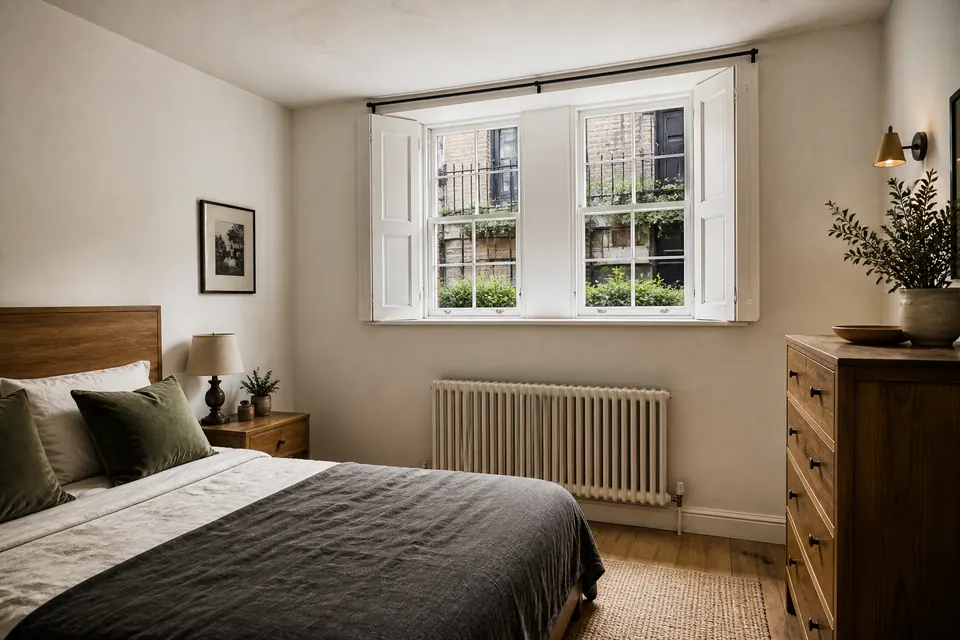
Explain whether entry to the room also provides access to the enclosure. Keep any locked, obscured or unapproved area outside an assumed treatment scope.
An arrival arrangement is only one part of the visit. Keep the room’s present condition and preparation information attached to it so access does not become a substitute for a treatment brief.
10 / ROOM-BY-ROOM CONTEXT
For a bathroom, identify the actual finish and ordinary-use constraint. The preparation plan needs more information than a building visitor slot.
For a bedroom, involve the occupant in describing contents and access. A remote organiser may not know the current arrangement beside the wall.
For a kitchen, state the specific surface and any known water history. Do not add it automatically to a visit arranged for another room.
For a living room, show the route and working area in the same layout view. That helps identify preparation issues before arrival.
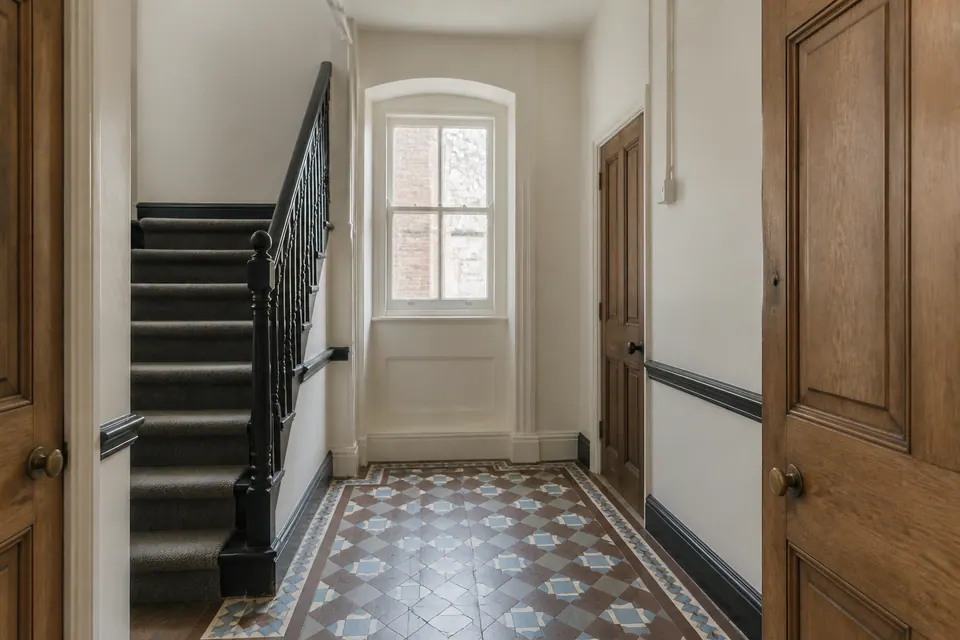
Common hallways remain separately managed or authorised where applicable. Using them to reach the apartment does not include their surfaces in treatment.
For a lower-ground apartment, provide floor level and reliable water history alongside entry information. Practical access does not settle the material or moisture question.
Whitechapel / BEFORE BOOKING
Make the entry contact, current room and instruction recipient explicit before the appointment is confirmed.
Describe the arrangement actually needed to reach the apartment and identify the person available to meet the technician. Avoid relying on an unspecified contact being present.
Yes, but keep their roles clear. The occupant’s current layout and preparation constraints should still be communicated before attendance.
No. The finish, belongings and agreed preparation need their own check; a visitor arrangement does not establish working clearance.
Use a present view where possible and explain any change since older images. An earlier clear layout may no longer describe the space.
Do not assume it is included. Describe additional concerns in advance so their suitability, access and proposed scope can be considered.
Clarify any preparation responsibility before the visit. Do not rely on an unagreed last-minute arrangement after the technician arrives.
The people using the treated space need the applicable instructions. Agree how information reaches them if the booking contact is elsewhere.
Tell the booking contact promptly and update who can provide entry. Do not assume an old visitor note remains accurate.
The named surface work, occupant instructions, any excluded area and remaining repair or moisture question. Entry to the apartment should not be mistaken for a whole-property completion claim.
A PROPERTY-SPECIFIC NEXT STEP
Send the Whitechapel postcode, meeting contact and current room layout. Make sure the agreed preparation and return information will reach the people using the space.
The illustrations depict apartment settings, not customer access records or confirmation that a particular room was prepared for treatment.
