
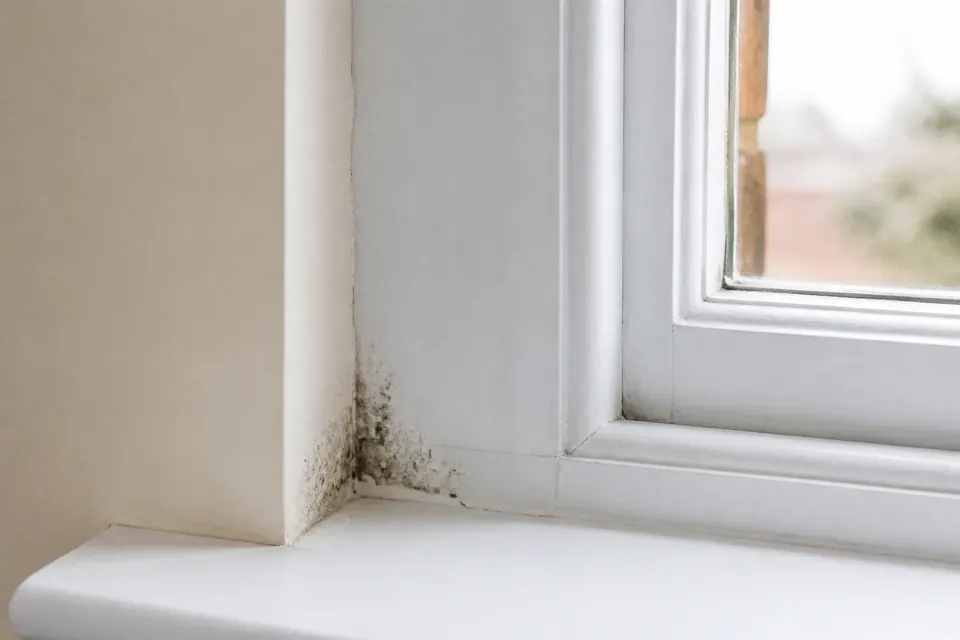
A window reveal across seasons
Label the same window and side in each image. Record actual water observations and known frame work between dates without assuming the season identifies the cause.
Brentwood / DATED RECURRENCE EVIDENCE
A sequence is more useful than “every winter”.
When marks seem to return at similar times, record what was actually observed and what happened between appearances. For Brentwood, confirm postcode availability and provide a dated history without turning a seasonal pattern into a confirmed moisture explanation.
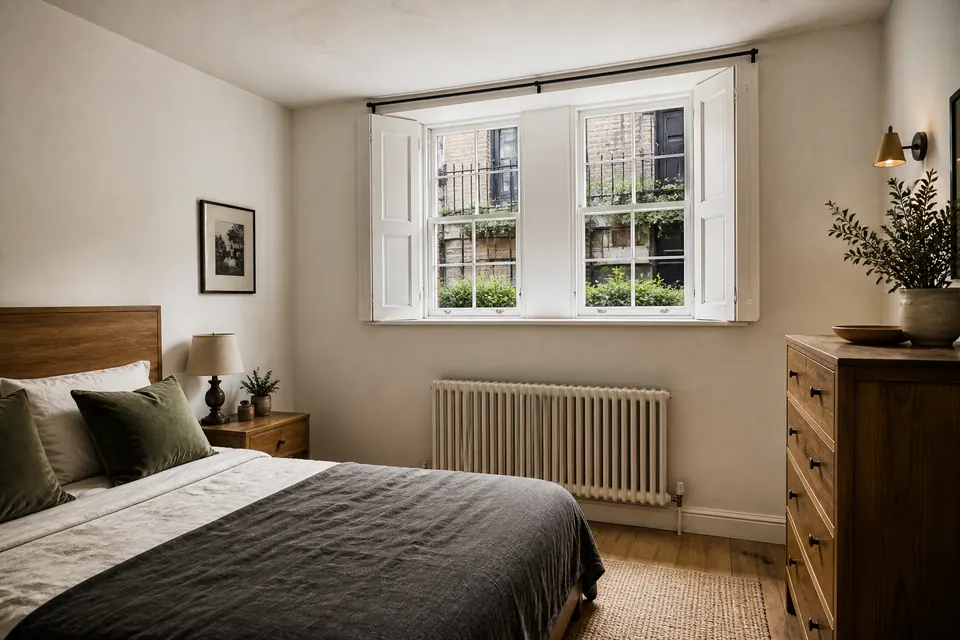
Dates · visible changes · treatment history
01 / SEPARATE THE QUESTIONS
A timeline can reveal useful contrasts while leaving the explanation open for assessment.
| Recorded pattern | Information to add | Question still open |
|---|---|---|
| Marks noticed in similar months | Actual dates and current material | What moisture context needs review? |
| A patch returns after treatment | Interval and accepted previous scope | What remained unresolved between visits? |
| A different outline follows repair | Confirmed repair and current view | Is this the same surface concern? |
| An area appears after furniture moves | When it became visible | Is it newly observed rather than newly developed? |
Do not infer ventilation work, insulation changes or leak repairs from the month when marks appeared. Separate investigations or improvements need their own agreed scope.
A photograph dates visible appearance; it does not necessarily date the start or source of moisture.
| Question | Mould | Damp |
|---|---|---|
| What can be dated? | When visible marks were documented | A witnessed water event or confirmed repair |
| What may remain unknown? | When growth first began | How long a moisture condition persisted |
| Why retain the distinction? | Current suitability can change between appearances | A recurring pattern needs assessment, not assumption |
| What should be agreed? | Suitable treatment of the present surface | Any separately required investigation or repair |
02 / LOCATE THE ISSUE
Select the setting and keep its reference consistent across photographs. A general memory about the home should not replace a specific surface history.
Label the same window and side in each image. Record actual water observations and known frame work between dates without assuming the season identifies the cause.
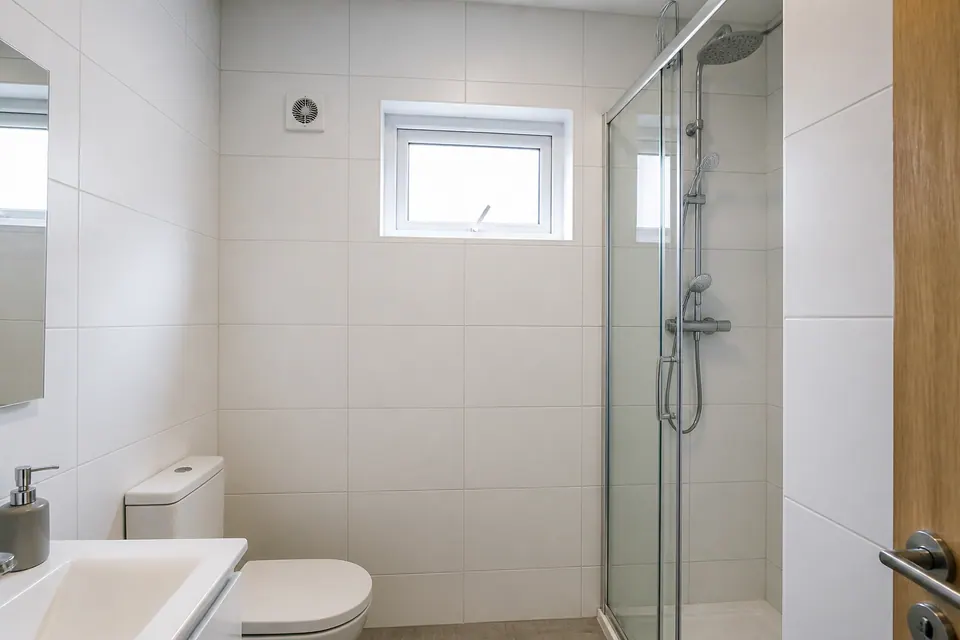
Note changes in the finish and any known maintenance. Do not present ordinary bathroom use as the explanation merely because the dates seem similar.
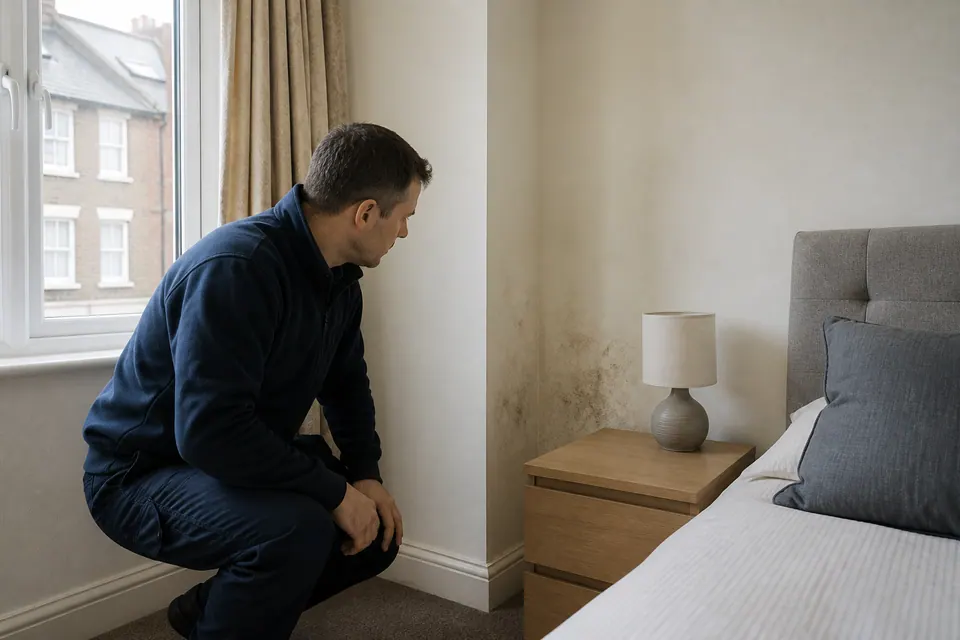
Use a fixed room feature to orient older and current images. State if furniture or access changed between them so newly visible areas are not mistaken for new growth.
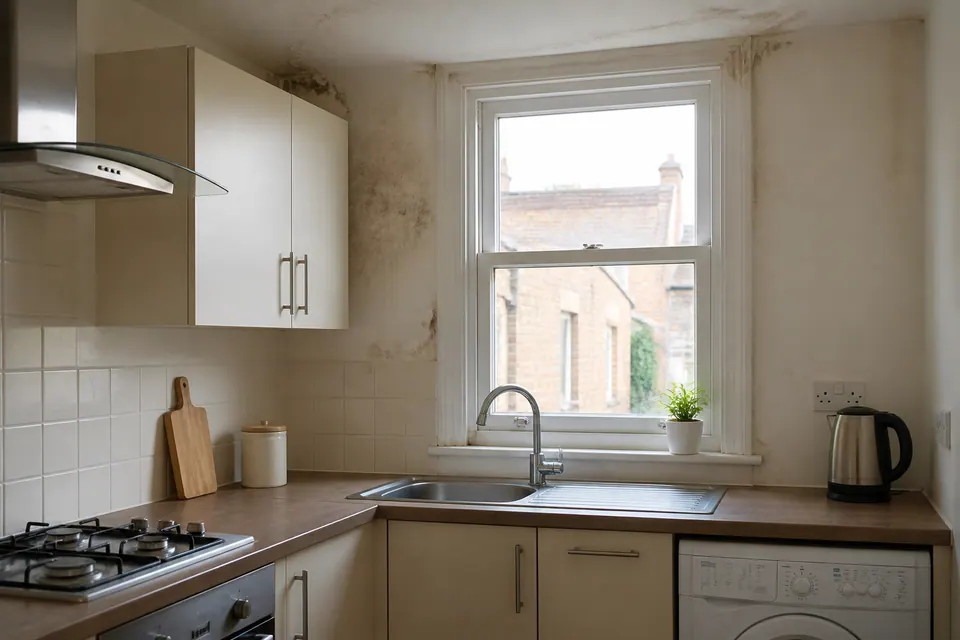
Separate known water events, cleaning and decoration in the sequence. Timing alone cannot establish which one explains the present condition.
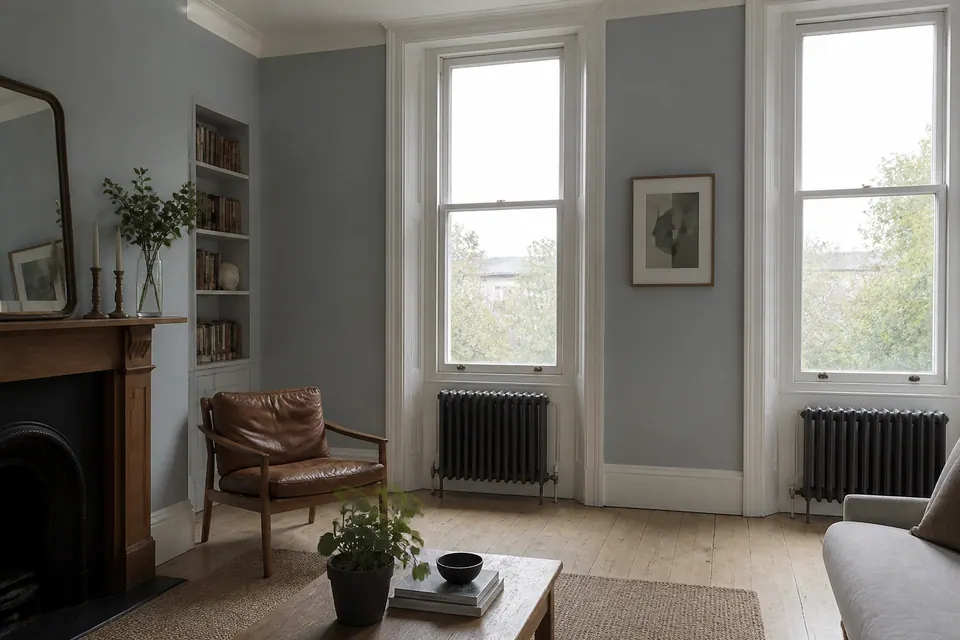
Distinguish a longstanding stain from new spotting. Different light or camera angles can alter appearance, so add factual observations in words.
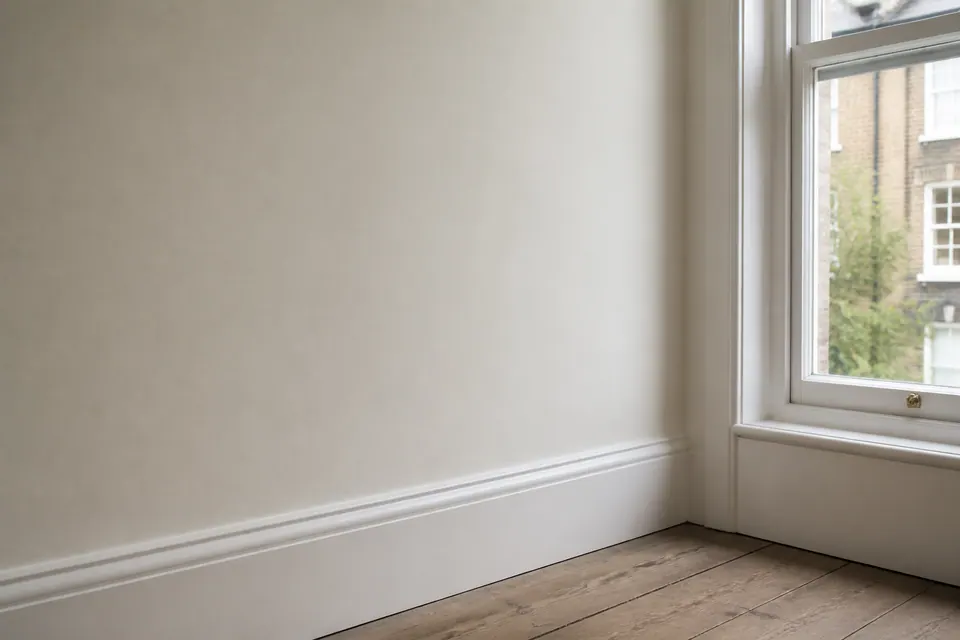
Describe the actual material and current deterioration. Repetition does not guarantee that the same method remains suitable.
Record when the area became visible as well as when marks were noticed. A change in access should not be treated as proof of a new condition.
A recurring calendar pattern can guide questions, but it does not establish the moisture source or replace assessment of the current finish.
Brentwood / THE PROPERTY BRIEF
Keep a dated observation separate from an explanation.
Confirm availability for the full Brentwood postcode and submit the current evidence first. Add earlier photographs where available, with known work or events between them. If the timing is remembered rather than documented, say so. Ask what needs assessment now instead of assuming another seasonal application is automatically the appropriate response.
04 / A CONTROLLED APPROACH
Compare reliable earlier evidence while identifying present material and extent. Do not substitute a recurring date for current assessment.
Discuss the actual room arrangement and proposed method. Earlier preparation instructions should not be assumed unchanged.
Follow the suitable scope agreed for this condition. A returning patch may involve different limits from the previous visit.
Keep the treated area, remaining appearance and separate questions with the dated history. Avoid a permanent-result promise based on another attendance.
The sequence improves clarity rather than promising that a repeated seasonal visit resolves every cause.
Distinguish current and earlier views.
Do not assume last year’s scope applies.
Identify remaining stain, damage and further questions.
These drawings are explanatory stages, not customer seasonal results or a guarantee against future recurrence.
05 / QUOTATION, NOT GUESSWORK
For Brentwood, confirm coverage and send the current affected extent alongside the reliable sequence. A quotation should not simply repeat an old price because the marks appeared at a similar time of year.
Read the current quotation approach ↗| Current concern | Quotation route | History to include |
|---|---|---|
| Limited suitable accessible surface | Photographs may support pricing | Current condition and prior work |
| Recurring or several affected areas | Assessment informs the proposal | Separate dated records for each |
| Deteriorated material or complex moisture | Specialist quotation may be needed | Unresolved repair and condition questions |
Confirm availability, inclusions and total for the new scope. A previous price or familiar season does not establish that the same work remains appropriate.
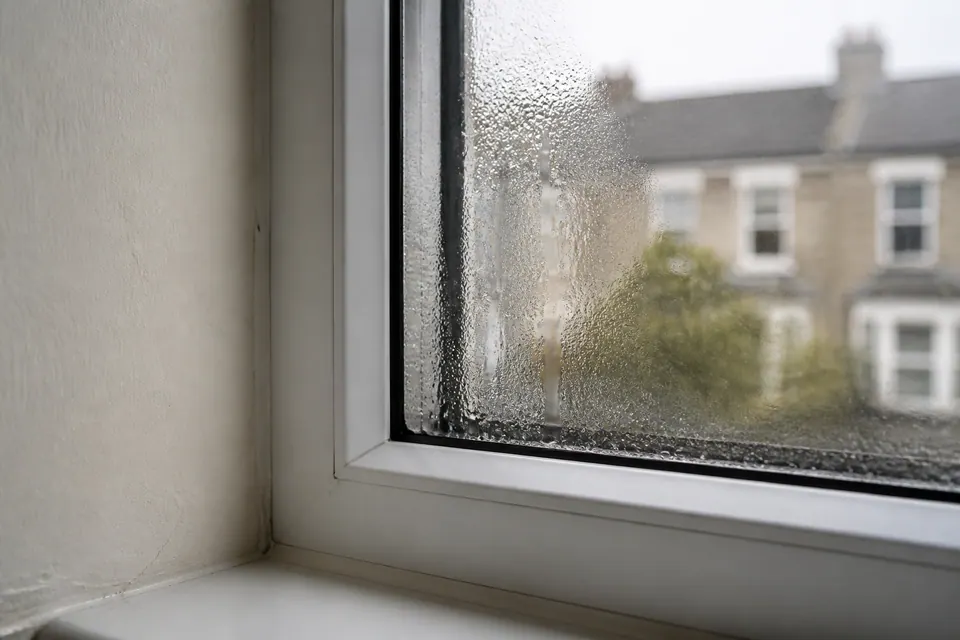
06 / WHEN IT COMES BACK
List confirmed treatment, repair, decoration or access changes in chronological order. Keep ordinary seasonal observations separate from a claim that they caused the marks.
The useful comparison is not only whether a patch returned, but whether its outline, material or surrounding condition changed. That evidence may support a different next-step discussion.
Approximate dates are acceptable when identified as such. Do not invent exact timing or reconstruct a before condition to make the pattern look more consistent.
Brentwood / ACCESS & PEOPLE
Label each image with the room and date. Include current material information that the older photograph may not show.
Ask the authorised contact for relevant available details. A reported visit should not become a confirmed treatment description without evidence.
Record the access change so newly exposed material is not automatically classified as fresh growth.
Share the dated sequence factually with the booking contact. It does not by itself determine repair responsibility or a legal conclusion.
Connect maintenance records to the correct surface and period. Do not apply one room’s repair across all recurring marks.
Use the timeline to ask what is appropriate now. Keep proposed building improvements and decorative work separate from the accepted removal scope.
08 / ROOM-BY-ROOM CONTEXT
Record known maintenance and present finish. Similar calendar timing does not establish a universal bathroom explanation.
Identify the same wall across views and note furniture changes. A newly exposed strip may not be a newly developed patch.
Place known water events and treatments in order. Do not infer a source simply from when a photograph was taken.
Distinguish old stains from new visible growth-like change. Lighting differences should not be treated as proof of progression.
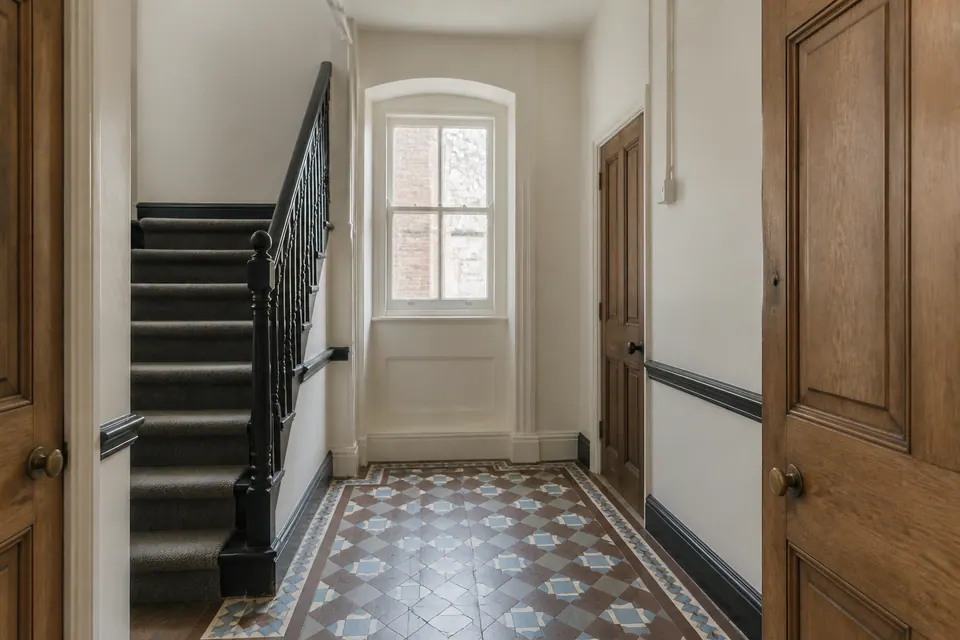
Use clear location references and relevant authorisation. A private room’s history does not describe common parts.
Add actual water observations and known work. Floor level and season together still do not establish a damp diagnosis.
09 / DIRECT ANSWERS
Yes, when clearly labelled as earlier or current views of the same area. Include material and known history rather than relying on the dates alone.
Do not cover current evidence to follow a seasonal routine. Decoration is separate from assessing growth, damage and moisture.
No. Timing is relevant context but does not establish the source. Report actual observations and leave the explanation open.
Not necessarily. Current extent, material condition, preparation and the accepted method may differ.
Ask for guidance for the work now proposed. Do not assume earlier instructions apply unchanged to a different scope or method.
Record that contrast separately. A whole-property seasonal description can hide differences that matter to assessment.
They are useful confirmed history. Explain the work without assuming it resolves every current mark or moisture question.
Not automatically. Clarify the assessment boundaries and any separate investigation rather than assuming a complete building diagnosis.
Brentwood / PLAN THE APPOINTMENT
Confirm availability for the complete Brentwood postcode before arranging another visit. Supply current evidence and the known sequence so the next step reflects today’s condition.
The map is location context only, not a coverage guarantee, a local office or a seasonal service promise.
Load the Brentwood map for address planning.
Brentwood / BEFORE BOOKING
Use the chronology to improve assessment without treating the calendar as a diagnosis.
No. Record the timing and actual moisture observations, but leave the source open for assessment rather than diagnosing from the season.
No. Check the full postcode and proposed availability before preparing for another visit.
State that clearly. A reliable approximate sequence is better than an invented exact date.
Yes. Identify the room, surface and date so earlier extent is not mistaken for the present condition.
They can make appearance harder to compare. Add factual observations and use fixed room features without editing the patch to exaggerate differences.
Include confirmed work and its location. Do not assume the repair resolved every current moisture question.
No. Current extent, material and access may differ, so ask for a proposal based on the present condition.
Record that fact. Newly observed marks should not automatically be described as newly developed growth.
No permanent outcome should be assumed. Continuing moisture and material condition may require separate assessment or repair.
REPLACE THE GENERAL PATTERN WITH EVIDENCE
Send the postcode, current view and reliable earlier records. Confirm availability and ask what the present finish needs rather than assuming another seasonal repeat.
The illustrations are not customer case records or proof of treatment outcomes across seasons.
