
Painted reveals
Describe coating condition and the exact earlier treatment area. Repetition does not guarantee the material remains unchanged.
Staines-upon-Thames / RETURNING WINDOW MARKS
Start with the interval and the actual finish.
When the same reveal has been cleaned before, the next enquiry should explain how soon marks returned and what work occurred between appearances. For Staines-upon-Thames, confirm postcode availability and review the present material instead of assuming another cosmetic application is enough.
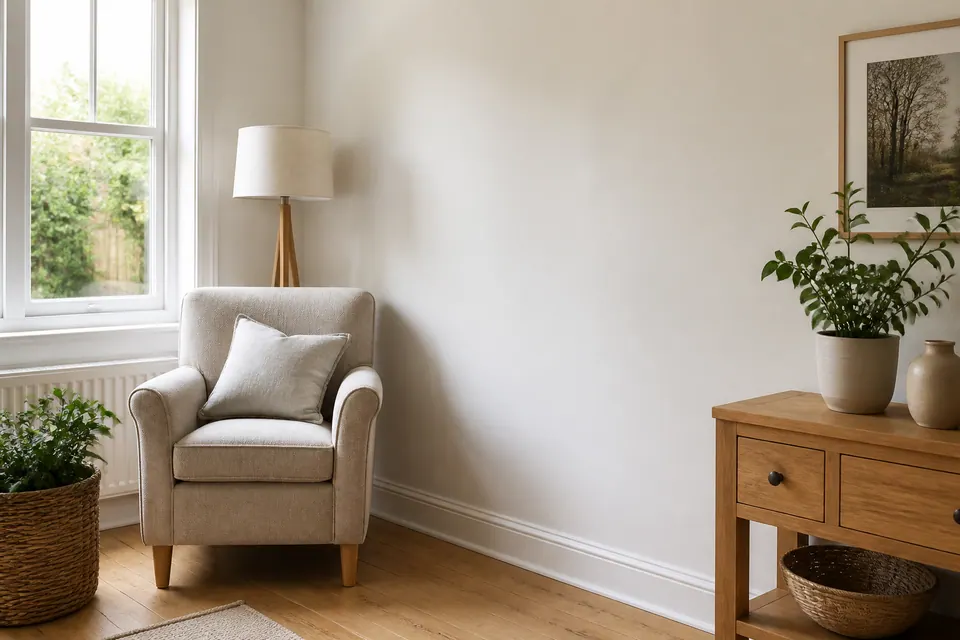
Return interval · material · known repair
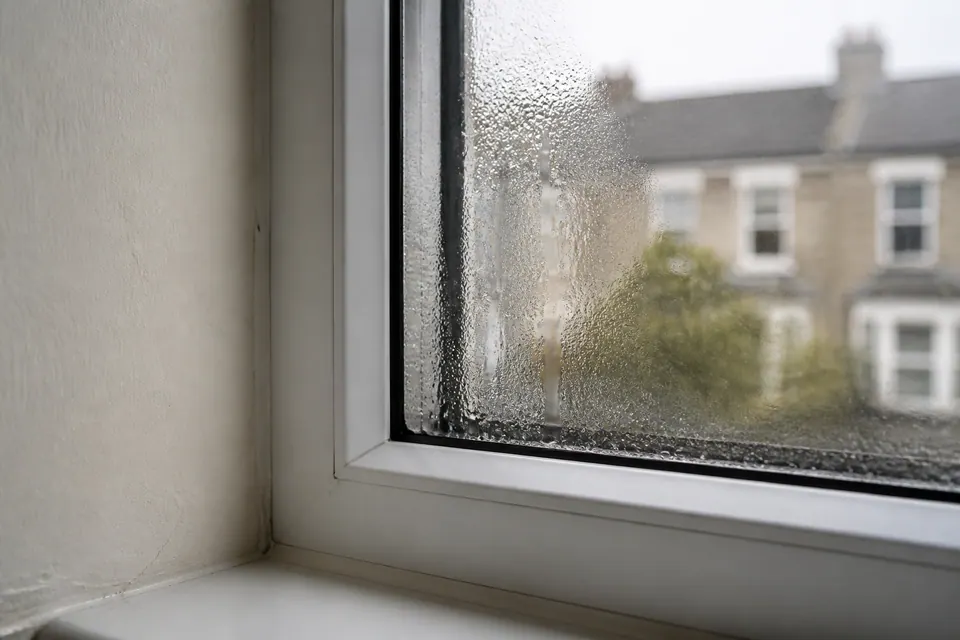
01 / WHEN IT COMES BACK
List confirmed treatment, frame work or water observations in order. If a date or product is unknown, say so rather than creating a precise but unreliable history.
The return interval can support assessment without establishing a single cause. Current material damage or a changed boundary may alter what is appropriate now.
Label the room and side so a later enquiry does not confuse one returning reveal with another opening.
Staines-upon-Thames / ACCESS & PEOPLE
Describe coating condition and the exact earlier treatment area. Repetition does not guarantee the material remains unchanged.
Identify the material and any lifting. A cosmetic layer may add a separate suitability question.
Provide the actual work history without judging success or failure from the patch alone.
Share the recurrence record with the authorised contact. Do not repeat treatment to demonstrate the issue before assessment.
Connect previous work to the correct window and date. Avoid applying one repair record to every opening.
Ask what the current reveal needs and which window or moisture task is separate. Keep decoration outside an assumed removal result.
03 / DIRECT ANSWERS
Do not add another application merely to recreate the previous result. Provide the current condition and ask for preparation advice.
Do not assume a permanent result from a new coat. Assess current growth, material and moisture context before decoration.
Not by itself. Give the confirmed repair and current evidence without assigning a conclusion.
Not necessarily. Current extent, finish condition, access and the accepted method may differ.
Ask for guidance for the work now proposed rather than assuming previous instructions apply unchanged.
Describe it separately from the returning reveal. Different materials can have different treatment or replacement limits.
Only report relevant observed areas with their own histories. Do not transfer one reveal’s condition across the property.
No. Surface work does not by itself change all conditions affecting moisture at the window.
04 / A CONTROLLED APPROACH
Compare the present area with known previous work. Distinguish recurrence from residual stain or newly exposed material.
Discuss actual access and the proposed method. Do not assume the earlier preparation or product is appropriate again.
Follow the current agreed scope and material limits. Changed extent or damage may need another decision.
Keep the treated area and any remaining moisture or appearance questions clear. Avoid promising that repeat attendance ends recurrence permanently.
The sequence supports a fresh assessment rather than a routine cosmetic repeat.
Keep the actual finish and interval in the evidence.
Do not automatically reuse the previous method.
Record separate repair and decorative questions.
The illustrations explain stages and do not document customer recurrence outcomes or permanent window results.
Staines-upon-Thames / THE PROPERTY BRIEF
Avoid treating recurrence as a reason to skip assessment.
Confirm availability at the complete Staines-upon-Thames postcode and provide the current window-area view. Explain previous cleaning or treatment only where known, with the approximate return interval and any confirmed repair between appearances. Ask what is suitable for the finish now and which moisture questions remain separate from surface removal.
Staines-upon-Thames / PLAN THE APPOINTMENT
Confirm availability for the complete Staines-upon-Thames postcode before arranging another visit. Send the current reveal evidence and reliable intervening history.
Use the map to locate the property and discuss access if needed.
Load the Staines-upon-Thames area map.
07 / QUOTATION, NOT GUESSWORK
For Staines-upon-Thames, confirm coverage and send present dimensions, material and reliable history. The proposal should reflect the current finish and unresolved questions rather than automatically repeat an earlier price or method.
Review the current quotation scope ↗| Present area | Quotation route | History to clarify |
|---|---|---|
| Limited suitable accessible finish | Photographs may support pricing | Current condition and prior work |
| Returning or several window patches | Assessment informs the proposal | Individual intervals and locations |
| Damage or complex moisture concern | Specialist quotation may be needed | Separate repair and material questions |
Confirm availability and the new inclusions. An earlier quote does not establish today’s scope or guarantee that another application resolves the moisture condition.
08 / SEPARATE THE QUESTIONS
A returning window patch needs current material and moisture context rather than an automatic repeat of the previous approach.
| Current observation | History to add | What needs assessment |
|---|---|---|
| Marks within the earlier reveal area | Previous work and return interval | Current suitability and continuing moisture |
| A changed outline beside the old patch | Earlier and current views | Whether the scope has changed |
| Return after a frame repair | Confirmed task and timing | Present condition without judging the repair |
| Residual stain with new spotting | What remained and what is recent | Different appearance and treatment limits |
Frame work, ventilation changes and damaged-finish replacement require separate agreement. Recurrence should not turn a surface quotation into an assumed complete window remedy.
The return of visible marks does not date or identify every moisture condition affecting the surround.
| Question | Mould | Damp |
|---|---|---|
| What returned visibly? | The current marks on the named finish | Not automatically a confirmed water source |
| What history matters? | Previous surface work and material change | Actual water or completed repair information |
| Why review again? | The finish or extent may differ now | A separate moisture question may remain |
| What should be agreed? | Suitable present treatment and limitations | Any other repair or investigation |
09 / LOCATE THE ISSUE
Choose the setting and identify the exact finish. Keep a returning reveal separate from nearby new marks or an old stain.
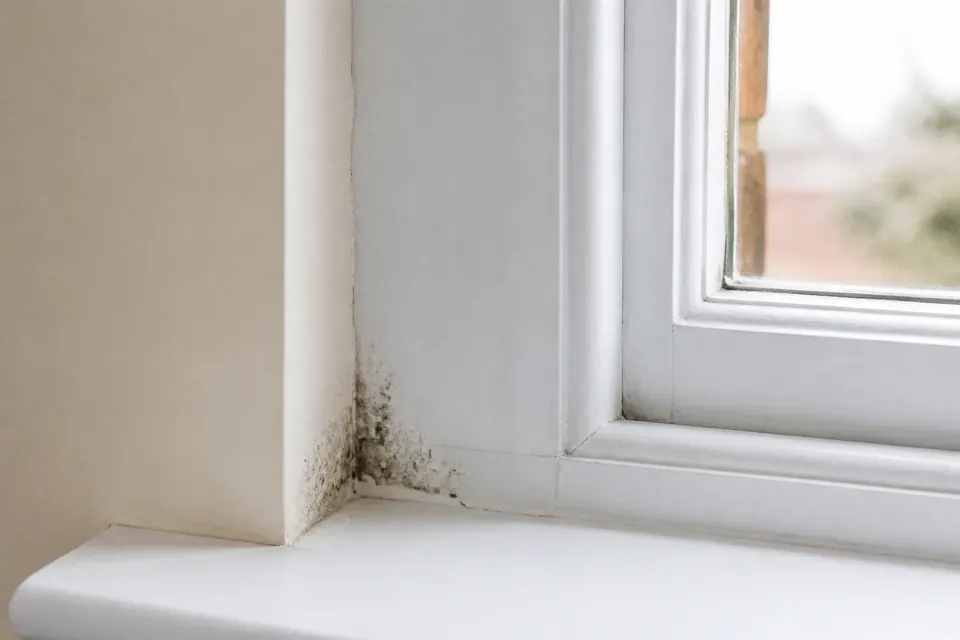
Show the current outline and state which side was treated before. A general window-cleaning history may not identify the actual surface.
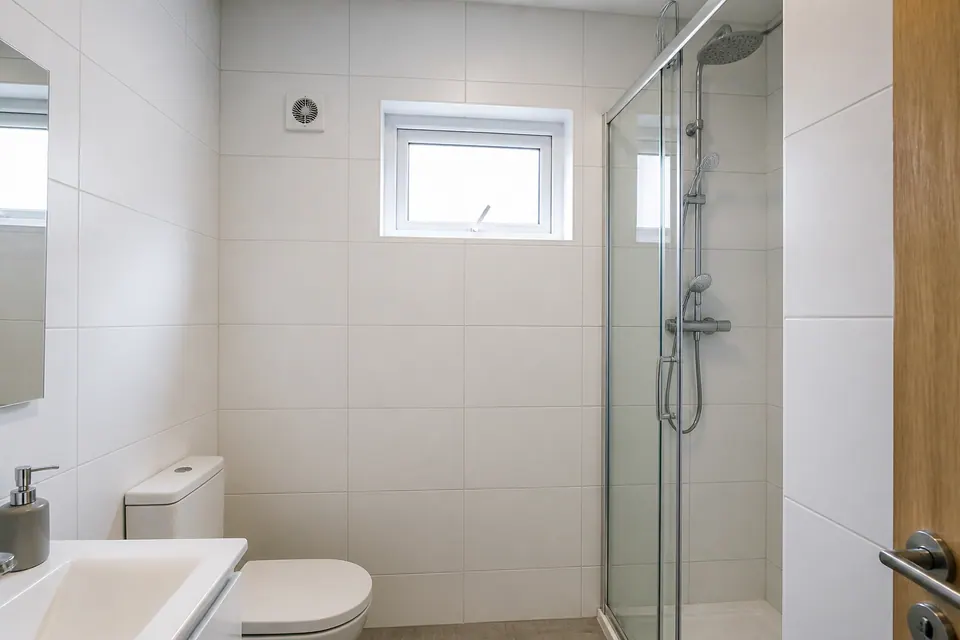
Describe the material and known previous work independently from sealant or ceiling concerns. Their histories may differ.
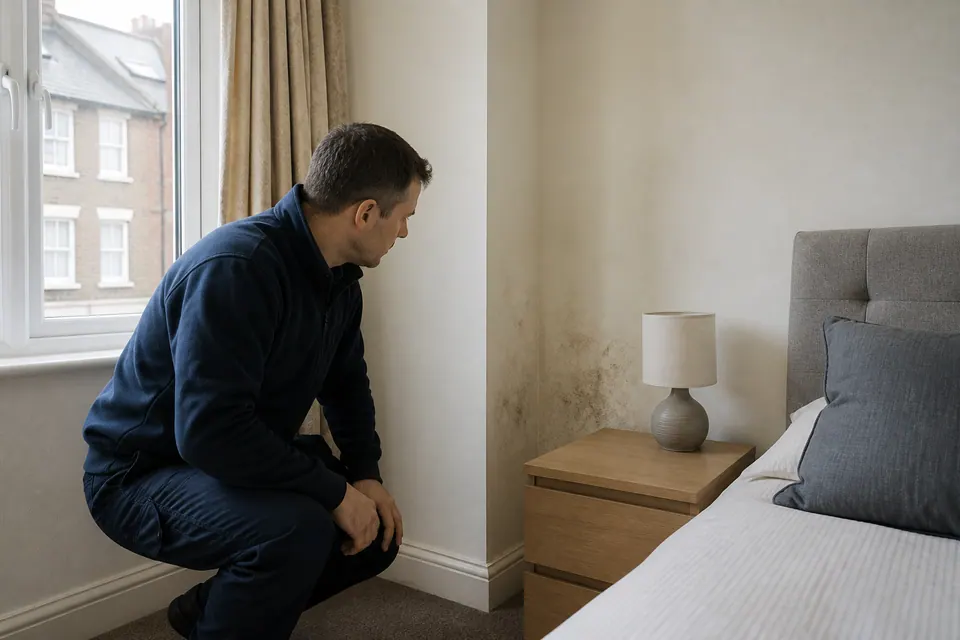
Include the surrounding wall and access limits. State whether the current patch is within the earlier area or newly visible.
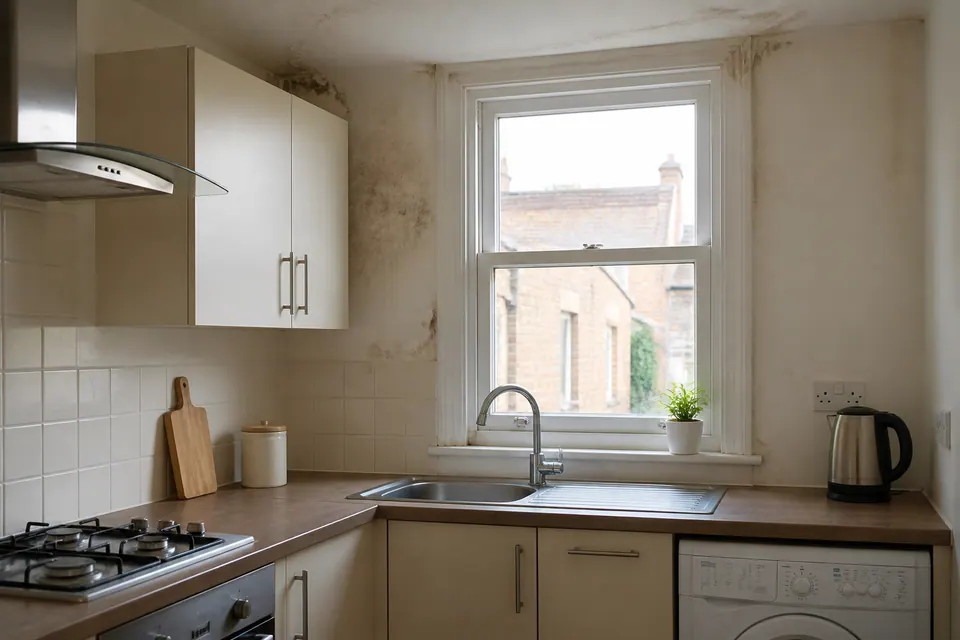
Give confirmed work between appearances and present material condition. Do not assume a repair resolved every moisture question.
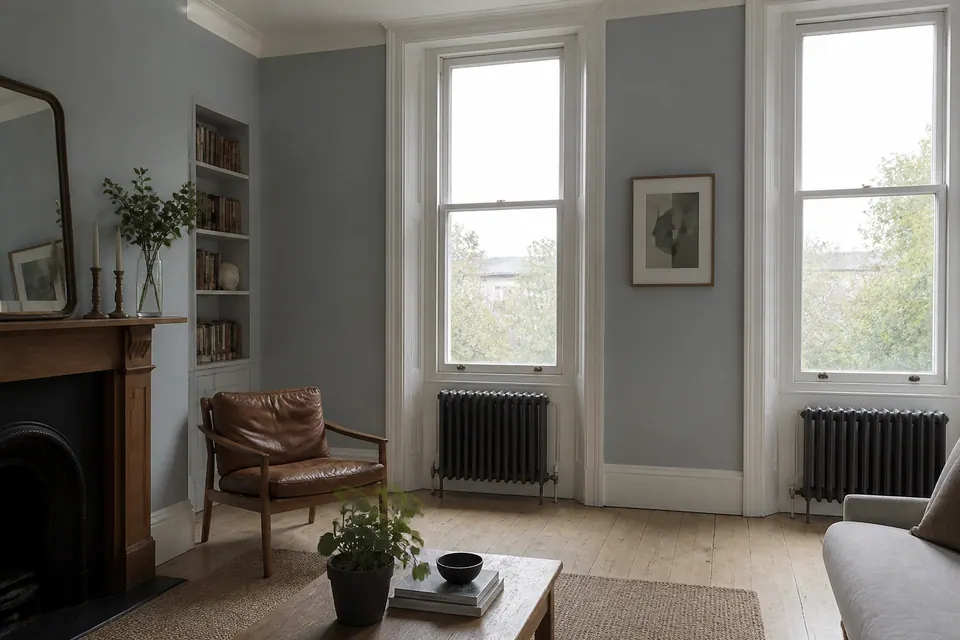
Separate the returning change from a stain that never disappeared. The same appearance should not be claimed without comparison.
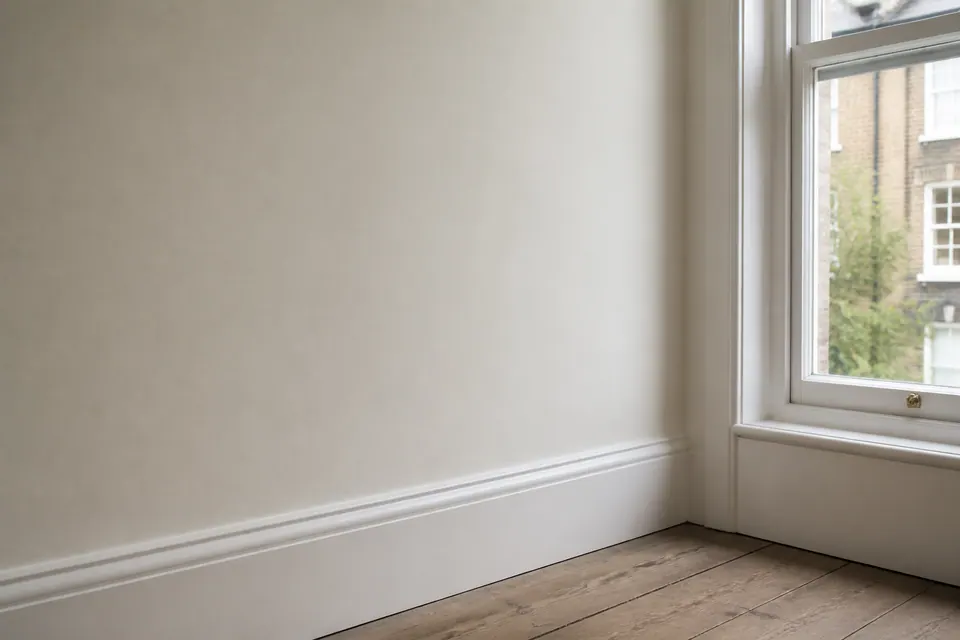
Use a safe wider view and describe height. Do not reach or scrape the finish to demonstrate that the marks returned.
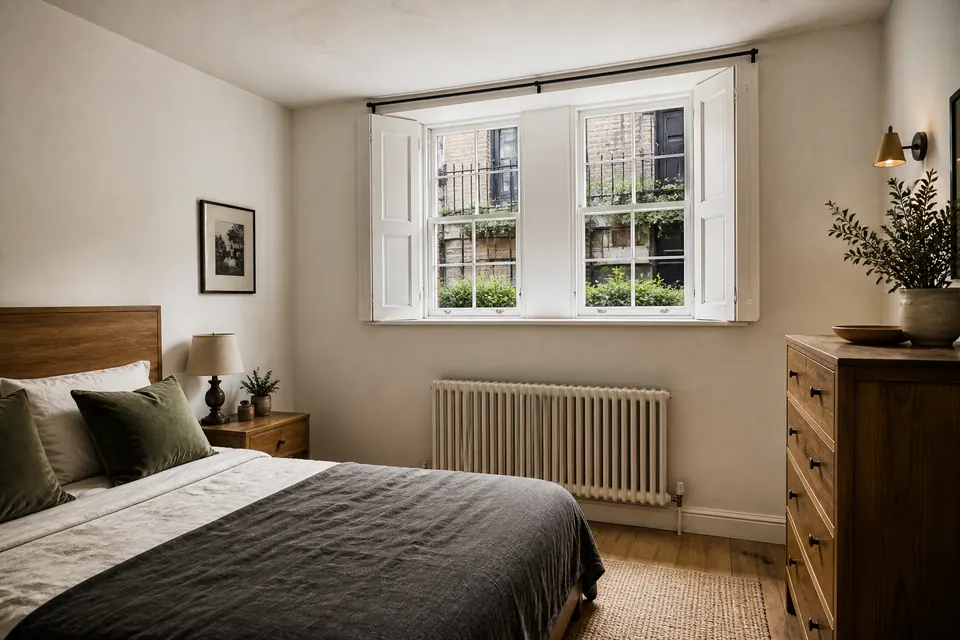
State what can now be seen and whether access changed. Newly exposed material is not automatically recurrence after treatment.
A return interval is useful evidence but does not establish the cause or guarantee that the earlier method is appropriate now.
10 / ROOM-BY-ROOM CONTEXT
Identify the returning reveal separately from sealant or ceiling marks. Materials and histories can differ.
Show current furniture and the surrounding wall. Newly visible areas should not be automatically labelled recurrence.
Include confirmed maintenance and actual water observations without choosing the source from the room use.
Distinguish a stain that remained from a newly returned change. Their cosmetic outcomes may differ.
Confirm the specific opening and authorisation. Common-area work is not automatically included in a private visit.
Provide actual level and water history. Position does not establish the cause or a universal repeat method.
Staines-upon-Thames / BEFORE BOOKING
Use the history to improve the next assessment rather than assume an identical repeat.
Yes, approximately if necessary. Keep the interval linked to the actual surface treated rather than the whole room.
No. Check the full postcode before arranging another visit or preparation.
State that it is unknown and describe the current finish. Do not guess or apply another product for demonstration.
No. Supply the work history and present observations without making that conclusion from appearance alone.
The current material, extent and access should be reviewed. An earlier price does not establish the new scope.
Distinguish residual appearance from a new change. They should not automatically be described as the same recurrence.
Only report actual observations and its own history. Do not copy the returning reveal’s condition across other openings.
No permanent outcome should be assumed. Continuing moisture and material condition can require separate attention.
Retain the current view, accepted area and known work between appearances so later changes can be described accurately.
REVIEW THE PRESENT FINISH, NOT JUST THE REPEAT
Send the postcode, current view and approximate return interval with known repair history. Confirm availability and ask what is appropriate for the finish now.
The room scenes are illustrative and do not prove customer repeat-treatment or permanent-removal outcomes.
