
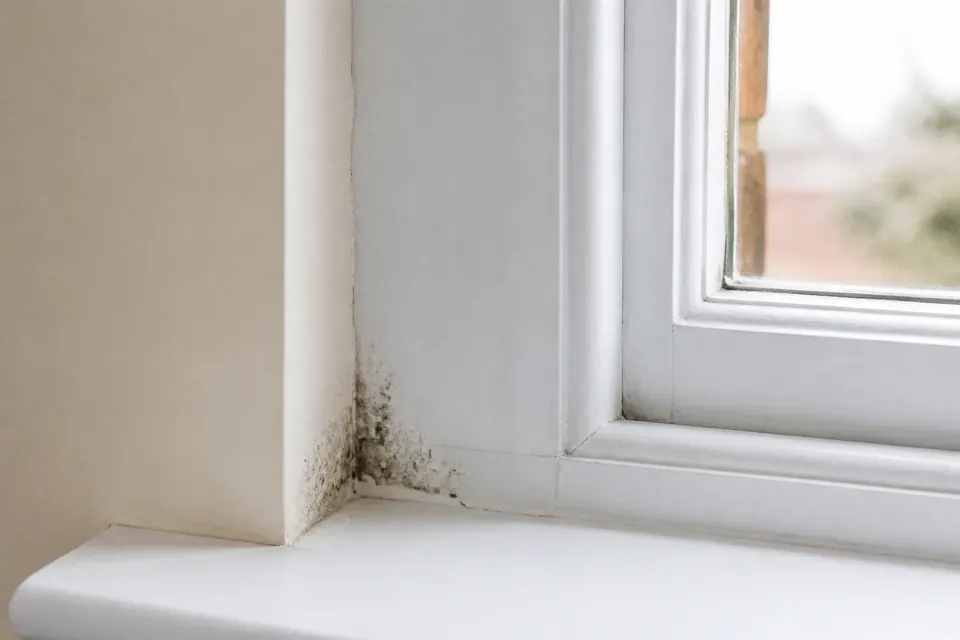
Windows beside an occupied space
Say whether the window is beside a bed, desk or dining area. Show the reveal without shifting furniture into the marked surface; clearance can be planned once the proposed work is understood.
Hounslow / OCCUPIED HOMES
A visit needs more than an empty slot.
A bedroom may be needed again that evening; a kitchen may be the only place to prepare meals. Explain those constraints at the start of your Hounslow enquiry so preparation and return arrangements can be discussed before a date is accepted.
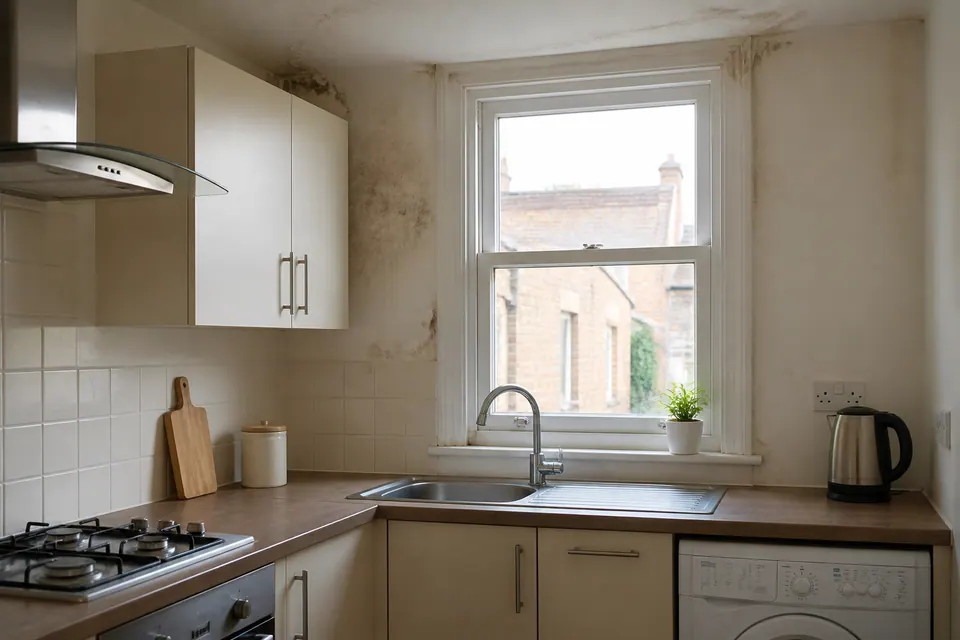
Room use · occupants · available space
01 / SEPARATE THE QUESTIONS
Room occupancy helps organise the visit; the moisture history remains a separate assessment question.
| Observed position | Context worth recording | Question for assessment |
|---|---|---|
| Spotting beside the bed window | Water noticed on the glass overnight | Is the surrounding finish affected as well? |
| Marks above the frequently used shower | The room stays visibly wet between uses | What is known about extraction and drying? |
| A kitchen wall changed after a leak | Repair information is available from another visit | What remains wet or damaged now? |
| A patch reappears when a room is reused | Timing follows a period of different occupancy | What changed besides the visible surface? |
A short visit cannot be taken as confirmation that plumbing, ventilation or the building fabric has been repaired. Request separate clarification if those matters affect when the room can be used.
Growth concerns the affected finish; damp concerns moisture conditions.
| Question | Mould | Damp |
|---|---|---|
| What are we describing? | Growth on a suitable surface | Moisture present in or around materials |
| What can occupants record? | Position and visible extent without disturbing it | When water or wet-looking areas are noticed |
| Why consider both? | Removal does not alter how a room gains moisture | Persistent wet conditions can support further growth |
| What follows the enquiry? | Agree the accessible treatment area | Decide whether another investigation or repair is needed |
02 / LOCATE THE ISSUE
Choose the room involved, then describe its daily use. The same visible patch can require different practical arrangements in a busy kitchen and a spare room.
Say whether the window is beside a bed, desk or dining area. Show the reveal without shifting furniture into the marked surface; clearance can be planned once the proposed work is understood.
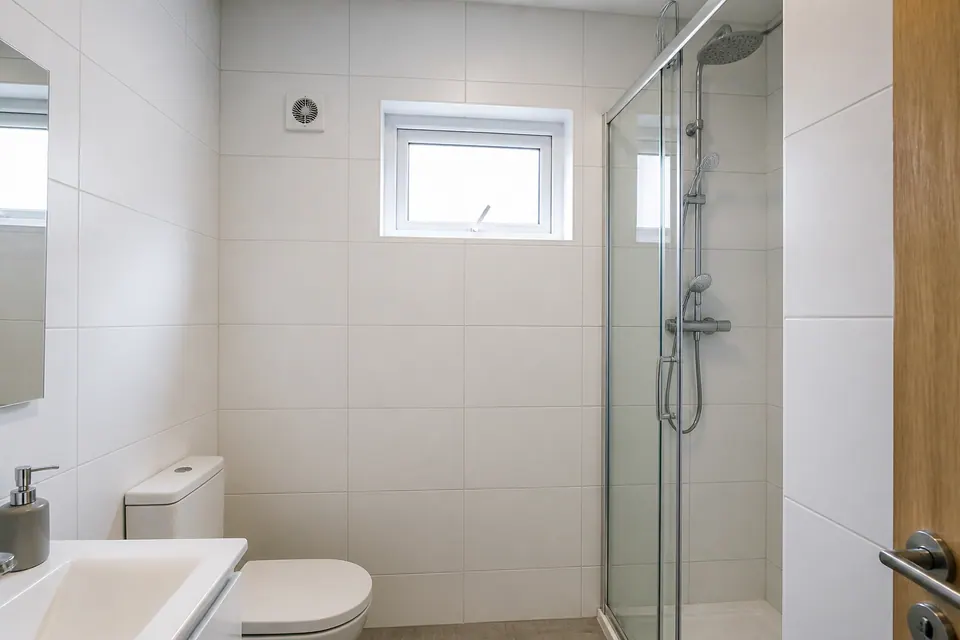
Mention whether another bathroom is available. Photograph the affected ceiling or painted area from a normal standing position, and ask how facilities will be managed during the agreed treatment.
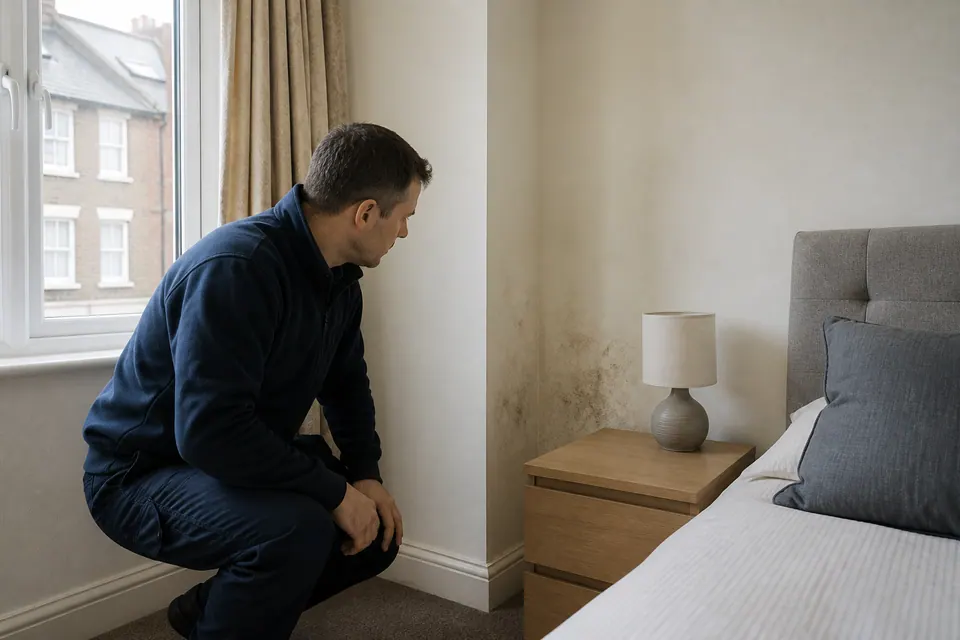
Explain which beds are normally used and what can be moved safely with guidance. Do not promise an empty room until contents handling and access restrictions have been clarified.
Identify the surfaces involved and the nearby cooking or storage areas. Ask what preparation is required for food and utensils rather than deciding that a short appointment needs none.
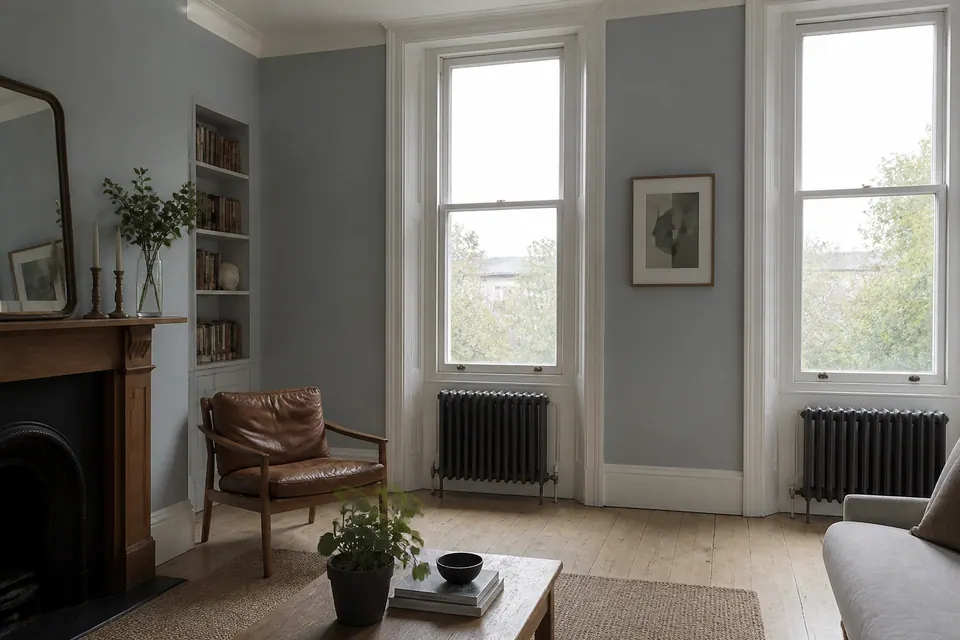
Show the usual walking route and furniture around the affected wall. Household members may still need other rooms, so explain the layout without assuming unrestricted passage beside the work.
Describe lamps, beds or fixed fittings beneath a ceiling patch. The finish and working clearance need review; an appointment window does not establish safe access to a high surface.
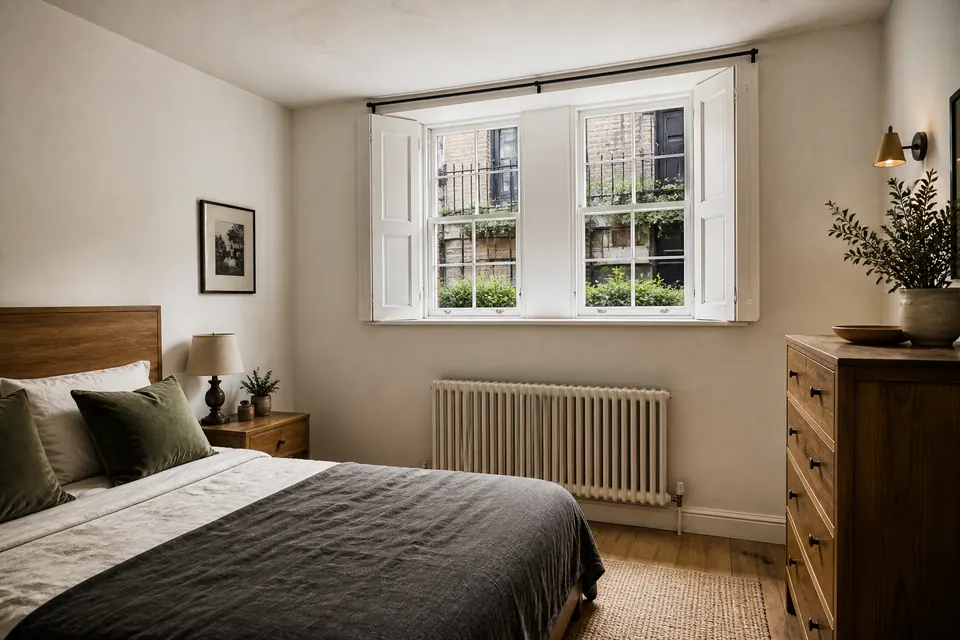
Explain what is stored there and which parts are visible. Avoid emptying affected contents into another occupied room before handling advice has been agreed.
These observations help plan assessment. Neither room use nor the colour of a patch identifies its cause.
Hounslow / THE PROPERTY BRIEF
The household timetable belongs in the enquiry.
For an occupied Hounslow home, distinguish the time someone can admit the team from the time the affected room can be handed over. If an occupant works nights or needs a particular facility, mention that practical constraint without sharing unnecessary personal information. Ask for preparation and return instructions before making alternative arrangements.
04 / A CONTROLLED APPROACH
Match the photographs to the room’s everyday use. Clarify the affected finish and any occupancy constraint before discussing a suitable treatment area.
Confirm what the household needs to arrange and who will receive those instructions. Do not independently move affected contents simply to meet a proposed time.
Treatment concerns the suitable accessible finish described in the booking. Changes found on arrival may need discussion rather than an assumed extension of the job.
Ask for the applicable return guidance and a clear account of any remaining stain or separate repair. Do not substitute the team’s departure time for those instructions.
The stages concern scope and communication, not a guaranteed cosmetic transformation.
Show the patch in relation to normal household use.
Keep occupants informed of the applicable access arrangement.
Clarify what was treated and what still needs attention.
These drawings explain stages only; they are not customer results. Ongoing moisture may lead to further growth after treatment.
05 / QUOTATION, NOT GUESSWORK
The Hounslow quotation should describe the affected surface and the practical access that can be provided. Explain essential room use early, so an apparently convenient appointment does not depend on preparation the household cannot complete.
Read the underlying service description ↗| Proposed work | How the price is established | Practical detail to supply |
|---|---|---|
| A reachable, limited patch | Photographs may support the quotation | Show the clearance as well as the finish |
| Several rooms or repeated growth | Assessment informs the proposed scope | State which rooms can be released together |
| Damage or unresolved moisture | A specialist quotation may be necessary | Describe repair status before setting dates |
Agree the written inclusions before arranging alternative room use. Additional repair, decoration or contents work should not be inferred from the appointment duration.
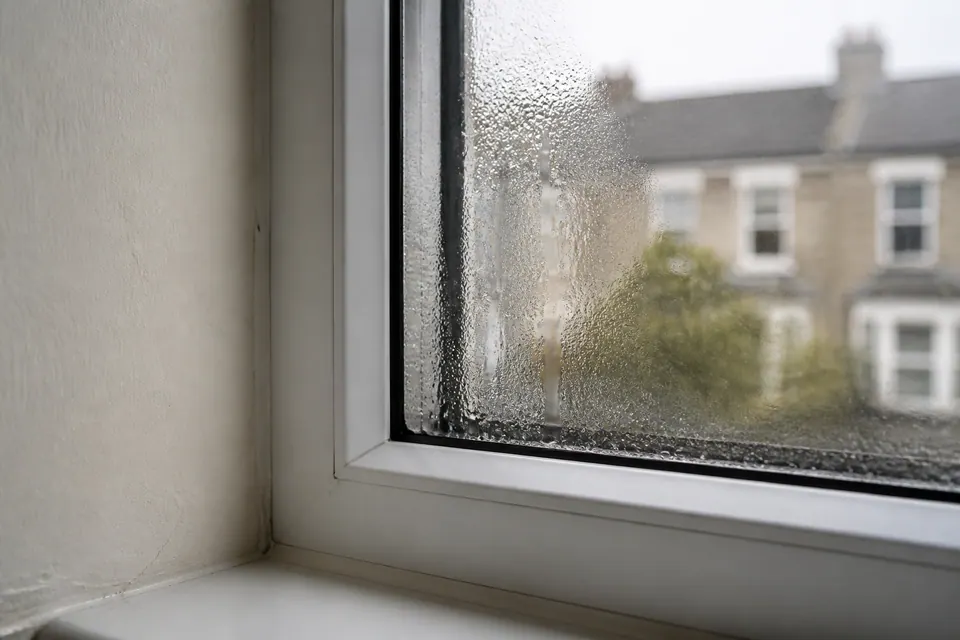
06 / WHEN IT COMES BACK
If spotting returns after normal occupancy resumes, record the interval and the location. That timeline is more useful than assuming that the visit was too short or the room was used too soon.
Moisture can continue for several reasons, including a leak or inadequate drying. Explain what was actually observed and retain any previous instructions; a fresh assessment should not depend on guessing a single cause.
Save the agreed scope alongside later photographs. It helps distinguish a new observation from staining that was already present at the end of the work.
Hounslow / ACCESS & PEOPLE
Building entry, room access and receipt of instructions may involve different people. Name one contact who can bring those arrangements together before the date is confirmed.
Explain if another bedroom, bathroom or route through the property is unavailable. Those limits belong in planning, not as a surprise after treatment begins.
A bed frame or kitchen fitting can restrict the surface even when everyone has left the room. Show the obstruction rather than equating vacancy with clearance.
Share the visible evidence and arrange the necessary booking permissions. Ask who should receive preparation guidance; this page does not allocate legal repair duties.
Keep the occupant involved in practical room-use decisions. Supply relevant maintenance records so a time slot is not offered on the assumption that all underlying issues are resolved.
Agree which parts are surface treatment and which need another trade. A realistic sequence may matter more than completing every task in a single attendance.
08 / ROOM-BY-ROOM CONTEXT
Tell the team if this is the home’s only shower or toilet. The finish and preparation requirements determine what arrangements need discussion.
Identify essential sleeping space and nearby furniture. Obtain room-specific instructions before deciding where occupants will sleep after the visit.
Describe meal preparation and the location of affected finishes. Contents preparation should follow the agreed method rather than a general cleaning assumption.
Explain whether this room provides the only passage to another part of the home. Layout can affect practical access while work is underway.
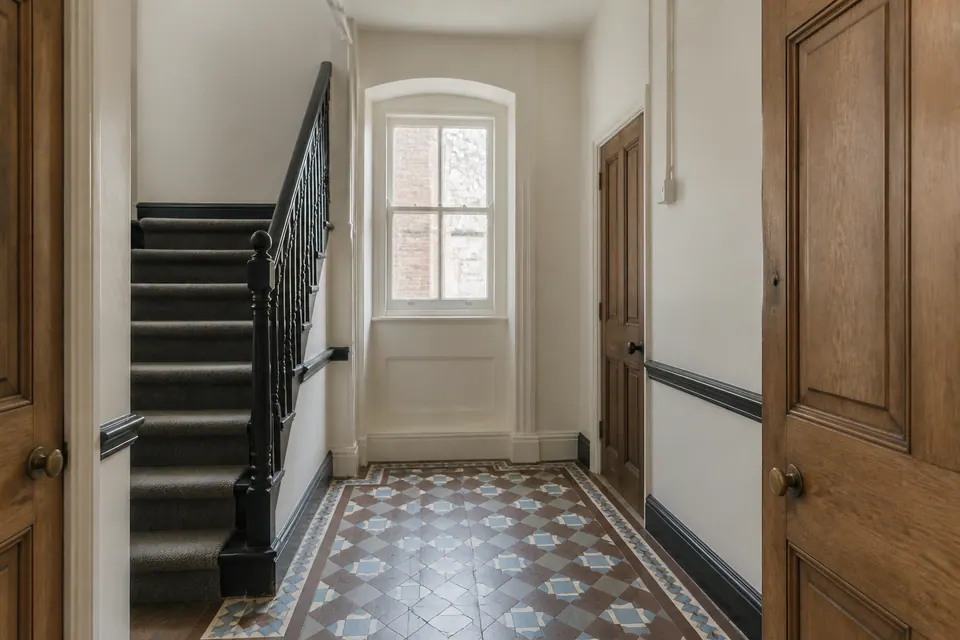
Distinguish a private hallway from shared access. The ability to pass through a common area does not authorise treatment there.
Mention stairs and any visible water history. Daily use of a lower room does not confirm that its materials are suitable for immediate treatment.
09 / DIRECT ANSWERS
Possibly, but the quotation discussion must establish preparation, treatment stages and any return restrictions first. A gap in the diary alone is not enough.
Do not cover the evidence to make the room presentable. Painting neither replaces removal of suitable growth nor explains the moisture condition beneath a finish.
It is context rather than proof. Report when the area changed and any observed moisture; assessment may identify questions that surface treatment cannot answer.
Ask after the affected extent, access and material have been reviewed. Preparation and subsequent drying or repairs may have a different timetable from the treatment visit.
Raise that requirement before booking. The selected work and layout determine the instructions; do not infer unrestricted access from a room being on another floor.
Say so in the first message. The bathroom finish can be assessed, but availability of the facility during and after work needs an explicit arrangement.
Describe its everyday role and any access difficulty. Ask about preparation for the surrounding finish; a mould visit does not include window repairs unless separately confirmed.
No. An appointment for surface growth is not evidence that an active leak has stopped. Report the unresolved issue before agreeing a workable sequence.
Hounslow / PLAN THE APPOINTMENT
Include the full Hounslow postcode and the room’s available access window when asking about availability. Confirm the practical booking before making temporary household arrangements.
The map provides location context; it does not settle treatment duration or room-use requirements.
Open the local map if it helps describe the route.
Hounslow / BEFORE BOOKING
Clarify the practical timetable without relying on a generic duration or return promise.
Explain the room layout and the working space involved. Ask whether the proposed method permits that arrangement before confirming the appointment.
Wait for preparation instructions. Tell the team what furniture and contents are present so the required clearance can be agreed safely.
Do not assume so. Ask for method-specific guidance covering food preparation and access, rather than using departure time as the only reference.
State the actual window available. The team can discuss whether the assessed work and preparation fit; do not shorten the proposed scope yourself.
It may provide flexibility, but explain which facilities exist and where they are. The treatment instructions still need to be confirmed.
Nominate the person coordinating occupants and access. A landlord or booking contact should ensure practical instructions reach the people using the room.
Include its previous history and current extent. Repetition can raise moisture questions that need assessment before another surface visit is arranged.
Do not assume any accommodation arrangement is included. Clarify practical needs and the actual service inclusions with Alesta before committing to other costs.
Ask about the assessed finish and any remaining moisture or damage first. Decoration is separate, and a treatment slot does not establish readiness to paint.
PLAN BEFORE YOU RESCHEDULE
Send the postcode, photographs and the practical times the room can be released. Ask for the scope and applicable instructions before organising the rest of the household.
The interiors illustrate planning situations, not completed customer treatment outcomes.
