
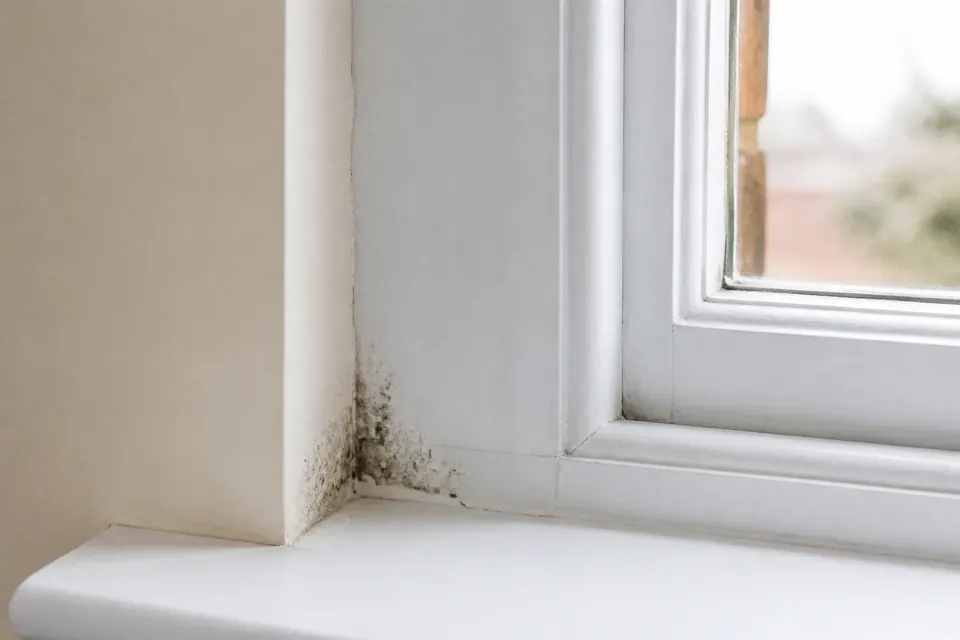
Window-area finish
Show the present reveal and any confirmed work near it. Do not assume a repaired fitting makes every adjoining material suitable for treatment.
Maidenhead / THE EVENT IS PART OF THE HISTORY
A repair date is useful; it is not a readiness certificate.
For a Maidenhead room affected after a known water event, describe what happened, which repair is confirmed and how the finish looks now. Check postcode availability and ask whether surface treatment is suitable before planning a cosmetic result.
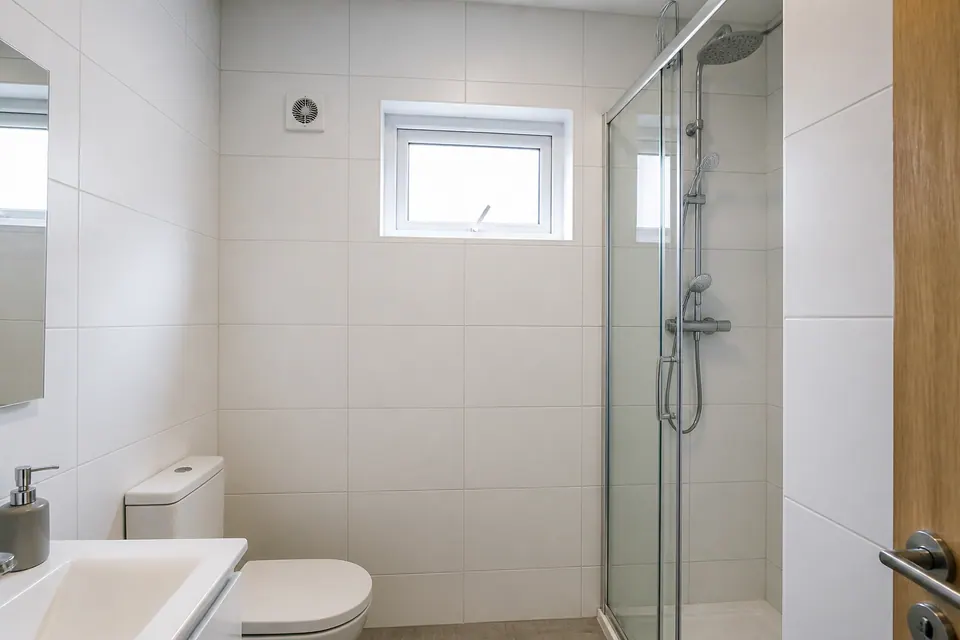
Known event · confirmed work · visible finish
01 / LOCATE THE ISSUE
Record the affected surfaces as they are now. The route or extent of the original water event should not be guessed from one remaining mark.
Show the present reveal and any confirmed work near it. Do not assume a repaired fitting makes every adjoining material suitable for treatment.
Identify the coating, sealant or other finish. Give the actual event history without treating all bathroom surfaces as affected.
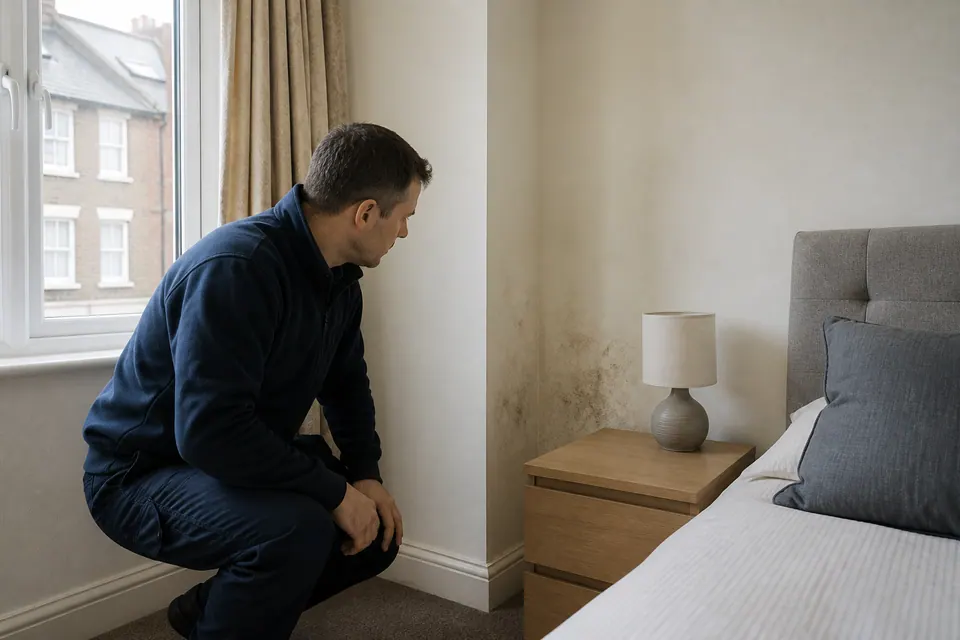
Describe the visible boundary and damage. Keep bedding or furniture concerns separate from the fixed-surface request.
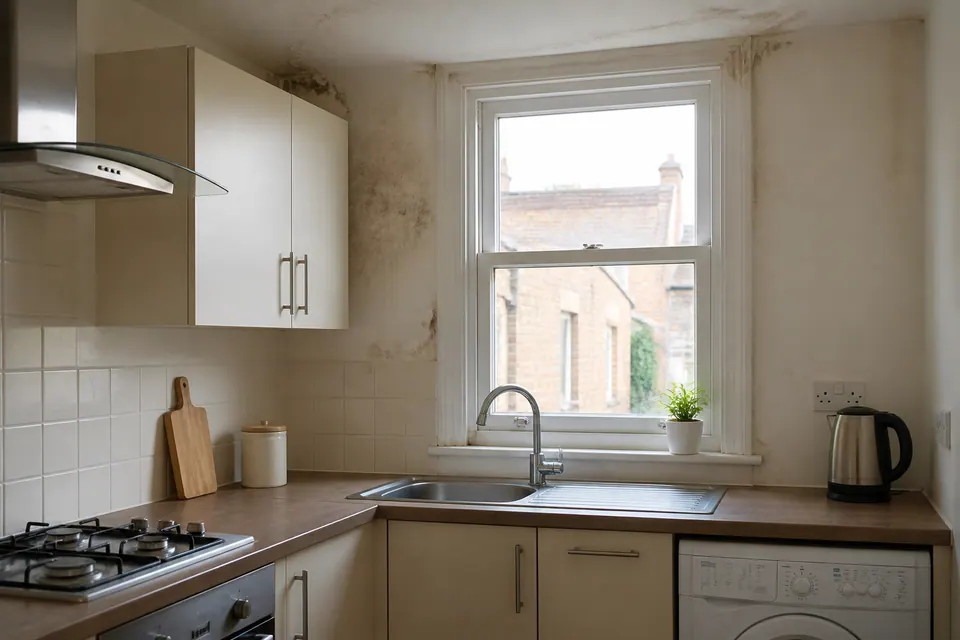
State which repair was completed, if known. A planned appliance or plumbing task should not be described as finished.
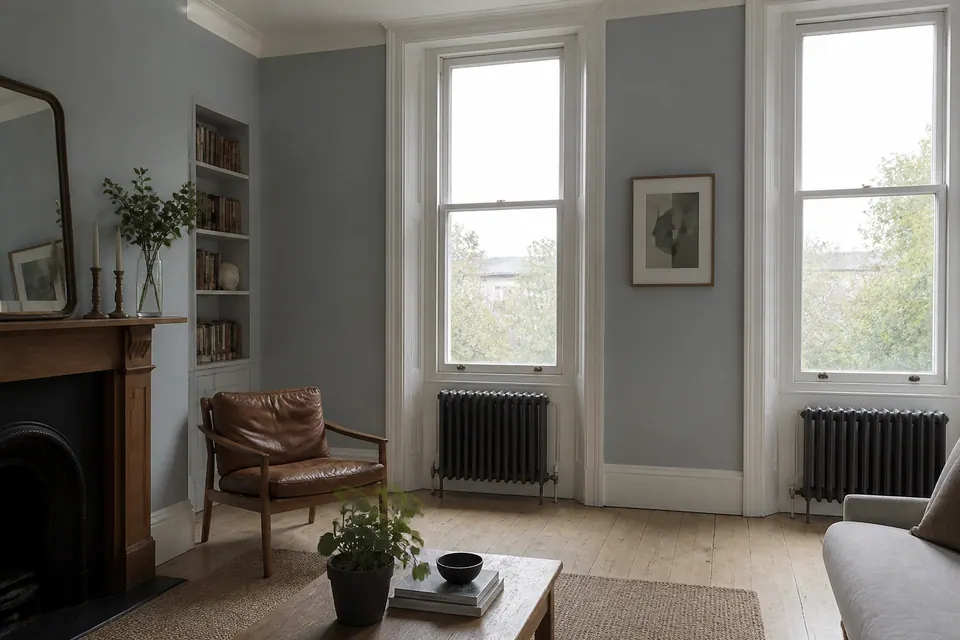
Distinguish current marks from stains that remained after the event. A cosmetic deadline does not determine material readiness.
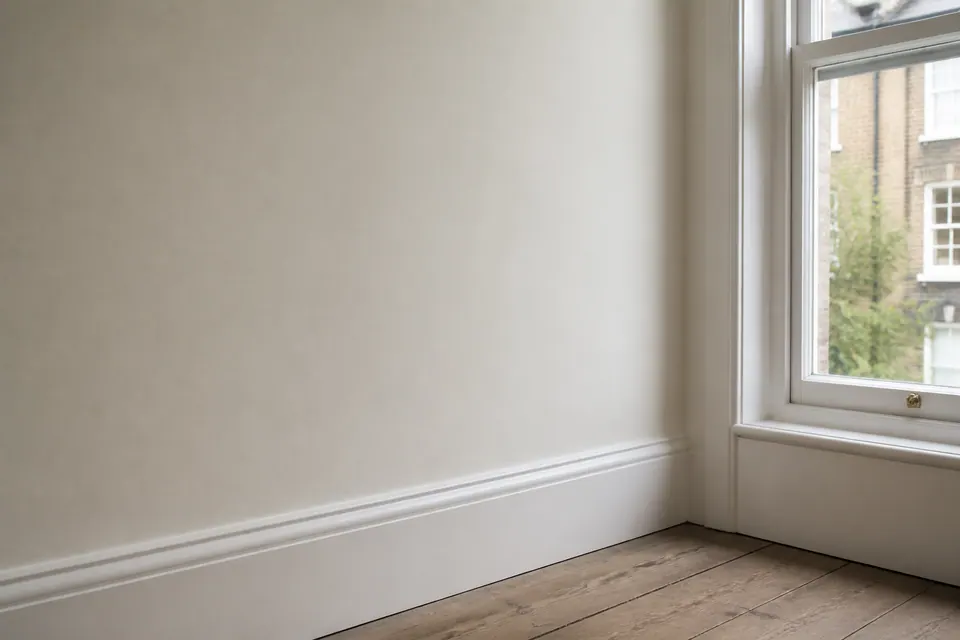
Use photographs from a safe position. Do not press, scrape or reach damaged material to demonstrate its condition.
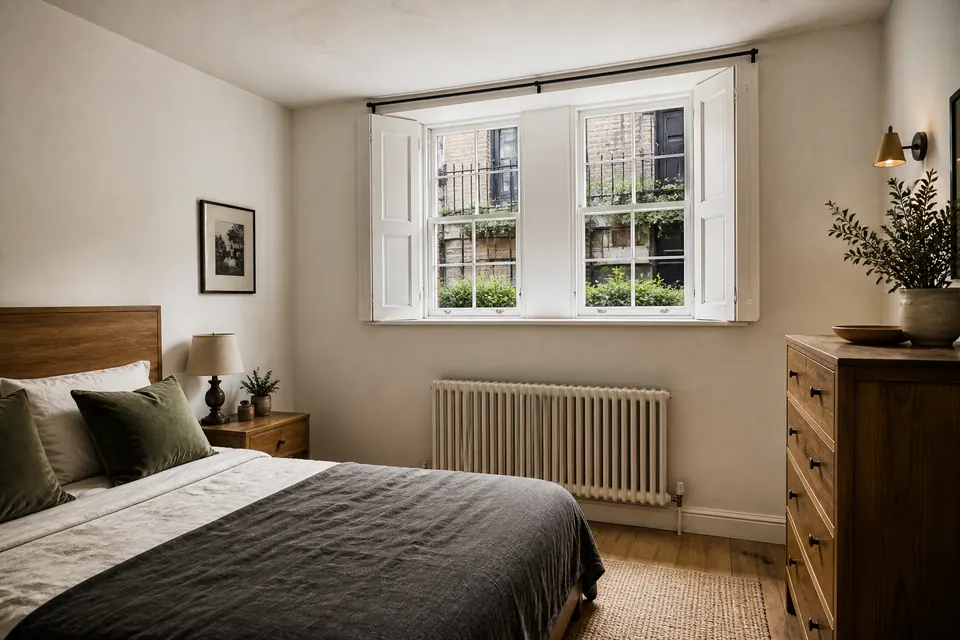
Say what is visible without taking the enclosure apart. An inaccessible void remains outside the evidence supplied.
The record can support assessment without implying that every affected material has recovered or that the original source is fully understood.
Maidenhead / ACCESS & PEOPLE
Name the completed task and show the finish now. Repair completion and surface suitability are separate facts.
Keep the outstanding task explicit. Discuss whether it affects the proposed treatment decision.
Identify what was replaced or painted and what remains original. Do not assume all visible materials share one history.
Forward the event account and current evidence to the relevant contact. Avoid disturbing damaged material to support the report.
Make confirmed repair and treatment records available for the correct room. Keep unresolved work identifiable.
Ask which next step depends on material condition. Schedule cosmetic expectations around assessment rather than using a deadline as evidence of readiness.
Maidenhead / THE PROPERTY BRIEF
The incident history should explain the enquiry, not replace today’s assessment.
Confirm service availability at the Maidenhead postcode and provide the event sequence in plain terms. Distinguish a completed repair from a future appointment, then show the material now needing review. Ask which treatment can be considered and which repair, drying or decorative question remains unresolved rather than assuming readiness from the calendar.
04 / WHEN IT COMES BACK
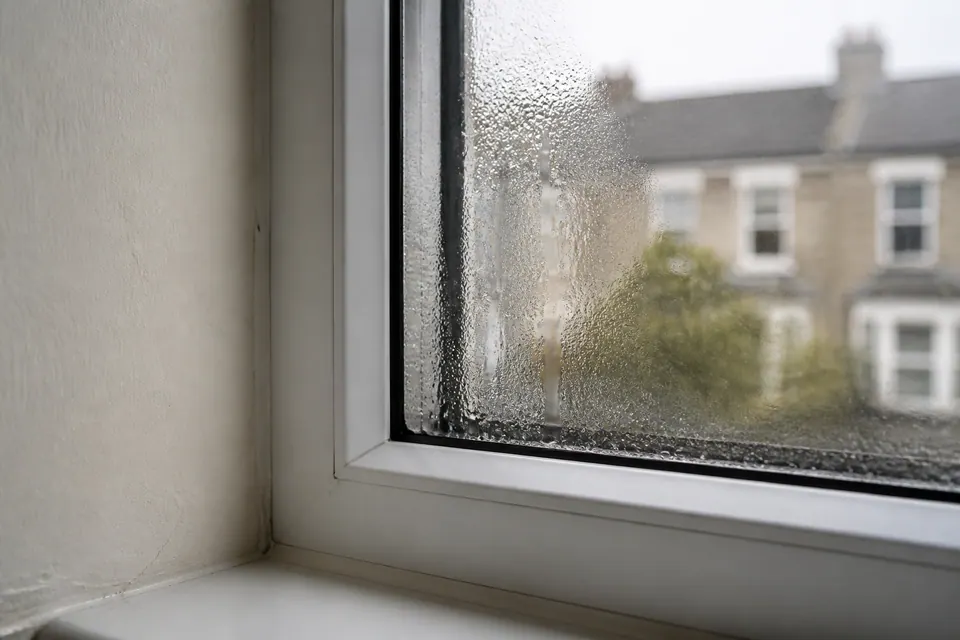
If marks appear again, add their date and location to the record rather than rewriting the incident history. State which repair or treatment happened between appearances and which task remained pending.
A new visible change may require review of the current finish. It should not automatically be called the same problem or treated with a repeat cosmetic application.
An approximate but honest sequence is more useful than a precise claim about work that has not been confirmed.
05 / A CONTROLLED APPROACH
Record the event and actual completed work. Keep planned repairs clearly marked as pending.
Provide safe views of the finish and damage. Discuss suitability and access without disturbing the material for evidence.
Work to the accepted surface scope and preparation instructions. Changed or unsuitable conditions can require another decision.
Keep repair, material and decoration questions separate. Do not label the whole water event resolved merely because visible work has ended.
The order helps prevent a desired deadline from becoming an unsupported readiness claim.
Do not promote a repair booking into completed work.
Elapsed time alone is not the condition report.
Agree any additional task on its own scope.
The visual sequence is illustrative and does not establish a customer’s drying, repair or restoration outcome.
06 / QUOTATION, NOT GUESSWORK
For Maidenhead, confirm postcode availability before arranging attendance. Provide the event history alongside present material and dimensions so the proposal distinguishes suitable removal from unresolved repairs or restoration expectations.
Read the post-assessment service scope ↗| Current request | Likely review route | Information that matters |
|---|---|---|
| Limited suitable accessible area | Photos may help establish a quote | Present material and condition |
| Several areas or returning changes | Assessment may be needed | Individual room history and extent |
| Damaged or complex affected material | Specialist quotation may be required | Repair and treatment separation |
Do not assume a previous repair price includes mould removal or that a removal quote includes every decorative consequence of the incident.
07 / SEPARATE THE QUESTIONS
Current suitability depends on what is present now, while the history helps identify questions that need further attention.
| Known detail | Current evidence to provide | Assumption to avoid |
|---|---|---|
| A reported water incident | Named room and visible finish | Every adjoining area was affected |
| A confirmed repair | Present condition and remaining marks | The room is automatically ready |
| A proposed future repair | Clear statement that it is pending | The source has already been resolved |
| Staining with damaged coating | Safe photographs of the surface | Removal will restore the material |
Further investigation, repair, material replacement or decoration may need separate decisions. Agree those boundaries before interpreting a removal visit as completion of the entire incident.
A stain or damaged finish needs accurate description even where the original water event is known. Avoid treating every remaining appearance as one problem with one remedy.
| Question | Mould | Damp |
|---|---|---|
| What may be suitable for removal? | Visible growth on an appropriate finish | Not all consequences of the water event |
| What history supports assessment? | Earlier surface work and current extent | Confirmed incident and repair details |
| What may need another task? | Damaged coating or material | Further moisture investigation or repair |
| What cannot appearance alone confirm? | A guaranteed decorative result | That the room is ready for every next stage |
08 / ROOM-BY-ROOM CONTEXT
Separate coatings, sealant and other materials. State the known event rather than assigning every mark to room humidity.
Show current wall condition and furniture access. Contents are not automatically included in a fixed-surface request.
Distinguish completed plumbing or appliance work from a future appointment. Current photographs remain important.
Explain residual staining and new changes separately. Decoration can have its own limitations.
Identify the authorised area and relevant repair contact. A private room visit does not automatically include common parts.
Provide the actual water history and material observations. Position alone should not determine the explanation or method.
09 / DIRECT ANSWERS
The repair record is useful context but does not show the present affected finish. Provide current views, material and access details too.
Do not assume readiness from the repair date. Ask about the present material and any remaining issue before covering it.
Not by appearance alone. Supply the actual sequence and current evidence without drawing that conclusion yourself.
A calendar interval is not enough to determine duration or suitability. The present extent, condition and agreed method need review.
Request guidance for the work actually proposed. Do not reuse instructions from the original repair without confirmation.
List the materials separately. Surface removal does not automatically include replacement or repair of the sealant.
Yes, show its present condition where it is part of the enquiry. A repair description does not replace surface evidence.
No such complete-restoration outcome should be assumed. Identify repair and decorative tasks outside the agreed removal scope.
Maidenhead / PLAN THE APPOINTMENT
Check availability for the complete Maidenhead postcode before making arrangements. Send the known event sequence with current room views and any access restrictions.
Use the map to locate the property area for the enquiry.
Load the Maidenhead map view.
Maidenhead / BEFORE BOOKING
Use the answers to organise evidence and avoid assuming that one completed task settles every remaining issue.
Describe the confirmed event and leave the source uncertain. Do not invent a diagnosis to make the request sound complete.
No. Confirm coverage for the full postcode before scheduling or preparing the room.
No. Clearly distinguish planned work from work that has actually happened and been confirmed.
Current views showing the affected finish, its boundary and visible damage are more informative than the repair record alone.
Not by itself. The present material and any remaining moisture question need consideration before decoration.
Do not assume replacement is included. Ask for a clear boundary between suitable treatment and material repair.
Describe the two observations separately and explain which appearance is new. They may have different treatment and cosmetic limitations.
No. A returning mark requires evidence and assessment, not an automatic conclusion about repair quality.
Keep the accepted treated area, relevant instructions and outstanding repair or decoration questions with the incident timeline.
BRING THE HISTORY, SHOW THE PRESENT
Send the postcode, confirmed work and current material condition. Check availability and ask which next step is suitable without assuming full restoration from one visit.
These explanatory room scenes are not customer water-damage records or promises of complete restoration.
