Raynes Park / A simple routine for fewer used rooms

Raynes Park Domestic Cleaning

Match the brief to use rather than the property’s full footprint.

Some households regularly use only part of the home and prefer the cleaning visit to reflect that.

  • Identify the occupied rooms and the spaces currently left out.
  • Prepare the main kitchen, bathroom and everyday living surfaces.
  • Keep unused-room requests separate from the standard list.
  • Discuss the minimum visit even when the room selection is small.
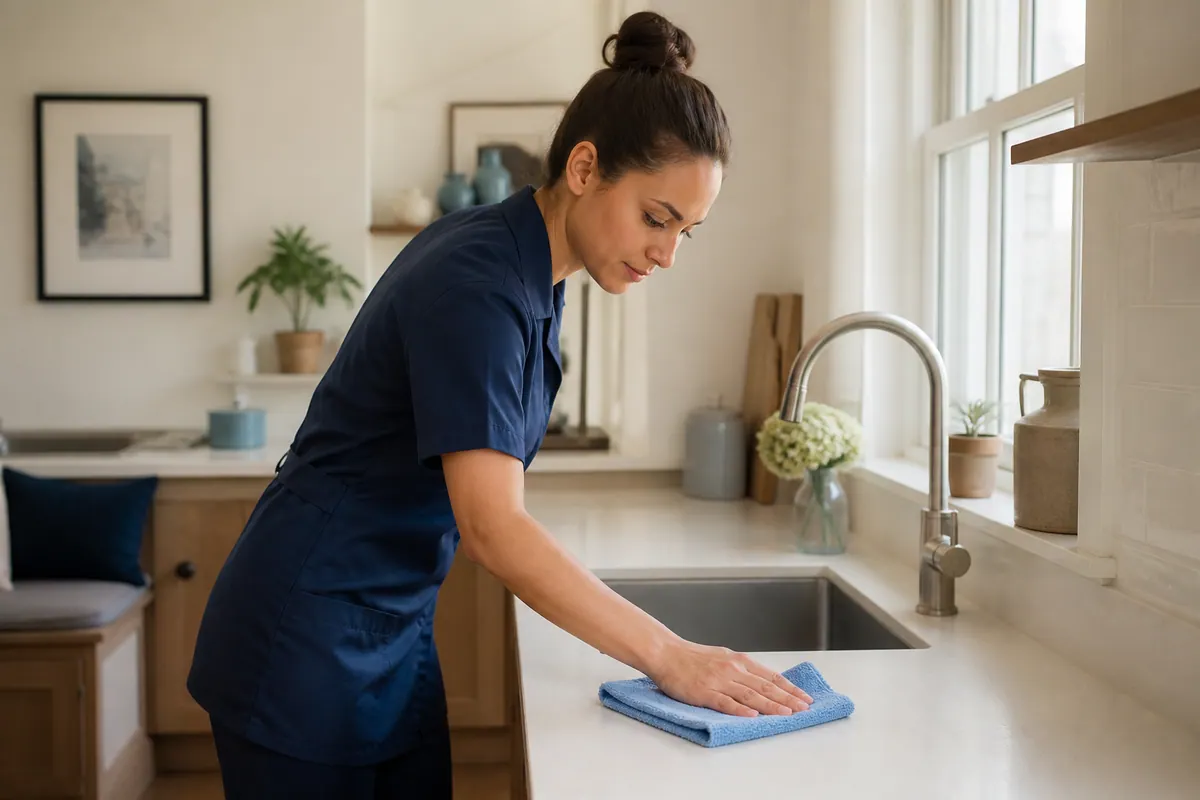
Illustrative kitchen scene for a household cleaning routine

Your interval

WeeklyFortnightlyFirst visit / reset

Spaces to discuss

Kitchen · Bathroom
Living areas · Bedrooms

Check the schedule before relying on a slot.
Household maintenanceA defined briefRespect the finish

Practical planning

Plan the room priorities

Use the controls to outline what the household needs. Confirm the final room list and time directly with the team.

1 Property
2 Frequency
3 Priority
4 Household considerations

A simple routine for fewer used rooms

Raynes Park: a simple routine for fewer used rooms

Some households regularly use only part of the home and prefer the cleaning visit to reflect that.

Identify the occupied rooms and the spaces currently left out. Keep unused-room requests separate from the standard list.

Prepare the main kitchen, bathroom and everyday living surfaces. Discuss the minimum visit even when the room selection is small.

If another room becomes occupied, agree the change before the appointment.

A narrower brief can be clearer, but it does not establish a fixed price or automatic short visit. Which rooms are genuinely part of your everyday routine?

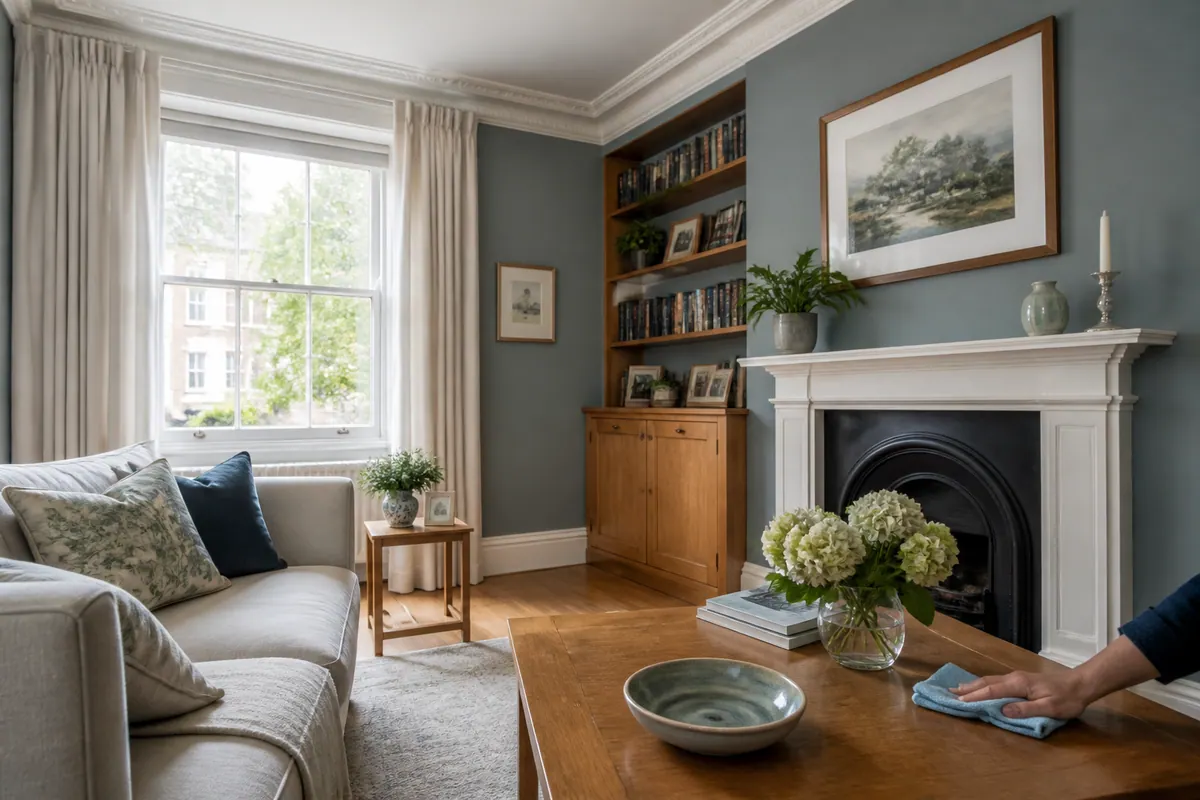
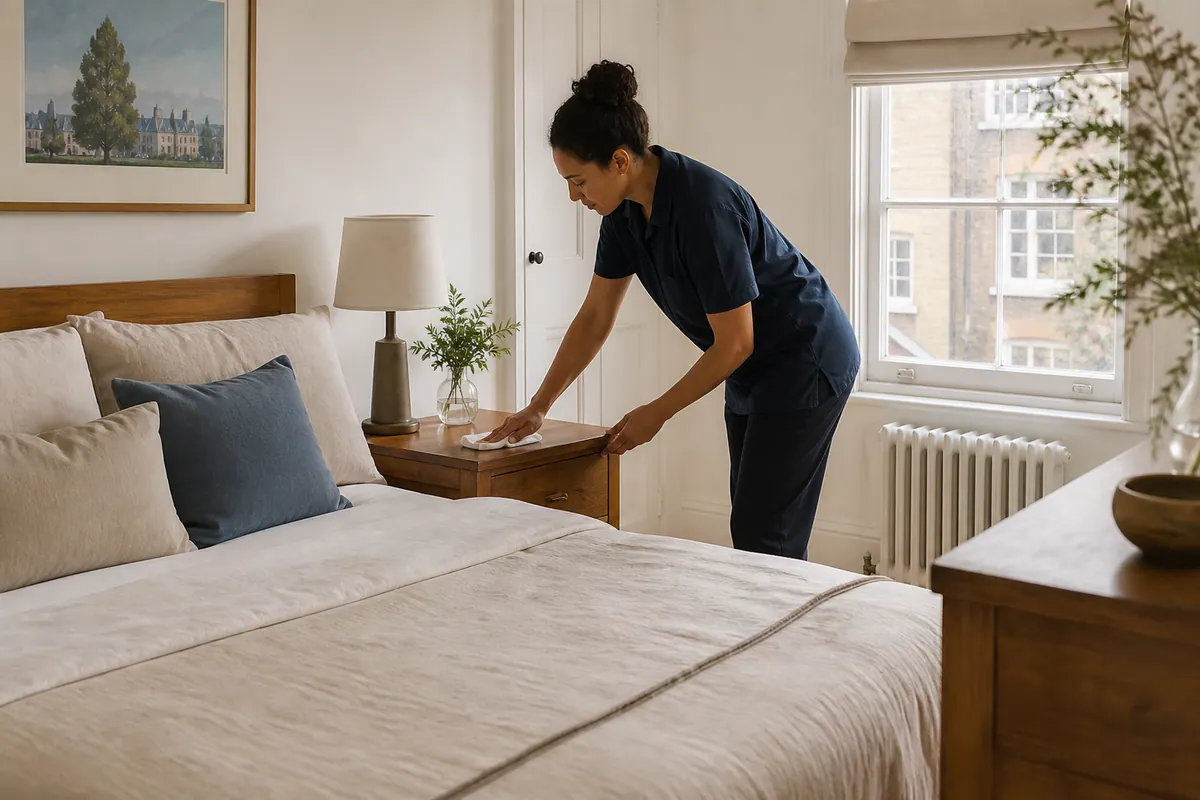
Illustrative residential interior; not a photograph of a customer property in Raynes Park
A home routine with a prepared starting point starts with a prepared room list.

The household brief

Separate the occasional jobs

A reliable core protects the tasks you booked the visit for. Optional details belong behind that work, not in competition with it.

Every visit’s agreed priorities

Recurring household tasks

  • Clear a working patch first: sink and accessible surfaces
  • Identify the sanitaryware: agreed sanitaryware
  • Furniture first, floor after: reachable dusting
  • Privacy alongside upkeep: included-room vacuuming
  • Floor method suited to the finish
Selected, not assumed

A separate rotation

  • A listed stretch of skirting
  • Switches selected for this visit
  • Agreed reachable internal glass
  • Other accessible detail within time

Keep an occasional detail separate from the dependable core. If it cannot fit, discuss another visit rather than assuming an extension.

Worth discussing

The accessible surfaces

Which rooms are genuinely part of your everyday routine? The tabs explain each room’s scope.

Illustrative kitchen domestic cleaning scene

Kitchen

Clear a working patch first

Food-preparation worktops, the sink and splashback are useful core tasks. Name reachable cupboard fronts and external appliance panels in the agreed kitchen scope.

Leave ingredients and personal belongings put away; the oven interior needs a different booking scope.

Before booking

Frequency and condition

A longer interval can alter priorities even without changing the room count. Choose frequency alongside scope, not separately.

Choosing the interval
Planning pointWeeklyFortnightly
Best suited forA busier household with regularly used spacesA longer maintenance cycle to discuss
Core focusMaintain the regularly used spacesConsider the condition after two weeks
Priority planningA concise repeat listRank the tasks against available time
Visit scopeTime and scope confirmedDuration and tasks agreed

Initial priorities

Describe accumulated tasks before choosing the initial appointment. Work needed to establish a baseline may take longer than the later maintenance list.

Ongoing maintenance

Review the maintenance list against everyday use. Keep occasional details separate so they do not displace the rooms the booking was intended to maintain.

A clear scope

Planning around occupancy

Use the relevant household example to clarify access and scope.

Workday arrangements

Keep the workday brief practical: which rooms are included, who provides access and who can answer a question during the appointment.

Family preparation

A family-home list should distinguish cleaning from sorting belongings. Clear the used rooms and explain any space that must remain available.

Animals in the home

Choose where the animal will stay and identify closed doors. The cleaner needs those boundaries before moving between the included rooms.

An occupied workspace

A work call can affect access to adjoining floor space. State the restriction before the cleaning route is agreed.

An occupied rental

A tenancy does not change ordinary maintenance into handover work. Discuss any separate move-out requirement as another scope.

A shared point of contact

Consolidate instructions rather than asking the cleaner to reconcile different lists. One agreed contact can confirm practical changes.

Practical planning

A surface-aware brief

The method follows the material. Include existing care guidance and any fragile or damaged area when the appointment is planned.

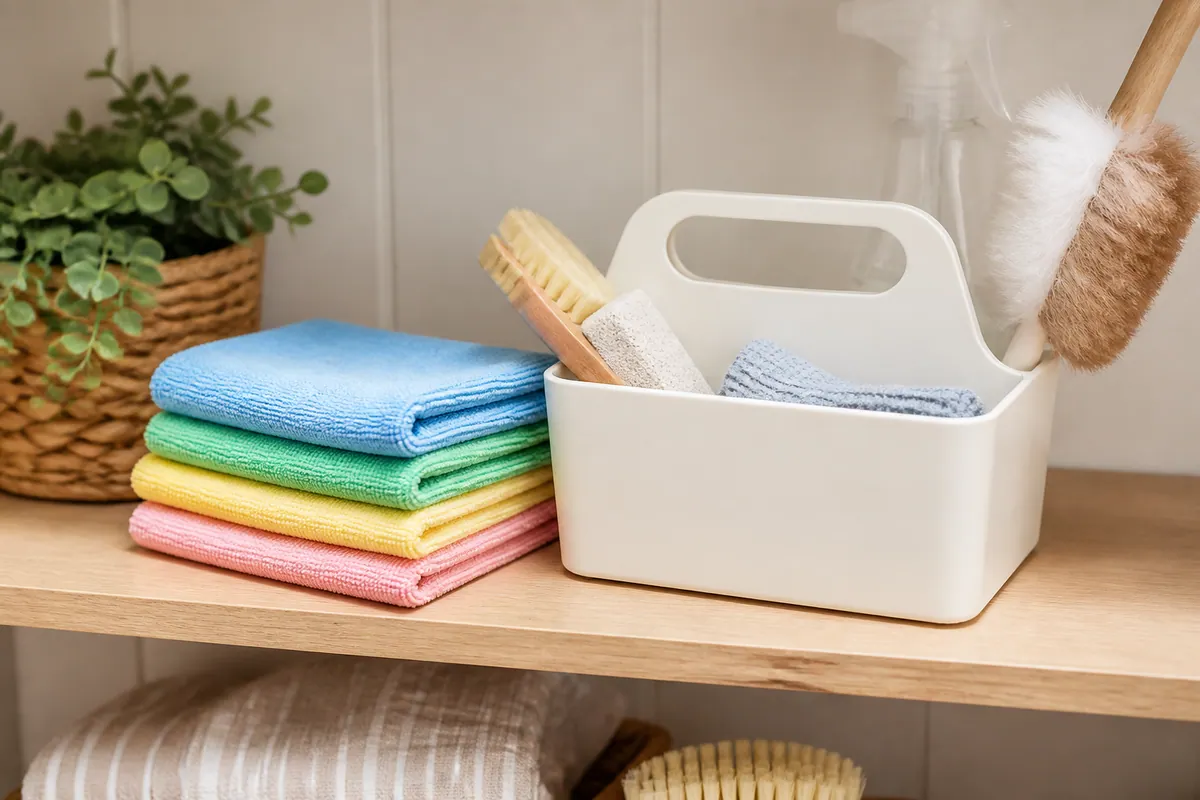
Separate folded microfibre cloths and an unbranded household cleaning caddy
Separate equipment between food-preparation, bathroom and general spaces.

Natural stone

Name the stone rather than guessing from its appearance.

Timber

Wood surfaces need moisture and method matched to their finish.

Lacquer

Lacquered pieces should be discussed separately from uncoated surfaces.

Stainless steel

Name the accessible steel surfaces and relevant care instructions. The cleaning scope is external unless another service is explicitly agreed.

Painted finishes

Mention new coatings and the care guidance provided.

Practical planning

Before you enquire

How is regular work priced?
Regular visits have a £20/hour starting guide and an agreed minimum appointment.
What does an initial visit start from?
Discuss a first visit from £90 alongside the tasks and room count.
Where does kitchen upkeep stop?
Name the preparation surfaces, sink and external fronts; do not assume detailed appliance internals.
What bathroom surfaces can be included?
List taps, mirrors, shower and reachable tiles with suitable product guidance.
What is the living-space scope?
Agree exposed furniture surfaces and floor upkeep; personal sorting is not implied.
Are all bedrooms assumed?
Prepare the included bedroom surfaces without expecting personal belongings to be sorted.
Weekly or every two weeks?
Weekly and fortnightly visits may be available; confirm postcode and schedule.
What happens to occasional jobs?
Only listed details that fit the agreed time; core rooms remain visible.
Who provides equipment?
Check the products and equipment included in the visit. Any household preferences or surface limits should be communicated in advance.
Is a date reserved here?
An enquiry to the team is required; these choices do not reserve an appointment.

Practical planning

Price guides and scope

The published guides help begin the quotation discussion. They do not establish a total or fixed duration for an unspecified home.

Regular domestic cleaning£20/ hourHourly guide · minimum booking to agree
First / one-off domestic visit£90 fromTime follows the starting condition
Cost planning reference
ServicePriceMain factors
Regular domestic cleaningFrom £20/hourMinimum booking and duration; frequency, property size, supplied items and address access
First / one-off domestic visitFrom £90Initial condition, included rooms and the priority work agreed for the available time
Specialist / intensive scopeQuoted separatelyThe scope of the additional treatment and the equipment or access it requires

The actual appointment

A small selection of used rooms still requires a confirmed minimum visit. Describe condition and duration, frequency, supplies and access before interpreting the hourly guide; fewer rooms do not automatically mean a fixed short booking.

Practical planning

Rank the priorities

Choose an order that reflects room use and access. Send the resulting priorities to the team rather than assuming this page saves them.

  1. Kitchen
  2. Bathrooms
  3. Floors
  4. Dusting
  5. Selected details

Practical planning

From brief to upkeep

  1. Explain the starting home

    Describe the room count, condition and occupancy before choosing a list. Include pets or work-at-home restrictions.

  2. Choose what comes first

    An occasional detail should have a clear boundary. Agree which area is included and what happens if the available time is needed for core work.

  3. Settle the arrangements

    Products may depend on the arrangement you make. Establish who provides them and share instructions for the included surfaces.

  4. Follow the included scope

    The cleaner follows the practical priorities and respects the stated surface instructions.

  5. Review what changed

    Keep the agreed core easy to identify on later visits. A changed room list or busier household is a reason to review time and priorities.

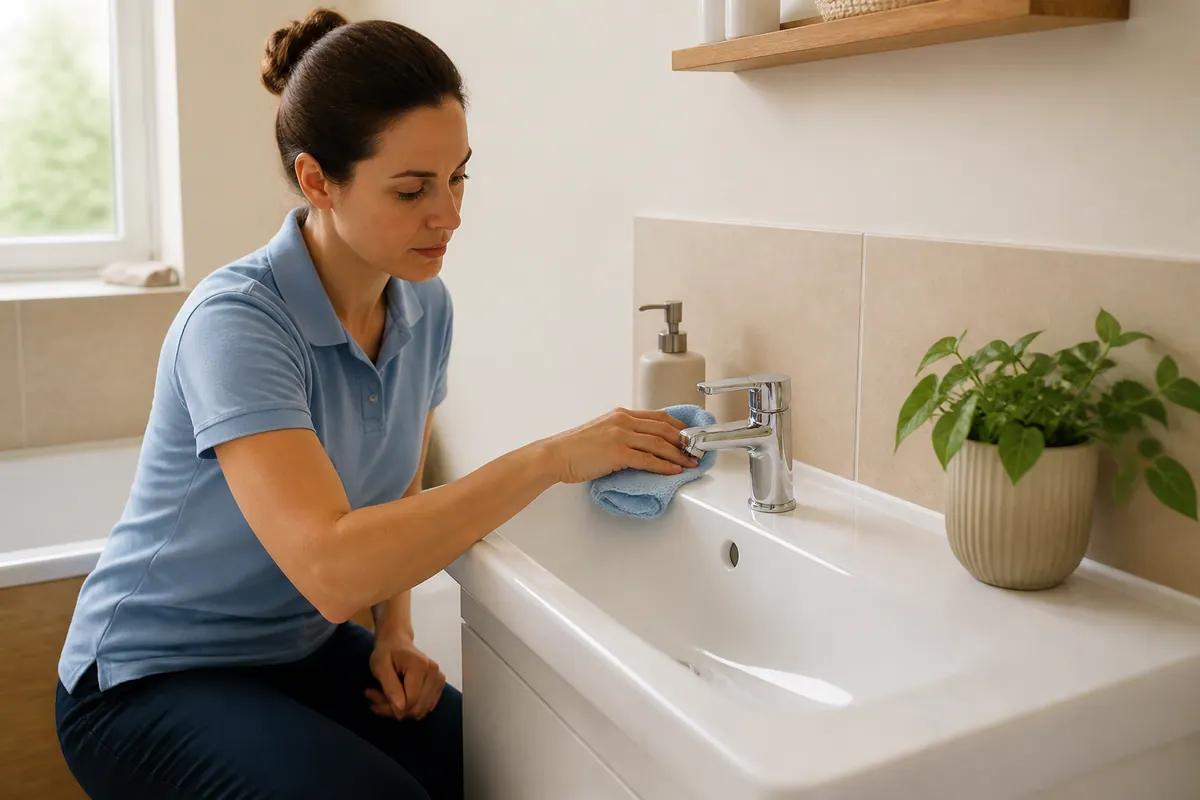
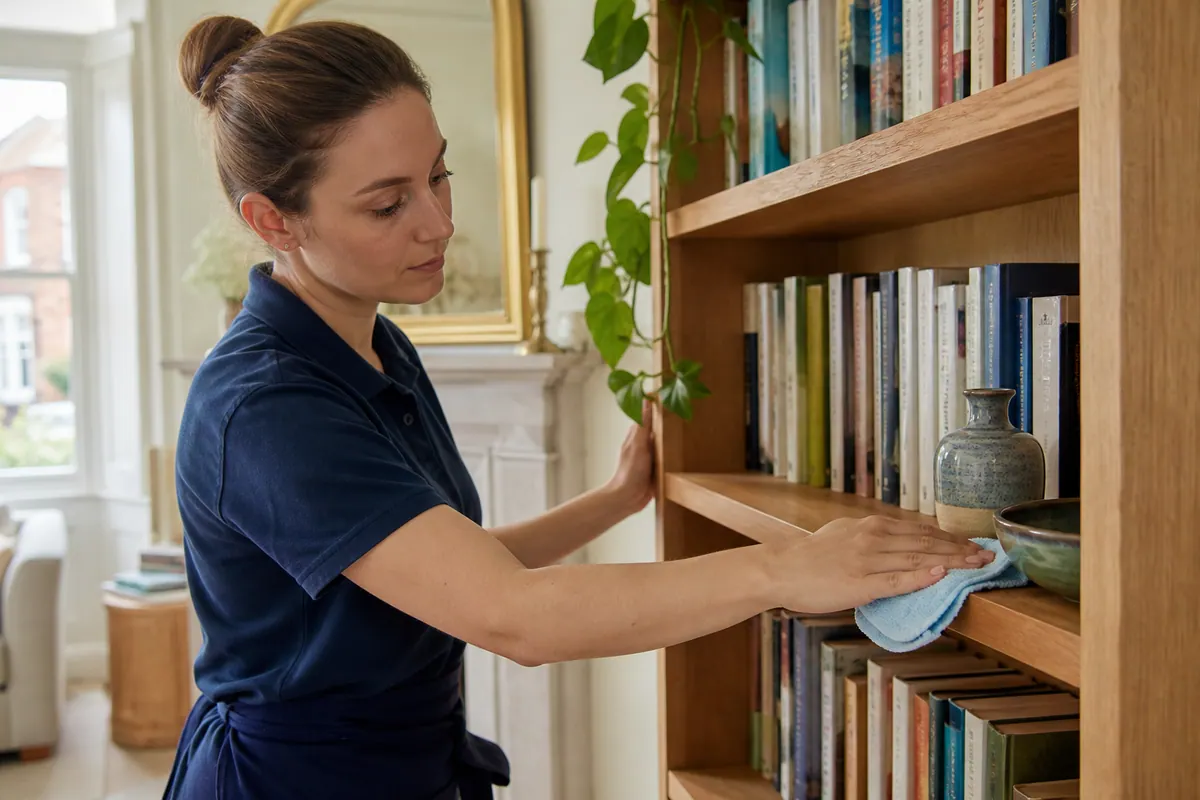
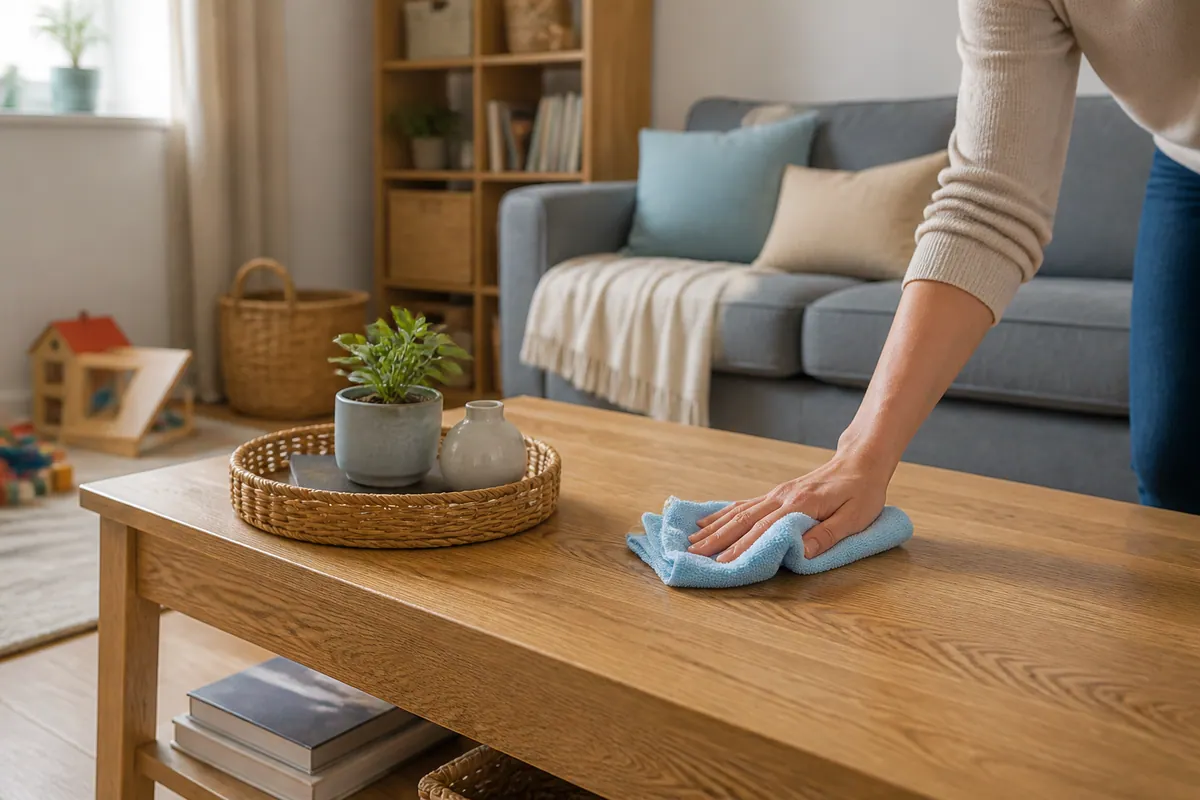
Illustrative before stage of a regular home cleaning routine

The prepared brief

A clear list before arrival.

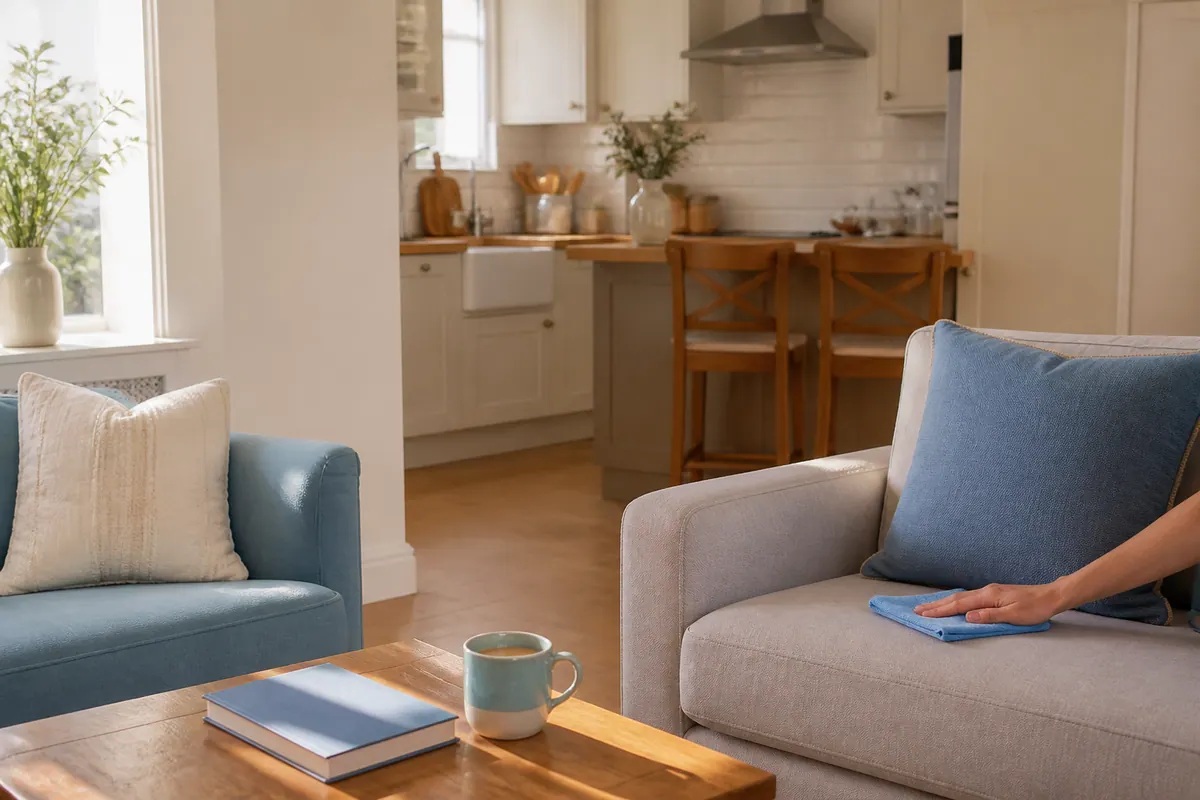
Illustrative visit stage of a regular home cleaning routine

The agreed visit

A considered cleaning sequence.

Illustrative afterwards stage of a regular home cleaning routine

The maintenance pattern

The next priorities made clear.

Illustrative household scenes; no customer job is depicted.

Your home routine

Access arrangements

The key arrangement

Name the agreed key handover method and contact. Share the details privately rather than leaving them exposed.

Building entry

Do not assume reception or a concierge can admit the team. Confirm the building’s actual access process first.

Alarm instructions

Discuss the necessary arrival and leaving instructions directly. Do not publish alarm details in an open note.

Pet boundaries

Put the pet’s practical arrangements in the brief. A room that cannot be entered should be identified before the appointment starts.

Quiet work periods

Agree whether the workroom is included at all. A closed office can remain outside the visit while other rooms are maintained.

Arrival constraints

Explain any parking or unloading constraint you know about. Do not leave an important arrival restriction until the day.

Private spaces

Make exclusions explicit, including private rooms and objects left untouched. Do not rely solely on a closed door.

A clear Raynes Park handover

Keep one current brief for the household visit. Include entry, excluded spaces and supply arrangements as well as the main tasks.

The household brief

Clarifying the appointment

Which rooms are genuinely part of your everyday routine?

A narrower brief can be clearer, but it does not establish a fixed price or automatic short visit. If another room becomes occupied, agree the change before the appointment.

How can the household prepare?

An excluded room should be named in the brief. Include any restrictions on handling belongings elsewhere as well. A busy family routine can leave little clear space. Prepare the agreed kitchen and bathroom surfaces so the appointment remains focused on cleaning.

What should I explain before asking for a total?

Confirm the total against the included rooms and time. Frequency, starting condition, supplies and practical access can change the quotation; separate treatments need their own scope.

How should I read the regular starting rate?

Regular domestic cleaning starts from £20/hour. Confirm the minimum appointment and actual duration rather than assuming a whole-home total.

How should a catch-up visit be described?

An initial visit can focus on the rooms actually used, with condition and priorities explained. First/one-off domestic work starts from £90; unused rooms should not be included by silent assumption.

Can fortnightly upkeep be discussed?

Discuss the cleaning needs of the occupied spaces and the upkeep done between appointments. Weekly or fortnightly timing should reflect that use rather than the full property footprint alone.

When should a new priority be discussed?

When another room becomes part of daily life, confirm whether it joins the routine. The extra work may change time or priorities even if the rest of the home remains unused.

How are product preferences communicated?

Discuss supply responsibilities alongside room coverage. A preferred product or delicate finish should not be an unexpected instruction.

Does a kitchen brief cover oven internals?

A vacuuming request is not an extraction booking. Professional carpet treatment needs its own scope, equipment and time. Wiping an oven’s outside does not include its internal cleaning process. Arrange detailed interior work separately.

Does the planner hold a date?

Availability is checked with Alesta for the actual postcode and visit. The interactive outline does not book any time.

The household brief

Confirm the practical location

Availability in Raynes Park must be checked against the postcode and preferred visit. Explain room coverage and entry arrangements with the enquiry.

For the service overview, visit Domestic Cleaning, or discuss the postcode.

Domestic Cleaning Near Raynes Park

Area reference

Raynes Park, London

View the area while explaining the property access.

Open map in a new tab

A practical Raynes Park enquiry

Domestic upkeep for the rooms you use most in Raynes Park

Match the brief to use rather than the property’s full footprint. Bring the room list and preferred timing to the booking conversation.

Chat