
Leaves
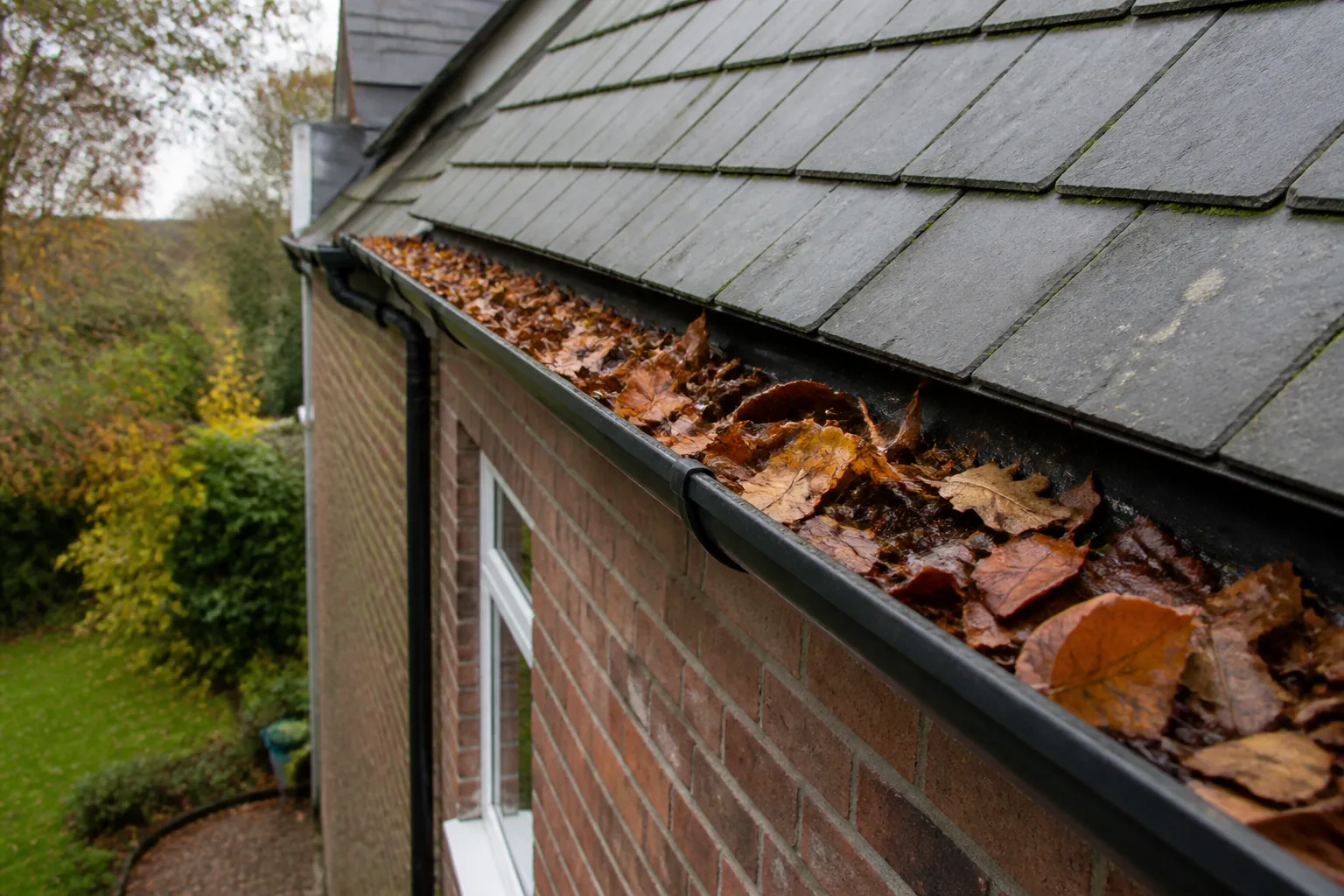
Wet leaves can settle into layers and slow water moving towards an outlet.
Rainwater routes · access · clear scope
An overflowing gutter may point to a pocket of leaves, settled moss or silt around an outlet, but the symptom can have other causes. Gutter cleaning in Bromley is planned around the runs that are accessible and agreed. Reachable outlet openings can be included, while broken fittings, concealed downpipe restrictions and underground drainage remain separate matters.
Visible clues
Spillage from the outer edge, damp-looking marks below the roofline, vegetation visible in a channel or water escaping at a connection can justify a closer assessment. Each sign has several possible explanations, so cleaning should not be presented as a repair before the cause is understood.
Local property context
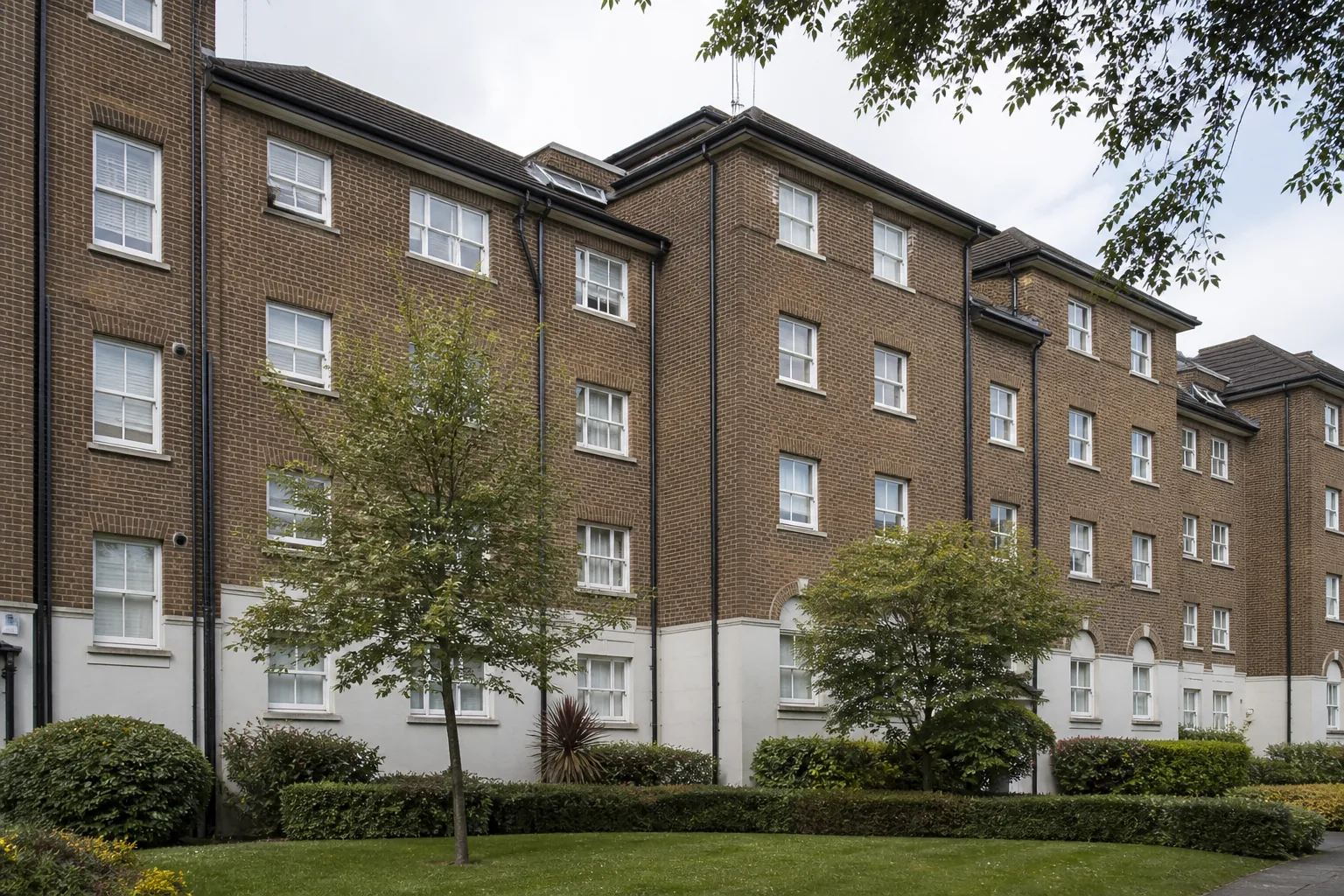
A Bromley property may have a simple continuous roof edge, several changes of level or additions beneath part of the guttering. Those differences affect both the likely collection points and the practical reach of each elevation. A useful enquiry identifies where water appears, whether it happens during rainfall and what sits below the affected channel. Some rear gardens or side passages may also need access arrangements in advance. The address and layout therefore shape the visit; a general description of the neighbourhood cannot establish which runs are suitable for routine cleaning.
Overflow at one corner does not necessarily mean the whole channel is packed with debris. Loose material can travel towards a bend or outlet, and a smaller concentration in that position may interrupt flow. Alternatively, a joint could be leaking, a section could have moved or a restriction could sit deeper in the downpipe. Cleaning removes leaves, moss, silt and similar build-up from accessible agreed channels. It can also cover a reachable outlet opening when specified, but it does not repair gutter components or trace obstructions through concealed pipework and below-ground drainage.
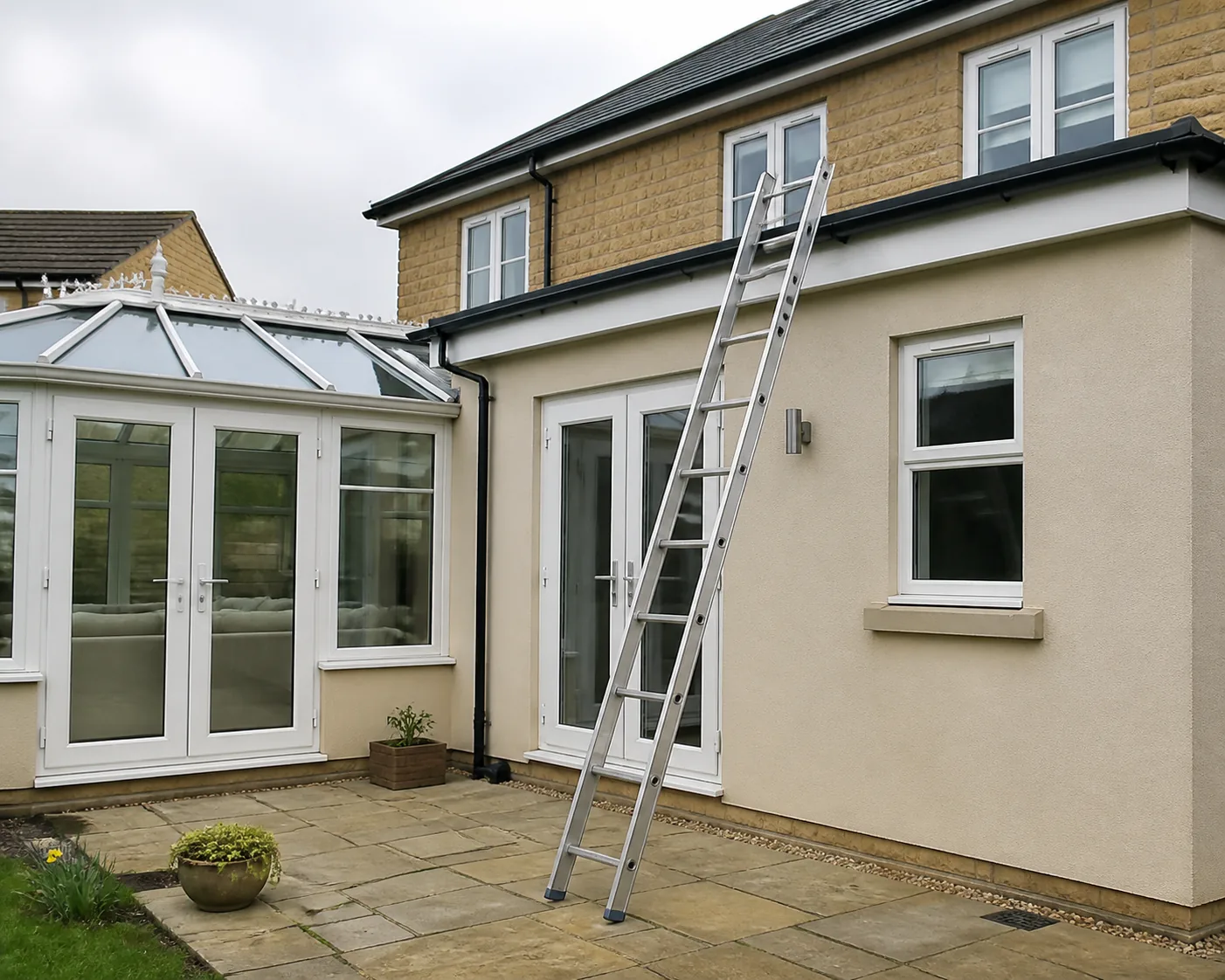
A front run and rear run at the same home may present very different conditions. Height, changes in roof level, extensions, conservatories, narrow passages, boundaries and the usable ground nearby all influence what is reachable. The included sections are confirmed from the actual layout rather than assumed from the property type.
| Property situation | Access or gutter consideration |
|---|---|
| House with a rear extension | The addition may alter reach to the original channel and may introduce another roof edge to consider. |
| End-of-terrace home | Side access may help, but gates, boundaries and roofline changes still need checking. |
| Detached property with mixed roof levels | Each level may collect debris differently and must be assessed as a distinct accessible section. |
| Converted or shared building | Responsibility, permission and entry to communal areas may need agreement before booking. |
Structured service guide
| Item | How it is handled |
|---|---|
| Named reachable gutter runs | Cleaned when agreed |
| Leaves, moss and silt | Removed from included channels |
| Accessible outlet opening | Covered if specified |
| Restriction deeper in a downpipe | Assessed separately |
| Below-ground drainage | Outside routine gutter work |
Structured service guide
| Situation | Likely category |
|---|---|
| Loose leaves covering an outlet | Cleaning |
| Fine deposits along a channel | Cleaning |
| Separated joint | Repair assessment |
| Cracked end section | Repair assessment |
| Loose support | Repair assessment |
Structured service guide
| Property detail | Why it matters |
|---|---|
| Number of requested elevations | Defines the amount of work |
| Different roof heights | Changes the access review |
| Additions below the gutter | May limit approach to a run |
| Volume and type of build-up | Affects the cleaning requirement |
| Outlet attention requested | Clarifies the included boundary |
Structured service guide
| Conditional context | Point to confirm |
|---|---|
| If an extension sits below the rear run | Whether that section is reachable |
| If a side route crosses shared land | Whether permission is arranged |
| If several roof edges meet | Which channels need attention |
| If overflow centres on a pipe | Whether deeper assessment may be needed |
Common causes
Wind-blown leaves may settle over moss and fine deposits, creating a layered restriction rather than one obvious blockage. Material commonly becomes troublesome when it narrows the route towards an outlet. Routine cleaning addresses that accessible build-up, not an obstruction hidden farther inside the rainwater system.

Wet leaves can settle into layers and slow water moving towards an outlet.
Loose roof moss can collect in the channel and hold other material in place.
Small twigs can bridge narrow points and trap lighter debris behind them.
Loose surface material may wash down from the roof during wet weather.
Older material can become dense and reduce the channel available for runoff.
Fine deposits can gather beneath larger debris and close to an outlet.
Seasonal context
Autumn leaves may cause a rapid change, whereas moss fragments and fine residue can accumulate gradually through the year. Nearby planting, roof condition, exposure and past overflow may all affect a particular home. Those address-specific clues are more useful than giving every household the same fixed maintenance interval.
Nearby trees, roof moss, gutter shape and exposure can all affect how quickly material accumulates. A visible symptom is more useful than applying one fixed timetable to every address.
Quick answers
Loose leaves, moss, silt and ordinary debris can be removed from accessible channels included in the booking. Reachable outlet openings may also be covered when agreed, but deeper pipework and repairs are separate.
Debris may have gathered beside a bend or outlet, yet a leaking joint, displaced section or lower pipe restriction could look similar. The position helps guide an assessment but does not prove the cause.
Yes. An extension, conservatory, porch or garage can sit beneath a requested run or add another channel. Describing the layout early helps establish which sections can reasonably form the agreed scope.
No. Cleaning deals with routine debris in included accessible areas. Split channels, loose brackets, failed seals and displaced fittings require repair consideration, even if they become easier to see after cleaning.
It can be included by prior agreement when loose material is accessible at the opening. A suspected blockage below that point, within the downpipe, requires a different assessment and is not automatic.
Use the property’s previous build-up, nearby vegetation, roof moss and any overflow seen during rain as guides. Conditions vary, so a universal calendar rule would be less helpful.
Bromley service area
Nearby gutter-cleaning pages
Before booking
Describe the affected elevation, roof level, visible material and when the symptom occurs. Mention anything beneath the eaves, along with locked gates or shared areas. These details help define a realistic reachable scope before the appointment.
No. Cleaning restores space where routine build-up has restricted an agreed channel or reachable outlet. Overflow caused by damaged components, poor alignment, concealed downpipe obstructions, connected drainage or unusually intense rainfall may need a different response.
Loose material around the joint can be cleared when it lies within the agreed channel. If water escapes because the connection is worn, separated or damaged, correcting it is repair work and should be considered independently.
Growth suggests organic matter has remained long enough to support it, so accessible debris removal may be appropriate. Its presence does not reveal the condition of the channel, outlet or connected pipe, which may raise additional questions.
Yes. The booking can be limited to named accessible front runs if that is what has been agreed. It is still useful to explain any symptom elsewhere, because connected or uncleared sections may affect the overall rainwater route.
Rear access may involve an enclosed garden, narrow internal route, addition beneath the eaves or shared boundary. These features can change what is reachable, even when the channel looks similar to one at the front.
No. Gutter overflow is one possibility, but moisture can originate from roofs, joints, plumbing, walls or ground conditions. Cleaning is relevant when accessible debris restricts rainwater flow; it cannot diagnose or resolve every damp source.
They are not. Routine work is confined to the agreed accessible gutter channels and any reachable outlet attention specifically included. Problems within below-ground drainage require their own investigation and a suitable service designed for those systems.
Removing build-up may reveal damage that was not apparent beforehand. The crack can then be raised for separate repair assessment, but uncovering it does not change the original debris-removal visit into a repair job during the original booking.
Yes. Conditions at the property may affect whether the agreed work can proceed appropriately. If circumstances change, the practical response is to review the appointment and scope rather than assume every visit must continue unchanged.
Discuss the actual roofline
A quote reflects the defined cleaning task: the number and length of requested channels, their height, how readily each elevation can be approached, the expected debris and any reachable outlets to include. Suspected damage, deeper downpipe work and special access requirements need their own assessment instead of being hidden within one figure.
