
Leaves
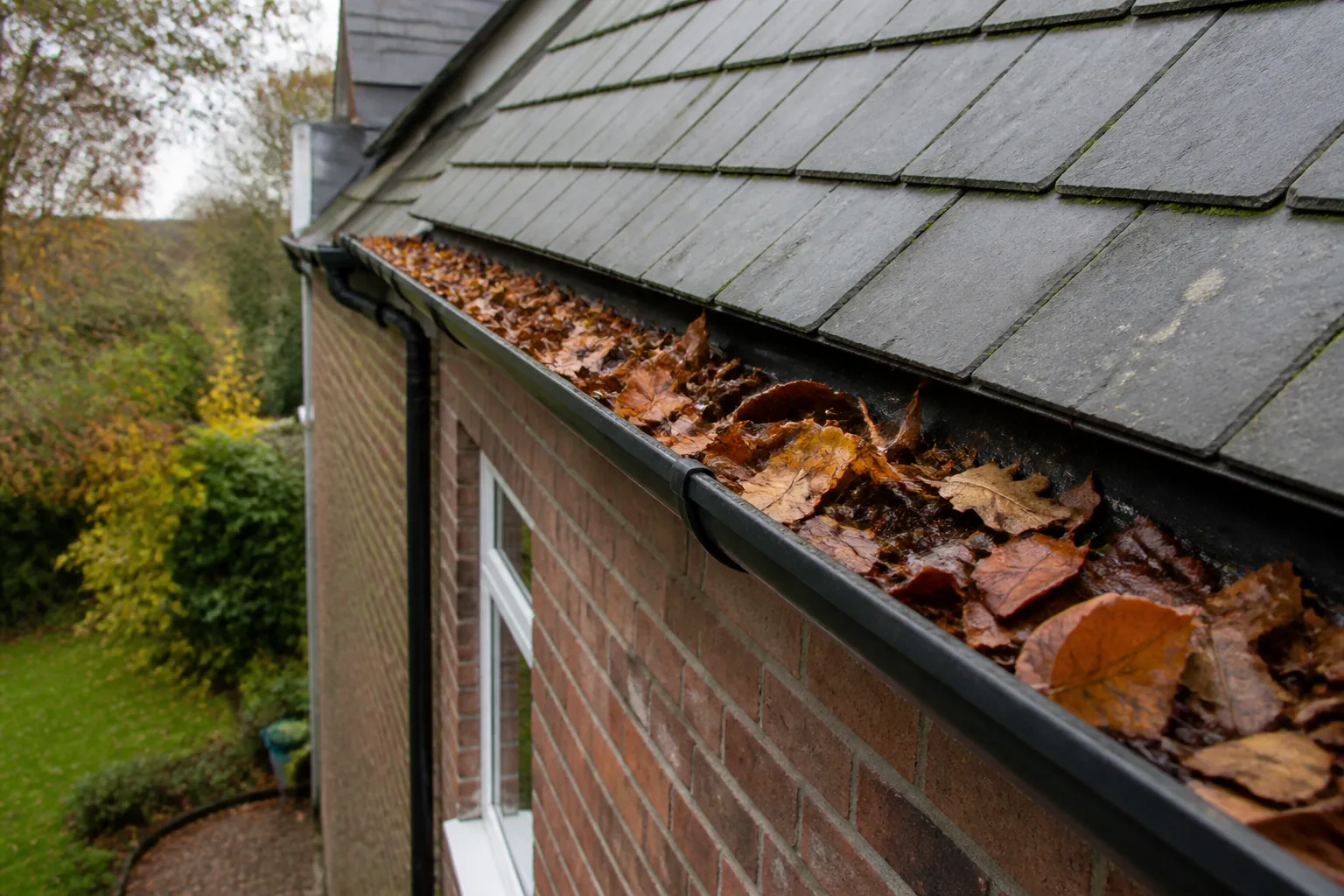
Wet leaves can settle into layers and slow water moving towards an outlet.
Rainwater routes · access · clear scope
Gutters need open space along the whole run, not only a clear patch visible from below. Our Caterham gutter cleaning removes leaves, moss fragments and silt from the accessible channels agreed beforehand. A reachable outlet opening may be included when specified. Broken parts, concealed pipe restrictions, underground drains and any roofline outside the suitable access plan require separate attention.
Common causes
Loose moss and leaves often gather where the flow changes direction or enters an outlet. They trap smaller particles, which settle into silt and hold moisture between showers. The cleaning task removes this routine material from reachable agreed runs but stops at concealed sections.
Wet leaves can settle into layers and slow water moving towards an outlet.
Loose roof moss can collect in the channel and hold other material in place.
Small twigs can bridge narrow points and trap lighter debris behind them.
Loose surface material may wash down from the roof during wet weather.
Older material can become dense and reduce the channel available for runoff.
Fine deposits can gather beneath larger debris and close to an outlet.
Local property context
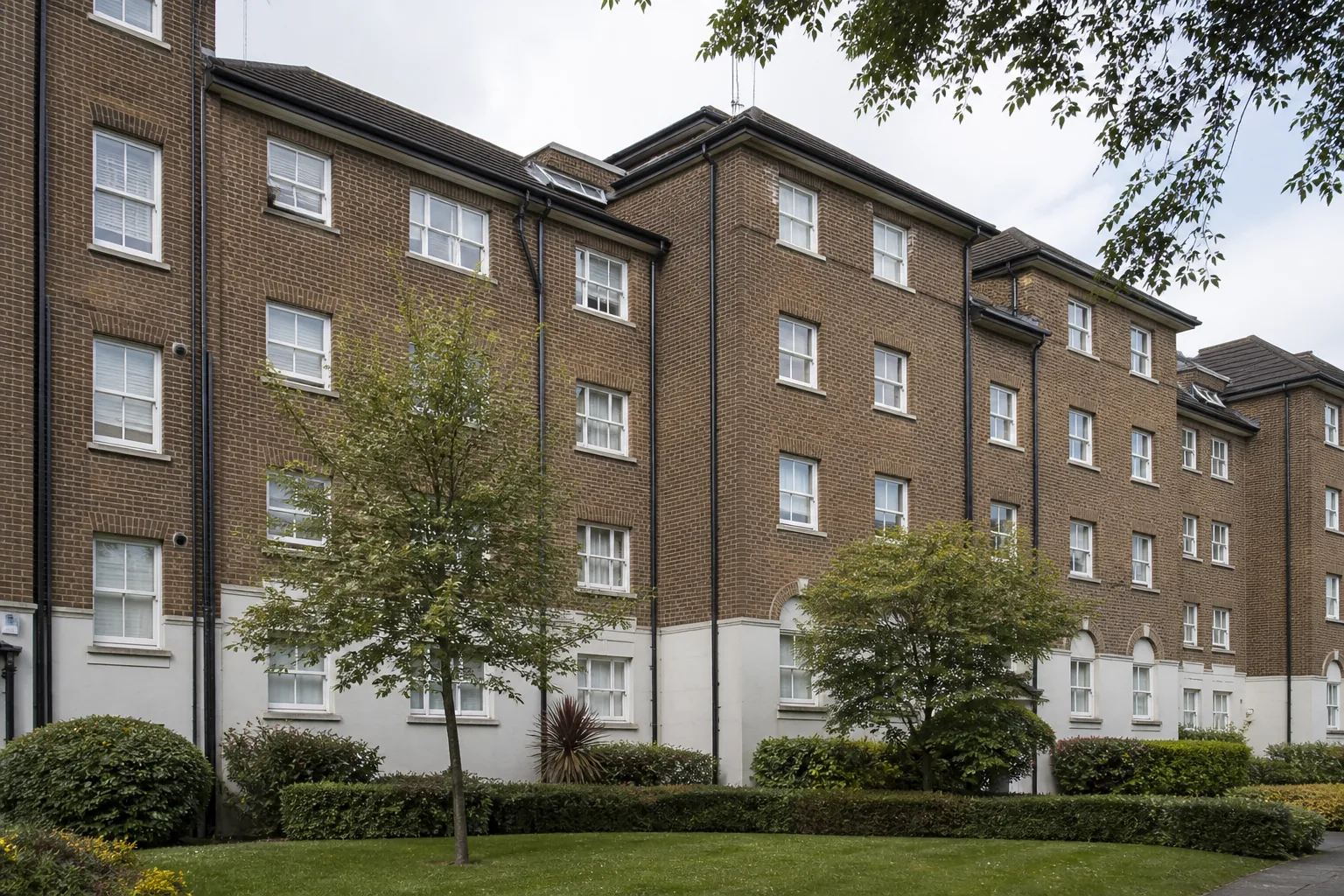
A property in Caterham may present a straightforward front channel but a very different arrangement at the side or rear. Ground can change level, a garage or extension may interrupt the route, and a boundary can narrow the available space. These are conditional examples rather than assumptions about any street. Describe the sides required, each roof height and the structures below them. This allows an agreement to reflect the actual address, including a clear exclusion where a visible section cannot be suitably reached.
The contents of a gutter also vary within one roofline. Dry leaves may sit loosely along an exposed length, while damp moss and grit collect densely near an outlet. Clearing both restores usable channel space where access and scope permit. It does not show that the downpipe is open further inside, nor can it correct a split, sag or faulty joint. Note where overflow, dripping or pooling occurs, because those details help separate an ordinary build-up from a repair or drainage concern.
Suitable reach depends on more than storey count. Steps, slopes, walls, covered areas, lower roofs and tight side spaces can affect each elevation differently. State which gates and routes will be available, and resolve any shared-land permission before the work is arranged.
| Property situation | Access or gutter consideration |
|---|---|
| Split-level or sloping plots | A gutter's effective height and surrounding space may change between the front and back. |
| Semi-detached houses | The side approach and limit of any adjoining channel should be described clearly. |
| Homes with attached garages | The garage may introduce a lower run and affect the route to guttering above. |
| Properties with conservatories | A conservatory can restrict the approach to the higher rear channel and has its own drainage details. |
Structured service guide
| Component | Possible within the visit | Requires another scope |
|---|---|---|
| Accessible agreed channel | Remove routine loose material | Mend, replace or realign it |
| Reachable outlet opening | Uncover it when specified | Clear pipework out of view |
| Underground drain | No ordinary channel work | Drain investigation |
Structured service guide
| What is seen | Cleaning response | Other possible need |
|---|---|---|
| Silt across the channel bottom | Lift the accessible deposit | None if flow is restored |
| Sag between brackets | Remove ordinary contents | Correct supports or fall |
| Water at a cracked corner | Clear any nearby blockage | Repair the damaged fitting |
Structured service guide
| Factor | Effect on the request |
|---|---|
| Total runs named | Defines the clearing boundary |
| Changes in building or ground level | Affects individual access decisions |
| Lower roofs and narrow approaches | May restrict an elevation |
| Loose leaves or compacted silt | Changes the likely clearing work |
Structured service guide
| Property feature | Point to confirm |
|---|---|
| Sloping rear garden | Access at the changed ground level |
| Attached garage | Whether lower and upper runs are requested |
| Conservatory below eaves | Whether the higher gutter is reachable |
| Shared side passage | Permission and route availability |
A clear service sequence
Seasonal context
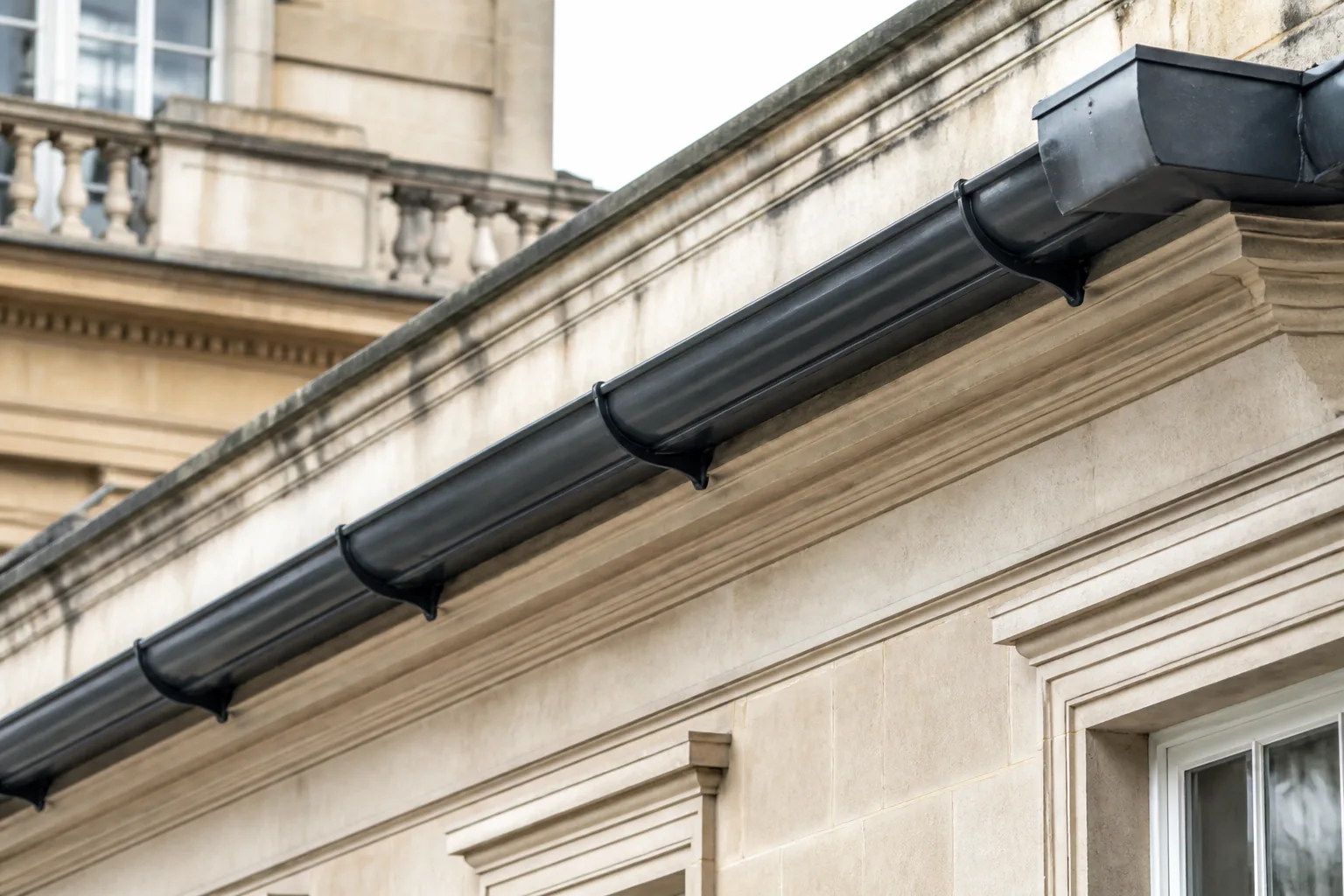
Wind can deposit leaves quickly, while fine grit and pieces of roof moss may build more slowly. Sheltered outlet corners often behave differently from open lengths. Watching where material returns and how rainwater moves offers a better maintenance cue than one fixed yearly date.
Nearby trees, roof moss, gutter shape and exposure can all affect how quickly material accumulates. A visible symptom is more useful than applying one fixed timetable to every address.
Quick answers
No. Side, front and rear runs are included only when requested, accessible and agreed. A clear route to one elevation says nothing certain about the others around the building.
Leaves, loose moss, small seeds, grit and settled silt are typical routine contents. Damage, fixed material and objects that change the nature of the task need separate assessment.
No. Removing debris can reduce the load, but it cannot restore brackets or correct the channel's fall. Sagging should be treated as a distinct repair concern.
When agreed, loose debris can be removed from a reachable outlet mouth. The visit does not confirm or clear the hidden downpipe, bends or underground drainage beyond that point.
Yes, if its relevant sides are named and access is suitable. It remains a separate roofline and is not assumed to be covered by a request for the house.
Higher or lower ground alters the practical setting around a channel, even when the roof itself appears level. That detail helps determine access for each requested elevation.
Caterham service area
Nearby gutter-cleaning pages
Before booking
It leaves out repairs, alignment changes, concealed downpipe obstructions, below-ground drainage and any roofline not included in the access agreement. Routine work is confined to loose contents in named accessible channels, plus reachable outlet mouths where confirmed.
No. Debris is common, but the channel's fall, outlet size, a failed fitting or a deeper restriction can also cause spilling. The affected area should be described accurately so cleaning is not presented as a guaranteed cure.
Even a low layer can catch grit and leaves, retain moisture and reduce the available depth. Whether it needs attention depends on the whole run and its water behaviour. Accessible loose moss can be removed during agreed clearance.
A rear addition, raised garden, enclosed passage or boundary feature may change the available space and effective height. Conditions at the actual address decide inclusion. Front access should never be used as proof that another elevation is reachable.
It can help where accumulated material has raised the water level, but alignment, roof-edge details or damage may be involved. If water continues to track behind an open channel, the fitting and surrounding construction need separate assessment.
Describe its position and depth in relation to the requested rear gutter, as well as any channel on the conservatory itself. Its surface cannot be assumed to provide access to the higher roofline, even when both are visible.
Yes. Material may sit further down the downpipe, around a hidden bend or at the below-ground connection. Removing debris from the reachable opening does not establish the condition of that concealed route or include its clearance.
Yes. Identify which channels are private or communal, who is responsible and what access is permitted. Connected guttering can cross responsibility boundaries, so a clear agreement is required before any particular section is treated as part of the visit.
Observe how quickly different runs gather material, especially around known outlets and sheltered corners. Nearby planting, wind exposure and loose roof moss may influence the pattern. Arrange a check when visible build-up or water behaviour indicates a reason.
The roofline relying on that route may need to remain uncleaned. Work should cover only the sections reached under the agreement. Once permission or physical access has been resolved, the excluded run can be considered as a separate visit.
Discuss the actual roofline
The quotation reflects the chosen runs, their combined extent, changes in height, approach around the building and the density of the debris. A separate garage or several short sections can alter the task. Repair and deeper drainage work are not assumed additions.
