
COBHAM · FAMILY USE, DEEP PILE, A CLEAR carrying PLAN
Rug Cleaning in Cobham for Rugs That Work Hard at Home
A rug shared by children, pets and everyday traffic needs a useful history, not a label such as “dirty”. For Cobham we build that history around the pile, underlay, recurring crumbs, one pet incident and the route from the family room to the entrance.
- room image the play area before toys and low furniture move
- Mark the pet incident on a simple sketch of the rug
- Lift one safe corner to show backing and separate underlay
- Confirm whether the garden entrance avoids the main hallway
BUILD COBHAM’S household notes NOTE
family-room log what you can see without guessing the treatment
The controls organise room images and questions for deep-pile family-room rug. They do not identify fibre identity remotely or select a cleaning product.
COBHAM ROOM family-room log
Family routines explain more than a generic stain list
Play, pets and frequent door traffic distribute debris unevenly. A quick room sketch shows where each observation belongs and prevents unrelated wear being treated as one problem.
The object. This enquiry concerns a deep-pile family-room rug. Its outline, working face, reverse and perimeter are room imageed as one set.
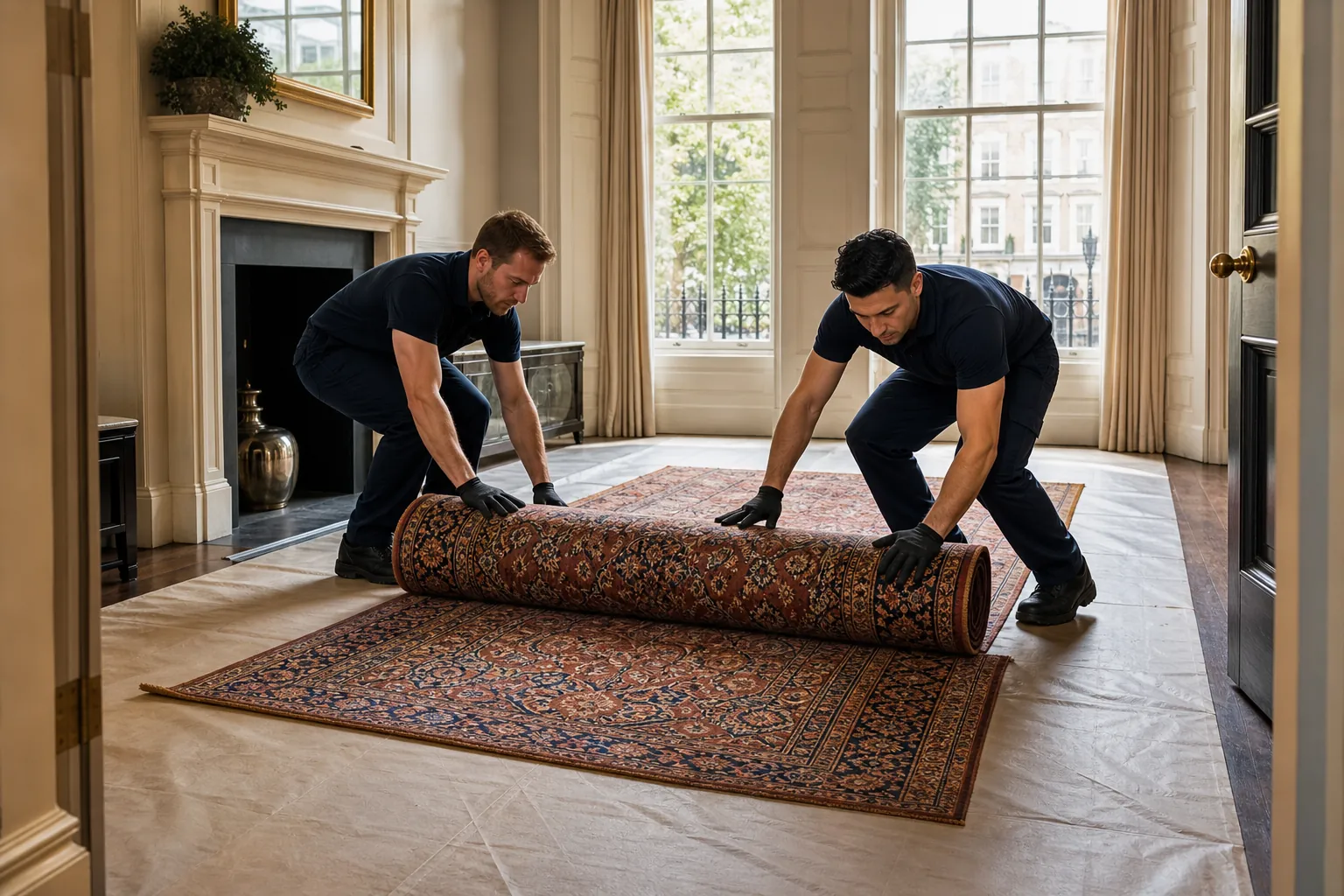
The route. wide garden doors but a stepped terrace is described before lifting, so the carrying plan is not improvised at the appointment.
Cobham working file
Overview. One square room image establishes proportion and placement.
Scale. Length, width and rolled diameter answer different carrying questions.
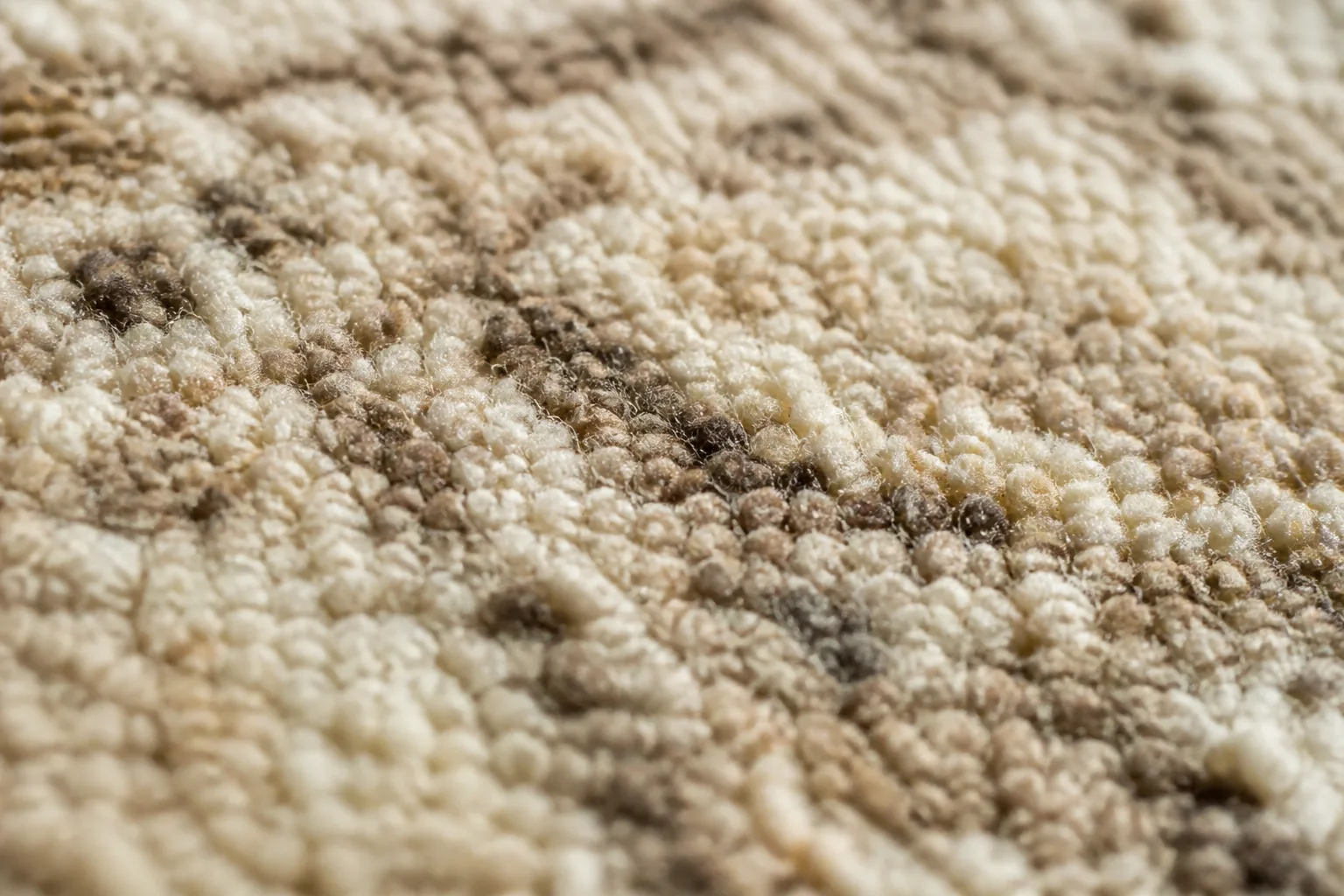
Face. Daylight room images distinguish substrate debris from pile-direction shading.
Reverse. A safe corner view may reveal textile build, staining depth or an attached backing.
perimeter. Binding, tasselled ends roots and weak corners are family-room loged independently.
dye behaviour. Affected and unaffected motifs appear in the same frame for comparison.
History. The owner names earlier sprays, powders, rental machines or professional work.
Use. Furniture, footwear, pets and repeated routes are included only where relevant.
Floor. stone floor with separate underlay remains a separate substrate with its own care limits.
property route. wide garden doors but a stepped terrace becomes part of the carrying brief.
Unknowns. Missing fibre identity or dye information is family-room loged honestly rather than inferred.
Expectation. Soil removal, mark improvement, odour work and wear are discussed separately.
Preparation. Movable items are agreed; heavy pieces are never assumed.
moisture release. Airflow, density and care route determine the return point.
Price. Size is considered with build, present state, property route and accepted extras.
Decision. The final route follows pre-work review of this rug, not its postcode.
COMPARE, DON’T ASSUME
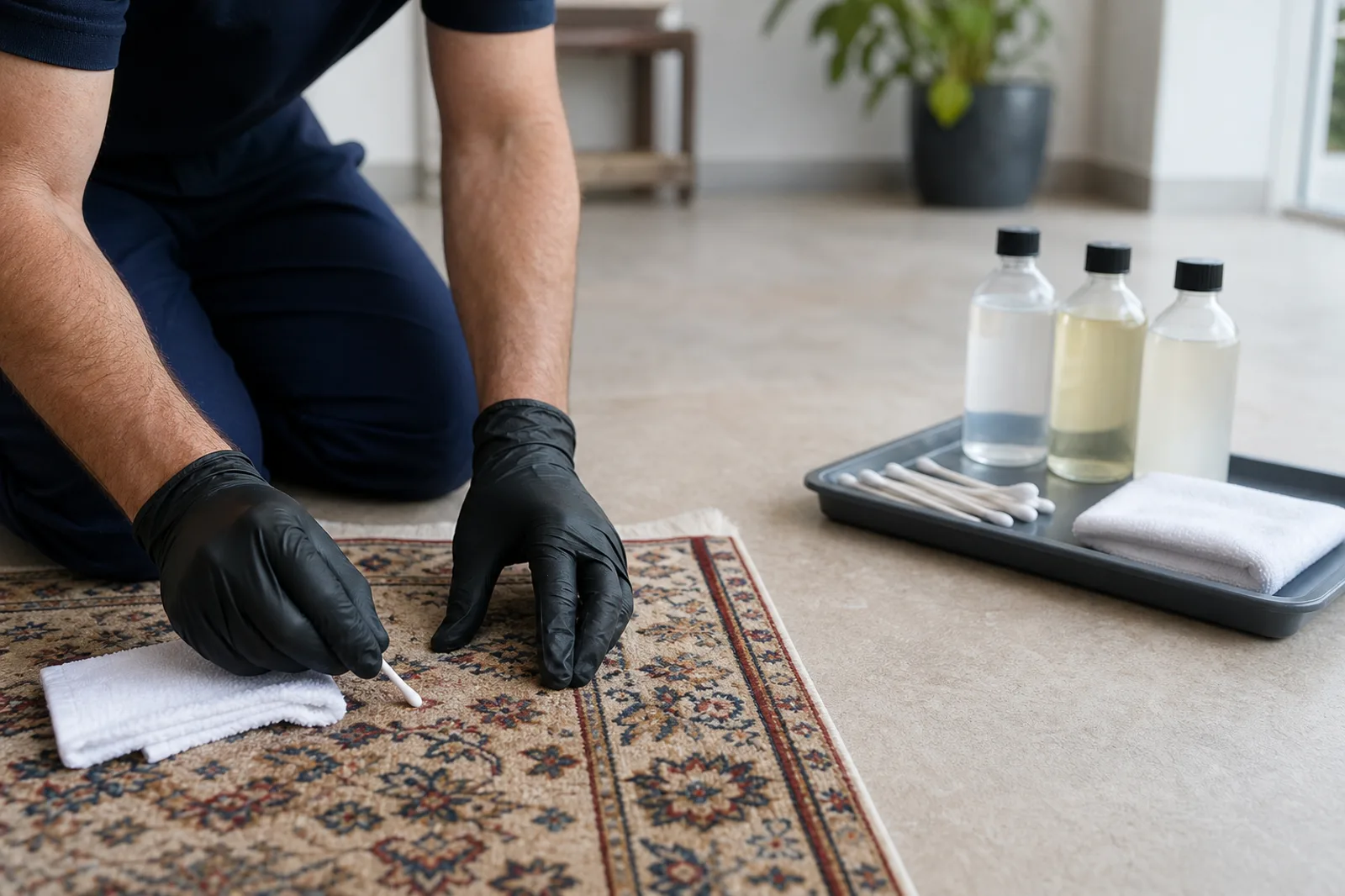
embedded play-area debris and one pet incident may contain more than one change
Loose material, residue, flattened pile, shifted dye and worn fibre identity can overlap visually. A wide reference room image and a close view help separate these possibilities without promising that every contrast will disappear.
TRACE DEPTH AND HISTORY
Odour questions begin at the substrate and continue below
Describe when a smell appears, where it is strongest and whether a liquid could have crossed the base structure. Include the under-rug substrate and every product already used.
- Map the area on face and reverse
- Separate room odour from textile odour
- Give approximate age and repeat history
- Leave outcome limits until the build is assessed
SEND A COMPLETE COBHAM SNAPSHOT
Useful household notes arrives as a short, ordered pack
Start with the whole object, then move closer. This sequence gives scale before detail and keeps the scoped estimate conversation efficient.
- Postcode and best contact
- Longest and widest dimensions
- Full-rug view in its normal position
- Reverse and label room images
- Close view of embedded play-area debris and one pet incident
- Edge, corner and tasselled ends present state
- Earlier product or cleaning history
- Notes on wide garden doors but a stepped terrace
Before choosing an appointment
Can a room image identify the fibre identity?
Not reliably. It helps frame questions, while labels, textile build clues and appropriate checks guide the pre-work review.
Does a visible mark equal removable soil?
No. Residue, wear, dye change and pile distortion can resemble soil in an image.
Why family-room log the substrate underneath?
It can affect moisture, dye behaviour transfer and the safe point for putting the rug back.
When can furniture return?
Only after the item-specific room-return advice confirms the textile is ready.
COBHAM WORKFLOW
Follow the family-room history through seven decisions
the family-room history stays visible at each stage, while material checks set the practical limit.
- 01
Sketch
Capture the object and its surroundings
- 02
Separate
Relate the main concern area to an clear comparison area
- 03
Inspect
Review fibre identity, dye behaviour, backing and weak points
- 04
Plan
Agree movement, property route and room protection
- 05
Treat
Use the chosen care route within assessed limits
- 06
Ventilate
Check perimeter, field and original observations
- 07
room-return advice
Give moisture release, placement and aftercare guidance
SIZE REFERENCE FOR COBHAM
dimensions open the estimate; complexity completes it
Area provides a consistent starting reference. textile build, embedded play-area debris and one pet incident, carrying via wide garden doors but a stepped terrace, and optional agreed work can change the confirmed scoped estimate.
READ THE RUG AS A LAYERED OBJECT
Four checks shape the Cobham boundary
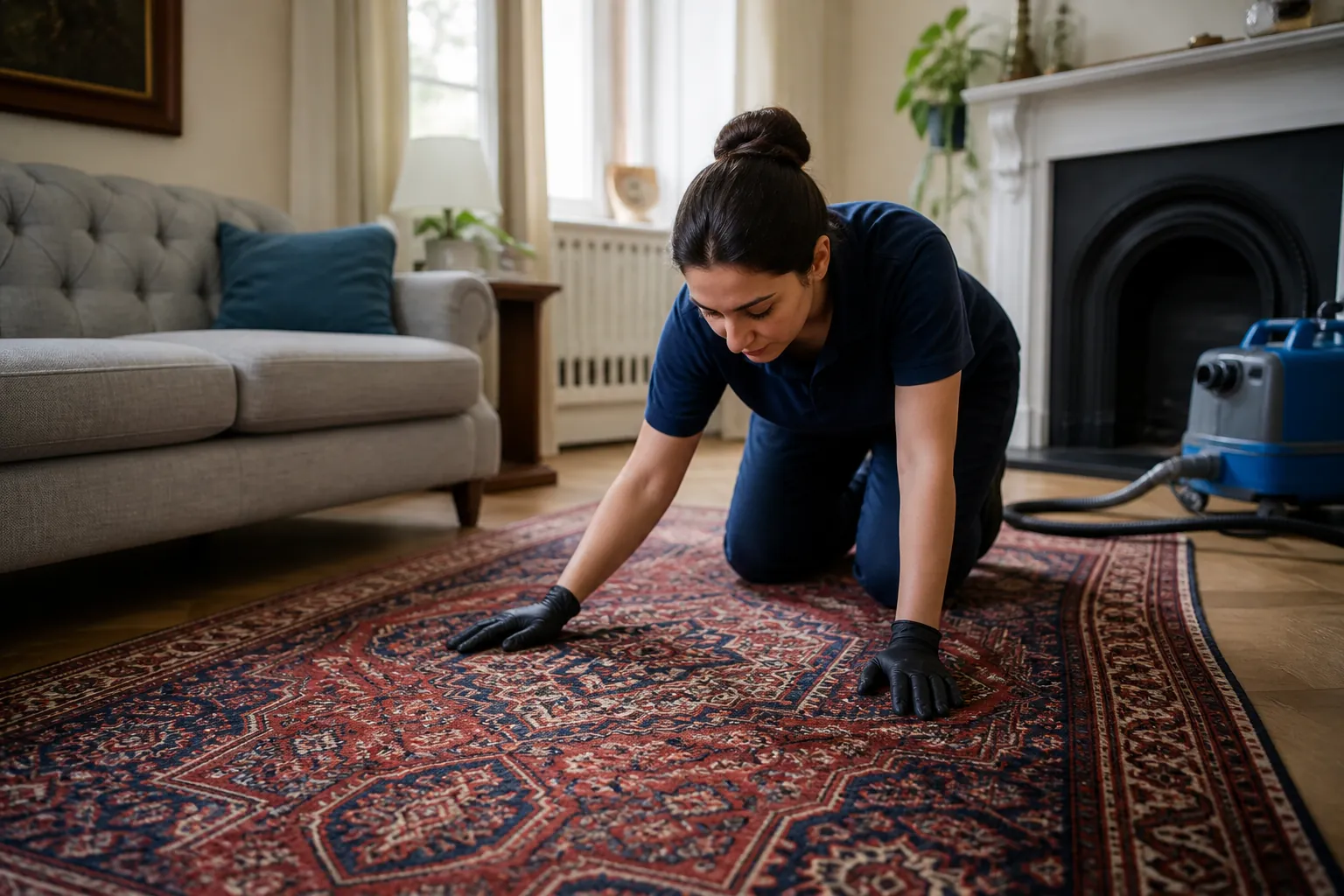
deep-pile family-room rug is more than its visible face. fibre identity, dye behaviour, base structure and attachments each limit what can be done safely.
Absorbency and resilience
Known content narrows compatible moisture and mechanical action.
Contrast and previous change
Motifs, fading and transfer risk are observed separately.
How the textile holds together
Knotted, woven and tufted builds respond differently.
perimeter, tasselled ends and repairs
Weak details can set the limit for carrying.
COBHAM QUESTIONS
Answers for a shared family room
How should I show the play-room layout?
Stand at the doorway and include the rug, low furniture, toy storage and garden-door route in one landscape image.
Is deep pile automatically suitable for wet cleaning?
No. fibre identity, base structure, backing and dye behaviour behaviour need review before moisture or agitation is selected.
What should I write about the pet incident?
Give its approximate position, age, repeat history, smell pattern and any product already applied.
Does the separate underlay need its own room image?
Yes, when a corner can be lifted safely. The underlay and stone floor are not assumed to share the rug’s present state.
Can embedded crumbs simply be vacuumed away?
property routeible dry debris may release, but dense pile can conceal material that requires a more considered preparation stage.
Should toys be cleared before the visit?
Small loose items can be removed. Agree any heavier furniture movement when the scope is discussed.
Will the stepped terrace affect the scoped estimate?
It can affect carrying and staffing, so include the step count and the usable width of the garden doors.
Can an old pet smell be guaranteed to disappear?
No. Liquid may have travelled into the base structure, underlay or floor, and each layer changes the realistic outcome.
How long before the family room is usable?
The room-return advice depends on pile density, chosen process, ventilation and verified dryness rather than a standard number of hours.
What does the £68 visit minimum mean?
It is the current minimum for attendance. Confirmed eligible services at the same address may be combined toward it.
START WITH THE ACTUAL COBHAM RUG
Bring the family-room story into one useful brief
Share dimensions, room images, present state history and the carrying route for a better-scoped scoped estimate.
