
EAST DULWICH · A CLEAN DESIGNED FOR YOUR RUG
Area Rug Cleaning in East Dulwich, Planned Item by Item
Hallway kilims in busy homes collect grit where shoes turn and doors open. Before recommending work, we consider the weave, uneven wear and the practical journey from room to vehicle.
- Take one picture showing the textile from end to end
- Measure the woven rectangle without loose tassels
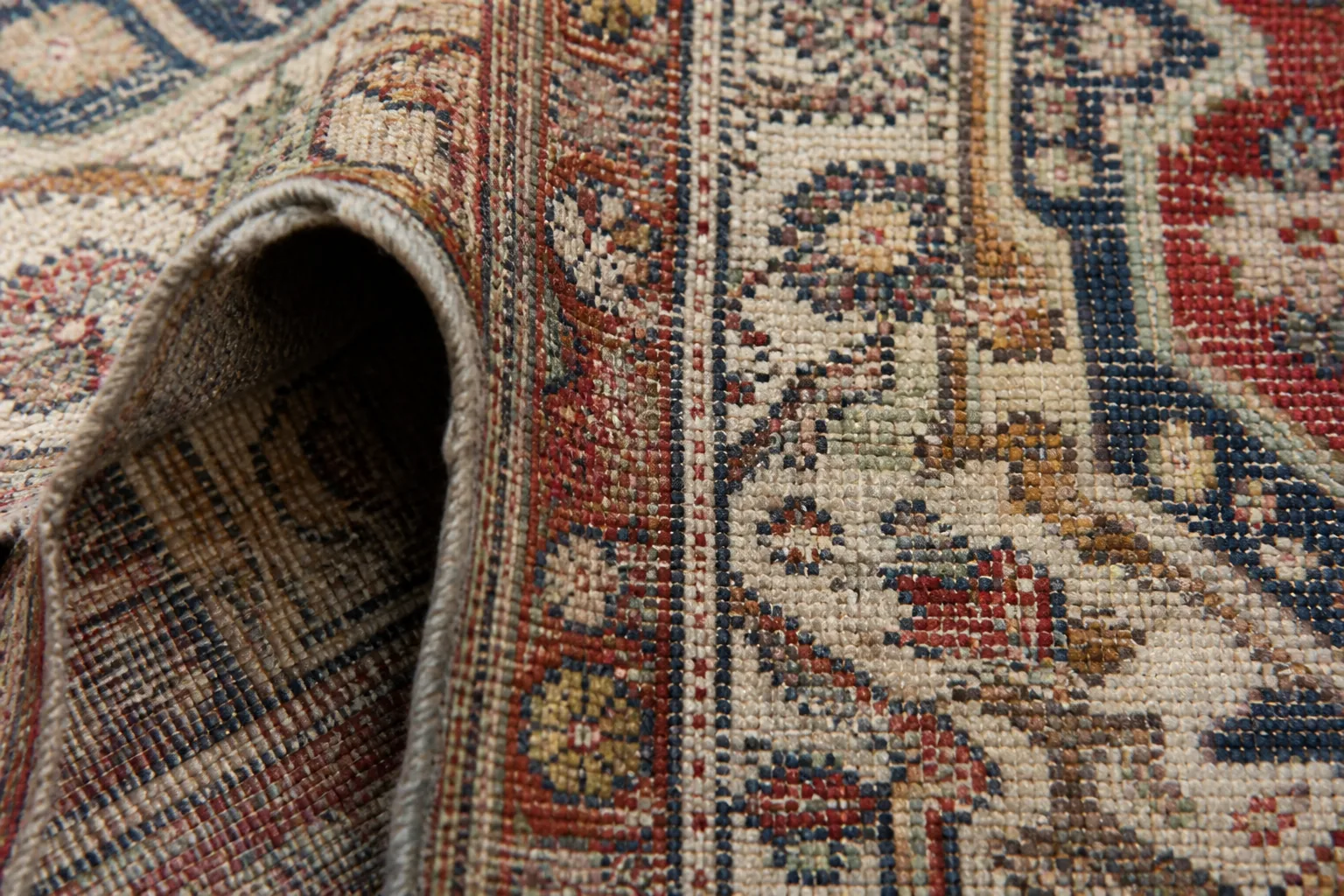
- Add close-ups of rubbed edges, tracked lanes and underside
- Mention narrow halls, steps and collection parking
MAKE THE FIRST MESSAGE COUNT
Nine details give us a useful starting point
A good enquiry records the object, its surroundings and the result you hope to achieve.
- Your local postcode
- Woven-body length
- Broadest width
- Straight overhead photograph
- Dark traffic-lane close-ups
- Borders, ends and reverse
- Previous products
- Overlapping furniture
- Steps and stopping options
Useful things to know
What if there is no care label?
That is common. Images begin the conversation; hands-on checks resolve what cannot be confirmed remotely.
Why photograph several angles?
Pile direction changes reflected light, making one patch look different from the opposite end.
Should I roll it before collection?
Leave it in place unless agreed otherwise; brittle backing may require supported handling.
Must the dining table move?
Tell us its weight and size first so sensible preparation can be agreed.
READING THE TEXTILE
Construction tells more than a label
Surface yarn is only the beginning. Contrasting shades, knotting, adhesive and old mending influence safe progress.
Yarn behaviour
Density and absorbency narrow practical options.
Colour boundaries
Dark and pale areas are considered before moisture.
Internal assembly
Structure determines the support required.
Old work and edges
Mends, splits and thinning receive separate attention.
DIRT, DAMAGE OR BOTH?
A grey lane may not be entirely removable
Footfall can leave grit, bonded residue and permanently abraded yarn together. Sheltered areas are compared with the busy route so cleaning is not confused with restoration.
SPILLS HAVE A HISTORY
Explain what followed the accident
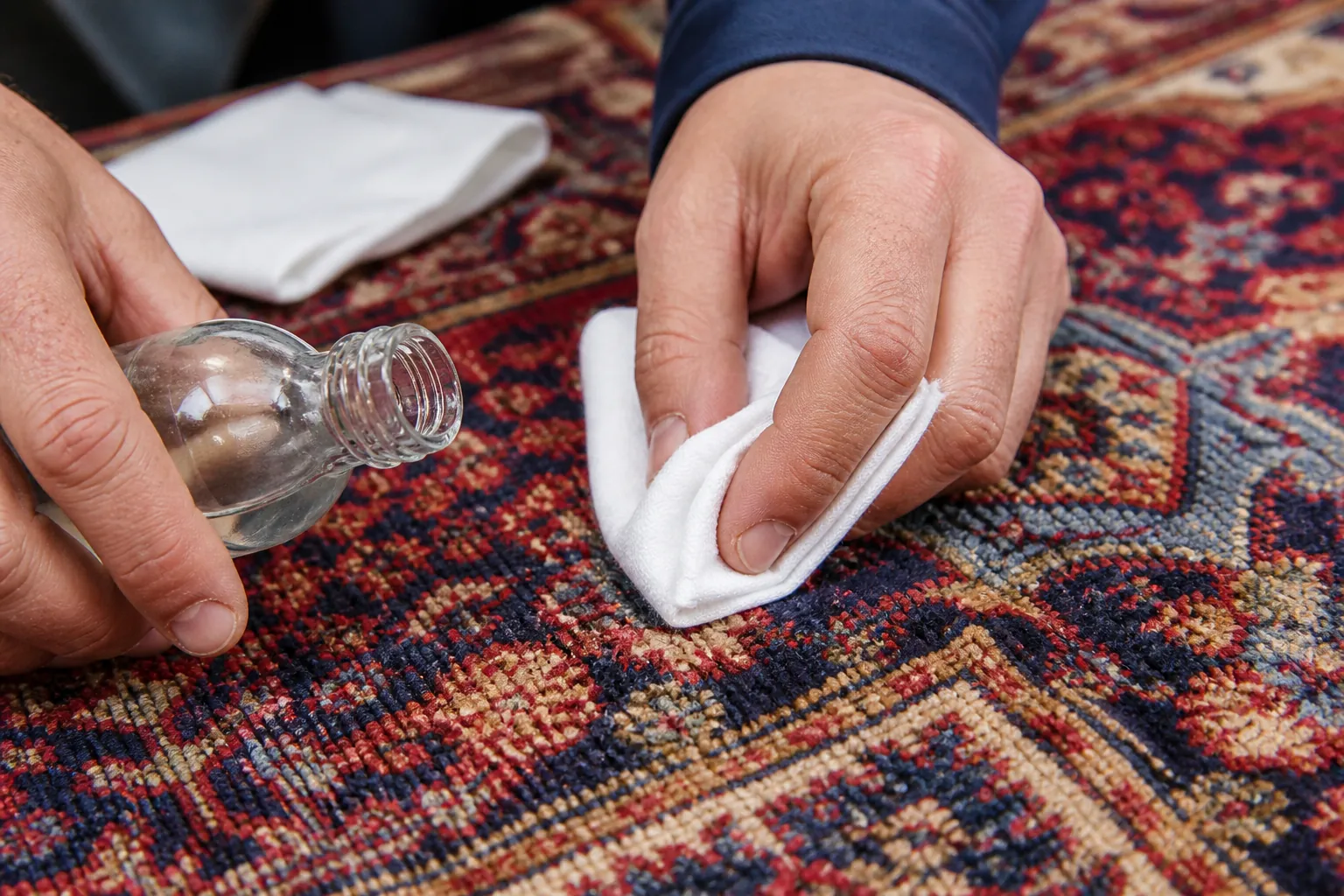
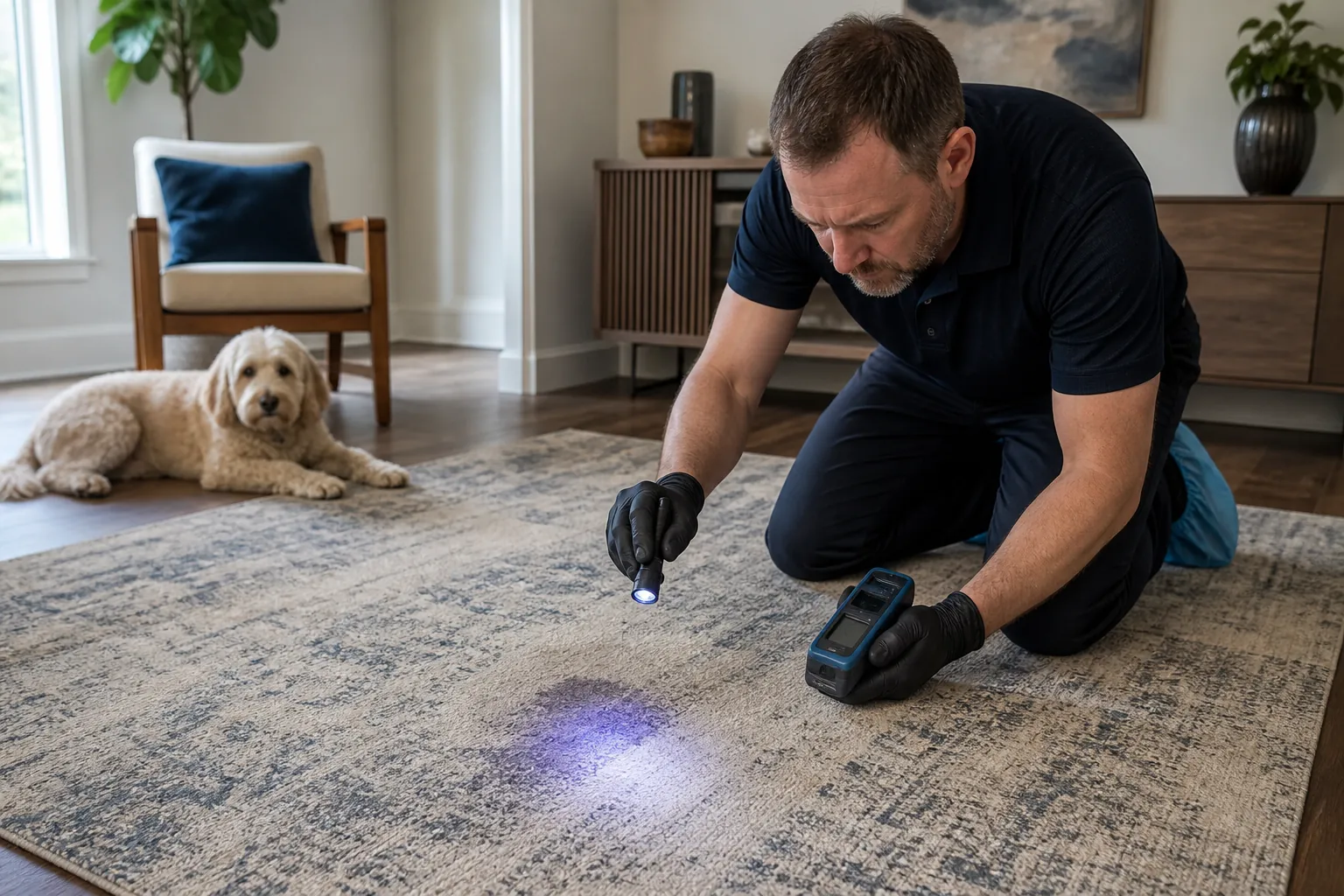
Blotting, scrubbing and retail foam each change the evidence. A candid timeline helps more than another home remedy.
- What spilled and when
- Whether it reached below
- Products or machines used
- Later changes in feel, shade or smell
CREATE A SNAPSHOT
Choose observations, not conclusions
This profile organises your message; it does not prescribe treatment.
A TYPICAL EAST DULWICH SETTING
Terraced-house access deserves advance thought
Picture a long kilim running from the front door towards a staircase. One border receives constant shoe contact while the other hides beneath a console. Daily use explains where inspection should concentrate.
The wider view matters. An overhead image reveals whether lifting is possible without dragging around furniture and identifies the floor needing protection.
Focused pictures can cover curled corners, loose ends and the busiest strip. Paired with the overview, they place every defect in proportion.
A practical East Dulwich record
Object: Separate movable kilims from fitted carpet.
Scale: Supply greatest woven dimensions.
Traffic: Mark the door-side lane.
Composition: Copy label wording exactly.
Weave: Show face and underside sharply.
Pattern: Capture strong colour transitions.
Ends: Note damaged tassel sections.
Sides: Report exposed cord or thinning.
Repairs: Isolate patches and replaced yarn.
Earlier work: Name contractors if remembered.
Products: Photograph bottles already used.
Smell: Say when it becomes strongest.
Floor: Report marks underneath.
Journey: Check the exit route.
Priority: Choose hygiene, appearance or odour.
Boundary: Cleaning cannot replace worn fibre.

FROM ARRIVAL TO HANDOVER
Seven checkpoints keep decisions accountable
Each finding informs the next choice, and the route may change when new evidence appears.
- 01
Log
Note shape, damage and desired outcome
- 02
Identify
Study yarn, dyes, weave and backing
- 03
Release
Reduce suitable dry debris carefully
- 04
Clean
Use the agreed compatible approach
- 05
Stabilise
Manage support, moisture and airflow
- 06
Review
Compare results with starting condition
- 07
Explain
Give placement and aftercare guidance
EAST DULWICH PRICE GUIDE
Size places the item in an initial band
Final scope also reflects fabric, assembly, contamination, fragile features, access and approved extras.
EAST DULWICH HOUSEHOLD QUESTIONS
Straight answers before arranging anything
How should an irregular rug be measured?
Give the longest and widest woven points, plus a full image that makes its outline clear.
Can photos prove my kilim is wool?
No. They offer clues, but uncertain composition remains open until properly checked.
Will the dark doorway strip vanish?
That depends on the balance between removable soil, fading, crushed yarn and abrasion.
Why ask about the floor underneath?
It may reveal transferred residue and affects safe lifting, protection and return.
Should I try retail spot spray?
Pause first. Keep packaging for anything already applied and report its use.
Can repaired fringe be cleaned?
It needs individual review because repair thread, attachment and strength may differ.
When may people walk on it again?
Follow handover guidance based on its construction, treatment and actual condition.
What controls drying in a terrace?
Circulation, warmth, humidity, density, foundation and protected space all contribute.
Are charges only based on area?
Area opens the band; build, condition, access and specialist tasks may alter it.
How does the £68 minimum work?
It starts an eligible appointment; other compatible confirmed services may contribute.
START WITH A CLEAR LOCAL ENQUIRY
Introduce the rug before deciding its treatment
Send measurements, setting, history and photographs that show your concern.
