
What Does End of Tenancy Cleaning Include — and What Is Usually Extra?
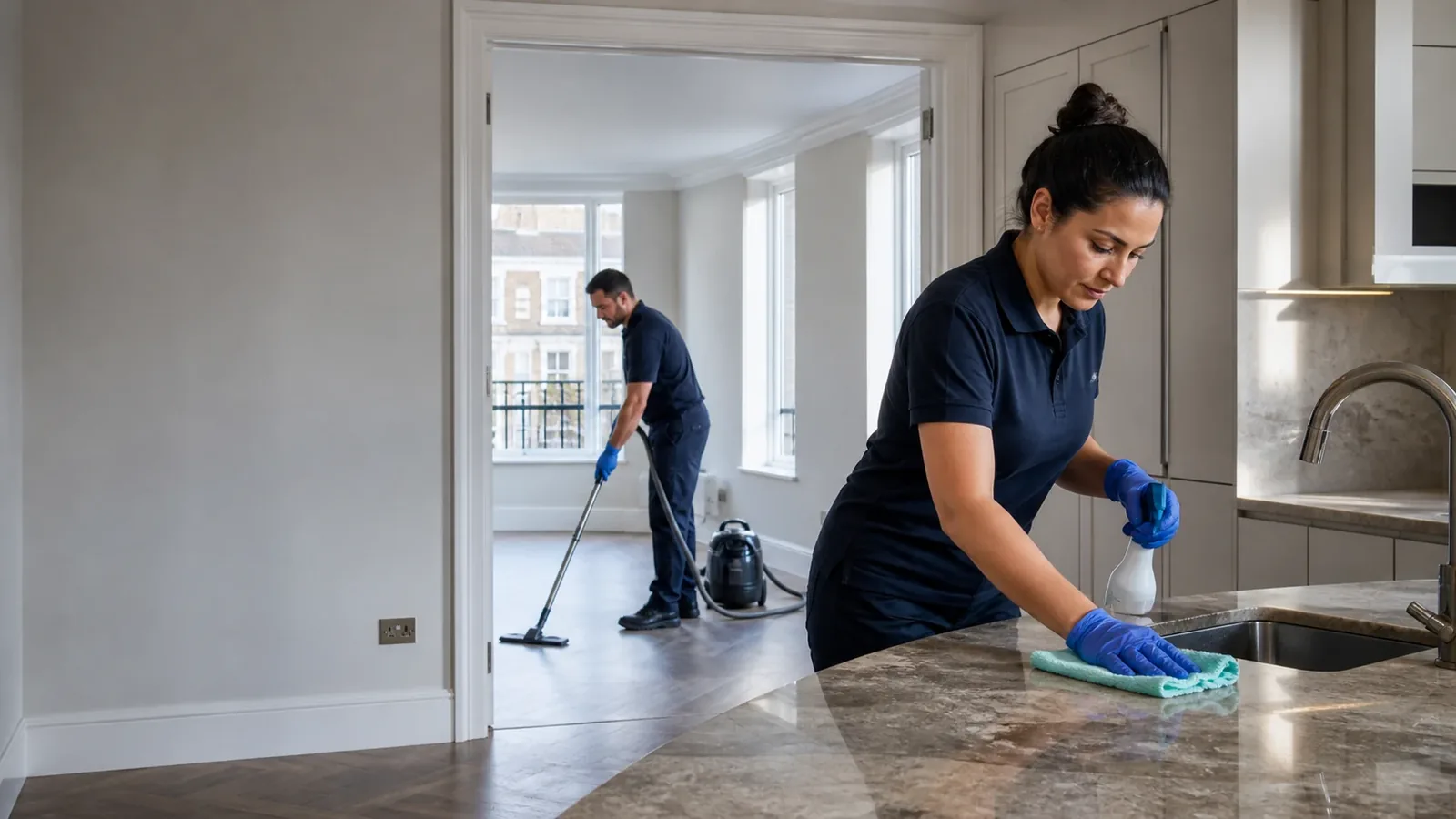
End of tenancy cleaning normally covers an empty property from high dusting to floors, with detailed attention to kitchens, bathrooms, cupboards and fittings. What is “included” still depends on the written quotation. Carpet extraction, exterior windows, upholstery, balconies, wall washing, rubbish removal, pest treatment and heavily neglected appliances are often separate. Use the inventory and check-out instructions as the specification; do not rely on a service name.
Start with the evidence that will be used at check-out
Read the signed inventory, schedule of condition and tenancy clauses. Look for professional-cleaning wording, but remember the property is generally judged against its documented starting condition, allowing for fair wear and tear. Photograph every room once belongings are removed, including inside cupboards and appliances.
Alesta’s end-of-tenancy cleaning service is the core destination for this inventory-led brief. Send the company the check-out requirements before accepting a quote.
The core property clean
A sensible core scope usually includes reachable dusting, skirting, doors, switches, sockets externally, cupboards inside and out, sanitary fittings, kitchen surfaces, vacuuming and appropriate floor cleaning. It should state whether internal windows, frames, radiators, light fittings and high areas are included.
“All rooms” does not explain stain removal, moving heavy furniture or access above a standard step ladder. Ask how delicate finishes, natural stone and painted surfaces are handled. Permanent wear is not dirt and cannot be cleaned away.
Kitchen tasks that need naming individually
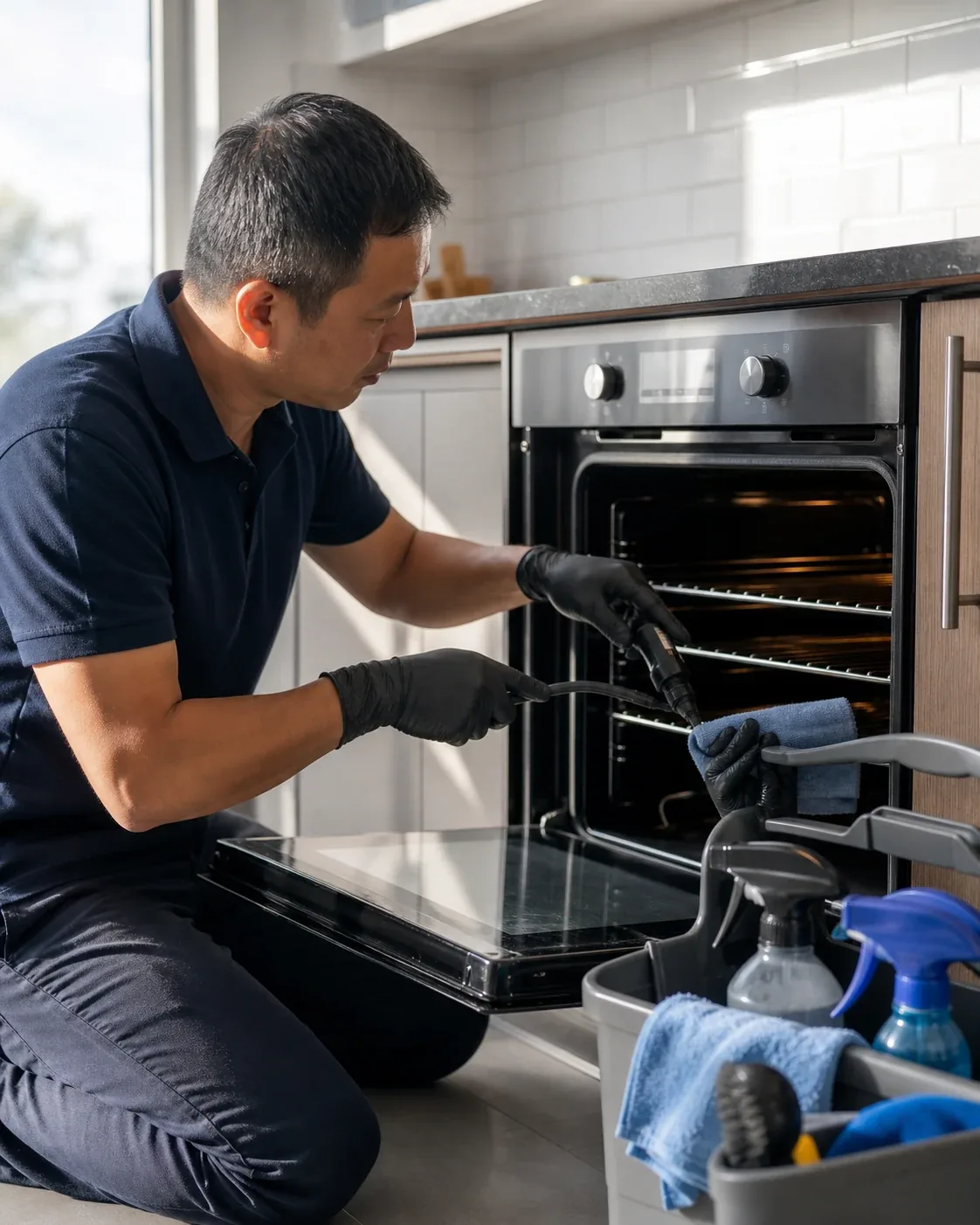
Cabinet interiors, worktops, sinks, taps, splashbacks and accessible appliance exteriors commonly form the core. The inside of the oven, extractor filters, fridge, freezer, dishwasher and washing-machine drawer may be included, optional or excluded. Defrosting a freezer needs advance planning and safe food removal.
Where heavy carbon needs specialist equipment, compare the quoted inclusion with a separate professional oven clean. Do not assume one cleaner can complete a badly neglected oven while also finishing the whole property in a short visit.
Bathrooms: cleaning versus repair
Limescale, soap residue, tiles, grout surfaces, sanitaryware and accessible ventilation covers are cleaning tasks. Failed sealant, leaking taps, cracked grout, mould caused by a leak and damaged extractor fans are maintenance issues. Photograph them and notify the landlord rather than asking a cleaner to conceal them.
Old discoloured sealant may remain marked after hygienic cleaning. Ask the provider to flag damage so the check-out report distinguishes a clean worn finish from removable soil.
Carpets are the most common scope misunderstanding
Vacuuming is normally part of general cleaning. Hot-water extraction or low-moisture professional treatment is a separate method using different equipment and drying time. If the inventory or check-out requires it, add professional carpet cleaning explicitly and allow the flooring to dry before inspection.
Stain removal is not a guaranteed outcome. Give the cleaner information about spill type and previous products, and request realistic expectations.
Windows, balconies and outside areas
Internal glazing at reachable height may be included; external faces, upper-storey access, conservatory roofs and specialist access generally are not. Balcony glass and floors may need building permissions or safe access. Gardens, sheds, garages and communal corridors should be named separately.
What cleaning does not remove from the tenancy
- Personal belongings and rubbish
- Wall hooks, adhesive residue and tenant alterations
- Damage requiring repair
- Bulky waste or abandoned furniture
- Pest infestation and contaminated waste
- Mould where the moisture source remains active
Arrange licensed waste removal before the clean. Cleaners need empty floors and cupboards, and ordinary rubbish is not automatically part of a cleaning quote.
Furnished properties need a movement agreement
Confirm which furniture is supplied and must remain. Ask whether the team moves light items, cleans beneath accessible pieces and vacuums upholstery. Heavy wardrobes, beds and appliances may stay in place for safety. Record any pre-existing damage before movement.
How to compare two quotations fairly
Send both companies the same room count, photos, inventory, appliance list and floor requirements. Ask for inclusions, exclusions, team size, cleaner-hours, products, equipment, parking, VAT and return policy in writing. A “guarantee” should explain what happens after a check-out complaint, the response window and which issues are excluded.
Timing the clean around the move
Book after belongings and rubbish leave but before keys are returned. Keep utilities connected so hot water, lights and equipment are available. Allow drying time and a final inspection. Do not schedule movers, cleaners, carpet extraction and inventory clerks in the same rooms simultaneously.
Your own handover check
Walk clockwise through each room with the inventory. Open cupboards and appliances, check edges in daylight and photograph the meter readings, keys and clean condition. Do not stage photographs to hide wear; a complete honest record is more useful if a deduction is disputed.
Use a written scope matched to the starting inventory, because that is what turns the booking into an auditable handover. General surfaces, kitchen, bathroom, cupboards and floors form the usual core; specialist extraction, access, disposal and remediation must be named and priced separately.
Deposits and cleaning clauses
In England, a landlord or agent cannot require a tenant to pay for a particular cleaning company simply as a default fee, but the tenant remains responsible for returning the property to the agreed standard subject to fair wear and tear. Read current official tenant-fee and deposit guidance for the specific tenancy and keep invoices only as supporting evidence; an invoice does not prove every room meets the inventory.
If a deduction is proposed, ask for the check-in record, check-out evidence and cost basis. Your dated photographs and the provider’s written scope are more useful than a vague claim that the home was “professionally cleaned”.
Pets, smoke and odour need disclosure
Hair can be vacuumed, but urine in underlay, smoke residue on walls and odour inside soft furnishings may need specialist treatment. Fragrance is not remediation. Tell the company before quoting and ask whether the source material is included. Ozone and other professional deodorising methods have safety restrictions and are not ordinary occupied-home cleaning add-ons.
Inventory-day failures that cleaning cannot fix
Missing keys, dead bulbs, damaged blinds, unfilled holes and abandoned food can appear beside cleaning observations. Make a separate maintenance and contents list. Do not ask cleaners to perform electrical work, repair walls or dispose of unknown chemicals. If responsibility is unclear, notify the agent with photographs before arranging work.
A return-clean policy needs boundaries
Ask how quickly a check-out issue must be reported, whether access and parking for a return are included, and whether the policy covers omitted tasks only or also subjective dissatisfaction. If an inventory clerk attends days later after contractors or viewers enter, new dirt may not belong to the original cleaner. Record handover time and restrict access where possible.
