
Saniflo Keeps Running: Causes You Can Check Without Taking It Apart
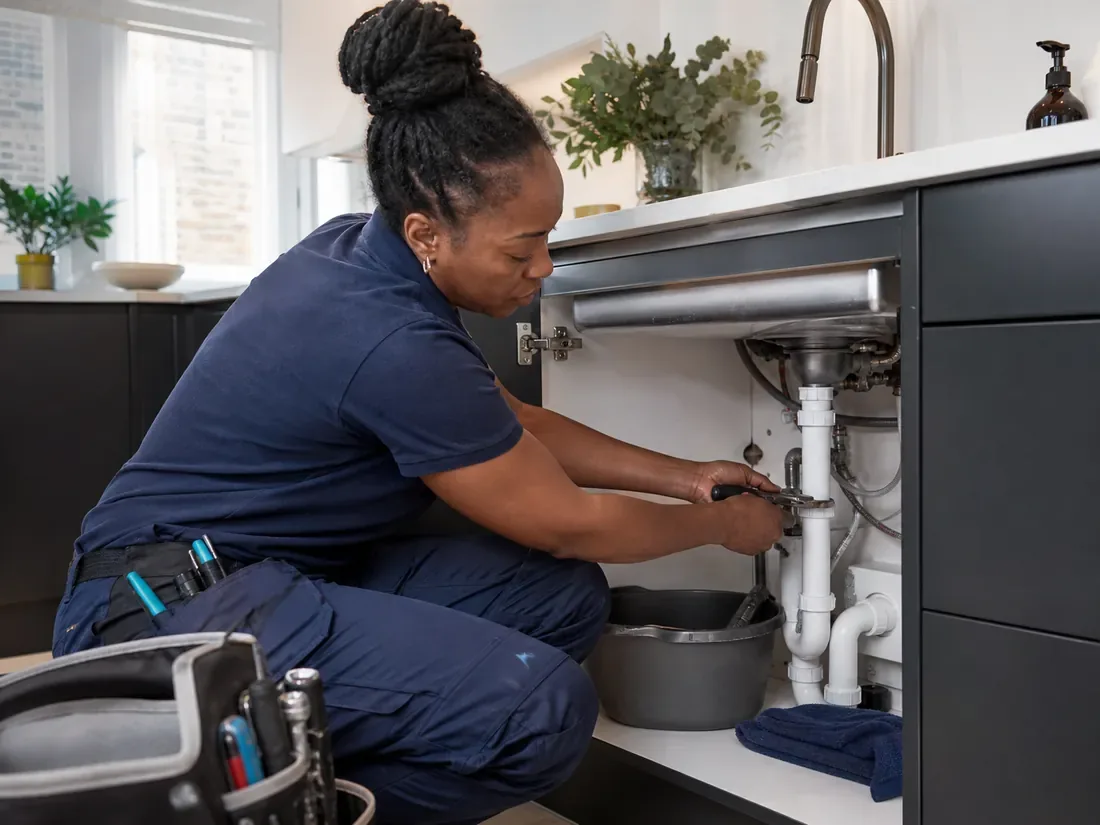
Turn a continuously running Saniflo off at its fused spur or isolator if the switch is safely accessible. A macerator normally runs briefly after a toilet flush or water enters from a connected basin, shower or appliance. It should not hum indefinitely, cycle every few minutes with no use, become hot or smell electrical. Without opening the casing, you can check whether water is still entering and whether the external discharge route is obviously restricted. Internal work involves sharp cutters, electricity and contaminated waste, so it is not a household dismantling job.
Three running patterns, three different clues
Listen from a safe distance and note the pattern before isolating the unit. A motor that never stops after a flush suggests the pressure system has not registered that the chamber emptied, or the discharge cannot clear. Short bursts every few minutes often mean water is slowly entering from a cistern or dripping tap. A quiet hum without effective pumping can indicate a jam or motor problem. These descriptions are much more useful to a repairer than “it is noisy”.
Do not keep flushing to test it. Each flush adds volume to a chamber that may already be unable to discharge. If the toilet level is rising, stop using every fixture connected to the unit and tell other occupants immediately.
Prove whether another fixture is feeding it
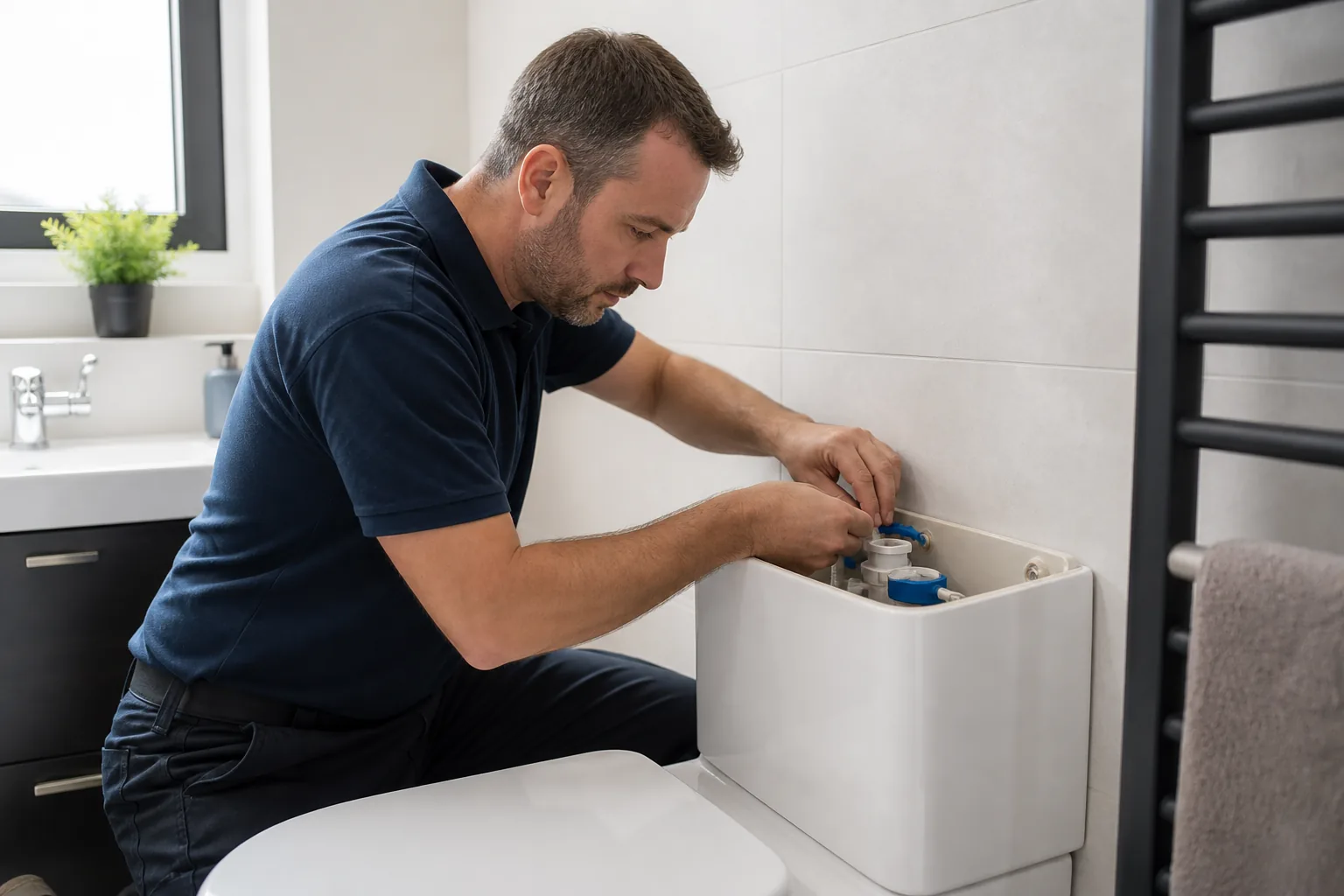
Watch the toilet pan. A thin, almost invisible stream down the back of the bowl can keep a macerator cycling. Add no dye or cleaning chemical to the Saniflo itself. Instead, listen to the cistern and, if you know its service valve and it turns freely, isolate the cistern temporarily. If the cycling stops after incoming water ceases, the toilet fill or flush valve is a strong lead.
Check connected basin and shower taps for drips. A poorly closing tap may not look serious at the outlet, yet steady water eventually raises the chamber level. A shower tray that drains into the unit can also hold water and release it slowly. Repairing the upstream leak may be the real job; Alesta’s toilet cistern repair service is more specific than replacing a sound macerator.
If it runs after every flush but eventually stops
An unusually long run can mean restricted discharge, a partially blocked chamber, worn pumping performance or an installation issue. Note whether it has gradually lengthened over weeks or changed overnight. A gradual change fits build-up or wear better than a sudden event after a foreign object was flushed.
Only toilet tissue and human waste belong in a toilet macerator unless the manufacturer states otherwise. Wipes labelled “flushable”, cotton buds, dental floss, sanitary products and excess paper can foul cutters and valves. Do not pour drain acid, caustic soda or ordinary descaler into the unit. Saniflo publishes model-specific cleaning guidance, and incompatible chemicals can damage seals as well as expose the engineer later.
Check the visible discharge route
Follow only the pipe you can see without moving the unit. Look for an obvious kink in flexible sections, recent objects pressing on pipework, leakage at joints, or an external section exposed to freezing. A frozen outlet in cold weather can prevent discharge and force waste back towards the unit. Do not use a naked flame, boiling water or an unregulated heat gun on plastic pipe.
Pipe size, vertical lift, horizontal run, bends and non-return arrangements must match the appliance instructions. That is an installation assessment, not a reason to start cutting pipe. If the issue began after building work or relocation, tell the engineer exactly what changed. For a combined pipework and appliance diagnosis, start with the dedicated Saniflo installation and repair service.
What the pressure switch has to do with it
The unit starts when rising water creates pressure that operates a switch or membrane. Grease, scale, debris, a stiff membrane or a faulty switch can prevent the “empty” state being recognised. That explains why a chamber may have pumped out yet the motor continues. Accessing these parts means opening a device that contains both mains-powered components and waste.
Videos that show tapping, bypassing or bending a switch omit the hygiene and electrical context. Bypassing protection can make the motor run dry and removes the control intended to stop it. Record the full model number from an external label if visible; different generations do not use identical components or procedures.
Heat, smell and circuit symptoms change the urgency
Leave the power off if the casing is hot, the sound slows, insulation smells, a fuse blows or an RCD trips. Do not repeatedly reset the circuit. Keep people away from any leakage, and never touch a switch while standing on a wet floor. If isolation cannot be reached safely, isolate the relevant circuit only if you can identify it with confidence, then seek urgent help.
A general plumbing inspection may be suitable when the macerator is responding normally but supply valves, cisterns or fixed waste pipework leak. The distinction matters because not every plumber services macerator internals and not every appliance engineer repairs fixed drainage.
Prepare a useful repair brief
- Model name and approximate installation age.
- Continuous run, periodic cycling or hum with no discharge.
- What fixture was used immediately before the fault.
- Whether the pan or connected shower is rising.
- Any recent blockage, freezing weather or building work.
- Whether heat, burning smell, leakage or circuit tripping occurred.
Ask whether the visit covers safe isolation, diagnosis, removal of waste, parts and post-repair testing. A technician should verify that connected fixtures activate the unit, discharge is clear and the motor stops correctly. Until then, keep it isolated and place a clear note on every connected fixture. A macerator that cannot stop is not improved by being allowed to “finish eventually”.
After repair, test every inlet separately
A useful commissioning test is not a single flush followed by departure. With the engineer present, operate the toilet, then each connected basin or shower separately and watch a complete start–pump–stop cycle. Check exposed joints for leakage and listen for water returning after the motor stops. Ask which sound is normal for the model and how long ordinary overrun should be.
Keep the manual, invoice and part details with the property file. If the unit serves a guest room, explain clearly what may be flushed. A discreet notice can prevent wipes or sanitary products entering without turning the bathroom into a workshop. If the fault returns, report which fixture triggered it and the time before cycling restarted; that is far more diagnostic than another reset.
Keep the unit accessible after repair. Boxing that requires destructive removal turns each inspection into building work and can restrict ventilation. If an enclosure is planned, follow the model’s clearance requirements rather than copying another bathroom.
