
Several rooms retained
Reconcile the room lists so the same dining or bedroom piece is not counted twice.
Enfield / Storage for a Larger Retained Inventory
Give the furniture as much detail as the boxes.
An Enfield enquiry spanning several rooms needs an itemised picture of the retained contents. Large pieces should have dimensions and preparation notes rather than disappearing inside a single household-total description.
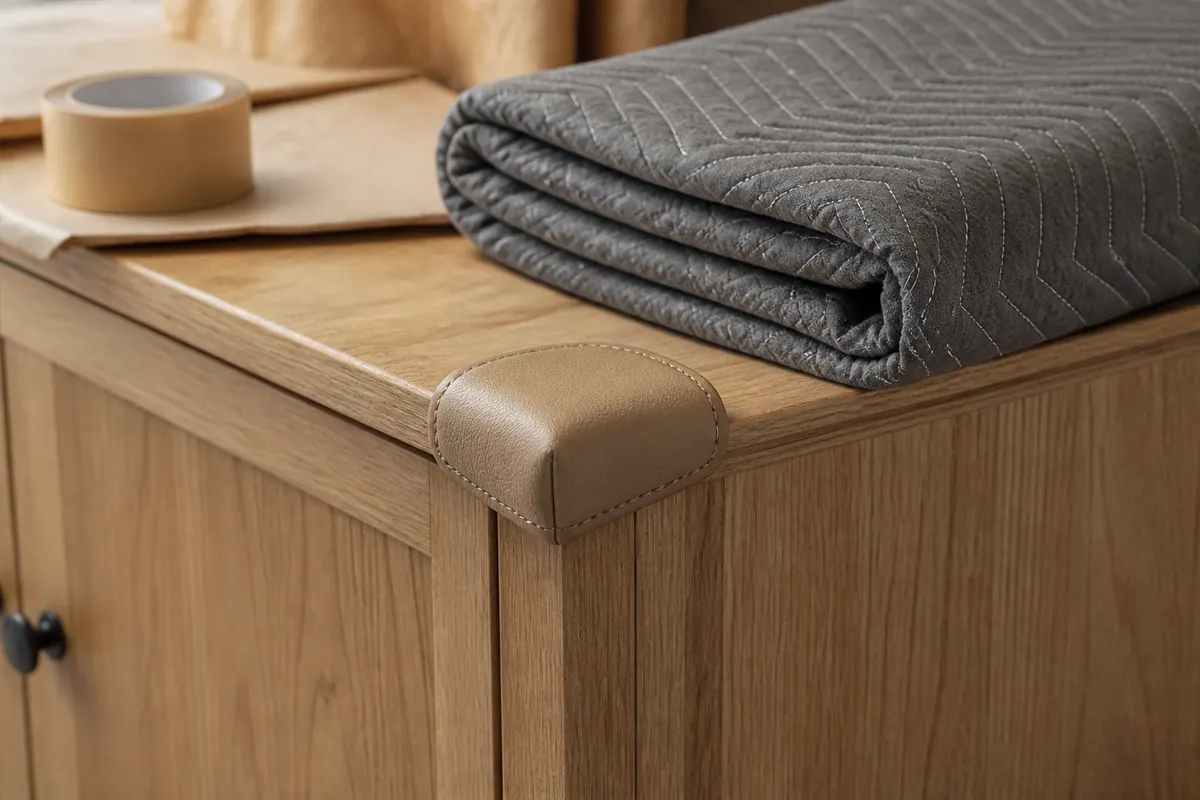
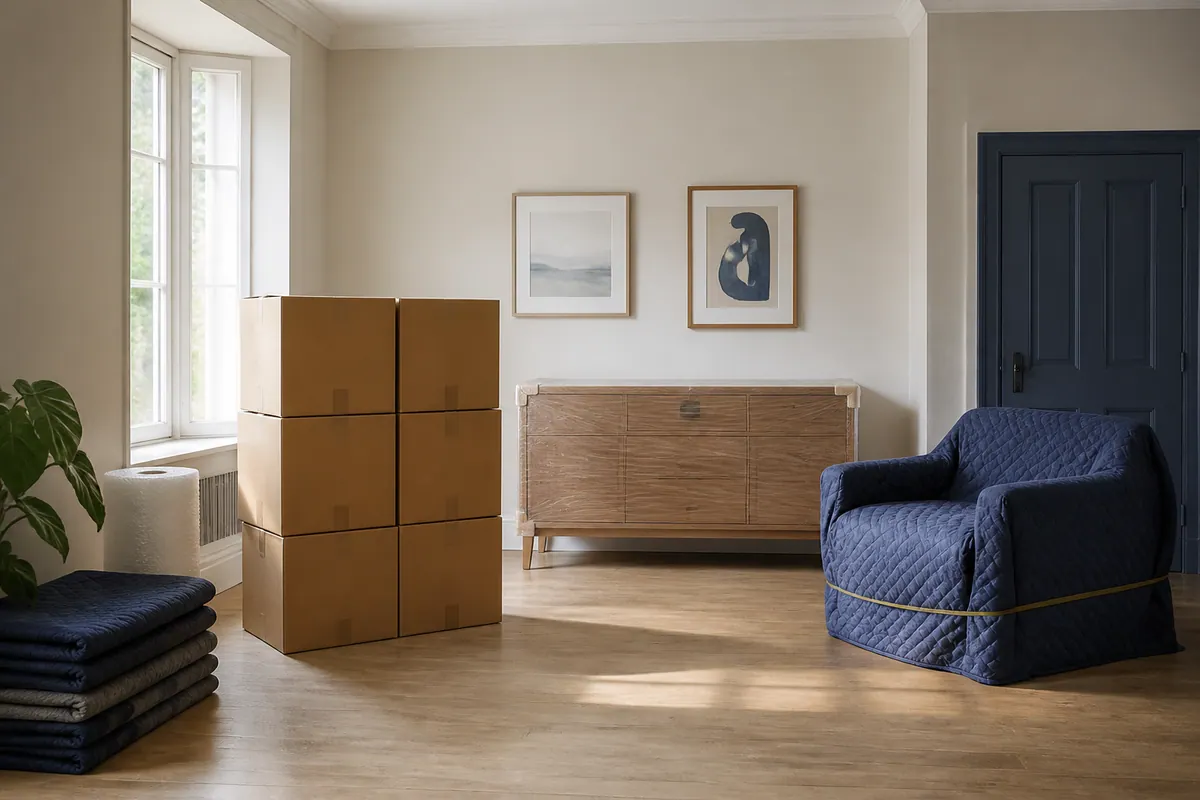
Enfield, before collection day
An Enfield inventory covering several rooms should not reduce substantial furniture to a single household total. Reconcile the room lists and record dimensions, preparation and starting floors. This creates a clearer basis for discussing the collection than an impression of how full the property looks.
For this enquiry: A dining suite and spare-bedroom pieces may need different handling. Identify whether return is intended as one delivery or separate room groups, with the proposed movements and notice discussed before agreement.
Record the large items individually instead of relying on a total room count. Identify which room needs to be usable first after the belongings return.
Plan the route out of your property ↓What changes at home?
Reconcile the room lists so the same dining or bedroom piece is not counted twice.
Identify construction and removable components before assuming the furniture travels as found.
Decide which receiving space should function first and name the belongings needed there.
Send additions before collection so the accepted scope can be reviewed.
Choose your starting point
Choose the contents groups represented in the load and add exceptions that need their own assessment.
Inventory focus
Count cartons by a consistent system and declare sensitive contents. Keep essentials and valuables outside the ordinary stored inventory.
Add this to your inventory ↓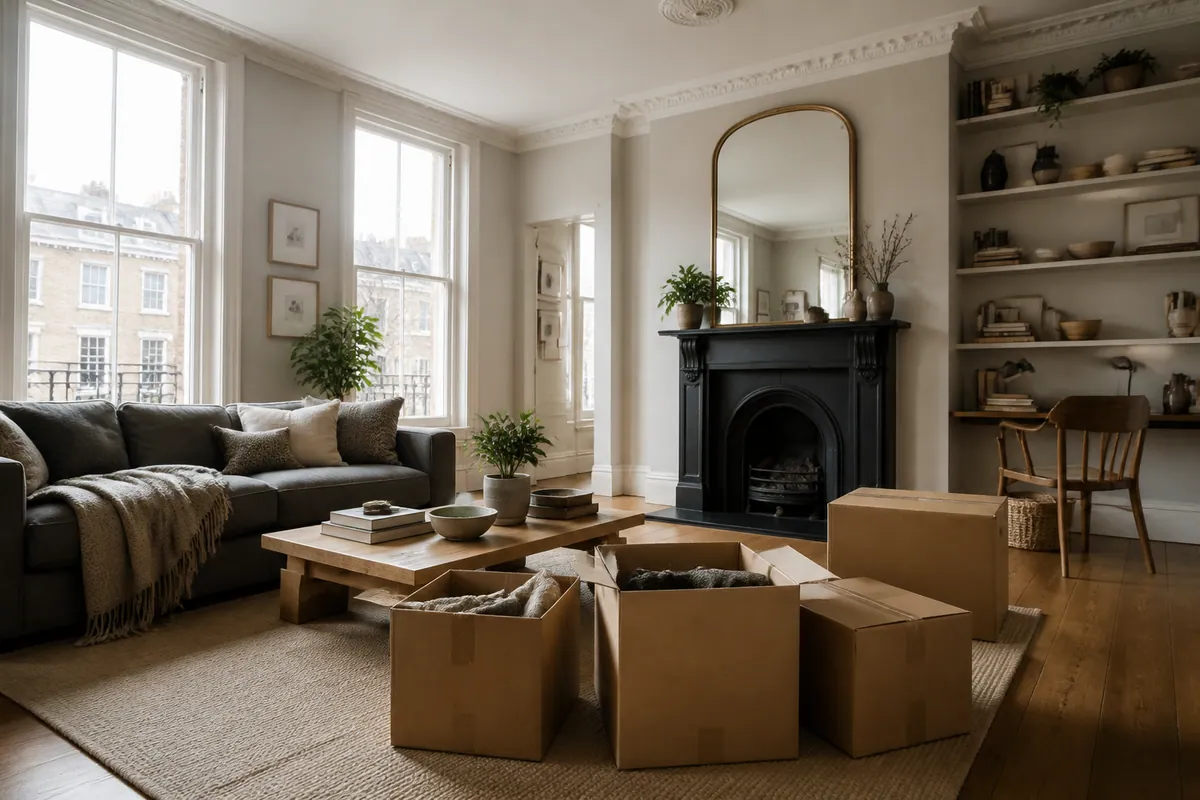
Dimensions before estimates
Volume cannot be established reliably from an impression of how full the home looks. The accepted furniture, cartons, protection and retrieval needs matter.
Measure the principal pieces in the selection.
Count contents separately from the furniture storing them.
Remove items going directly elsewhere from the list.
Ask for fuller review where simple quantities leave important gaps.
Specialist or sensitive items require individual disclosure; a larger household request does not broaden acceptance automatically.
A useful first conversation
Enter the quantities, then use notes for large-item dimensions and preparation. A room total does not replace those details.
Plan the return before the departure
Decide whether the intended return is one delivery or a sequence. Raise room priorities before the storage proposal is accepted.
Need earlier
Need later
Confirm notice and charges for any selected return. Keep irreplaceable records and valuables separately rather than relying on urgent retrieval.
Give the first-room cartons references that stay consistent throughout the term.
Link removable parts and fittings to the correct large piece.
Separate later-use contents from the group needed to restart daily routines.
The timetable can change
| Planning point | A shorter gap | A longer arrangement |
|---|---|---|
| Typical purpose | A defined household transition | A larger retained inventory held longer |
| Preparation | Prepare all agreed furniture and cartons | Review sensitivity over the proposed term |
| Retrieval | One coordinated household return | Potential room-based delivery stages |
| Duration | State the expected interval | Ask about changes and extension notice |
| Quotation | Use measured contents rather than room estimates | Include ongoing storage and each movement |
A substantial load still needs specific terms. Confirm suitability, conditions, restrictions, insurance arrangements and retrieval procedures.
Collection is part of the storage plan
Give starting floors for substantial furniture rather than one general floor description.
Include stairs, landings, gates and the distance to the proposed vehicle position.
Measure bulky pieces and identify any that must remain assembled.
Confirm who can check the complete list and provide entry.
A large inventory needs consistent information; missing dimensions should not be replaced with a guess about spare vehicle space.
Flats and apartments: Identify floors for every substantial piece.Mansion blocks: Check shared access for the full movement.Houses: Include gates and long outside carries.Rental or managed properties: Choose a contact who can verify the entire list.
One connected arrangement
Combine the room lists without duplicate entries.
Record routes and dimensions for substantial pieces.
Agree preparation for the accepted furniture.
Confirm the whole load before collection.
Review conditions against the actual contents.
Request the agreed single or staged return.
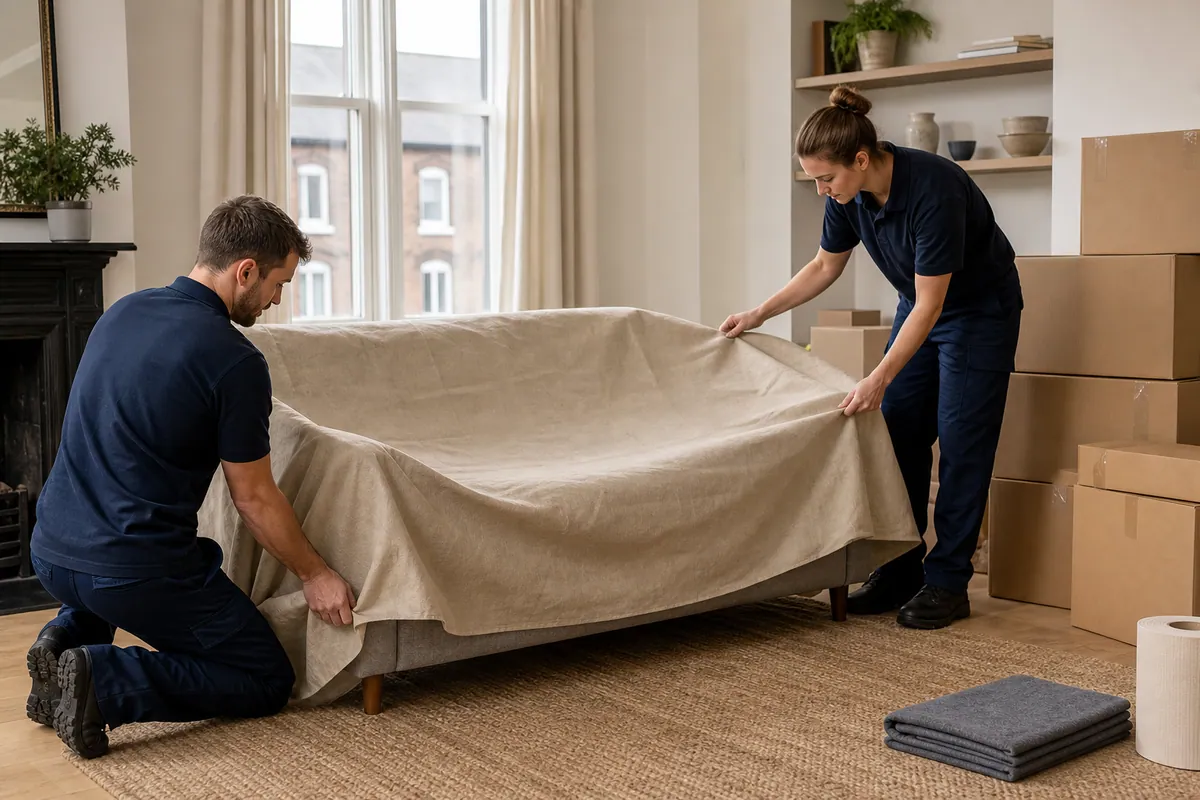


Scope first. Quote second.
The Enfield quotation should use the complete current inventory, including furniture preparation. An overall room count can hide work that needs to be discussed separately.
| Service scope | Price approach | Main factors |
|---|---|---|
| Volume & access assessment | Whole-inventory assessment | Individual large-piece measurements |
| Collection & placement | Complete-load collection proposal | Crew, vehicle, route and preparation |
| Ongoing storage | Accepted-contents term | Space needs and suitable conditions |
| Final retrieval / delivery | Single or staged return scope | Room groups and destination access |
Dimensions, dismantling, protection, floors and transport resources influence the scope. Ask how return stages and the storage period are reflected in the proposal.
Keep the move connected
Coordinate the wider household move around the storage period.
Discuss any separately defined smaller transport group.
Agree consistent preparation across the furniture and cartons.
Arrange the retained furniture’s return with the receiving route checked.
Alesta customer feedback / Furniture removal & packing
“I used Alesta Services for furniture removal and packing when I moved houses. The team was incredibly careful with my belongings and made the whole process seamless.”
James W. · Existing Alesta review, not a storage testimonial for Enfield.
Direct answers before you book
No. List substantial furniture individually, count cartons consistently and add dimensions, condition and preparation notes.
Reconcile room lists into one current inventory. Give each major piece a stable description before sending the request.
Yes. State that requirement and provide measurements and route details so handling can be assessed.
Keep them outside the storage inventory and identify their separate movement. The quotation should distinguish the two scopes.
Explain the room groups before booking. Separate handling and deliveries need confirmation, notice and potentially additional charges.
They may. Send the revised count before collection so space, transport and preparation can be reviewed.
State where each substantial piece begins and describe the route out. One general property description may miss upstairs handling.
No automatic inclusion applies. Ask which packing, protection and dismantling tasks are part of the agreed work.
Do not assume so. Disclose unusual or sensitive contents and confirm suitability under the proposed restrictions.
Check duration, conditions, insurance arrangements, retrieval notice and movement charges for the actual accepted inventory.
Send one complete item list with measurements, access, likely duration and whether the intended return is single or staged.
Enfield / Service area
Send the Enfield postcode with the complete route and inventory details. The household offering is described at Storage Services.
Review conditions for the accepted contents and confirm how the intended single or staged return would work.
A little space. A clear next step.
Bring the room lists together and give every substantial piece the measurements and handling notes it needs.
