
A few items
A sofa needs shape and dimensions, not a label.
Crouch End / Storage During Living-Room Works
Clear the living room in the order the work needs it.
Plan Crouch End storage for living-room furniture and cartons, keeping devices, fittings and the return sequence connected to the right items.

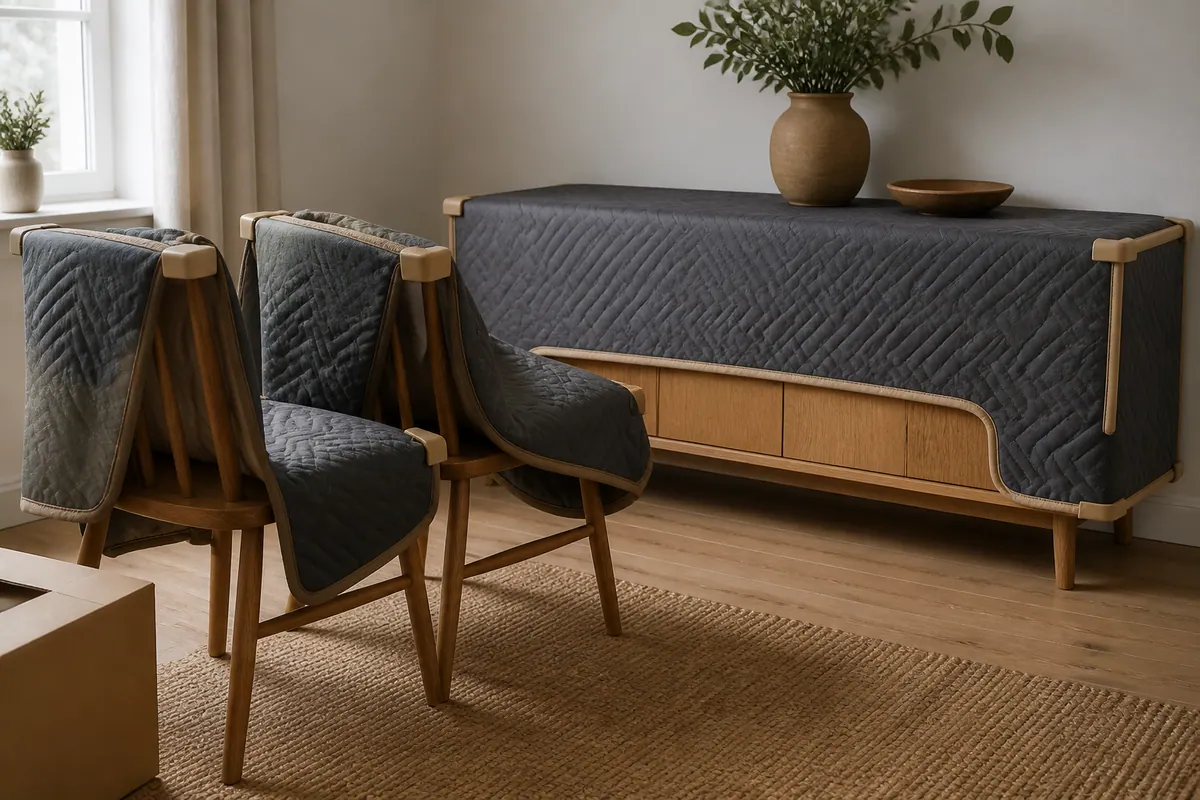
Crouch End, before collection day
For a Crouch End living-room project, the useful inventory begins with the pieces that block the planned work. A sofa, media cabinet and household cartons need separate descriptions rather than one instruction to clear the lounge.
Check for loose shelves and detachable feet before describing the cabinet as ready to move. Devices and cables should remain identifiable without assuming every electronic item is accepted under the same conditions.
Let actual room readiness guide the requested return. A date selected before the work programme is confirmed may be useful as an estimate but is not a delivery commitment.
Plan the route out of your property ↓Dimensions before estimates
A sofa’s shape and cabinet protection affect the required arrangement. The size of the room being renovated is not a storage calculation.
A sofa needs shape and dimensions, not a label.
Count only the living-room goods selected to leave.
Include other rooms solely where their objects join the load.
Reconcile furniture, device and carton requirements separately.
Electronic or sensitive goods need explicit suitability review; being part of a living room does not establish acceptance.
Collection is part of the storage plan
Measure the sofa in its intended transport condition and describe the exit turns.
Identify loose cabinet shelves and feet before agreeing preparation.
Explain how the work affects the route and where goods can be prepared.
Confirm the person who can release the listed belongings on the agreed day.
Check the media cabinet for loose shelves and detachable feet.
Flats and apartments: keep retained daily-use devices outside the work-zone load. Mansion blocks: check the shared route during the project. Houses: show the sofa’s path from the living area. Rental or managed properties: agree who releases the selected furniture.
Plan the return before the departure
Seating may make the room useful before decorative objects are required. Identify the desired order and ask whether the arrangement can support separate releases.
Need earlier
Need later
Retain essential records and valuables separately. A seating-first request still requires agreed notice and pricing; room readiness alone does not grant access.
Reference living-room cartons by the items needed rather than a broad room label.
Keep cabinet components and device accessories linked to their original inventory entries.
Later objects still need agreed notice and transport rather than an open-ended return promise.
Choose your starting point
Choose furniture and household contents as appropriate, with separate explanation for sensitive equipment.
Inventory focus
Group Crouch End living-room cartons around their actual contents. Keep device accessories linked to the correct item and separate belongings retained for daily use during the work.
Add this to your inventory ↓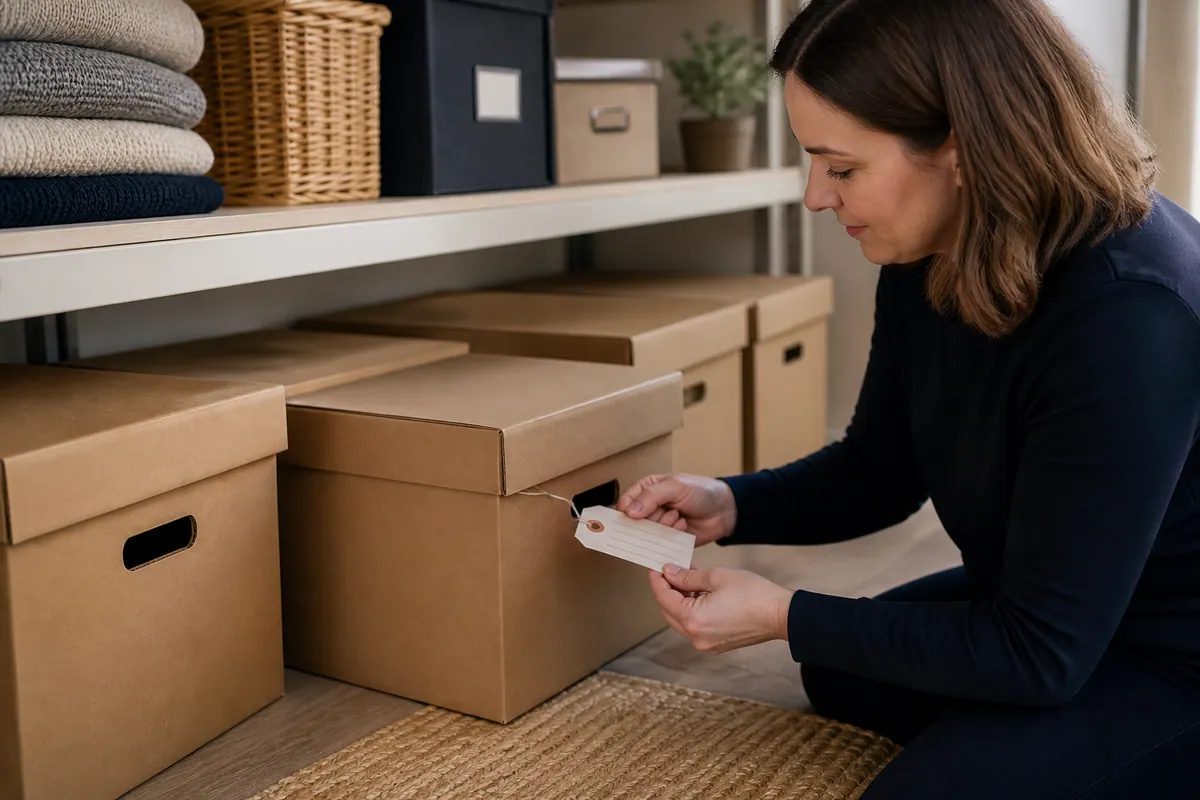
A useful first conversation
Count the selected living-room objects and add cabinet preparation notes. The list should exclude devices retained for daily use.
What changes at home?
A single-room project can leave other household areas in use while selected furniture is assessed.
If devices are needed during the work, retain them outside the storage group.
Changing the project may change the furniture list; update it before collection.
A seating-first return can be discussed if the rest of the room will be completed later.
One connected arrangement
Select the Crouch End living-room pieces obstructing work.
Check sofa access and loose cabinet sections.
Keep device accessories linked during preparation.
Confirm collection before the work route changes.
Review the interval and conditions for accepted goods.
Request seating or the complete room return as agreed.

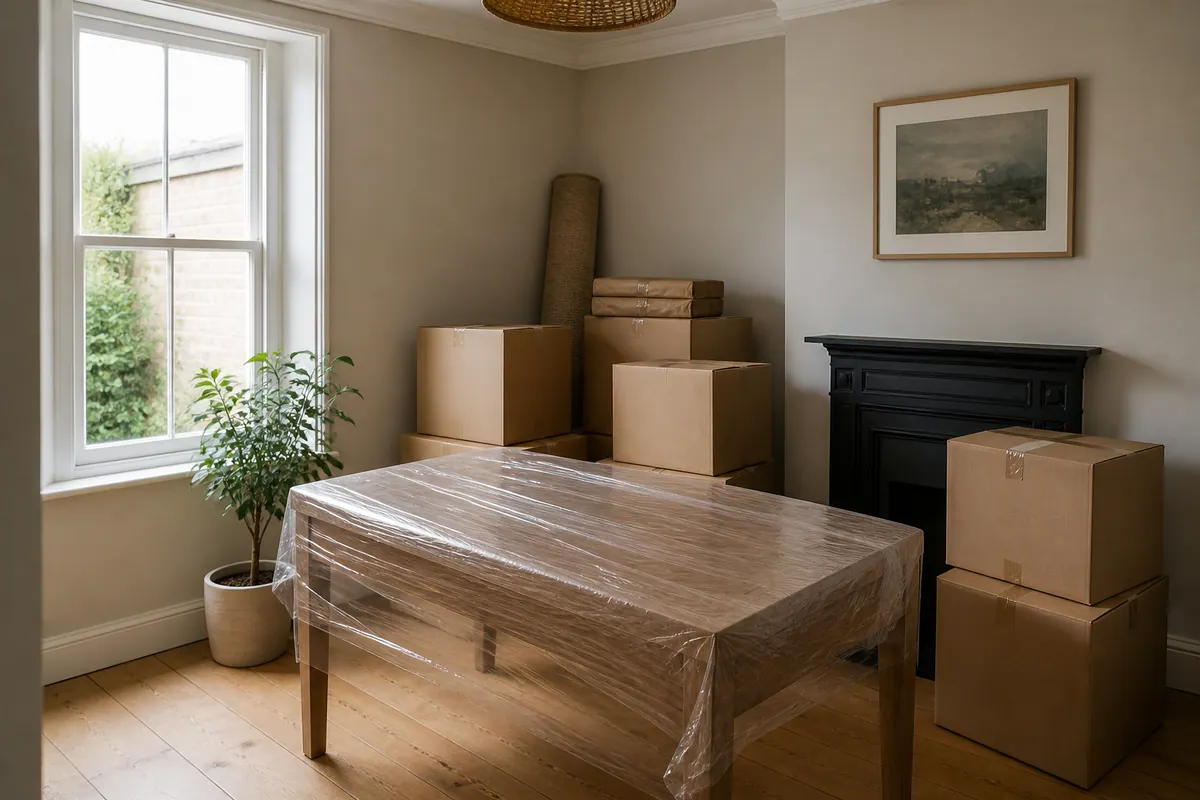
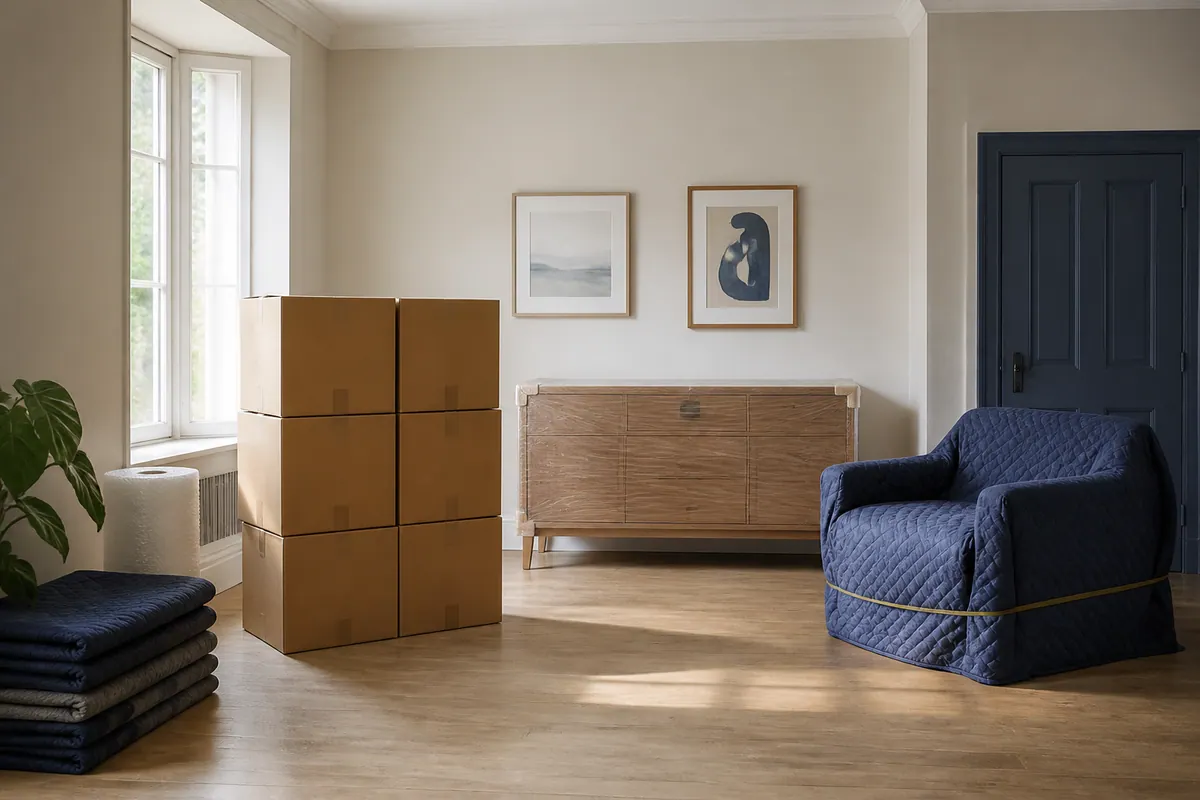
The timetable can change
| Planning point | A shorter gap | A longer arrangement |
|---|---|---|
| Typical purpose | A defined living-room works interval | Furniture waiting through a changed project programme |
| Preparation | Prepare loose parts and surfaces before collection | Review protection for the proposed extended period |
| Retrieval | Return seating once the room can receive it | Discuss decorative objects in a later agreed stage |
| Duration | Treat the work estimate as provisional until confirmed | Check notice if the programme changes |
| Quotation | Quote the selected clearance and return | Clarify delayed completion or staged-release costs |
The works schedule is not the storage agreement. Confirm notice, duration changes and coverage conditions separately.
Scope first. Quote second.
Clarify collection preparation, the estimated term and return transport. A seating-first request or project delay may change the scope and should be discussed.
| Service scope | Price approach | Main factors |
|---|---|---|
| Volume & access assessment | Assess the selected living-room inventory | Sofa shape, cabinet parts and declared device needs |
| Collection & placement | Quote the current collection route | Preparation, work-area access and loading |
| Ongoing storage | Price the anticipated project interval | Accepted goods and suitable conditions |
| Final retrieval / delivery | Return scoped to the requested sequence | Room readiness and any seating-first release |
Review preparation and the number of transport stages. Project delays, extra releases and insurance choices should be addressed before agreeing the total.
Keep the move connected
Connect the living-room clearance to a move only where that is requested.
Discuss transport for the precise sofa, cabinet and carton load.
Prepare furniture parts and device accessories with clear references.
Arrange return when the room can accept the agreed furniture sequence.
Alesta customer feedback / Furniture removal & packing
“I used Alesta Services for furniture removal and packing when I moved houses. The team was incredibly careful with my belongings and made the whole process seamless.”
James W. · Existing Alesta review, not a storage testimonial for Crouch End.
Direct answers before you book
List the furniture and suitable household goods obstructing the project, with expected timing.
Identify loose shelves, feet and relevant condition before handling is agreed.
Keep everyday equipment outside the accepted storage list if it remains in use.
Link accessories to the relevant device or inventory reference.
Request the sequence and confirm partial-release and transport conditions.
No, readiness and the delivery arrangement need separate confirmation.
Have the revised furniture list assessed before adding goods.
Declare their requirements and obtain acceptance rather than assuming.
Agree materials, protection and labour for the named items.
Follow the agreed extension process and notice requirements.
Confirm the location and retrieval process before booking. Unrestricted entry is not assumed, and selected release may require notice and additional charges.
Crouch End / Service area
Include the Crouch End postcode and any work-related access change when discussing Storage Services.
Confirm the holding arrangement and the room readiness needed for return. A seating-first request should identify its receiving address and access.
A little space. A clear next step.
Plan Crouch End storage for living-room furniture and cartons, keeping devices, fittings and the return sequence connected to the right items.
