
Paint & sealants
Follow the product-specific drying instructions before arranging contact cleaning.
Bayswater · Clean completed rooms without blurring the boundary
Clean completed rooms without blurring the boundary.
Treat later building work as a separate scheduling question.
Room-by-room improvements can leave a finished bedroom beside a corridor still holding materials. For your Bayswater enquiry, describe the completed side of the flat. Identify which rooms are released for cleaning and which remain with the trades.
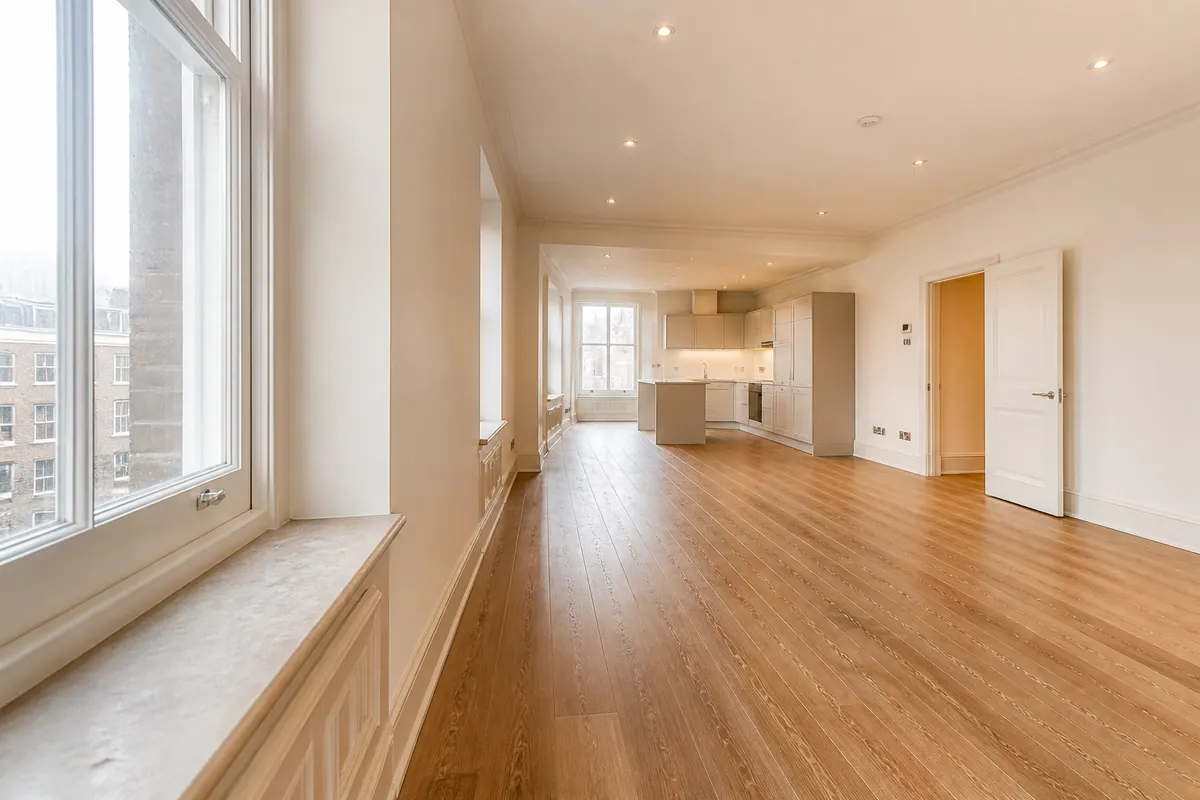
Illustrative renovation scene; no customer job or measured result is represented.
Protect the new finish
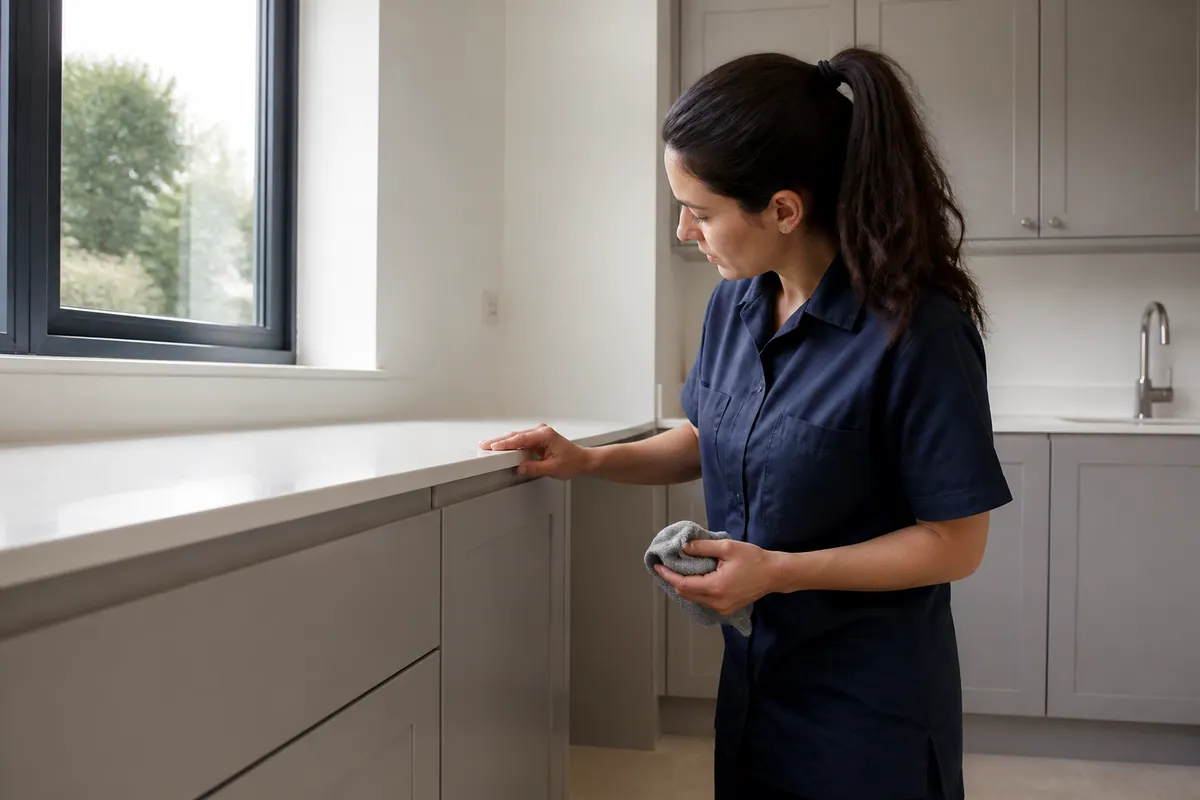
Illustrative surface review.
Protecting the finish can mean leaving a difficult mark for assessment.
Point out delicate details during the scope discussion. Preserving a new coating matters more than attempting an aggressive removal method.
Follow the product-specific drying instructions before arranging contact cleaning.
Timber, natural stone and tiles should not share an assumed treatment.
External cabinet finishes need identification before adhesive is treated.
Bayswater / the specific room brief
Room-by-room improvements can leave a finished bedroom beside a corridor still holding materials.
This Bayswater planning example centres on room-by-room flat improvements. Room-by-room improvements can leave a finished bedroom beside a corridor still holding materials. The useful inspection route follows the completed side of the flat, with attention to door-frame tops and room thresholds.
Identify which rooms are released for cleaning and which remain with the trades. Keep any care notes for painted door frames available when discussing the visible marks.
Keep stored boards and equipment outside the agreed carrying route. Treat later building work as a separate scheduling question.
Two separate jobs
Room detail belongs in the clean where agreed, including ordinary dust and suitable accessible surfaces.
Waste collection needs its own account of material type, volume and access; it is not included automatically.
Discuss building waste disposal ↗Before the next property stage
Confirm work completion before agreeing the cleaning date.
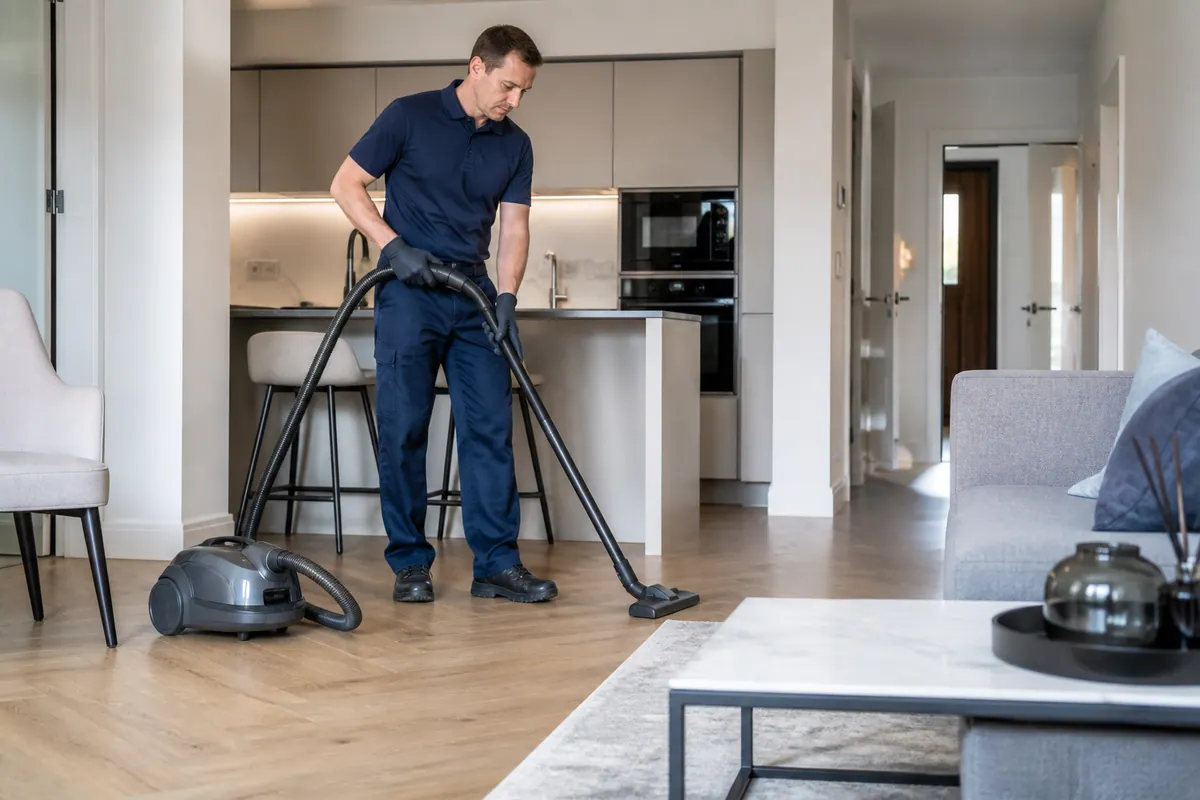
Address the identified deposits within the agreed work.
Explain where further advice may be necessary.
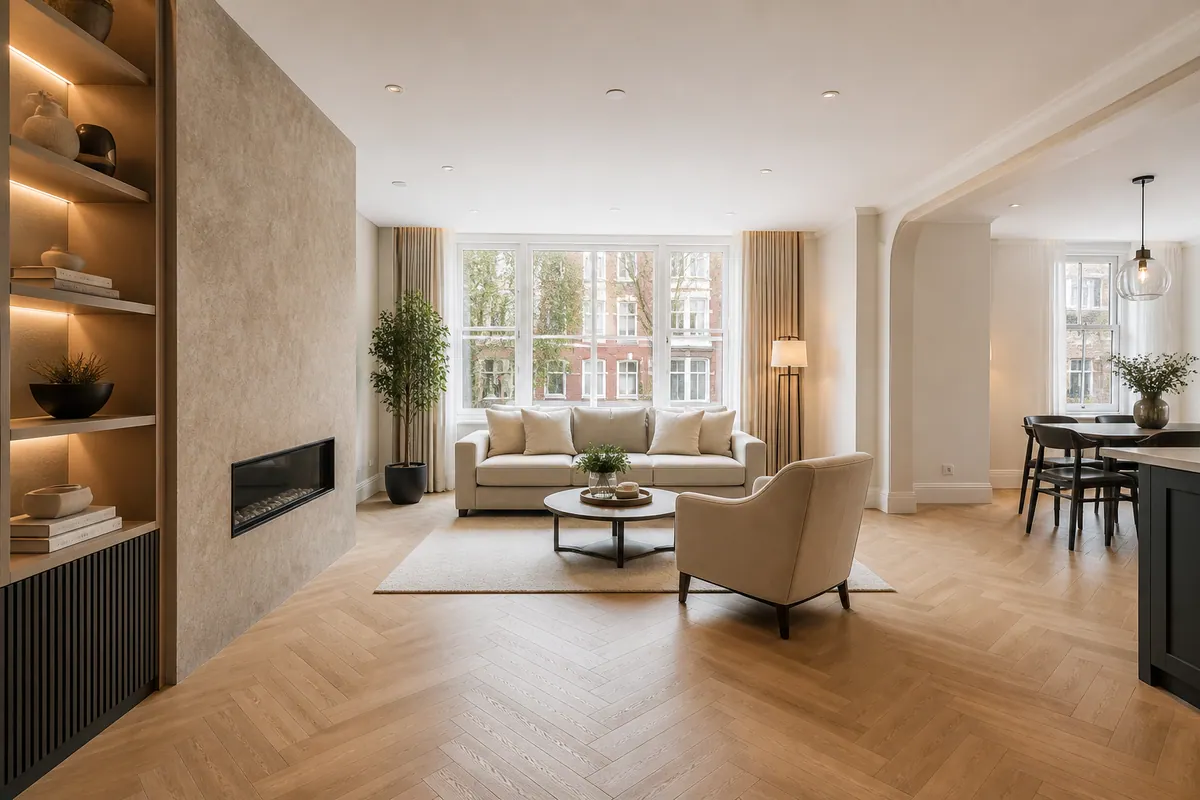
Coordinate the intended return to the rooms.
The sequence is illustrative, not a before-and-after record of the same home.
A scoped quote
From £29/ hour
The cleaning service includes its materials and equipment; confirm the applicable rate before the appointment proceeds.
A quotation follows the condition and time required, not the heading on this page. Flag extra work early.
| Project | Pricing basis | What to describe |
|---|---|---|
| Smaller refurbishment | From £29/hour; scope confirmed | Reachable edges, recent work and coating guidance |
| Kitchen or bathroom work | From £29/hour; scope confirmed | Installed surfaces and any fitting marks |
| Whole-property renovation | Quote based on the released areas | Condition across the complete room list |
| Commercial refurbishment enquiry | Quotation after requirements are confirmed | Premises condition and suitability questions |
Based on Alesta’s published after builders cleaning rate. Building waste removal is quoted separately.
Service-area planning
Use the map to locate the Bayswater service area, not an Alesta branch. Provide the actual address when asking about access and appointment availability.
For another nearby area, contact Alesta through the main after builders service to confirm coverage and availability.
Start with the work
Begin with the renovation type, then explain what actually remains. The selector is guidance for a discussion.
Divide a whole-property enquiry into reachable surfaces and separate issues such as waste, glazing or specialist residue.
Beyond the work zone
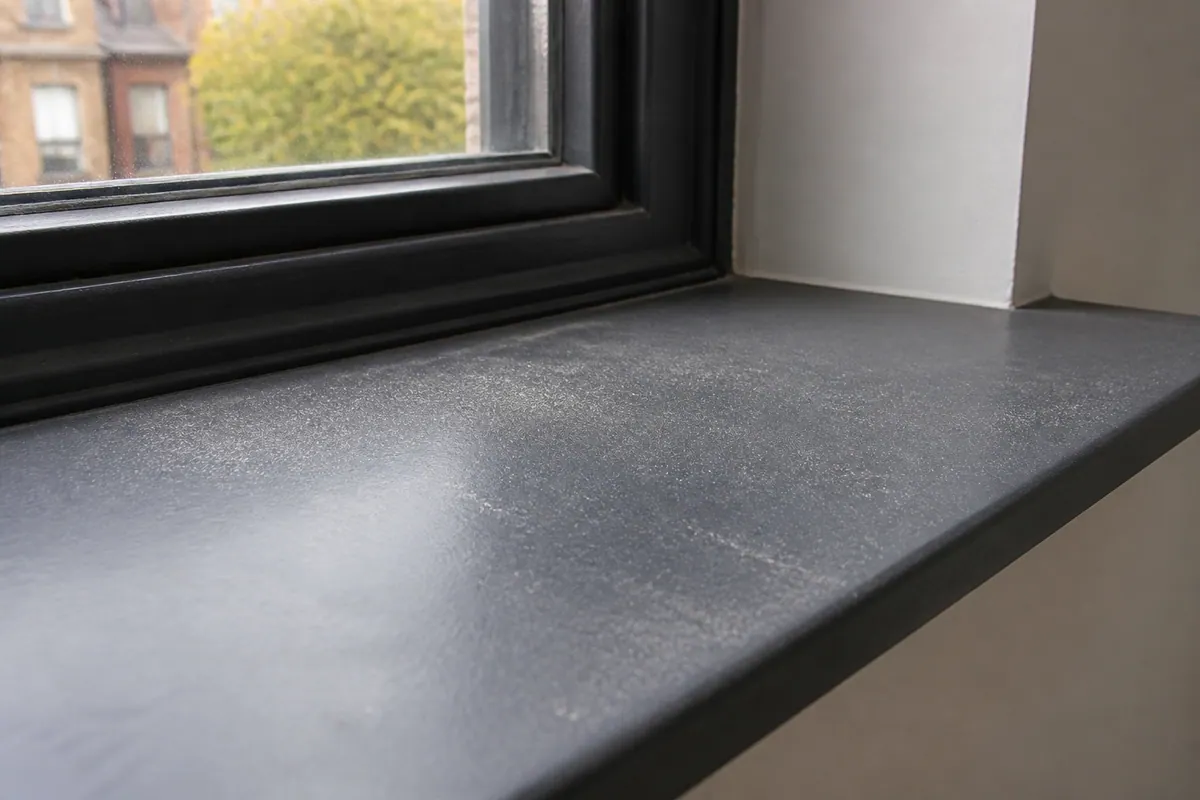
Include the quiet corners in the discussion.
Where rooms open into each other, explain which surfaces carry deposits rather than relying solely on the name of the renovated room.
Identify the affected surfaces for Alesta. Appropriate vacuuming, microfibre materials and products are selected around their condition and material.
If more dusty work is planned, discuss a different order before fixing the appointment.
The dust route
This diagram suggests inspection points; it does not document a particular property.
Include the exposed tops and lips you want considered in the surface list.
Explain which corners can be reached without moving stored belongings.
A bathroom fitting needs a different surface description from a painted radiator.
Check thresholds before deciding that a protected room is outside the affected area.
Different issues / different scope
| Post-build issue | Example | How it is approached |
|---|---|---|
| Fine dust | Loose surface dust beside fitted units | Method and reach follow the surface list. |
| Loose cleaning remnants | Ordinary loose residue associated with cleaning | Discuss the extent alongside the other surface work. |
| Adhesive or labels | Transfer left on a cabinet coating | Do not assume removal is suitable for the new finish. |
| Paint, plaster or cement spots | A mark needing material identification | Treatment depends on the underlying surface and residue. |
| Protective film | A covered face on a new component | This is not automatically part of a cleaning visit. |
Different project briefs
A flat’s room count does not show the detail around its fitted surfaces.
Include the kitchen surfaces that remain accessible before storage is filled.
Explain which new materials permit cleaning and which still need time.
Separate the released rooms from areas still occupied by tools or materials.
Tenant turnover does not automatically turn this into an end-of-tenancy checklist.
Commercial suitability must be checked; describe premises and coordination needs before assuming availability.
A useful distinction
Builder stage
Cleaning stage
Room-by-room brief
A kitchen request should name the accessible cabinetry and fittings, plus any new surfaces with particular care instructions.
Explain where deposits remain on sanitaryware and tiles, keeping difficult marks and fresh seals clearly identified.
Explain whether belongings leave enough access to the surfaces you want cleaned.
The seating space can receive dust from adjoining work; describe the accessible surfaces around retained furniture.
At a glance
Build your brief
Keep the initial enquiry concrete and useful.
Use the summary as a note for a conversation; nothing is submitted and no appointment or quotation is created.
Use the output alongside material notes and access information; it cannot replace an assessment of the cleaning scope.
Discuss the brief: 020 3608 3976Who is planning the handover?
Explain which rooms you want back in use and keep the renovation tasks distinct from everyday household cleaning.
Give the refurbishment details and keyholder contact. Any tenancy checklist must be discussed independently.
Commercial or contractor requirements should be confirmed directly, rather than inferred from residential examples.
Glass after renovation
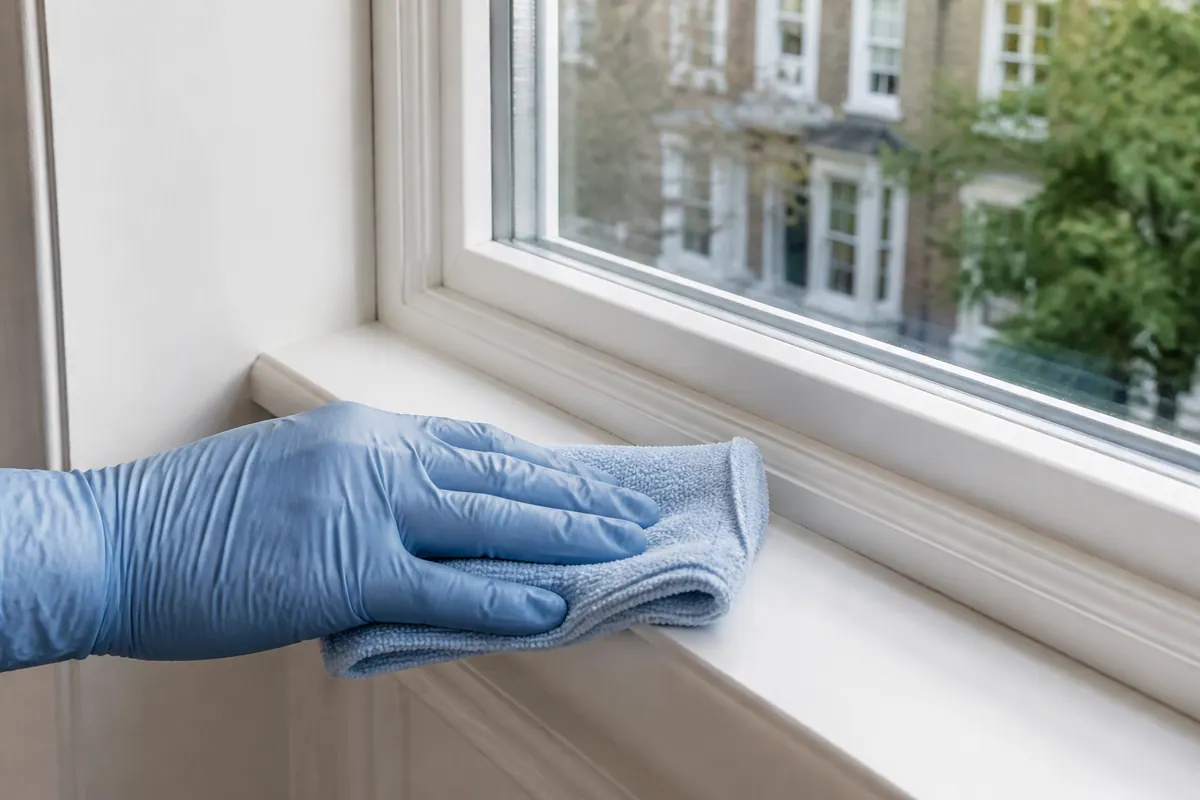
Do not assume the room clean includes every glass surface. List window requirements alongside the access details.
A glazing enquiry should identify stubborn spots individually, without assuming every residue can safely be removed.
Plan separate window cleaning ↗Before the appointment
A useful first account separates the completed installation from the deposits now visible. List the rooms being offered for cleaning and note any work that will happen later. Room-by-room improvements can leave a finished bedroom beside a corridor still holding materials.
Access means the whole journey to the agreed rooms, including any shared entrance or internal obstruction. Give the contact details needed to arrange entry; no separate local office is implied. Keep stored boards and equipment outside the agreed carrying route.
Care notes matter because similar-looking surfaces may respond differently. Any specialist residue question should be raised before the room is included in the final brief. Identify which rooms are released for cleaning and which remain with the trades.
Look at the threshold as a review point. Deposits beyond it may justify extending the proposed area after discussion. Here, inspect the completed side of the flat.
Use the hourly figure to open the price discussion, not close it. Alesta lists from £29/hour with cleaning materials and equipment; the work remains property-specific.
A room may be ready while its access route remains a working area. Explain that distinction rather than simply marking the renovation complete.
First distinguish surfaces requiring cleaning from items requiring removal. The latter need an independent waste enquiry.
These services can be discussed, but inclusion is not automatic. Give the glass faces or carpet areas and explain any building residue requiring assessment.
A furniture arrival date may influence the preferred sequence. The actual cleaning time still depends on the agreed room condition. Treat later building work as a separate scheduling question.
The original material may set the boundary of what cleaning can achieve. Do not confuse that limit with a promise of repair.
Your project / the final clean
Send the affected room list and explain surface care, access and the intended next use. Alesta can then discuss the actual finishing work.
