
Kitchen
Include fittings and reachable edges in the kitchen brief instead of assuming an all-inclusive appliance clean.
Covent Garden · A small room still has an approach route
A small room still has an approach route.
Include the route out of the room when defining the final clean.
Dust from limited interior work can be carried across the threshold each time tools leave. For your Covent Garden enquiry, describe the renovated room and its approach. Distinguish loose deposits from hardened material on the tiles.
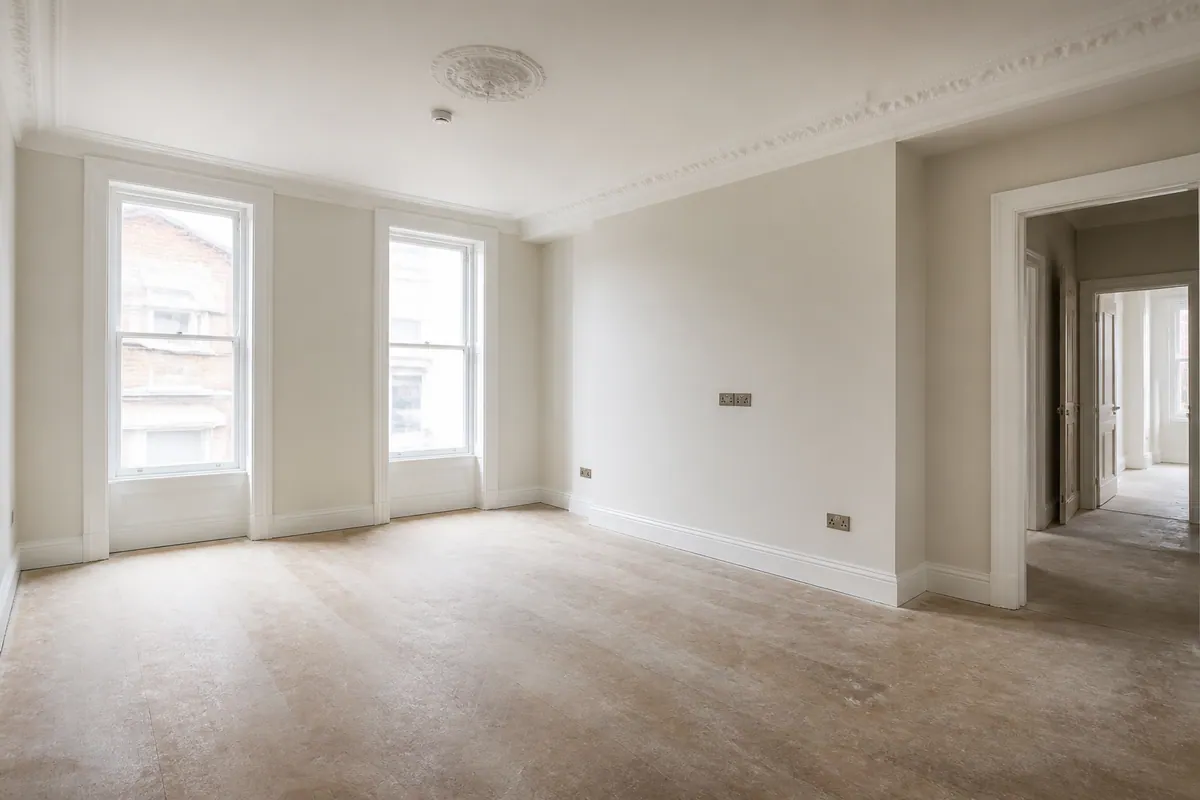
Illustrative renovation scene; no customer job or measured result is represented.
Build your brief
A few specifics make the scope easier to discuss.
This tool keeps the plan on your device. It neither sends an enquiry nor calculates a price or books a visit.
Mention additional glass, waste or unusual residue during the conversation. Alesta confirms the actual work, time and cost.
Discuss the brief: 020 3608 3976Covent Garden / the specific room brief
Dust from limited interior work can be carried across the threshold each time tools leave.
This Covent Garden planning example centres on small interior refurbishment. Dust from limited interior work can be carried across the threshold each time tools leave. The useful inspection route follows the renovated room and its approach, with attention to new tile edges and door surrounds.
Distinguish loose deposits from hardened material on the tiles. Keep any care notes for new tiles available when discussing the visible marks.
Explain any limits on equipment delivery or the building entrance. Include the route out of the room when defining the final clean.
Room-by-room brief
Include fittings and reachable edges in the kitchen brief instead of assuming an all-inclusive appliance clean.
The bathroom list should identify grout residue rather than treating every pale deposit as loose dust.
Include the exposed surfaces affected by renovation, with any separate storage detail identified.
The seating space can receive dust from adjoining work; describe the accessible surfaces around retained furniture.
Planning beyond the trades
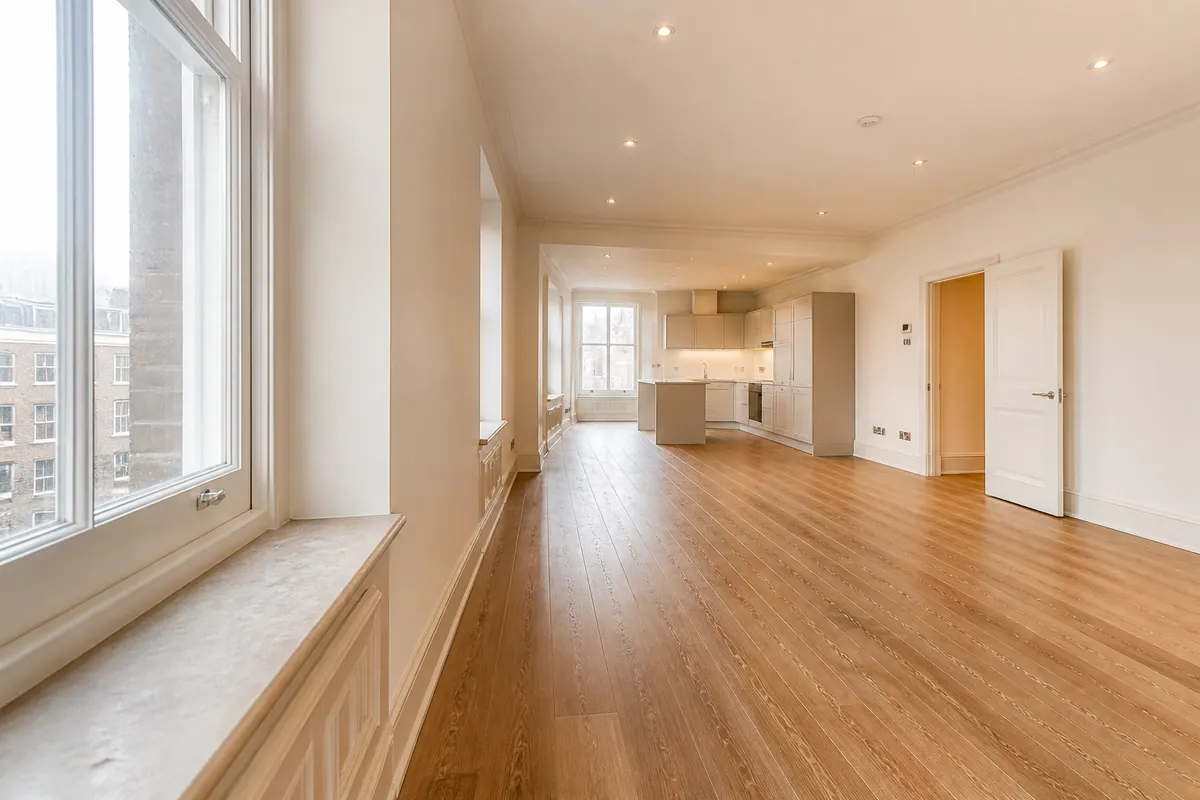
Record the surfaces affected by the completed works.
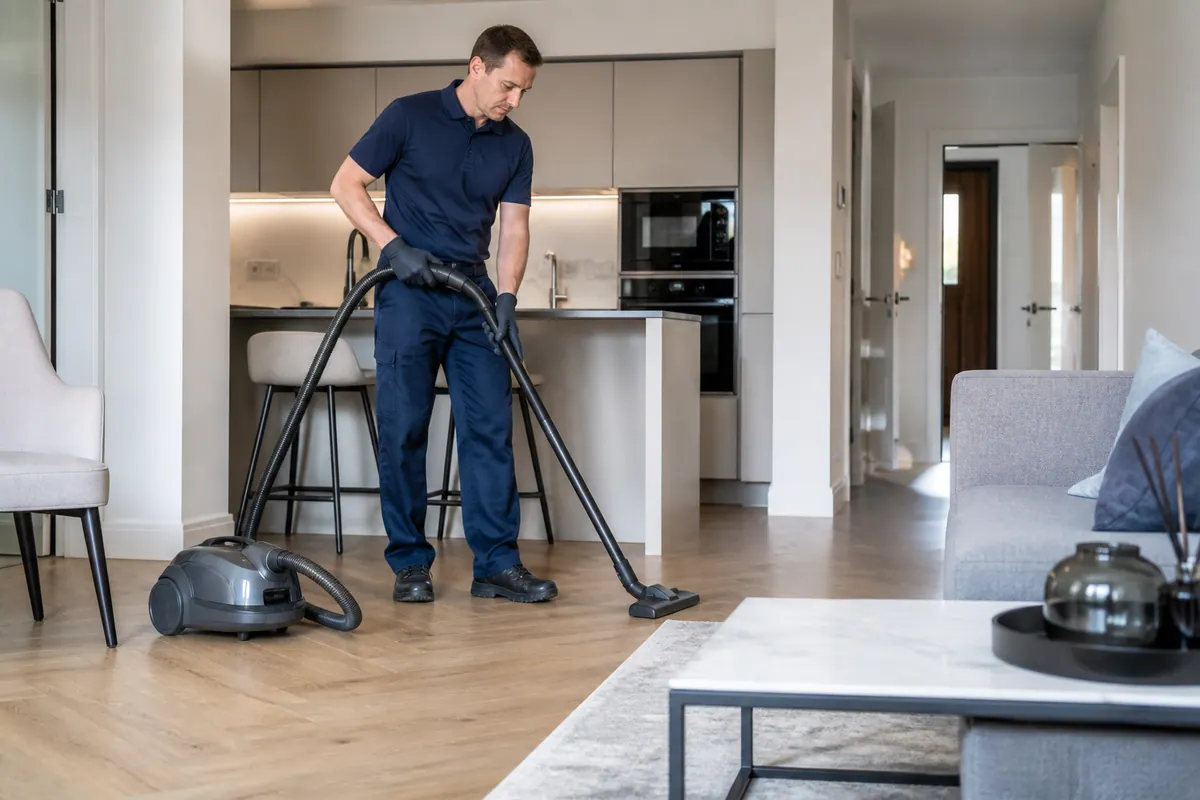
Clean the accessible details included in the agreed brief.
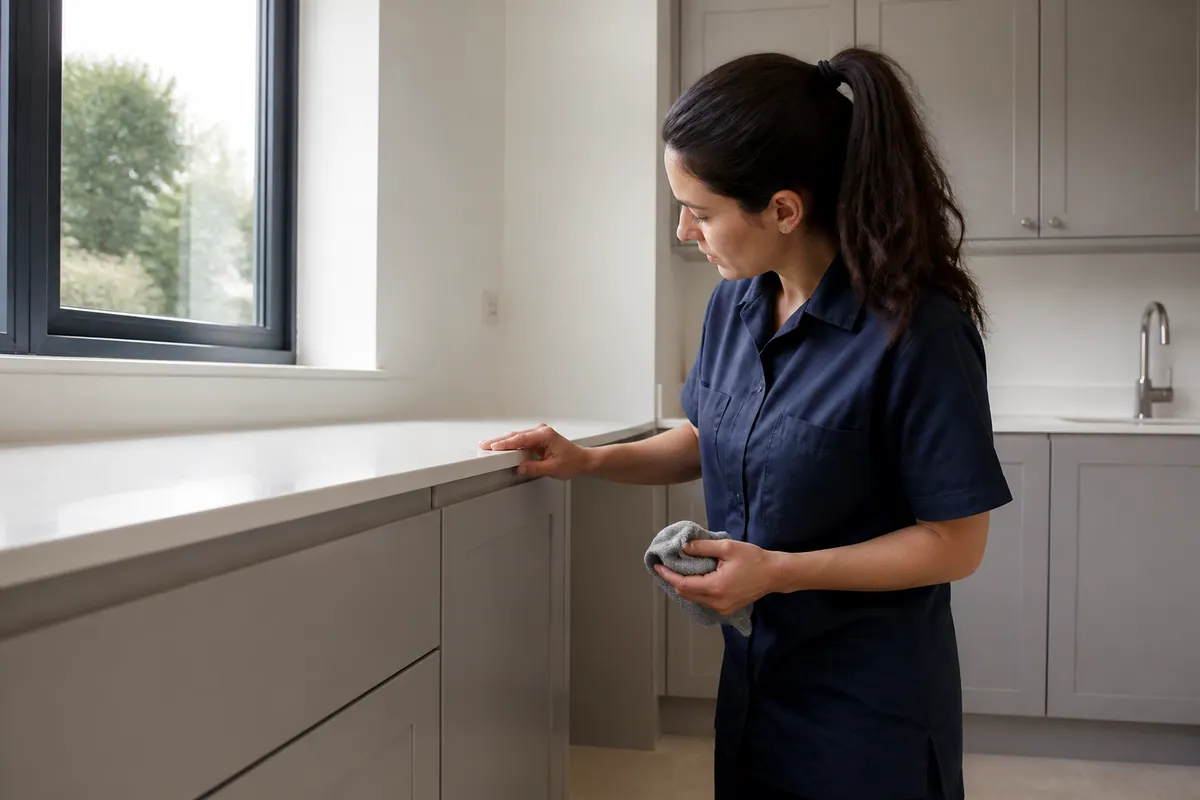
Explain where further advice may be necessary.

Plan furnishing once the scoped review is complete.
Pictures represent planning stages and should not be read as customer evidence.
A scoped quote
From £29/ hour
Discuss the actual brief against the published starting rate. Standard cleaning equipment and materials are included.
Explain the room sizes, access and finishes before expecting a total. Specialist issues and building materials need their own scope.
| Project | Pricing basis | What to describe |
|---|---|---|
| Smaller refurbishment | From £29/hour; scope confirmed | Decorated areas and remaining deposits |
| Kitchen or bathroom work | From £29/hour; scope confirmed | Installed surfaces and any fitting marks |
| Whole-property renovation | Work-specific price to be agreed | Released spaces and connecting routes |
| Commercial refurbishment enquiry | Project suitability to be established | Building restrictions and release dates |
Based on Alesta’s published after builders cleaning rate. Building waste removal is quoted separately.
Start with the work
Select the work closest to yours to organise the enquiry. A selection does not confirm the full scope or availability.
Divide a whole-property enquiry into reachable surfaces and separate issues such as waste, glazing or specialist residue.
Beyond the work zone
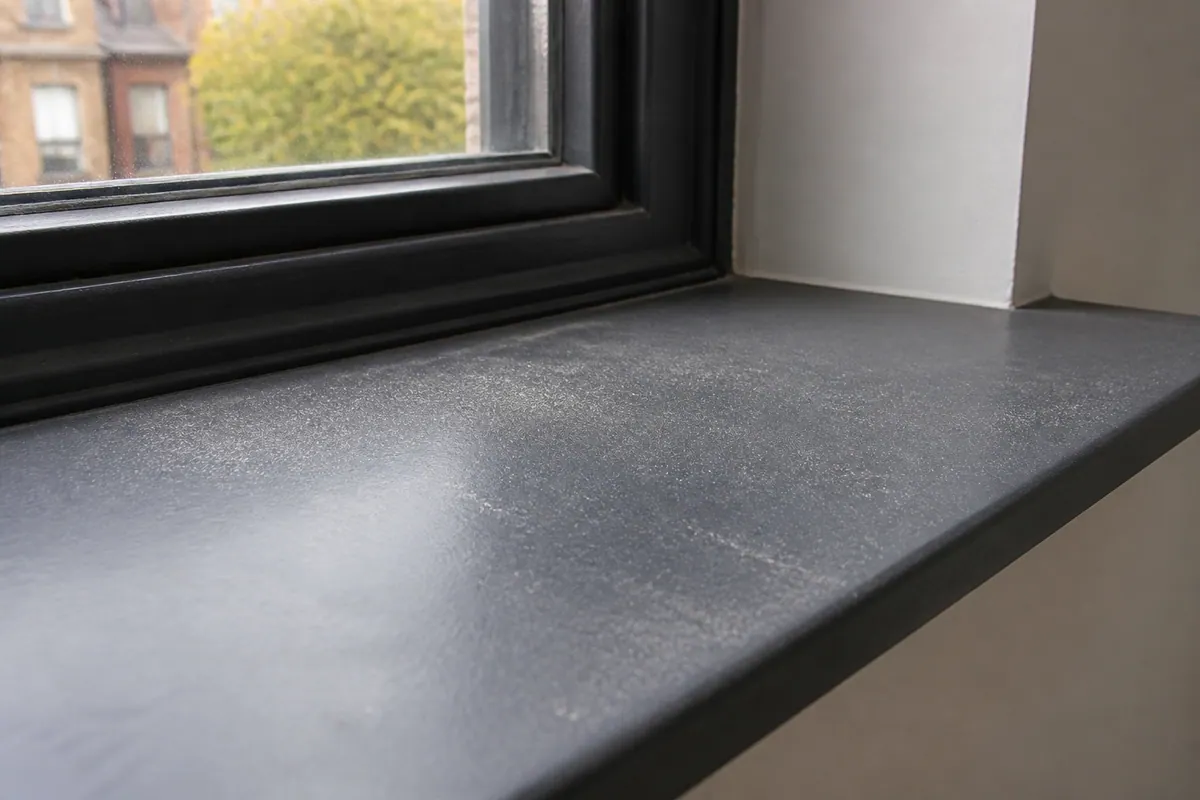
Include the quiet corners in the discussion.
A narrow approach can connect several spaces. Describe visible dust there even if the contractor worked behind one closed door.
Give concrete examples of the detail you want included; this makes the discussion more useful than asking for everything to be spotless.
A revised works programme should prompt a review of the cleaning date, rather than an assumption that nothing changes.
The dust route
Treat each zone as a prompt when explaining what your renovation affected.
Point out high and low resting surfaces that remain accessible after the project.
A fitted room has edges behind and beside units that need an access check.
A bathroom fitting needs a different surface description from a painted radiator.
Check thresholds before deciding that a protected room is outside the affected area.
Different issues / different scope
| Post-build issue | Example | How it is approached |
|---|---|---|
| Fine dust | Deposits on reachable ledges and external faces | Agreed detail can form part of the finishing clean. |
| Loose cleaning remnants | Small deposits left across affected surfaces | Coverage depends on the agreed cleaning tasks. |
| Adhesive or labels | Adhesive visible on a new surface | Confirm safe handling separately from ordinary dust removal. |
| Paint, plaster or cement spots | Local deposits attached to the surface | Explain the marks before agreeing any treatment scope. |
| Protective film | A fitting still wearing its protective layer | Removal requires a separate check of guidance and scope. |
Two separate jobs
A practical cleaning scope describes what can be reached and treated, not what must be carried away.
A pile of construction materials can prevent access to the very surfaces requested for cleaning.
Discuss building waste disposal ↗Different project briefs
Keep the entrance and room connections on the inspection list.
Check the connection to the adjoining room when describing kitchen dust.
Describe accessible fixtures without assuming treatment of every grout mark.
Include connecting halls when deposits extend beyond the newly fitted areas.
Keep agent requirements separate from the renovation-cleaning scope for review.
Provide the fit-out details without treating this page as a commercial contract offer.
A useful distinction
Builder stage
Cleaning stage
Protect the new finish
Illustrative surface review.
Manufacturer guidance matters more than a finish looking dry.
Different finishes can meet at one fitting. Explain both materials where treatment of a deposit might touch either surface.
Follow the product-specific drying instructions before arranging contact cleaning.
Describe the coating as well as the material wherever possible.
Glass and coated metal require their own residue assessment.
At a glance
Who is planning the handover?
Explain which parts of the home are ready to be released and what you plan to do with them after the cleaning review.
Keep the post-build room list clear even where another party has a separate inspection checklist.
Ask Alesta whether the specific project can be accommodated, including any site rules or coordination requirements.
Glass after renovation
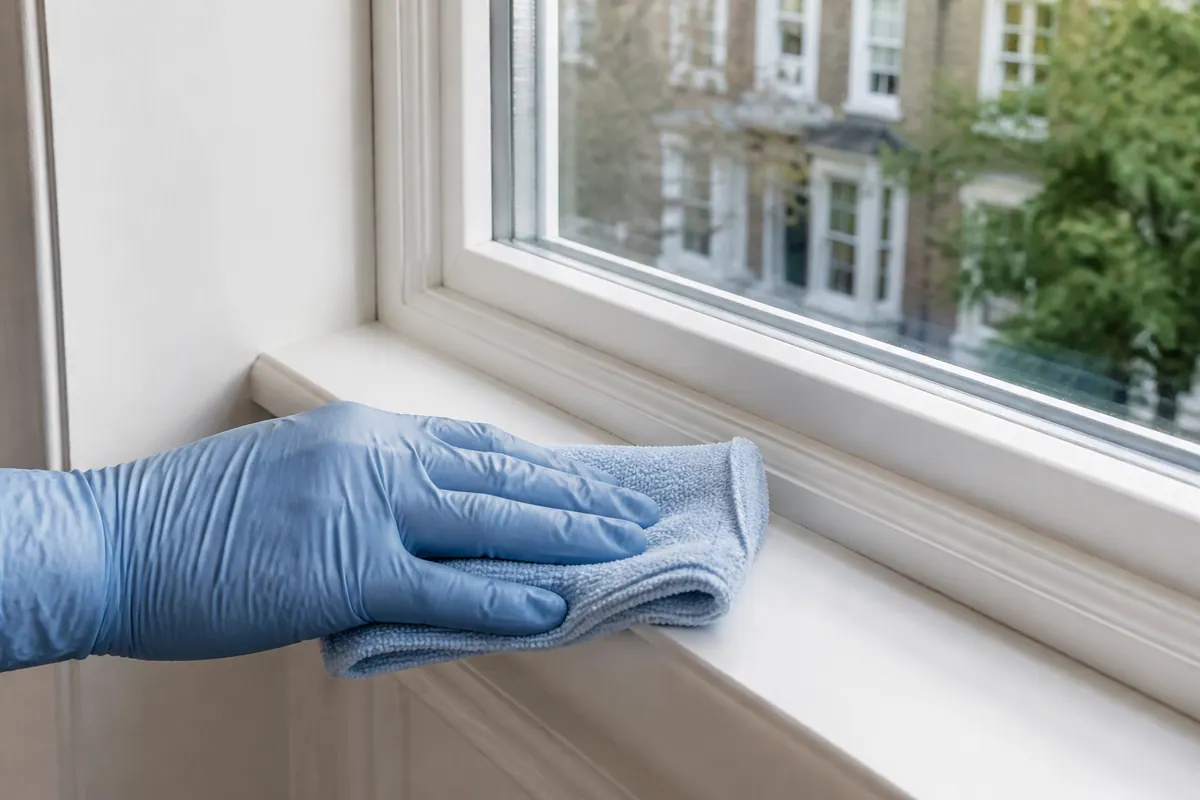
Internal glazing in the cleaning area is a different request from exterior access work. Specify which you need.
A glazing enquiry should identify stubborn spots individually, without assuming every residue can safely be removed.
Plan separate window cleaning ↗Service-area planning
Use the map to locate the Covent Garden service area, not an Alesta branch. Provide the actual address when asking about access and appointment availability.
For another nearby area, contact Alesta through the main after builders service to confirm coverage and availability.
Before the appointment
A useful first account separates the completed installation from the deposits now visible. List the rooms being offered for cleaning and note any work that will happen later. Dust from limited interior work can be carried across the threshold each time tools leave.
Give a contact who understands both building entry and the rooms being cleaned. That person should know what remains inaccessible. Explain any limits on equipment delivery or the building entrance.
New coatings need informed handling. Identify the material and residue separately so the treatment discussion remains realistic. Distinguish loose deposits from hardened material on the tiles.
Name additional affected areas at enquiry stage. A room kept closed during work is not proof that every surface stayed clear. Here, inspect the renovated room and its approach.
Use £29 per hour as the starting reference, not a guaranteed project total. Surface condition and practical access help determine the time; cleaning materials and equipment are included.
The final clean should follow dusty tasks. If another installation is still due, explain it before booking so the room sequence can be reviewed.
A room must have accessible areas for its surface work. If materials remain, explain them before finalising either collection or cleaning.
Not every construction mark can be removed safely. Explain the glass surface and the deposit when requesting separate window work; availability and any treatment limitations must be confirmed before proceeding.
A furniture arrival date may influence the preferred sequence. The actual cleaning time still depends on the agreed room condition. Include the route out of the room when defining the final clean.
The limit may be the surface itself. Discuss what remains and whether another trade or specialist needs to assess it, without assuming repair is included.
Your project / the final clean
A practical enquiry joins room condition with access and readiness. Share those details before settling the next step.
