
Ledges & surfaces
Point out high and low resting surfaces that remain accessible after the project.
Fitzrovia · Follow kitchen dust into the hallway
Follow kitchen dust into the hallway.
Keep the hallway in the brief rather than treating it as incidental access.
A newly fitted kitchen and the hall used by trades should be considered together. For your Fitzrovia enquiry, describe the kitchen-to-front-door passage. Share the floor finish instructions where timber crosses into another material.
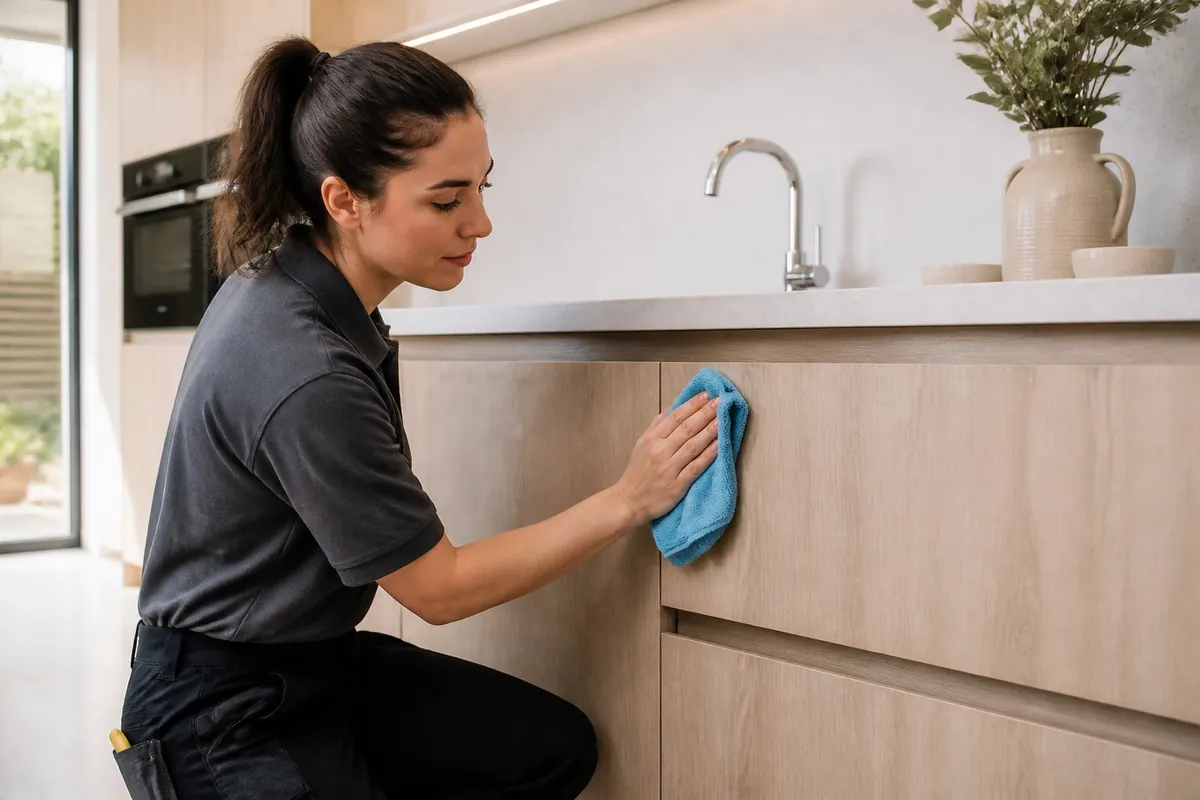
Illustrative renovation scene; no customer job or measured result is represented.
Fitzrovia / the specific room brief
A newly fitted kitchen and the hall used by trades should be considered together.
This Fitzrovia planning example centres on kitchen and hallway works. A newly fitted kitchen and the hall used by trades should be considered together. The useful inspection route follows the kitchen-to-front-door passage, with attention to timber thresholds and cabinet bases.
Share the floor finish instructions where timber crosses into another material. Keep any care notes for timber floor finish available when discussing the visible marks.
Explain the journey from street entry to the affected floor. Keep the hallway in the brief rather than treating it as incidental access.
The dust route
Treat each zone as a prompt when explaining what your renovation affected.
Point out high and low resting surfaces that remain accessible after the project.
Room edges often need a deliberate check after the larger surfaces look clear.
Name the fixtures affected by the work so their material and accessibility can be assessed.
Connect the room being cleaned with the passage used during the renovation.
Protect the new finish
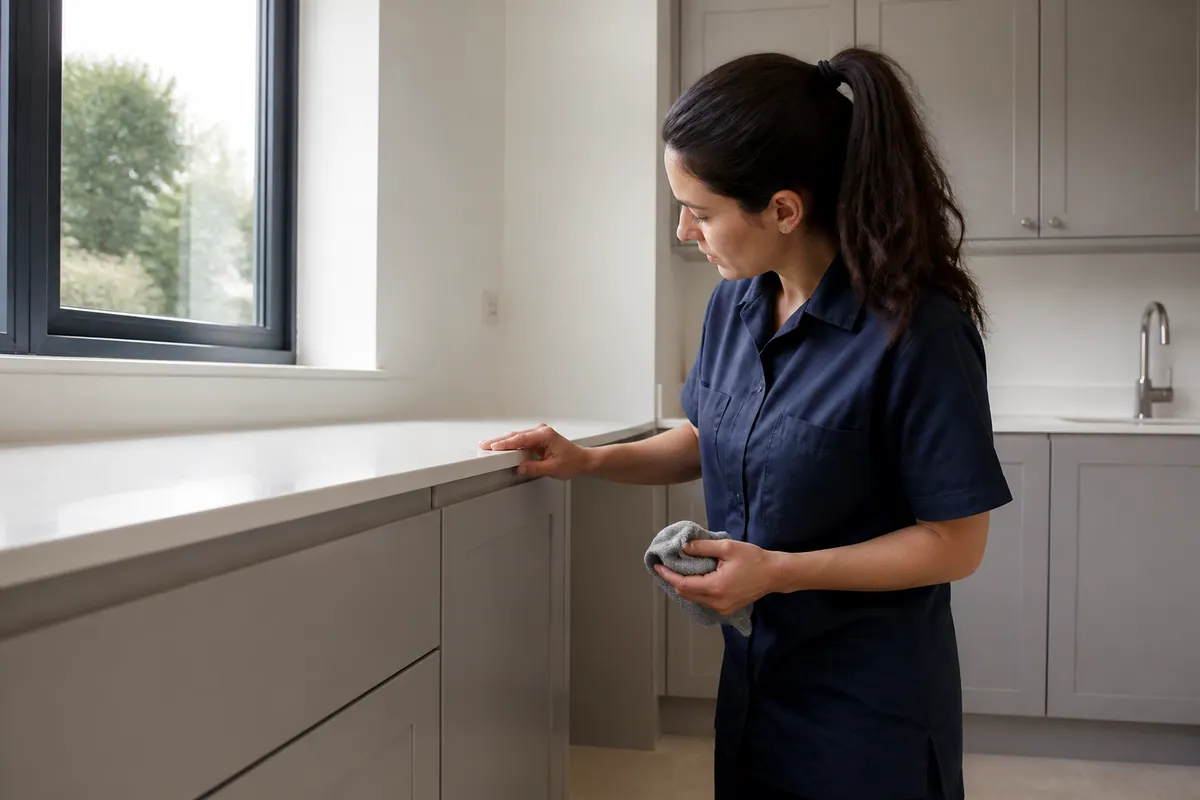
Illustrative surface review.
Start with the surface, then identify the deposit.
Installer instructions help establish what contact cleaning is appropriate. Where guidance is missing, flag that uncertainty rather than guessing the product.
Confirm readiness with the installer where paint or sealant was applied recently.
Provide floor or tile care notes alongside the room list.
External cabinet finishes need identification before adhesive is treated.
At a glance
Service-area planning
Use the map to locate the Fitzrovia service area, not an Alesta branch. Provide the actual address when asking about access and appointment availability.
For another nearby area, contact Alesta through the main after builders service to confirm coverage and availability.
Start with the work
Begin with the renovation type, then explain what actually remains. The selector is guidance for a discussion.
Explain where the work stopped and where deposits remain; the two boundaries may not be identical.
Beyond the work zone
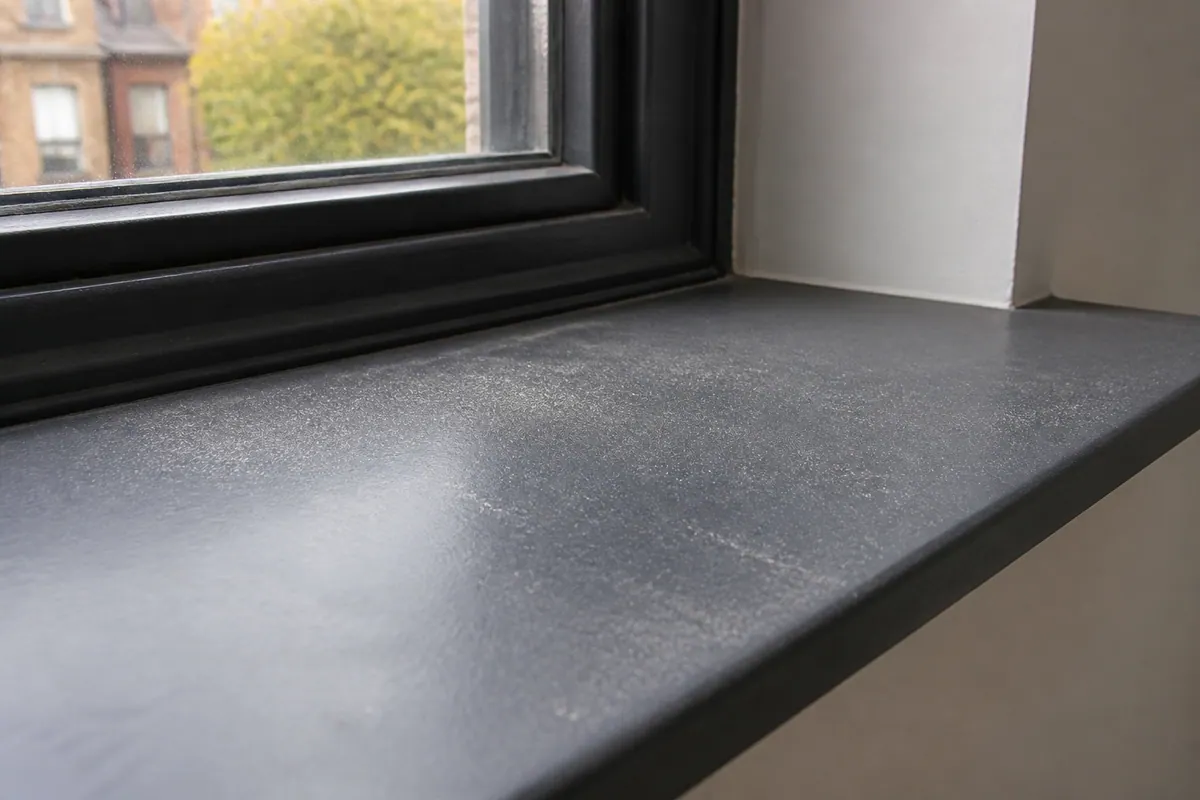
A clean-looking centre can hide dusty edges.
A narrow approach can connect several spaces. Describe visible dust there even if the contractor worked behind one closed door.
The surface list should make clear what can be reached. Appropriate cleaning methods follow those conditions, not a blanket treatment.
If more dusty work is planned, discuss a different order before fixing the appointment.
A scoped quote
From £29/ hour
The cleaning service includes its materials and equipment; confirm the applicable rate before the appointment proceeds.
The amount of reachable detail matters alongside room count. Separate requests such as windows or waste can alter the overall plan.
| Project | Pricing basis | What to describe |
|---|---|---|
| Smaller refurbishment | From £29/hour; scope confirmed | Finish readiness and access to details |
| Kitchen or bathroom work | From £29/hour; scope confirmed | Care notes for recently fitted items |
| Whole-property renovation | Price confirmed for the proposed tasks | Condition across the complete room list |
| Commercial refurbishment enquiry | Discuss premises before a quote | Access procedure and remaining work |
Based on Alesta’s published after builders cleaning rate. Building waste removal is quoted separately.
Different issues / different scope
| Post-build issue | Example | How it is approached |
|---|---|---|
| Fine dust | Settled deposits on exposed horizontal detail | Discuss removal on the accessible surfaces being included. |
| Loose cleaning remnants | Small deposits left across affected surfaces | Discuss the extent alongside the other surface work. |
| Adhesive or labels | A bonded patch on new trim | Do not assume removal is suitable for the new finish. |
| Paint, plaster or cement spots | A mark needing material identification | Treatment depends on the underlying surface and residue. |
| Protective film | Covering still attached to a fitted surface | Do not remove by assumption; agree the responsibility. |
Two separate jobs
Focus the cleaning request on fittings, edges and floors that are available for the visit.
Explain what bulky items remain before a quote is agreed, so cleaning is not confused with removal.
Discuss building waste disposal ↗Different project briefs
Keep the entrance and room connections on the inspection list.
Check the connection to the adjoining room when describing kitchen dust.
Identify glass, fittings and tile residue individually in the bathroom request.
Separate the released rooms from areas still occupied by tools or materials.
Give the keyholder details alongside the rooms released after works.
An office enquiry needs confirmation of site access and the proposed cleaning scope.
A useful distinction
Builder stage
Cleaning stage
Room-by-room brief
Include fittings and reachable edges in the kitchen brief instead of assuming an all-inclusive appliance clean.
Describe sanitaryware, tiles and fittings, with fresh sealant and any glass work flagged separately.
A bedroom outside the work area may still have deposits on its exposed ledges.
Explain the dust boundary across connected living areas, including any special surface-care notes.
From renovation to room use
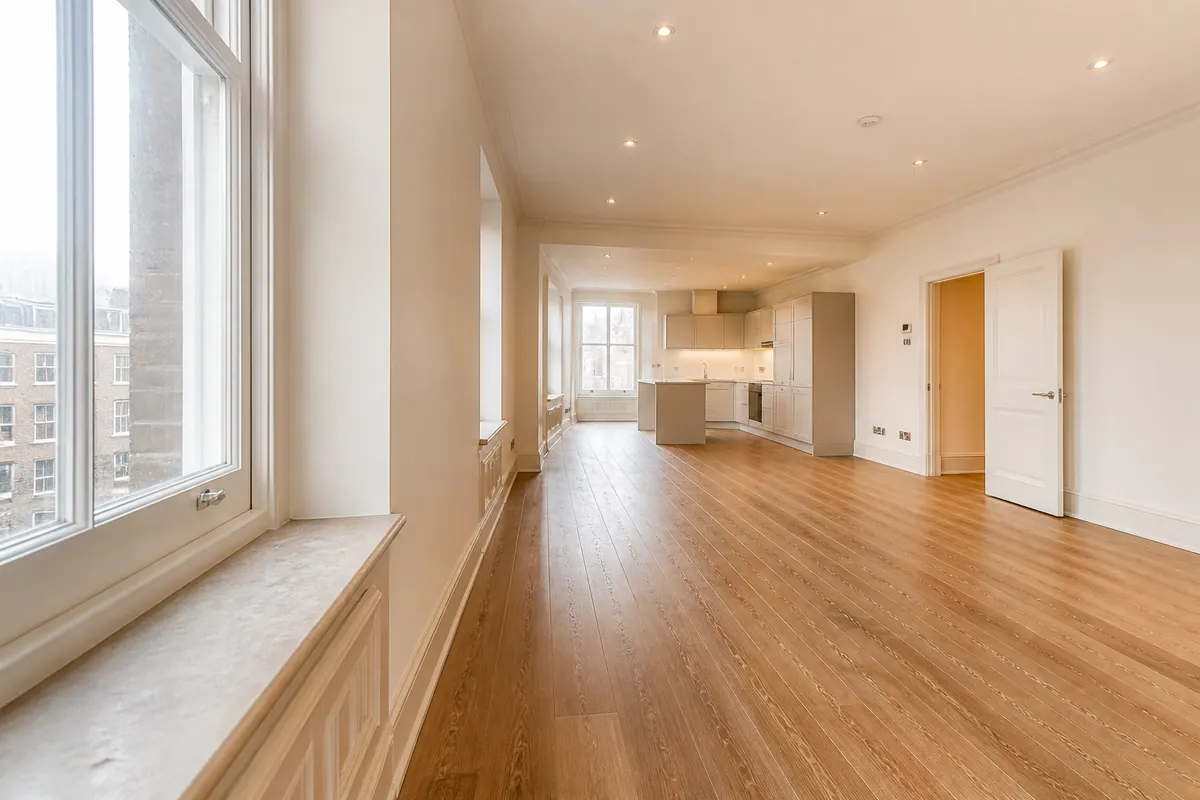
Record the surfaces affected by the completed works.
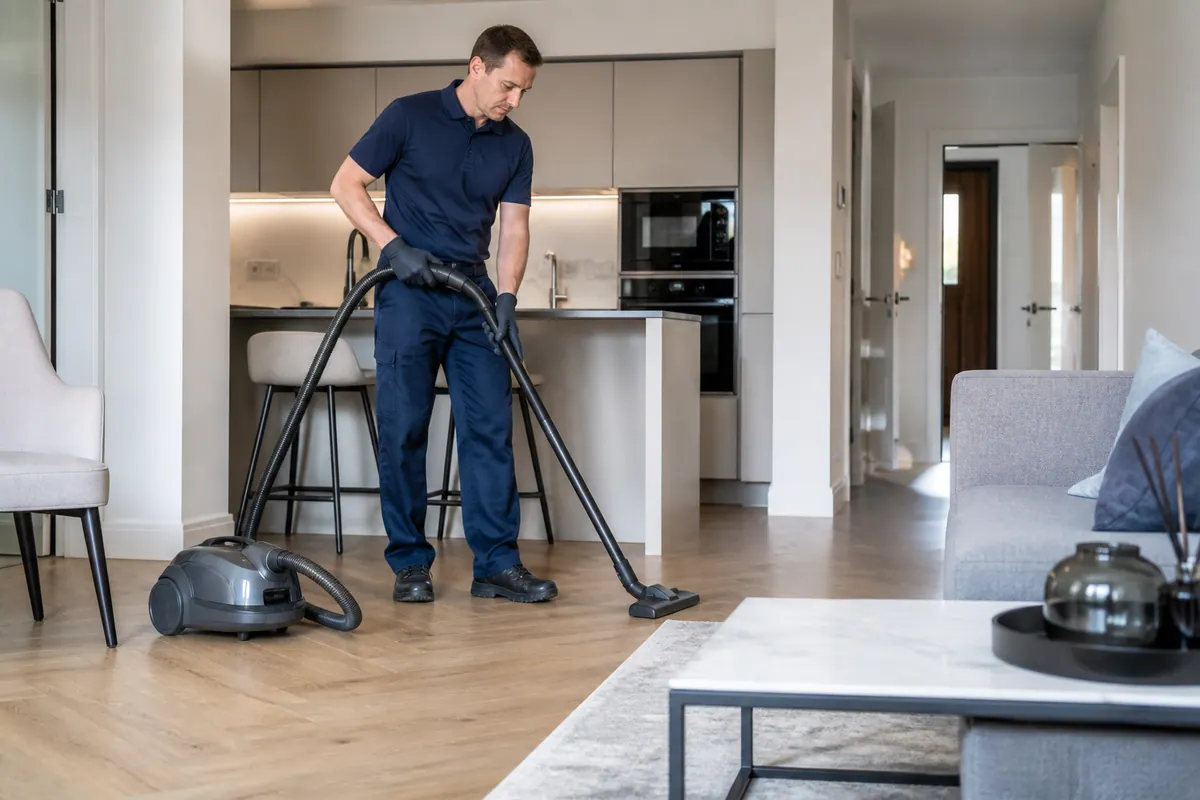
Use suitable methods across the released areas.
Explain where further advice may be necessary.

Coordinate the intended return to the rooms.
Different interiors illustrate the process rather than a guaranteed transformation.
Build your brief
Keep the initial enquiry concrete and useful.
The planner is private and local to this page. A completed summary is not a reservation or a priced service.
The planner cannot assess a finish or access route; these details still need review before the quotation.
Discuss the brief: 020 3608 3976Who is planning the handover?
Your next-use priorities help frame the brief, but the visit still needs a defined list of renovation-related tasks.
Explain what was changed and who can approve the scope before promising a cleaning outcome to an incoming occupant.
Ask Alesta whether the specific project can be accommodated, including any site rules or coordination requirements.
Glass after renovation
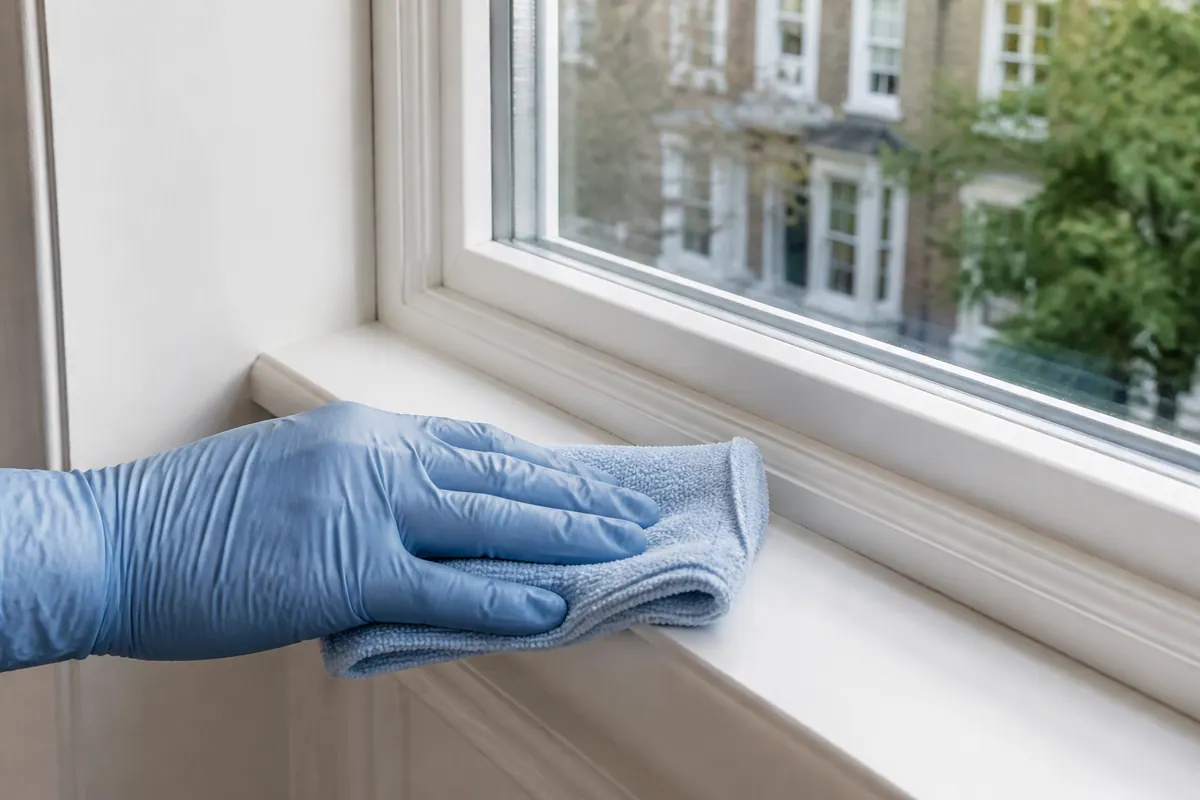
State whether you mean reachable internal glass, exterior faces or frames. Different access needs should be discussed before the visit.
Construction marks need a separate assessment of suitable treatment; a glazing clean is not an unlimited removal guarantee.
Plan separate window cleaning ↗Before the appointment
Describe the last activity in the space and the surfaces it affected. This avoids asking for a package unrelated to the condition on arrival. A newly fitted kitchen and the hall used by trades should be considered together.
Do not rely on the postcode to explain access. Tell Alesta how the property is entered and which internal areas are available at the proposed time. Explain the journey from street entry to the affected floor.
New coatings need informed handling. Identify the material and residue separately so the treatment discussion remains realistic. Share the floor finish instructions where timber crosses into another material.
Rooms outside the work zone can be discussed if deposits reached them. They are not automatically included, so name the affected surfaces and ask for the additional area to be scoped. Here, inspect the kitchen-to-front-door passage.
There is no single flat price for all renovations. The service starts from £29 per hour with equipment and materials, while the proposed tasks and current rate need confirmation.
The clean follows the agreed state of the project. New work afterwards is not automatically part of that same finishing scope.
The hourly cleaning guide does not absorb waste collection. Identify what needs taking away and arrange the relevant scope before it blocks surface access.
A separate request makes equipment and access questions visible. In particular, hardened material on glass should not be treated as a guaranteed standard window-clean result.
Discuss the next-use schedule alongside the cleaning brief. A material still awaiting readiness cannot be rushed simply because furniture is due. Keep the hallway in the brief rather than treating it as incidental access.
Where further treatment risks damage, pause for the relevant advice. A routine finishing clean does not restore worn or defective surfaces.
Your project / the final clean
Use the project details to start a quotation discussion, keeping difficult surfaces and separate services visible from the outset.
