
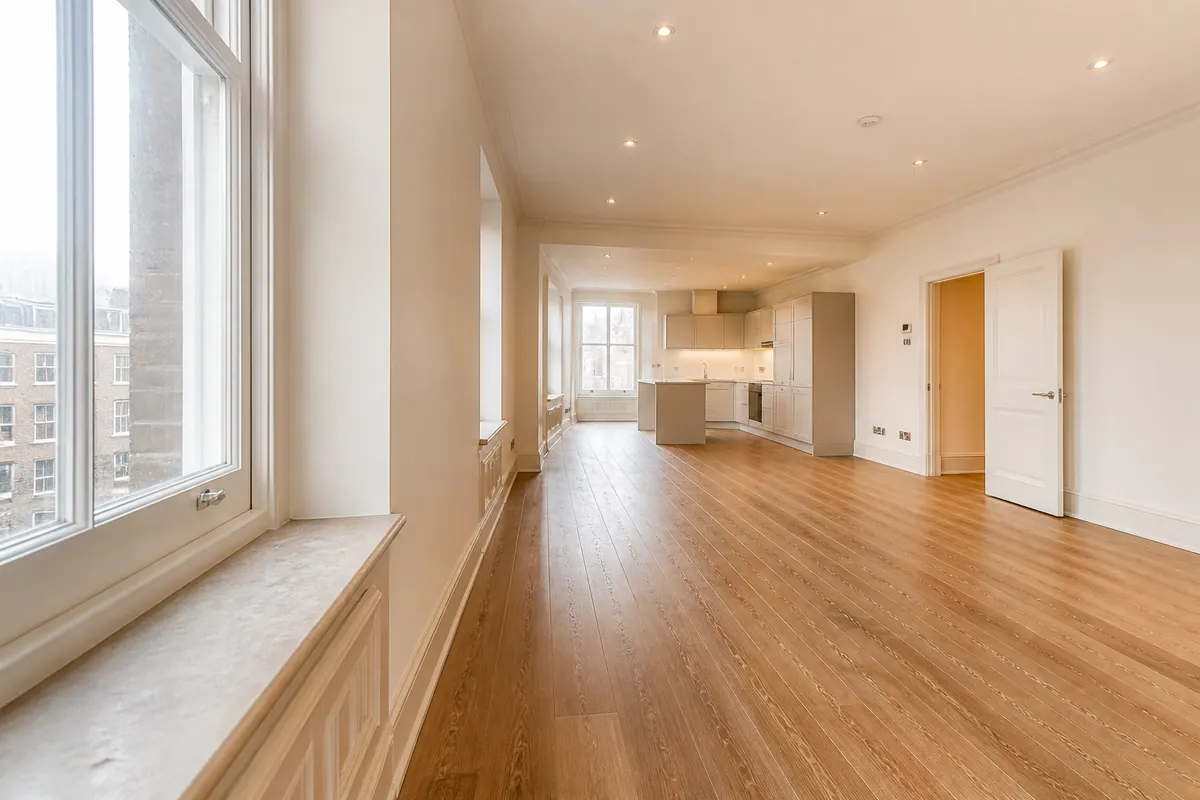
Work stops
Check that each installer has released the relevant surface rather than relying on the overall renovation completion date.
Dulwich · Finishing the renovation
Build the brief around the finishes worth protecting
Plan the renovated rooms with material-specific care needs.
Delicate materials need specific information, not a promise that the strongest treatment will remove every trace. A house renovation can introduce several such decisions within a single room.

Images are visual examples, not photographs supplied as customer proof.
Describe what changed
Choose an example to organise the enquiry, not to book a standard package. The local brief here concerns the renovated rooms with material-specific care needs.
Distinguish a film of loose dust from isolated hardened spots. The first describes cleaning workload; the second needs a decision about safe treatment. Look at the work from above the floor line as well as at the floor itself. External fitting detail and ledges can need attention after the main building materials have left. The Dulwich project selection should identify stone edges and painted timber detail inside the renovated rooms with material-specific care needs. It also needs material context for stone and painted timber and a plan to confirm a clear route through the property.
Inspect the settled deposits
Build the brief around the finishes worth protecting
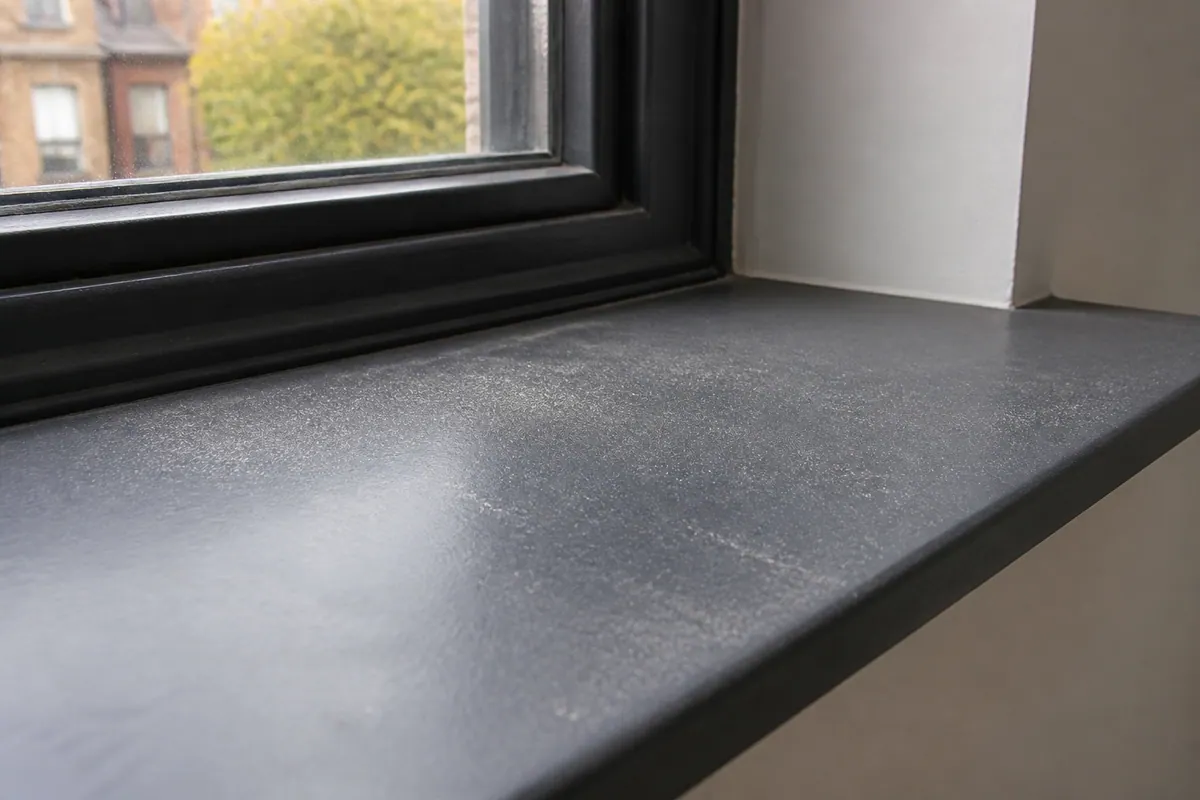
Distinguish a film of loose dust from isolated hardened spots. The first describes cleaning workload; the second needs a decision about safe treatment.
Look at the work from above the floor line as well as at the floor itself. External fitting detail and ledges can need attention after the main building materials have left. The Dulwich dust inspection should identify stone edges and painted timber detail inside the renovated rooms with material-specific care needs. It also needs material context for stone and painted timber and a plan to confirm a clear route through the property.
Check that each installer has released the relevant surface rather than relying on the overall renovation completion date.
A practical brief for Dulwich
Start with the renovated rooms with material-specific care needs.
Delicate materials need specific information, not a promise that the strongest treatment will remove every trace. A house renovation can introduce several such decisions within a single room. Distinguish a film of loose dust from isolated hardened spots. The first describes cleaning workload; the second needs a decision about safe treatment. Make stone edges and painted timber detail the reference point for affected-room account at this Dulwich address. Describe the renovated rooms with material-specific care needs, flag stone and painted timber, and confirm a clear route through the property.
Keep the stone and coating instructions together with photographs of the marks. Where the finish is uncertain, say so before a method is agreed.
Explain the unobstructed route through the property and where equipment can pass without using newly finished surfaces as storage. Check that each installer has released the relevant surface rather than relying on the overall renovation completion date.
Quotation context
From £29/ hour
The £29/hour figure is the service starting guide. Standard cleaning materials and equipment are included, while the applicable rate and work must be confirmed before proceeding.
Surface-care decisions can change the quotation even when the affected area is small. Raise unknown materials and resistant spots before accepting a broad price assumption. A useful quotation brief for Dulwich explains the renovated rooms with material-specific care needs through stone edges and painted timber detail. Surface decisions concern stone and painted timber; practical arrival means confirm a clear route through the property. Dulwich: cost-factor explanation should connect stone edges and painted timber detail with the renovated rooms with material-specific care needs. Keep stone and painted timber identifiable and confirm a clear route through the property.
| Property work | Pricing information | Explain the condition |
|---|---|---|
| A short room list | Guide rate from £29/hour | stone edges and painted timber detail |
| A newly fitted room | Published hourly starting point: £29 | Materials, fittings and access in the renovated rooms with material-specific care needs |
| A broader refurbishment | Individual work-based quote | Material information and room list |
| An office refurbishment | Suitability needs confirmation | Site requirements and project details |
Based on Alesta’s published after builders cleaning rate. Building waste removal is quoted separately.
A sequence, not a completion promise
Check that each installer has released the relevant surface rather than relying on the overall renovation completion date.

Clean reachable features systematically without promising universal mark removal.
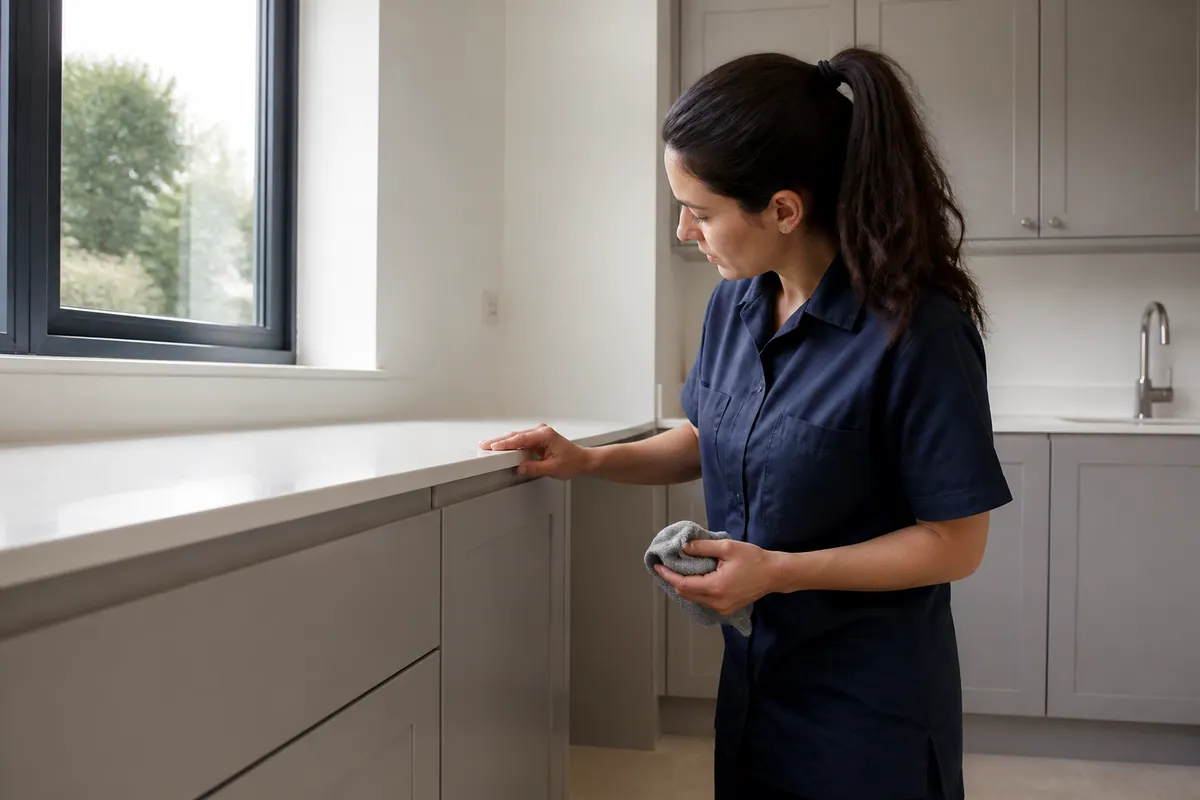
The review should name a remaining spot and the finish involved. A limitation is clearer than suggesting that the room needs indiscriminate stronger treatment. Dulwich: completion review should connect stone edges and painted timber detail with the renovated rooms with material-specific care needs. Keep stone and painted timber identifiable and confirm a clear route through the property.
Note any residue left for a specialist alongside the material concerned; this is different from a missed general-dust task.
Images help explain the sequence and are not customer cleaning evidence.
Where the detail sits
These drawn areas help organise the enquiry, not certify a room layout or service inclusion.
Look at exposed ledges near stone edges and painted timber detail. Explain what is reachable rather than assuming every high surface is included.
Connect the room margins to the renovated rooms with material-specific care needs. A blocked corner needs to be mentioned before attendance.
Name newly fitted items and their materials, including stone and painted timber where relevant.
Build the room notes around the surfaces requiring guidance. Keep readily cleanable dust distinguishable from marks awaiting specialist assessment.
Different deposits need different decisions
| Visible issue | What to identify | Scope consideration |
|---|---|---|
| Fine dust | stone edges and painted timber detail | Clean reachable features systematically without promising universal mark removal. |
| Loose cleaning remnants | Reachable residue from the works | Describe before the work is settled |
| Adhesive or labels | Marks beside stone and painted timber | No blanket removal promise applies to bonded construction residue. At the Dulwich property, use stone edges and painted timber detail to frame adhesive-mark decision. Follow it through the renovated rooms with material-specific care needs, naming stone and painted timber and the need to confirm a clear route through the property. |
| Paint, plaster or cement spots | Marks that need material assessment | Care instructions need to match the exact material, not just its appearance. Say where information is missing so uncertainty is not hidden. No blanket removal promise applies to bonded construction residue. For the renovated rooms with material-specific care needs in Dulwich, residue assessment starts at stone edges and painted timber detail. The notes must also distinguish stone and painted timber and explain how to confirm a clear route through the property. |
| Protective film | Film attached to the installed item | Identify the protection and establish suitable removal with the relevant guidance. |
Cleaning versus collection
Look at the work from above the floor line as well as at the floor itself. External fitting detail and ledges can need attention after the main building materials have left.
Do not leave heavy leftovers on delicate finished surfaces pending the clean. Ask separately about waste removal and explain the route without assuming collection is included.
Ask separately about building waste ↗Other renovation contexts
Explain the unobstructed route through the property and where equipment can pass without using newly finished surfaces as storage.
Describe the fitted kitchen from the accessible outside: fronts, worktop surroundings and floor. Any wanted internal detail should be identified as a separate part of the enquiry. A useful kitchen project note for Dulwich explains the renovated rooms with material-specific care needs through stone edges and painted timber detail. Surface decisions concern stone and painted timber; practical arrival means confirm a clear route through the property.
Give the sanitaryware and tile details with any sealant instructions. A bathroom can look finished while a newly applied product still needs time before cleaning. bathroom project note in Dulwich is not a generic room count: describe the renovated rooms with material-specific care needs, inspect stone edges and painted timber detail, identify stone and painted timber, and confirm a clear route through the property.
Check that each installer has released the relevant surface rather than relying on the overall renovation completion date. Dulwich: multi-room description should connect stone edges and painted timber detail with the renovated rooms with material-specific care needs. Keep stone and painted timber identifiable and confirm a clear route through the property.
State the handover plan without adding an automatic tenancy checklist. The agreed work should remain tied to the renovation and its accessible effects.
Builders or managers should give the premises details and outstanding-work schedule. Any coordination with trades is subject to explicit confirmation.
Check the final trade stage
Before the appointment
For the finishing visit
Name the affected spaces
Describe the fitted kitchen from the accessible outside: fronts, worktop surroundings and floor. Any wanted internal detail should be identified as a separate part of the enquiry. When discussing Dulwich, link kitchen-room detail to stone edges and painted timber detail and the renovated rooms with material-specific care needs. Add the care information for stone and painted timber; then confirm a clear route through the property.
Give the sanitaryware and tile details with any sealant instructions. A bathroom can look finished while a newly applied product still needs time before cleaning. Make stone edges and painted timber detail the reference point for bathroom-room detail at this Dulwich address. Describe the renovated rooms with material-specific care needs, flag stone and painted timber, and confirm a clear route through the property.
Before including a bedroom, look at its entrance and visible surfaces. State any additional area needing attention instead of relying on the room name alone. At the Dulwich property, use stone edges and painted timber detail to frame bedroom boundary. Follow it through the renovated rooms with material-specific care needs, naming stone and painted timber and the need to confirm a clear route through the property.
Build the room notes around the surfaces requiring guidance. Keep readily cleanable dust distinguishable from marks awaiting specialist assessment. The Dulwich living-area scope should identify stone edges and painted timber detail inside the renovated rooms with material-specific care needs. It also needs material context for stone and painted timber and a plan to confirm a clear route through the property.
Identify the substrate
An illustration of reviewing a finish.
No blanket removal promise applies to bonded construction residue.
Keep the stone and coating instructions together with photographs of the marks. Where the finish is uncertain, say so before a method is agreed. Make stone edges and painted timber detail the reference point for surface-care decision at this Dulwich address. Describe the renovated rooms with material-specific care needs, flag stone and painted timber, and confirm a clear route through the property.
Readiness depends on the particular finish and its most recent application date.
For the renovated rooms with material-specific care needs, list material changes as well as room names.
Care instructions need to match the exact material, not just its appearance. Say where information is missing so uncertainty is not hidden.
A concise service outline
Prepare your enquiry notes
Include the renovated rooms with material-specific care needs in the room description.
This tool makes a note on your device. It neither sends an enquiry nor books a visit, and its output is not a price calculation.
Surface-care decisions can change the quotation even when the affected area is small. Raise unknown materials and resistant spots before accepting a broad price assumption. When discussing Dulwich, link planning summary to stone edges and painted timber detail and the renovated rooms with material-specific care needs. Add the care information for stone and painted timber; then confirm a clear route through the property.
Talk through the notes: 020 3608 3976Choose the scope contact
The review should name a remaining spot and the finish involved. A limitation is clearer than suggesting that the room needs indiscriminate stronger treatment. When discussing Dulwich, link homeowner handover to stone edges and painted timber detail and the renovated rooms with material-specific care needs. Add the care information for stone and painted timber; then confirm a clear route through the property.
State the handover plan without adding an automatic tenancy checklist. The agreed work should remain tied to the renovation and its accessible effects.
Builders or managers should give the premises details and outstanding-work schedule. Any coordination with trades is subject to explicit confirmation.
If glass needs attention
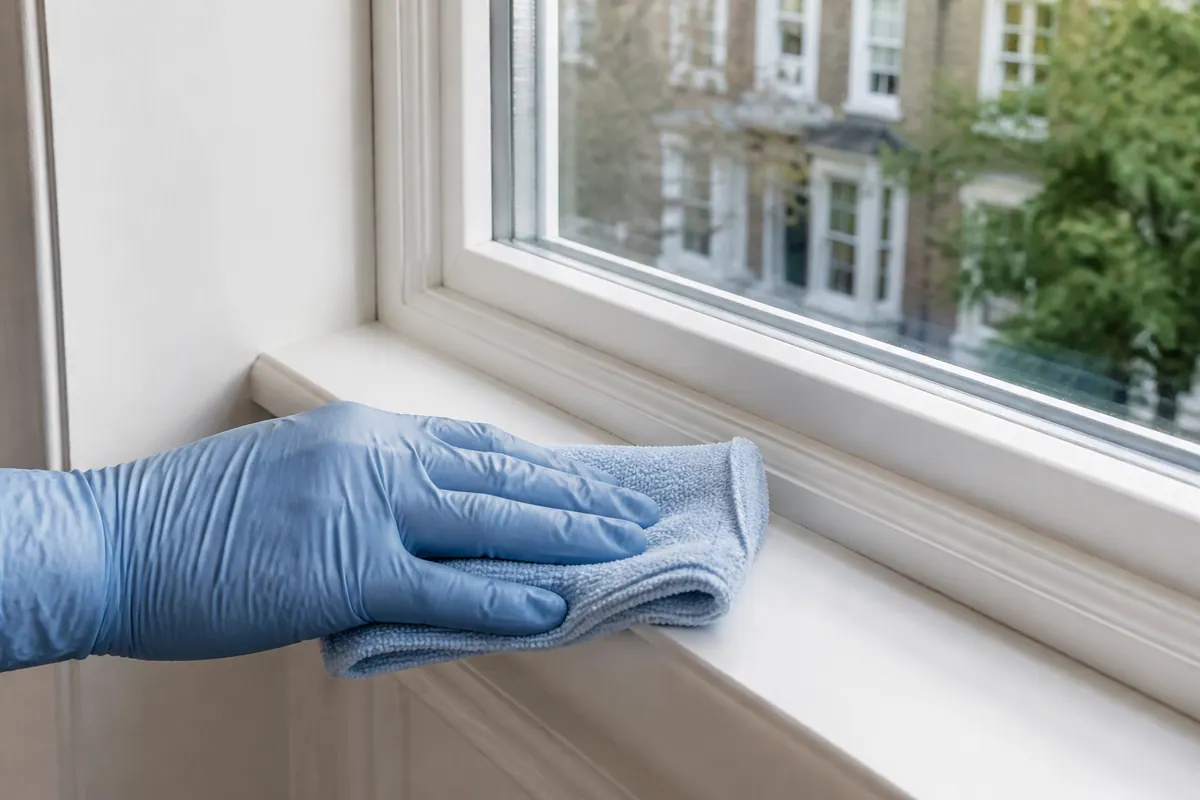
Identify specialist glass or coatings when requesting window work. A general finishing enquiry does not establish a suitable method for every glazed detail. The Dulwich glazing request should identify stone edges and painted timber detail inside the renovated rooms with material-specific care needs. It also needs material context for stone and painted timber and a plan to confirm a clear route through the property.
No universal construction-residue treatment is implied for glazing. Any uncertain spot should be identified during the scope discussion.
Enquire about additional window work ↗The address matters
The map identifies Dulwich as an enquiry area, not a local Alesta office. Explain the unobstructed route through the property and where equipment can pass without using newly finished surfaces as storage. Availability is confirmed for the actual property.
For coverage beyond this address, ask the main after builders cleaning team about a suitable appointment.
Questions before confirming the work
Delicate materials need specific information, not a promise that the strongest treatment will remove every trace. A house renovation can introduce several such decisions within a single room. Describe the visible condition rather than treating the project name as a complete cleaning checklist.
Explain the unobstructed route through the property and where equipment can pass without using newly finished surfaces as storage. Check that each installer has released the relevant surface rather than relying on the overall renovation completion date.
Keep the stone and coating instructions together with photographs of the marks. Where the finish is uncertain, say so before a method is agreed. Ask whether the suspected residue has an agreed treatment. Without knowing the finish, a promise that all paint or cement will disappear would be inappropriate.
Distinguish a film of loose dust from isolated hardened spots. The first describes cleaning workload; the second needs a decision about safe treatment.
The £29/hour figure is the service starting guide. Standard cleaning materials and equipment are included, while the applicable rate and work must be confirmed before proceeding. Different rooms may be in different conditions after the same project. Explain those differences and ask separately about waste, windows or other work beyond ordinary finishing detail.
Check that each installer has released the relevant surface rather than relying on the overall renovation completion date. Use a released-room list after the final dusty movement has taken place.
Describe bulky leftovers by material and amount. Cleaning accessible detail does not include an unagreed load of construction waste or the labour needed to carry it out.
Frames may need different attention from the pane itself. Identify both where required, with the visible condition and accessible side stated for the separate request. Carpet treatment is another separately agreed service; availability and the required work must be confirmed.
Duration depends on the detail being addressed, including accessible edges and surface constraints. The same number of rooms can represent different workloads. At the Dulwich property, use stone edges and painted timber detail to frame timing discussion. Follow it through the renovated rooms with material-specific care needs, naming stone and painted timber and the need to confirm a clear route through the property.
Note any residue left for a specialist alongside the material concerned; this is different from a missed general-dust task. Ask whether the suspected residue has an agreed treatment. Without knowing the finish, a promise that all paint or cement will disappear would be inappropriate.
Finish with an agreed brief
Note any residue left for a specialist alongside the material concerned; this is different from a missed general-dust task. Explain the unobstructed route through the property and where equipment can pass without using newly finished surfaces as storage. Make stone edges and painted timber detail the reference point for final contact brief at this Dulwich address. Describe the renovated rooms with material-specific care needs, flag stone and painted timber, and confirm a clear route through the property.
