
Recently applied finishes
Ask when contact cleaning is permitted, not just when paint feels dry.
Leyton · Loose dust and plaster spots are different
Loose dust and plaster spots are different
A clear brief for using rooms after plastering and paint.
After plastering and paint, a house can carry both loose dust and stubborn local spots. For Leyton, distinguish those issues in the enquiry and confirm which painted surfaces are ready for the finishing clean.
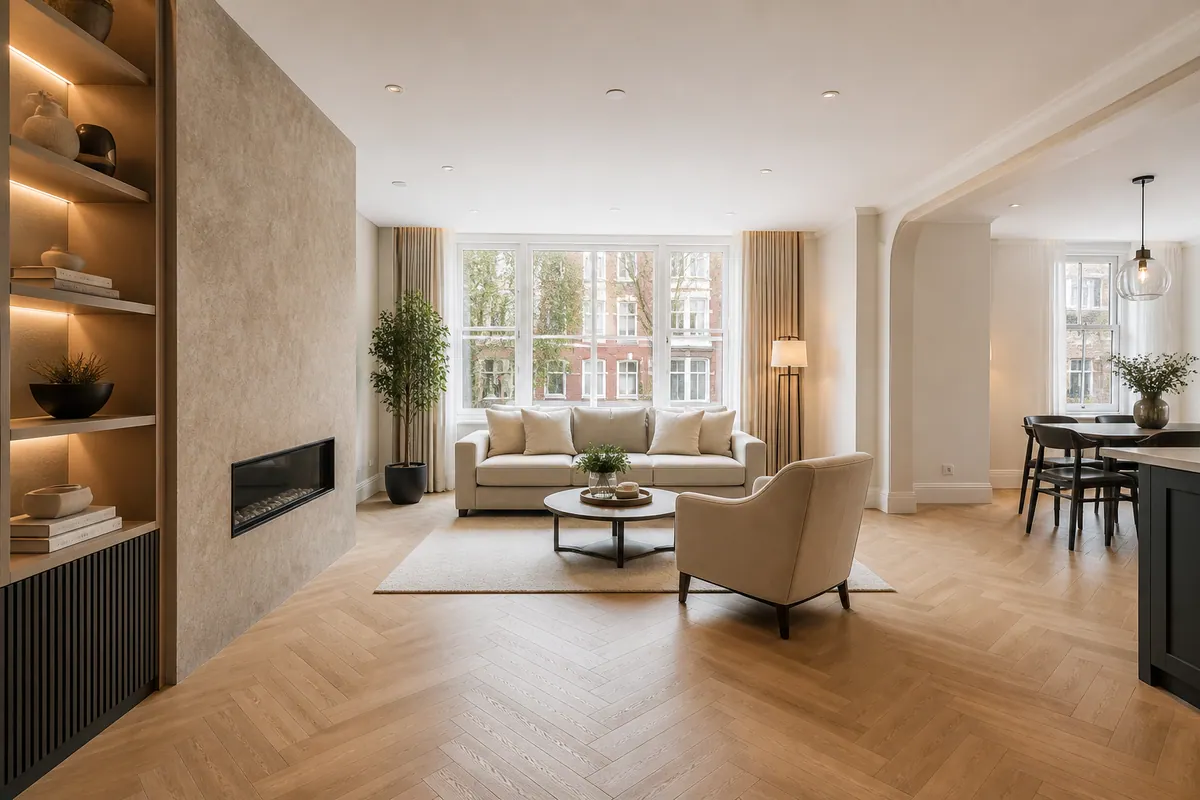
No customer outcome is represented by the illustration.
A finish is not just a colour
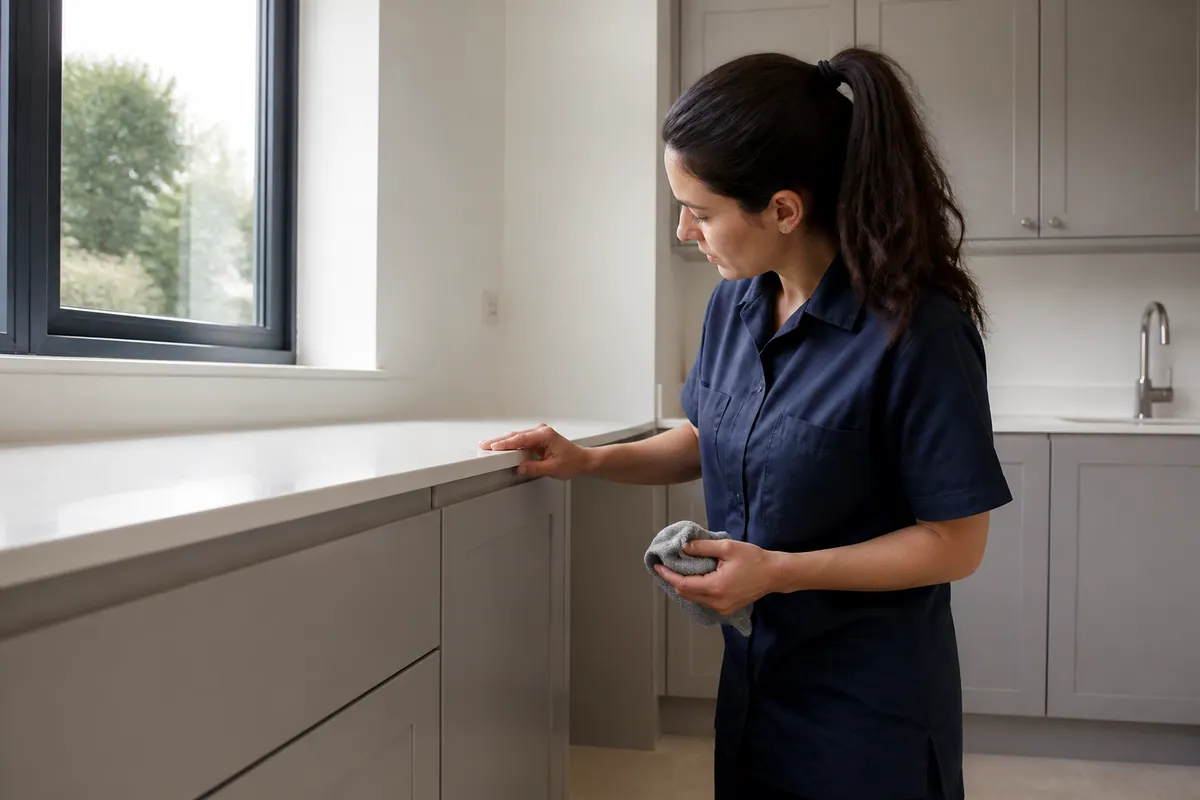
Illustrated material assessment.
A difficult mark needs information, not force.
Painted surfaces need the decorator’s readiness guidance, while plaster or paint deposits need material assessment. Scraping harder is not an acceptable answer where the underlying finish could be damaged.
Ask when contact cleaning is permitted, not just when paint feels dry.
Specialist coatings may change what can be attempted.
Ask about labels before assuming their removal.
At your Leyton property
Look along trim and ledges as well as at the main decorated surface.
Describe a clear route from the entrance to the affected rooms. Tools and leftover materials should be removed or separately discussed before the cleaning team arrives.
Confirm that sanding, plastering and touch-ups have stopped in the agreed spaces. Cleaning before their completion can leave a second dust problem that was not part of the first visit.
Review ordinary deposits separately from resistant spots. Some residue may remain because safe removal is not established; damaged finishes are not repaired by cleaning.
Keep clearance outside the dust brief
Agree dust and fitting detail as cleaning tasks, with any resistant residue separately assessed.
Provide the type and approximate amount of leftover boards, rubble or packaging for a separate collection discussion. Explain the route out as well.
Ask about separate building waste collection ↗A sequence, not a completion guarantee
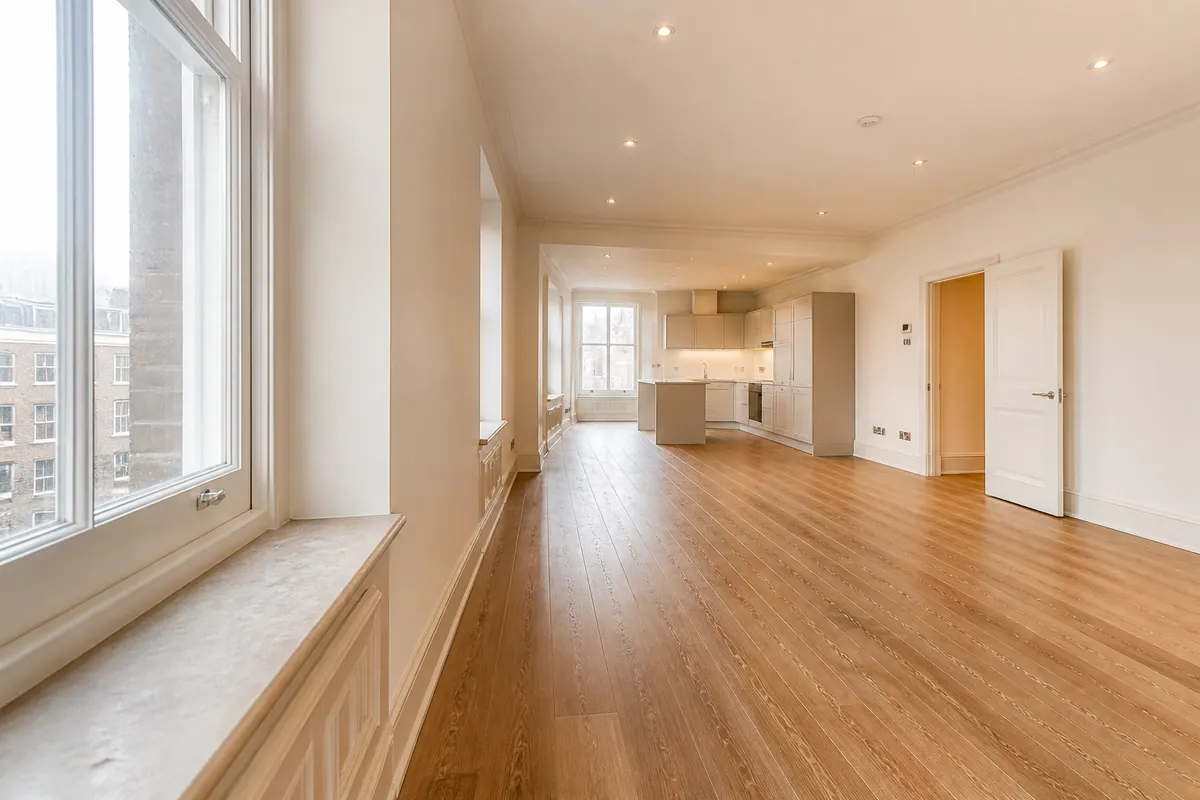
Keep unfinished fitting work outside the released-area list.
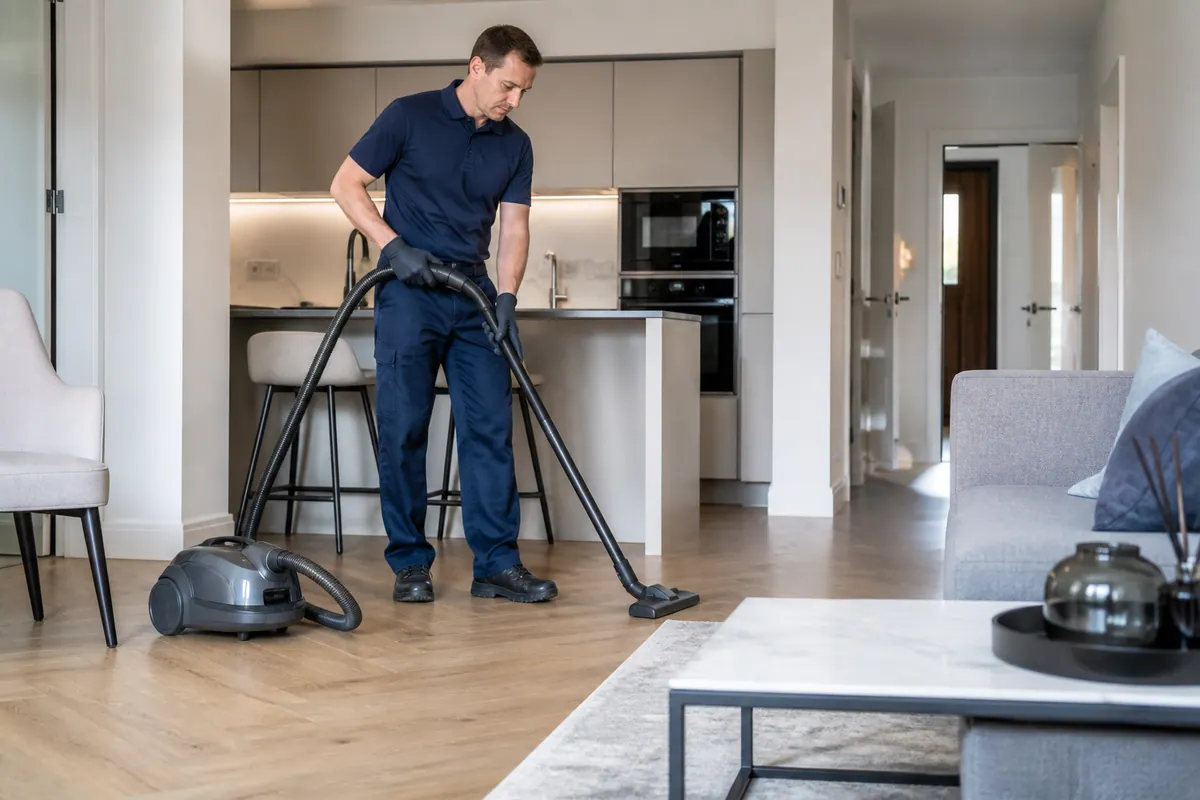
Match the surface approach to its material and condition.
Explain limitations where treatment could risk a finish.
Keep furnishing plans aligned with the room’s condition.
The pictures illustrate separate stages, not a proven before-and-after transformation.
Quoting the Leyton work
From £29/ hour
Alesta supplies equipment and materials for the agreed cleaning; confirm the current price with the room information.
The extent of fitting detail can matter as much as the floor area. Additional services remain separate considerations.
| Project scope | Rate guide | Useful information |
|---|---|---|
| One affected space | Guide from £29/hour, not a total | Condition of the dust routes and isolated plaster spots |
| Kitchen/bathroom enquiry | From £29 per hour | Readiness of dry painted surfaces |
| Property-wide work | Quote the actual cleaning requirement | Room access before using rooms after plastering and paint |
| Business-space enquiry | Ask about the premises involved | Release arrangements and access |
Based on Alesta’s published after builders cleaning rate. Collection of building materials requires its own quote.
Address and access
The map indicates the Leyton service area, not an office address. Provide the actual property and access details when asking about availability.
For a separate location, ask Alesta directly before assuming attendance.
Describe the Leyton work
Choosing a work type does not book a visit. It helps organise the questions for the quotation conversation.
Give the finishing condition as well as the project name. Access, fitted detail and new materials help determine the proposed work.
Inspect the affected route
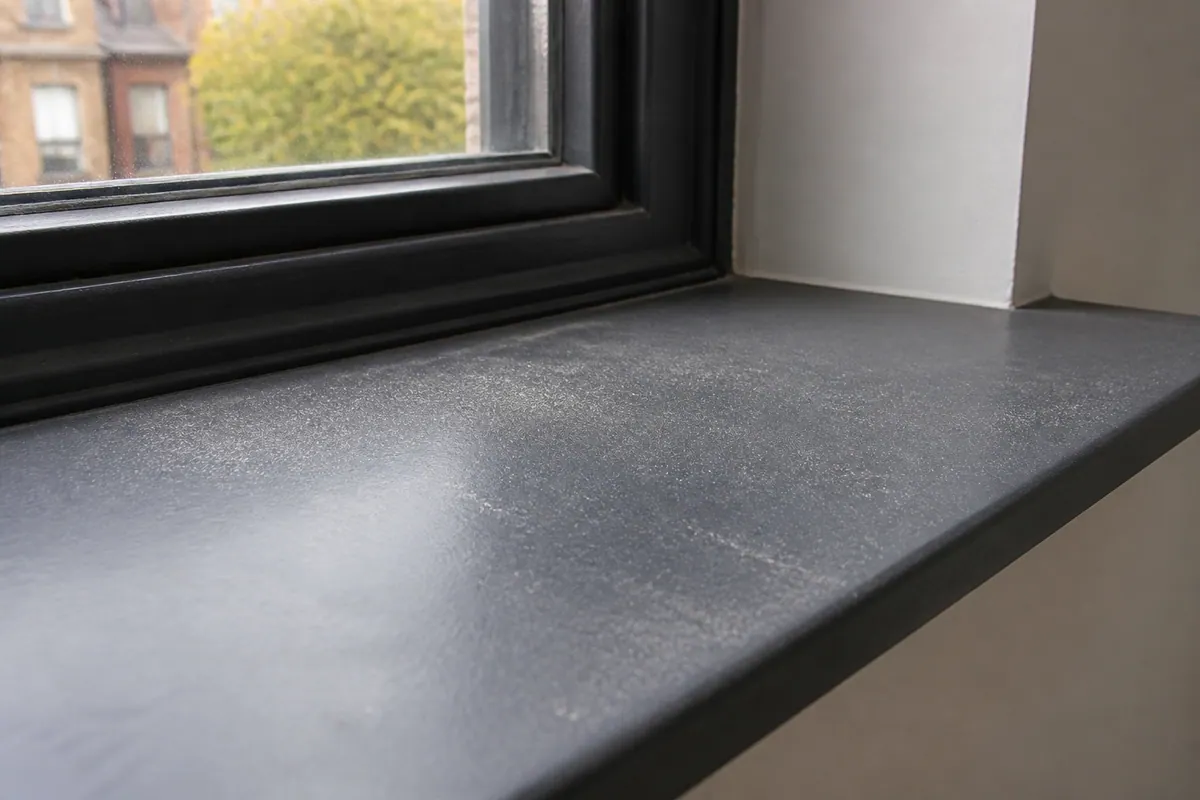
Dust patterns do not always match room names.
Trace visible deposits along the route through the house. A few concentrated spots should be described separately from the wider dust layer so treatment is not assumed from appearance alone.
The enquiry should follow the dust that is visible, not merely the contractor’s work-room label. Agree any adjoining areas explicitly.
Keep remaining work visible in the scheduling conversation.
Draw the cleaning boundary
These categories organise the conversation. They do not promise that every pictured detail is included.
Dust may be visible on exposed ledges after the central floor looks tidy; name those needing attention.
Look at the junctions beside fitted items rather than relying on the room’s overall appearance.
Describe the accessible fixture detail and any recently applied coatings before methods are selected.
Adjoining spaces should be added by agreement where deposits are visible, not automatically because they connect.
Identify before treating
| What is visible | Example detail | Decision required |
|---|---|---|
| Settled dust | dust routes and isolated plaster spots | Agree the accessible surfaces carrying these deposits. |
| Loose ordinary material | Non-bulky cleaning residue | Clarify the material before including it. |
| Marks beneath labels | Labels or marks beside dry painted surfaces | Describe the fitting before asking for adhesive removal. |
| Paint or cement deposits | Isolated spots near the dust routes and isolated plaster spots | The finish limits treatment; full removal is not assured. |
| Protection on new items | Covering on a new surface | Film may have a specific release instruction; ask first. |
Different work leaves different detail
If rooms remain occupied, explain the boundary between daily use and renovation effects. Everyday housekeeping is a different request from this finishing stage.
Describe the floor at the kitchen entrance as well as the fitted units. Dust from the work may reach surfaces beyond the new cabinetry.
If grouting or adjustment remains, tell Alesta before planning the clean. Later fitting activity can change the condition of already cleaned areas.
Explain where possessions or spare materials prevent access. The quotation should reflect reachable detail rather than a theoretical empty property.
Compare the visit with its agreed building-work priorities. Deposit outcomes, inventory certification and other tenancy requirements are not implied.
An office enquiry needs more than a room count. Provide the handover contact and ask Alesta whether the particular project can be accommodated.
Check the conditions for arrival
Before the clean
For the appointment
Name rooms, not an unlimited checklist
Explain the kitchen surfaces affected by fitting: external cabinetry, reachable fixtures and flooring. Worktop material and any extra appliance detail should be specified.
Describe bathroom fittings by condition and material rather than assuming new means ready. Follow the relevant drying guidance.
Explain whether furniture limits bedroom access. The proposed clean should not assume empty floor edges where belongings remain.
Living areas may contain retained furniture beside new fittings. Describe the exposed surfaces without assuming treatment of the furniture itself.
Brief answers, clear limits
Prepare a conversation, not a booking
The room details support a better first conversation.
The dust-level choice cannot assess a bonded plaster spot. Describe those marks directly alongside the note; the tool neither submits an enquiry nor books or prices treatment.
Separate the hard spots from the broader dust layer. The intensity choice cannot identify the residue or safe method.
Talk through the room list: 020 3608 3976Make the responsible contact clear
Record difficult spots separately from the general layer of dust. A broad request to remove everything after plastering can otherwise obscure the material and safe-treatment questions behind individual marks.
Discuss the intended handover with Alesta without promising an unreviewed checklist. The actual tasks need their own agreement.
Describe the proposed handover stage without treating this page as a contract offer. Availability and coordination must be checked.
Glazing is an explicit request
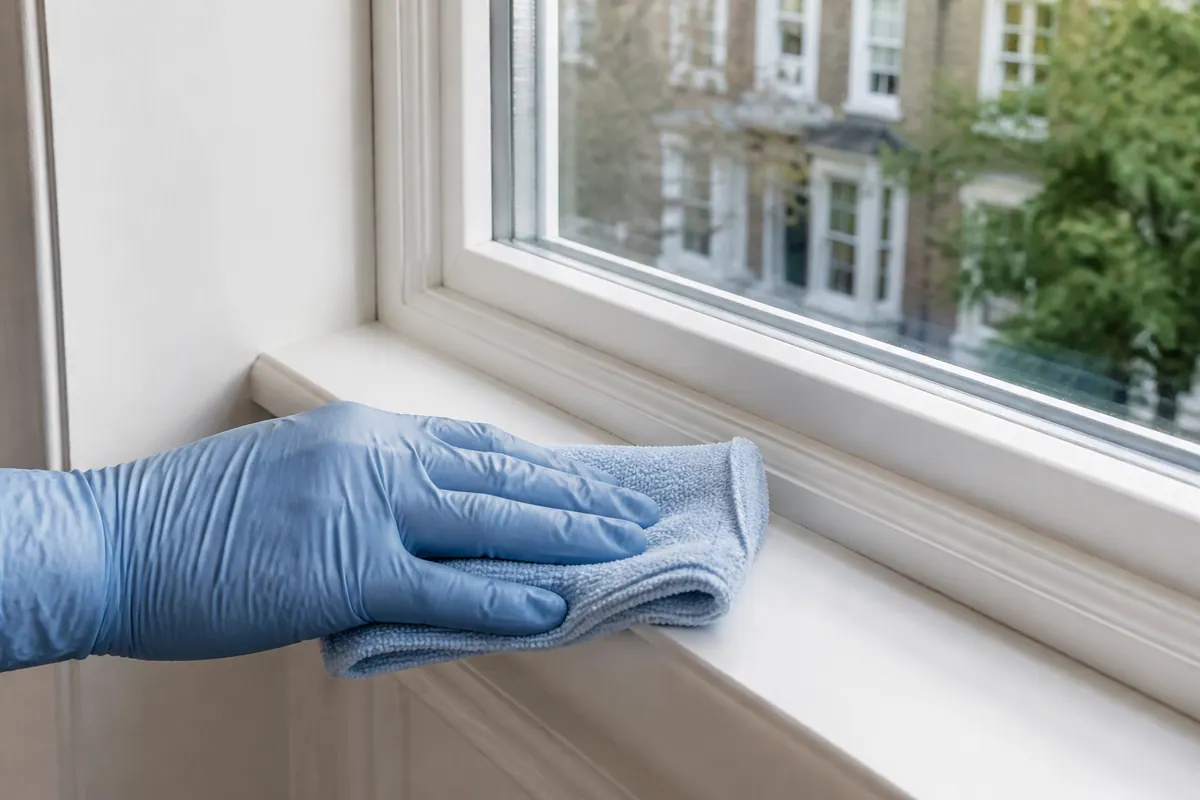
Plaster or paint on glass needs an assessment distinct from dust on the surrounding room. Describe the location of the spots and the glazing condition without assuming a standard window service guarantees their removal.
Identify installation residue separately from general dust on glass. Safe removal and its inclusion must be confirmed.
Ask about the window scope ↗Questions for this project
List the renovated areas and any visible dust beyond them. For this project, dust routes and isolated plaster spots deserves a specific entry rather than an implied inclusion.
The contact should clarify both entry and the affected rooms. Describe any lift, stair or carrying restriction relevant to dust routes and isolated plaster spots.
Identify dry painted surfaces and provide the applicable care notes. An unknown finish should remain a question rather than receive an assumed treatment.
Explain where dust appears outside the original work area. Alesta can discuss that extension without turning dust routes and isolated plaster spots into an unlimited whole-home brief.
Use the advertised £29/hour only as a starting rate. Equipment and materials form part of the service, but the final quote depends on the brief.
Explain any returning trades before arranging the appointment. New deposits after the visit are not automatically covered by the earlier scope.
The contractor’s remaining materials need a different agreement from dust removal. Explain what is left before the visit is planned.
Additional glazing or carpet treatment may be arranged when suitable and available. Name the areas and any unusual residue clearly.
Ask about timing with the full brief rather than selecting a fixed slot from the page. Different fittings and deposits create different workloads.
Where ordinary cleaning is unsuitable for dry painted surfaces, specialist advice may be needed. Complete removal of all building marks is not an assurance.
Leyton / next conversation
Explain what the trades completed and where deposits remain. Add the surface information and next-use plan so Alesta can discuss the appropriate work.
