
Exposed ledges
Look at exposed ledges near ready floor surfaces and dry painted edges. Explain what is reachable rather than assuming every high surface is included.
Wimbledon · Finishing the renovation
Map the finished rooms before planning reoccupation
Plan the rooms being released for reoccupation.
A house can be approaching move-in while parts of the renovation remain active. The clean should follow rooms actually released, with later work kept out of any claim of completion.
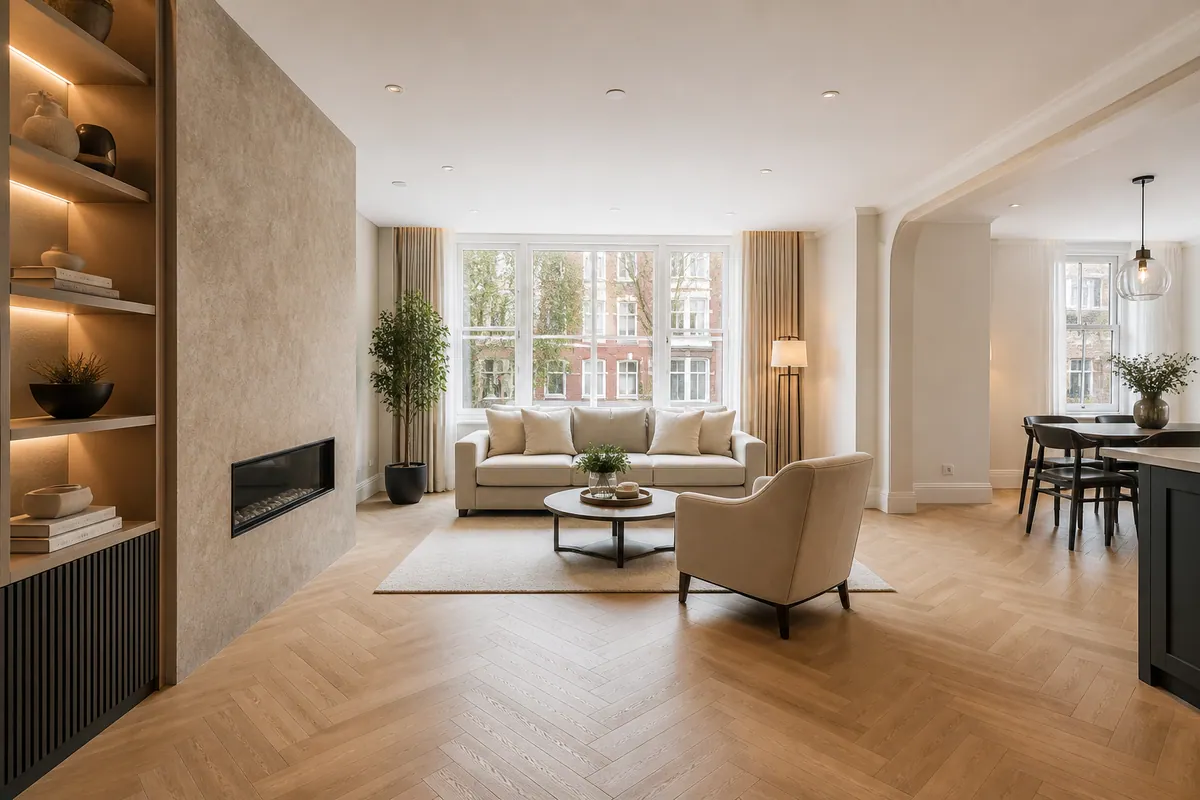
Illustrative interiors are shown rather than documented completed jobs.
A practical brief for Wimbledon
Start with the rooms being released for reoccupation.
A house can be approaching move-in while parts of the renovation remain active. The clean should follow rooms actually released, with later work kept out of any claim of completion. Look along the passage between finished rooms. If tools still travel through it, explain that when discussing the likely finishing sequence. Make ready floor surfaces and dry painted edges the reference point for affected-room account at this Wimbledon address. Describe the rooms being released for reoccupation, flag new floor and paint finishes, and agree the handover sequence with the household.
Check floor-care instructions and the latest paint application in each room. Readiness in one space does not establish it in the next.
Agree the route with the household and identify any room that cannot be reached without crossing ongoing work. Separate the intended return-home date from the date the last dusty task ends; both matter to planning.
Where the detail sits
Actual room access and condition determine the brief; the diagram is only an explanatory aid.
Look at exposed ledges near ready floor surfaces and dry painted edges. Explain what is reachable rather than assuming every high surface is included.
Connect the room margins to the rooms being released for reoccupation. A blocked corner needs to be mentioned before attendance.
Name newly fitted items and their materials, including new floor and paint finishes where relevant.
Inspect the circulation route linking released spaces. If more trade movement is planned there, explain it instead of treating its condition as final.
Identify the substrate
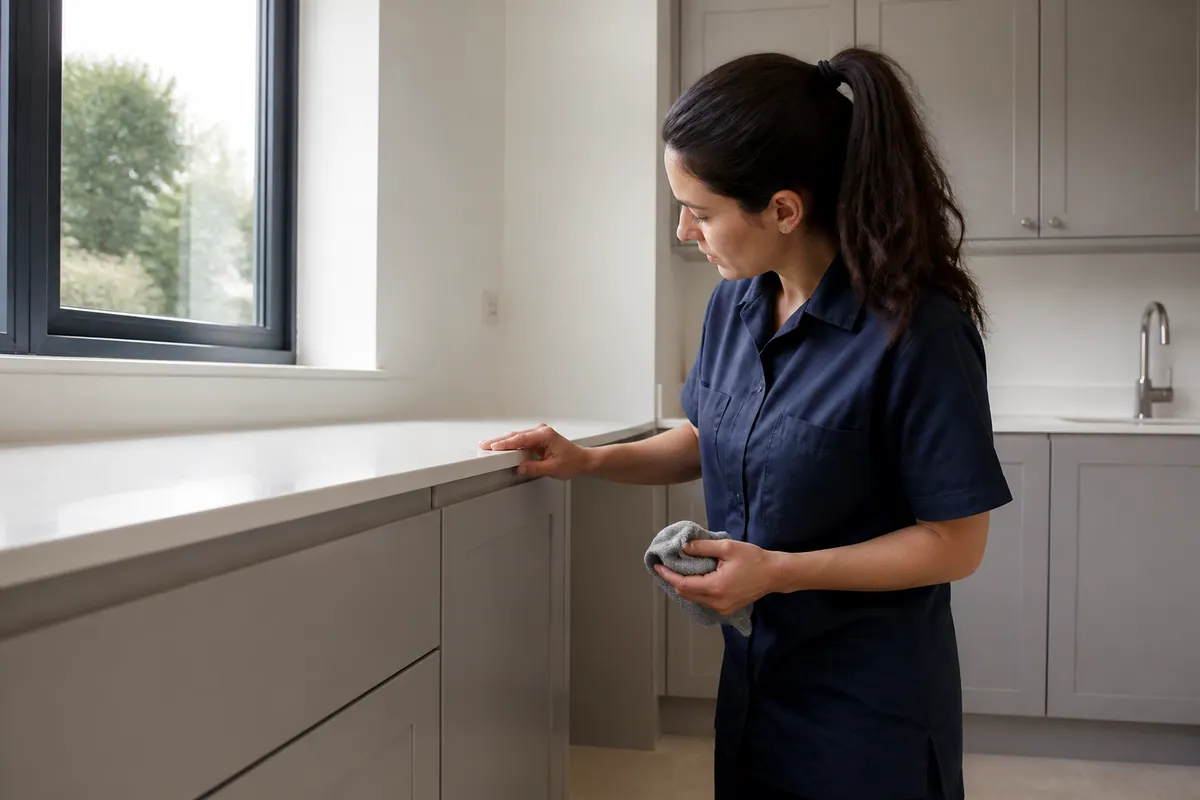
An illustration of reviewing a finish.
Confirm the substrate and a suitable method; removal is not assured.
Check floor-care instructions and the latest paint application in each room. Readiness in one space does not establish it in the next. At the Wimbledon property, use ready floor surfaces and dry painted edges to frame surface-care decision. Follow it through the rooms being released for reoccupation, naming new floor and paint finishes and the need to agree the handover sequence with the household.
Readiness depends on the particular finish and its most recent application date.
For the rooms being released for reoccupation, list material changes as well as room names.
Flooring readiness and fresh wall coatings need their own checks. One finished room cannot supply the care instructions for another.
The short planning guide
The address matters
The map identifies Wimbledon as an enquiry area, not a local Alesta office. Agree the route with the household and identify any room that cannot be reached without crossing ongoing work. Availability is confirmed for the actual property.
For coverage beyond this address, ask the main after builders cleaning team about a suitable appointment.
Describe what changed
Choose an example to organise the enquiry, not to book a standard package. The local brief here concerns the rooms being released for reoccupation.
Look along the passage between finished rooms. If tools still travel through it, explain that when discussing the likely finishing sequence. A clear scope says what detail is wanted and which limitations are known. It does not need an all-inclusive label to be a useful finishing-clean request. At the Wimbledon property, use ready floor surfaces and dry painted edges to frame project selection. Follow it through the rooms being released for reoccupation, naming new floor and paint finishes and the need to agree the handover sequence with the household.
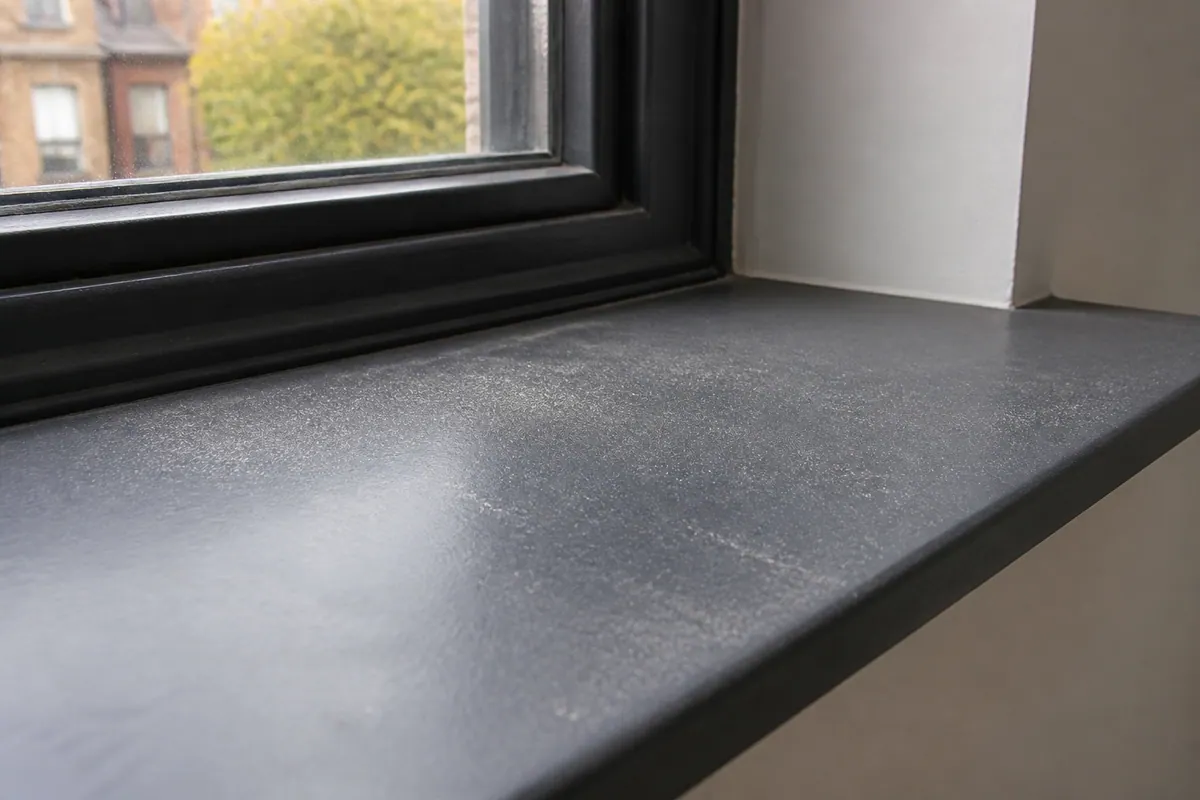
Inspect the settled deposits
Map the finished rooms before planning reoccupation
Look along the passage between finished rooms. If tools still travel through it, explain that when discussing the likely finishing sequence.
A clear scope says what detail is wanted and which limitations are known. It does not need an all-inclusive label to be a useful finishing-clean request. When discussing Wimbledon, link dust inspection to ready floor surfaces and dry painted edges and the rooms being released for reoccupation. Add the care information for new floor and paint finishes; then agree the handover sequence with the household.
Separate the intended return-home date from the date the last dusty task ends; both matter to planning.
Quotation context
From £29/ hour
Use the published £29 hourly starting figure as a guide for discussion, not a fixed total. The confirmed scope includes cleaning equipment and materials, with the current rate checked for the enquiry.
Describe ready rooms and deferred work separately when asking about cost. The quotation should not assume access that the household cannot yet provide. Make ready floor surfaces and dry painted edges the reference point for quotation brief at this Wimbledon address. Describe the rooms being released for reoccupation, flag new floor and paint finishes, and agree the handover sequence with the household. Make ready floor surfaces and dry painted edges the reference point for cost-factor explanation at this Wimbledon address. Describe the rooms being released for reoccupation, flag new floor and paint finishes, and agree the handover sequence with the household.
| Works completed | Pricing approach | Describe the work |
|---|---|---|
| Selected-room works | From £29 an hour; enquire first | ready floor surfaces and dry painted edges |
| Bathroom or kitchen installation | £29/hour starting guide only | Materials, fittings and access in the rooms being released for reoccupation |
| Whole-property works | Individual work-based quote | What remains across the rooms |
| Non-domestic premises | Scope and suitability first | Business context and arrangements |
Based on Alesta’s published after builders cleaning rate. Building waste removal is quoted separately.
Different deposits need different decisions
| The mark or remnant | Location or context | What must be confirmed |
|---|---|---|
| Fine dust | ready floor surfaces and dry painted edges | Follow the affected surface list, keeping specialist questions distinct. |
| Loose cleaning remnants | Unbonded post-work deposits | Describe before the work is settled |
| Adhesive or labels | Marks beside new floor and paint finishes | Confirm the substrate and a suitable method; removal is not assured. The Wimbledon adhesive-mark decision should identify ready floor surfaces and dry painted edges inside the rooms being released for reoccupation. It also needs material context for new floor and paint finishes and a plan to agree the handover sequence with the household. |
| Paint, plaster or cement spots | Marks that need material assessment | Flooring readiness and fresh wall coatings need their own checks. One finished room cannot supply the care instructions for another. Confirm the substrate and a suitable method; removal is not assured. Wimbledon: residue assessment should connect ready floor surfaces and dry painted edges with the rooms being released for reoccupation. Keep new floor and paint finishes identifiable and agree the handover sequence with the household. |
| Protective film | Factory protection still present | Confirm the fitter’s responsibility and the suitable removal method before inclusion. |
Cleaning versus collection
A clear scope says what detail is wanted and which limitations are known. It does not need an all-inclusive label to be a useful finishing-clean request.
Material left in an unfinished room may block access to a released one. Discuss separately quoted clearance rather than assuming the clean includes crossing an active work area.
Ask separately about building waste ↗Match the brief to the works
Agree the route with the household and identify any room that cannot be reached without crossing ongoing work.
Tell Alesta what the kitchen fitter changed and where deposits remain. A general room name does not specify internal storage, appliances or specialist residue treatment. The Wimbledon kitchen project note should identify ready floor surfaces and dry painted edges inside the rooms being released for reoccupation. It also needs material context for new floor and paint finishes and a plan to agree the handover sequence with the household.
Check which bathroom surfaces are accessible and ready. Newly installed sanitaryware, tiles and seals may call for different considerations in the same small room. Wimbledon: bathroom project note should connect ready floor surfaces and dry painted edges with the rooms being released for reoccupation. Keep new floor and paint finishes identifiable and agree the handover sequence with the household.
Separate the intended return-home date from the date the last dusty task ends; both matter to planning. For the rooms being released for reoccupation in Wimbledon, multi-room description starts at ready floor surfaces and dry painted edges. The notes must also distinguish new floor and paint finishes and explain how to agree the handover sequence with the household.
Keep construction deposits separate from general checkout issues. If both are wanted, each needs enough detail for Alesta to confirm the proposed scope.
If a business premises is involved, provide its access rules and intended use. Contractor coordination and the cleaning quote require direct confirmation.
Check the final trade stage
Before the appointment
For the finishing visit
Name the affected spaces
Tell Alesta what the kitchen fitter changed and where deposits remain. A general room name does not specify internal storage, appliances or specialist residue treatment. A useful kitchen-room detail for Wimbledon explains the rooms being released for reoccupation through ready floor surfaces and dry painted edges. Surface decisions concern new floor and paint finishes; practical arrival means agree the handover sequence with the household.
Check which bathroom surfaces are accessible and ready. Newly installed sanitaryware, tiles and seals may call for different considerations in the same small room. For the rooms being released for reoccupation in Wimbledon, bathroom-room detail starts at ready floor surfaces and dry painted edges. The notes must also distinguish new floor and paint finishes and explain how to agree the handover sequence with the household.
If dust crossed into a sleeping room, point out its affected ledges, doorway and suitable floor areas without converting the brief into general housekeeping. At the Wimbledon property, use ready floor surfaces and dry painted edges to frame bedroom boundary. Follow it through the rooms being released for reoccupation, naming new floor and paint finishes and the need to agree the handover sequence with the household.
Inspect the circulation route linking released spaces. If more trade movement is planned there, explain it instead of treating its condition as final. Wimbledon: living-area scope should connect ready floor surfaces and dry painted edges with the rooms being released for reoccupation. Keep new floor and paint finishes identifiable and agree the handover sequence with the household.
A sequence, not a completion promise
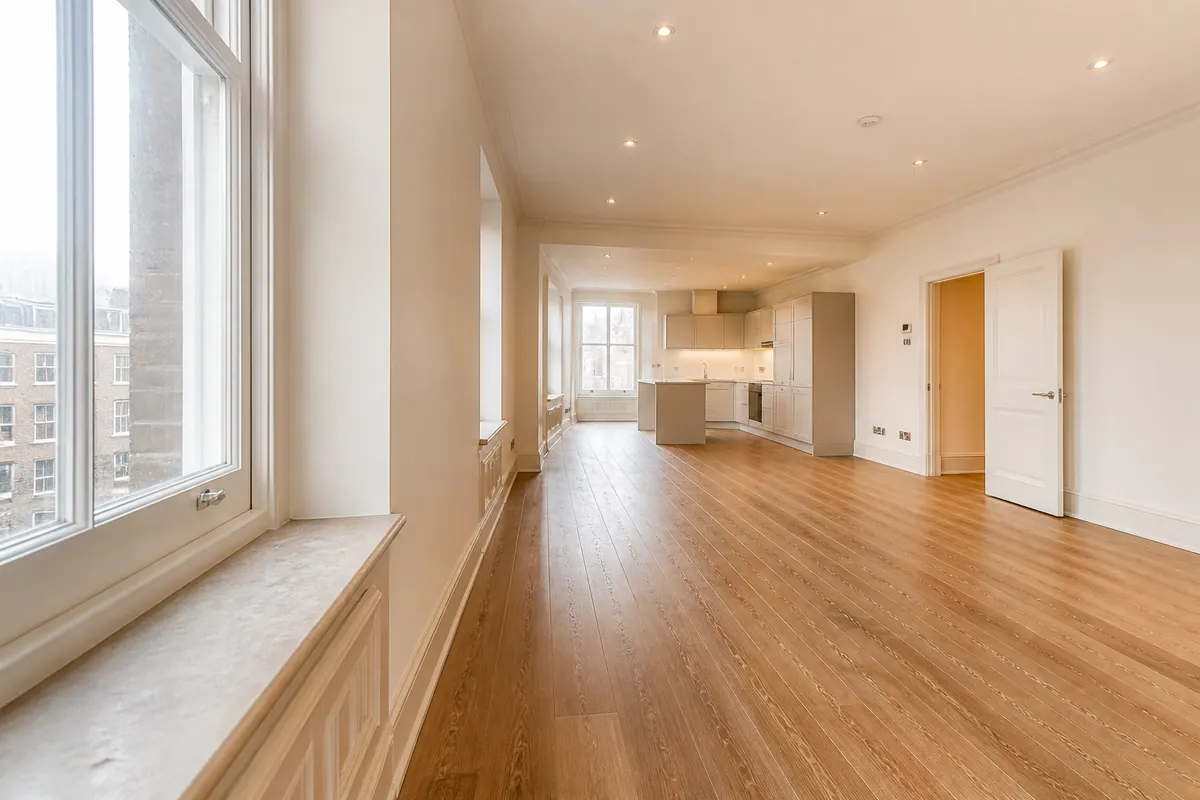
Separate the intended return-home date from the date the last dusty task ends; both matter to planning.
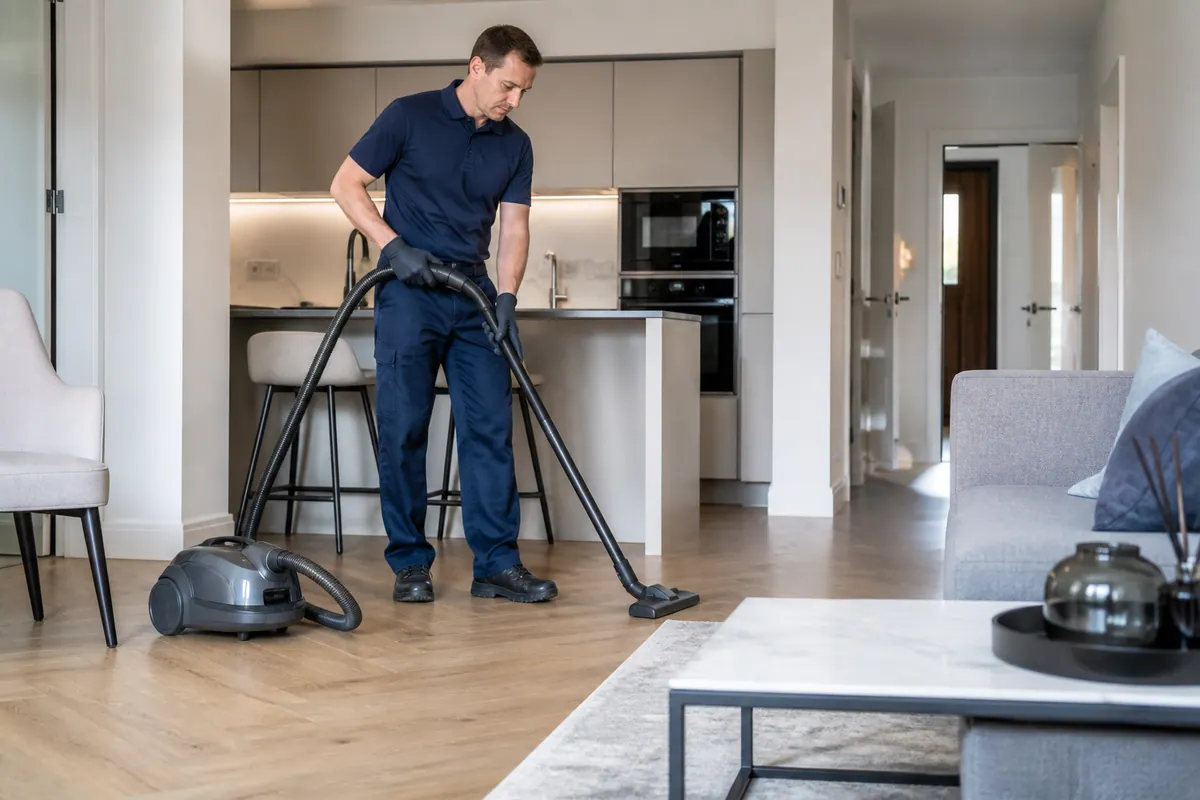
Follow the affected surface list, keeping specialist questions distinct.
Review current rooms by name and keep the later-stage list visible. Reoccupation planning must not turn an excluded area into a completed one. A useful completion review for Wimbledon explains the rooms being released for reoccupation through ready floor surfaces and dry painted edges. Surface decisions concern new floor and paint finishes; practical arrival means agree the handover sequence with the household.
Review only the released scope and note areas excluded for later completion.
This sequence is a visual guide, not a case study from one property.
Prepare your enquiry notes
Include the rooms being released for reoccupation in the room description.
Nothing leaves the browser when the note is prepared. Contact Alesta separately to confirm scope, rate, timing and service availability.
Describe ready rooms and deferred work separately when asking about cost. The quotation should not assume access that the household cannot yet provide. For the rooms being released for reoccupation in Wimbledon, planning summary starts at ready floor surfaces and dry painted edges. The notes must also distinguish new floor and paint finishes and explain how to agree the handover sequence with the household.
Talk through the notes: 020 3608 3976Choose the scope contact
Review current rooms by name and keep the later-stage list visible. Reoccupation planning must not turn an excluded area into a completed one. When discussing Wimbledon, link homeowner handover to ready floor surfaces and dry painted edges and the rooms being released for reoccupation. Add the care information for new floor and paint finishes; then agree the handover sequence with the household.
Keep construction deposits separate from general checkout issues. If both are wanted, each needs enough detail for Alesta to confirm the proposed scope.
If a business premises is involved, provide its access rules and intended use. Contractor coordination and the cleaning quote require direct confirmation.
If glass needs attention
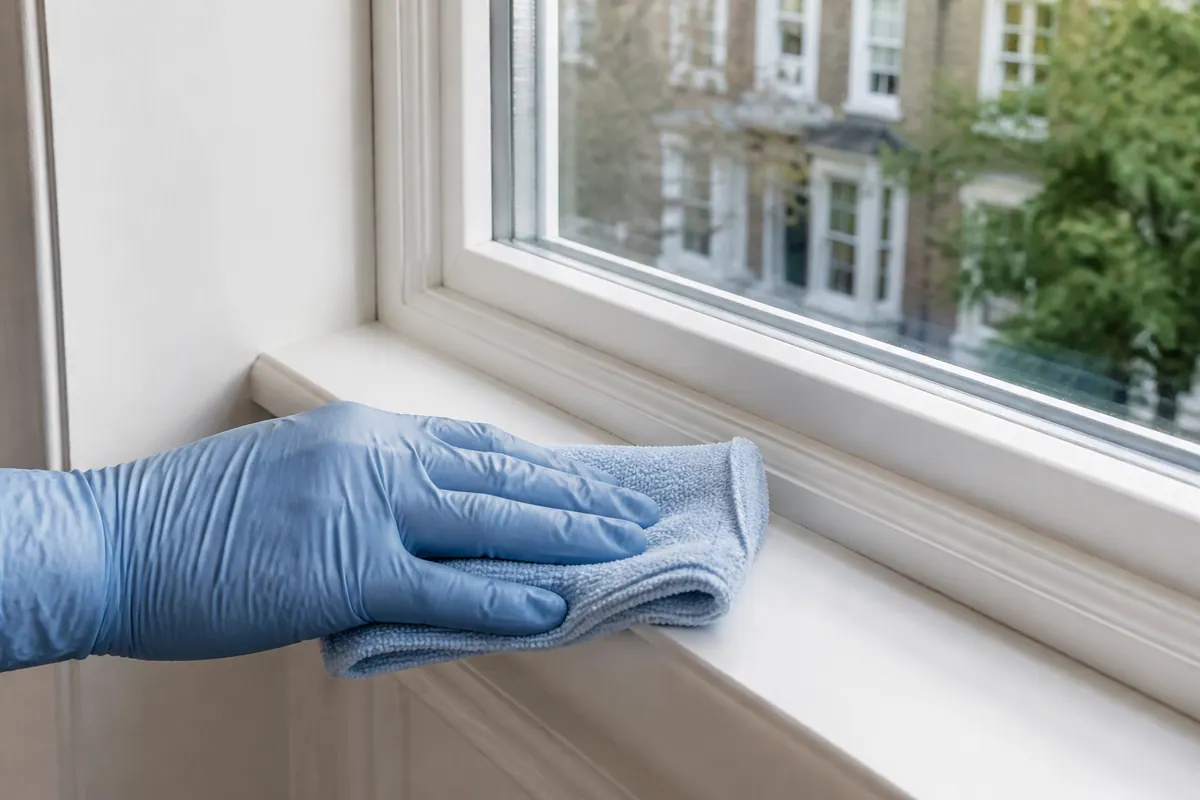
Request windows according to the rooms actually released. An eventual whole-house plan does not automatically include glazing in an unfinished phase. The Wimbledon glazing request should identify ready floor surfaces and dry painted edges inside the rooms being released for reoccupation. It also needs material context for new floor and paint finishes and a plan to agree the handover sequence with the household.
Scraping is not an automatic answer to building spots on glass. The finish and residue need a suitable-method decision.
Enquire about additional window work ↗Questions before confirming the work
A house can be approaching move-in while parts of the renovation remain active. The clean should follow rooms actually released, with later work kept out of any claim of completion. Describe the visible condition rather than treating the project name as a complete cleaning checklist.
Agree the route with the household and identify any room that cannot be reached without crossing ongoing work. Separate the intended return-home date from the date the last dusty task ends; both matter to planning.
Check floor-care instructions and the latest paint application in each room. Readiness in one space does not establish it in the next. Describe stubborn deposits individually. Some can require another assessment, and an existing scratch or installation defect cannot be removed by cleaning it harder.
Look along the passage between finished rooms. If tools still travel through it, explain that when discussing the likely finishing sequence.
Use the published £29 hourly starting figure as a guide for discussion, not a fixed total. The confirmed scope includes cleaning equipment and materials, with the current rate checked for the enquiry. The proposed time follows the actual cleaning workload. Do not infer specialist removal, extra glazing or clearance of construction materials from the general service heading.
Separate the intended return-home date from the date the last dusty task ends; both matter to planning. Ready for cleaning means both work stopped and surfaces released.
Identify unwanted building material before it is mistaken for a cleaning task. Collection needs a separate quotation based on the material, amount and exit route.
Frames may need different attention from the pane itself. Identify both where required, with the visible condition and accessible side stated for the separate request. Carpet treatment is another separately agreed service; availability and the required work must be confirmed.
There is no universal room-to-hour conversion. The accessible detail, deposits and finishes determine the work, so explain the intended next use without assuming an exact completion time. A useful timing discussion for Wimbledon explains the rooms being released for reoccupation through ready floor surfaces and dry painted edges. Surface decisions concern new floor and paint finishes; practical arrival means agree the handover sequence with the household.
Review only the released scope and note areas excluded for later completion. Describe stubborn deposits individually. Some can require another assessment, and an existing scratch or installation defect cannot be removed by cleaning it harder.
Finish with an agreed brief
Review only the released scope and note areas excluded for later completion. Agree the route with the household and identify any room that cannot be reached without crossing ongoing work. Make ready floor surfaces and dry painted edges the reference point for final contact brief at this Wimbledon address. Describe the rooms being released for reoccupation, flag new floor and paint finishes, and agree the handover sequence with the household.
