Visitor names, key release, service entrance and lift rules confirmed
 020 3608 3976
ST JOHN’S WOOD CLEANING SERVICE NAVIGATOR
St John’s Wood cleaning enquiries often involve portered apartments, mansion blocks and substantial period homes where access, security and the care of finishes need early discussion. A concierge may require visitor details, lifts may have booking rules, and tightly controlled parking can affect how equipment reaches the property. This guide helps you distinguish regular domestic upkeep from deep, tenancy, post-work and specialist cleaning. It also shows how to prepare a precise brief, compare quotations fairly and protect artwork, stone, timber or bespoke fittings without asking an ordinary cleaner to undertake conservation work.
Visitor names, key release, service entrance and lift rules confirmed
Clear no-touch areas and material-specific care notes
Regular cleaning with a written room schedule
Share parking, stairs, lift, keys or reception details before the visit.
START WITH THE REASON
The closest match takes you to the relevant Alesta service page. It does not assume every task belongs in a general house-cleaning visit.
SERVICE FINDER · St John’s Wood
This navigator suggests a service page; it does not diagnose damage or produce an instant quote.
WHICH SERVICE FITS?
| What is happening | Service to explore | Reason for the distinction |
|---|---|---|
| A tenancy is ending in St John’s Wood | End of Tenancy Cleaning | Handover work needs a move-out scope |
| Occupied rooms need continued care | Domestic Cleaning | A recurring routine can be agreed |
| The home needs one broader refresh | One-Off Cleaning | Priorities can be handled in a single visit |
| Decoration or building work is complete | After Builders Cleaning | Fine dust and residue change the process |
| Floor fibres or upholstery need treatment | Carpet Cleaning or Sofa Cleaning | Dedicated equipment and material checks apply |
ST JOHN’S WOOD PROPERTY CONTEXT
Decide what the home needs now rather than selecting the longest package. An apartment already kept in good order may need a consistent domestic visit with bathrooms, kitchen surfaces, dust and floors protected each time. A larger home can use a rotation across reception rooms and bedrooms. Accumulated scale, grease or neglected detail needs a separately timed deep clean. A tenancy handover should follow the agreement and inventory after belongings leave, while joinery, decorating or stone work requires an after-builders brief once contractors finish. Give providers the room count, actual condition, materials and ranked priorities. A careful quote may include questions or a viewing; speed alone is not evidence that the scope is understood.
Settle building and household access before the appointment. Ask the porter which entrance, identification, contractor hours, lift and trolley rules apply, and whether keys can be released. Controlled street parking or a short loading window should be described accurately, including carrying distance. In a larger house, say which entrance staff should use and whether security or household employees manage it. Clear hallways and lift lobbies without leaving fire routes obstructed. Identify alarm zones and rooms that remain private. Mark marble, brass, antique timber, silk wall coverings, artwork and recently treated floors, and provide available care notes. A cleaner should not have to infer a valuable finish or move a collection to reach a shelf.
Domestic cleaning has limits even where the household brief is detailed. Routine dusting around art is not conservation, vacuuming a rug is not specialist treatment and wiping accessible glazing does not include high exterior windows. Chandelier cleaning, silver care, heavy furniture movement, extensive mould and pest contamination require separate assessment. Deep cleaning provides more time for safe ordinary work but does not remove those boundaries. A move can combine tenancy, oven and carpet services if each is offered and listed. Following refurbishment, builders should remove waste and confirm curing times before after-builders cleaning. Ask who performs every component, which products are used and how delicate or excluded areas will be recorded for the attending team.
PROPERTY SITUATION → SERVICE
| Property situation | What needs resolving | Service direction |
|---|---|---|
| A portered mansion-block apartment | Visitor names, key release, service entrance and lift rules confirmed | A scheduled recurring or one-off domestic clean |
| A period home with artwork and fine finishes | Clear no-touch areas and material-specific care notes | Domestic or deep cleaning with specialist items excluded |
| A larger apartment with several reception spaces | Core hygiene work protected while formal rooms rotate | Regular cleaning with a written room schedule |
| A managed rental approaching handover | Inventory tasks completed after possessions leave and before inspection | End of tenancy cleaning with extras itemised |
| Rooms after bespoke joinery installation | Fine-dust removal that respects new coatings and hardware | After-builders cleaning after snagging and curing |
WHOLE-PROPERTY OPTIONS
| Decision point | Domestic | One-Off | End of Tenancy |
|---|---|---|---|
| Purpose in St John’s Wood | Maintain an occupied home | Complete one prioritised refresh | Prepare around a rental handover |
| Timing | Repeating visits | Single appointment | Usually linked to a move |
| Scope | Agreed household routine | Rooms ordered by need | Property and handover requirements |
| Specialist items | Booked separately | Added only when confirmed | Quoted where relevant |
ROOM NAVIGATOR · St John’s Wood
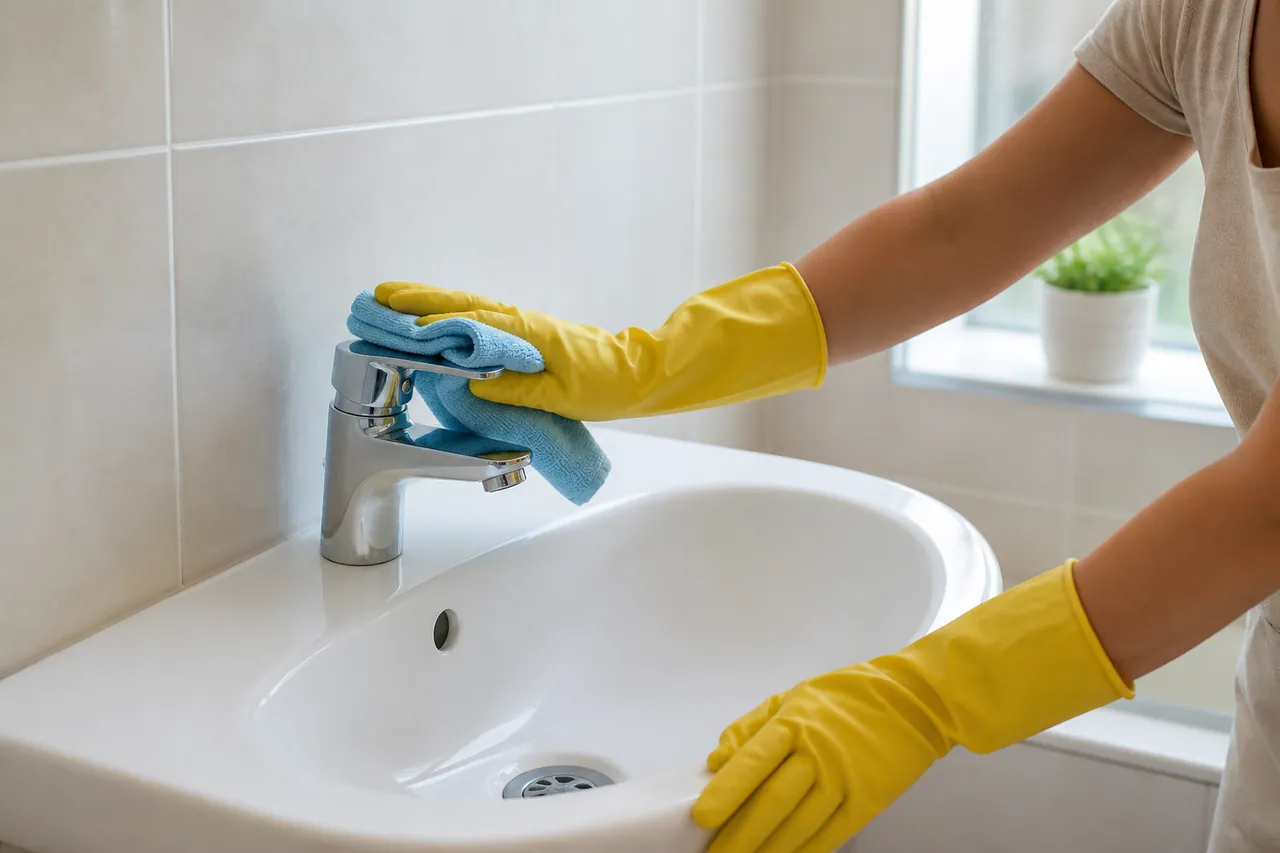
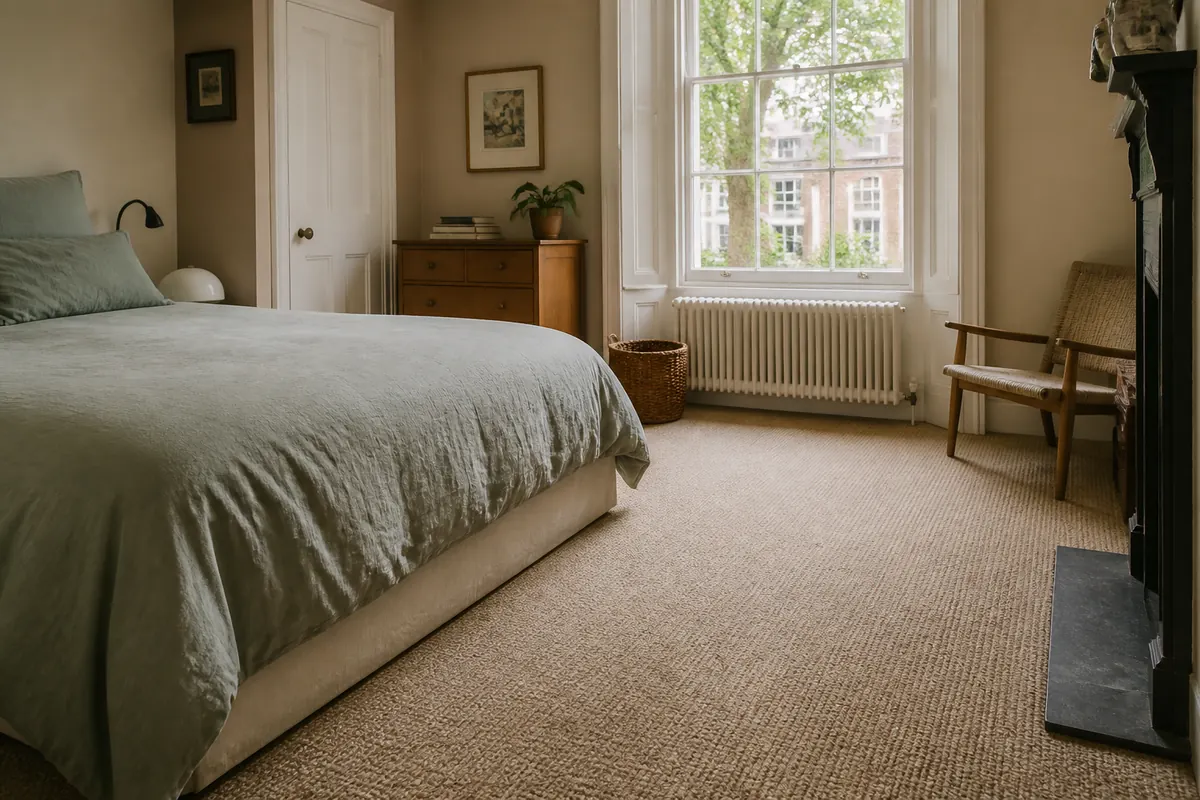
A kitchen may need routine care, a one-off reset, oven work or post-renovation cleaning. State the condition and objective rather than selecting from the room name alone.
GENERAL OR SPECIALIST?
Extraction, upholstery care, appliance detailing, mould work and post-build residue use different methods. Naming them early allows the correct quotation and team to be considered.
| Need | General visit | Dedicated route |
|---|---|---|
| Reachable surfaces and household floors | Usually within an agreed room scope | Not normally required |
| Carpet extraction in St John’s Wood | Not included | Carpet Cleaning |
| Upholstery treatment | Not included | Sofa Cleaning |
| Detailed oven interior | Not included automatically | Oven Cleaning |
| Visible mould | Not ordinary bathroom cleaning | Mould Removal |
| Construction dust or residue | Not standard upkeep | After Builders Cleaning |
PRICING LOGIC · St John’s Wood
For a St John’s Wood quote, include the property type, floor, rooms, bathrooms, condition and any finishes that constrain product choice. Explain porter hours, visitor registration, service lifts, key collection, lawful loading and the route for equipment. In a staffed house, name the person authorised to provide instructions and approve changes. Ask whether the price is hourly or fixed, how many labour hours it represents and whether products, equipment, parking and VAT are included. List ovens, carpets, upholstery, internal glass or post-work cleaning separately. A written scope should also identify artwork, specialist surfaces and inaccessible high areas that will not be touched.
The current Alesta general guide starts regular household cleaning from £20 per hour and a one-off priority clean from £90. Confirm the final figure and inclusions before booking.
| Service | Pricing basis | Information that changes it |
|---|---|---|
| Domestic | Time and frequency | Hours, routine, supplies and property |
| One-Off | Time and selected scope | Condition, rooms and priorities |
| End of Tenancy | Property handover scope | Size, condition and requested extras |
| Carpet or sofa | Area or item | Material, size, soil and access |
| Oven | Appliance type | Size and configuration |
| Windows | Glazing and access | Count, faces, height and safe reach |
COMBINING SERVICES
Coordination is possible where teams and equipment are available, but each specialist task keeps its own scope and quotation.
| Main visit | Additional route | When to mention it |
|---|---|---|
| End of Tenancy Cleaning | Carpet Cleaning | Fitted flooring needs treatment before handover |
| One-Off Cleaning | Oven Cleaning | The home and appliance both need detailed work |
| Sofa Cleaning | Carpet Cleaning | Upholstery and flooring need compatible planning |
| After Builders Cleaning | Window Cleaning | Completed work has affected glazing |
BEFORE REQUESTING A ST JOHN’S WOOD QUOTE
Register the cleaner and confirm the correct entrance, lift and key procedure with building staff. Clear the route without storing items in communal areas, and put away jewellery, documents, medicines and small valuables. Remove fragile objects from priority surfaces yourself and identify everything that should not be moved or touched. Give care instructions for stone, timber, metal and newly treated finishes. Secure pets before shared doors open. If household staff will supervise, provide one agreed checklist and one decision-maker. Test alarm instructions and make sure the provider knows how keys are returned after departure.
Type, room count, occupancy and floor level.
Recurring care, a single reset, moving or completed work.
Carpets, upholstery, ovens, windows or mould listed separately.
Keys, lift, concierge, parking and the preferred appointment window.
PRACTICAL ANSWERS · ST JOHN’S WOOD
Only if the building’s policy and the porter’s duties allow it. A concierge may provide entry or release an authorised key without taking responsibility for the work inside your home. Confirm arrangements directly, give the provider their own clear brief and nominate a reachable contact. Do not expect reception staff to approve extra tasks, inspect results or manage household valuables.
Name the room and object clearly, photograph its position if useful and state whether the cleaner should work around it or skip the entire surface. Remove small portable valuables yourself. Share the list with the booking contact and attending team, not only reception. A concise written exclusion is safer than expecting someone to recognise which object is valuable or fragile.
It should not be assumed. Height, fragility, electrical fittings, crystals and safe access all require assessment. A domestic cleaner may dust a simple reachable fitting from floor level if agreed, but should not climb furniture or dismantle components. Valuable or high chandeliers need an appropriately insured specialist following safe isolation and the maker’s or conservator’s care requirements.
Ask management. Some buildings permit routine visitors to use it freely; others require a reservation, protective coverings, identification or a specific access route. Provide the cleaner with the confirmed procedure and enough time for sign-in. If the service lift is unavailable, do not assume the passenger lift or stairs are acceptable alternatives for equipment without checking first.
Identify the stone and any sealant if known, plus products prohibited by the installer. Acidic descalers can etch marble, so limescale cannot be approached like ordinary ceramic tile. Show existing dull patches, chips or staining before work begins. Ask for a stone-safe maintenance method, and refer polishing, stain removal or resealing to a suitable specialist.
Not as an automatic task. Different metals, plating, lacquer and patina require different methods, and valuable pieces may need specialist care. Ordinary cleaning can work around them or lightly dust only as agreed. If polishing is requested, identify each item, obtain the owner’s permission and confirm suitable products; otherwise remove portable pieces from the working surface.
Choose one authorised person to hand over the same written priorities, exclusions and security instructions agreed at booking. Clarify who can approve extra time or change room access. Avoid separate verbal lists from several staff members. The cleaner should know where equipment may be placed, which entrance to use and whom to contact if an instruction conflicts with the written scope.
Only if their use and dust levels justify it within the available hours. Many households protect kitchens, bathrooms and occupied rooms every time and rotate formal dining or reception spaces. Agree how often floors, reachable surfaces and internal glass need attention. A documented rotation prevents an unused room from consuming time needed in spaces used daily while keeping it presentable.
Do not expect it. Weight, weak joints, floor protection and uncertain construction make movement risky. Arrange specialist movers or have authorised household staff reposition the piece before cleaning if access beneath it is essential. The cleaner can work around accessible edges and should record the exclusion. Never use an antique chair or table as access equipment for another task.
Ask for evidence of relevant public liability cover and whether employees, subcontractors and key loss are covered where applicable. Building management may set its own contractor requirements, so obtain those before booking. Check dates and limits rather than relying on a general statement. Insurance supports, but does not replace, careful key handling, material notes and secure visitor procedures.
Use a clear written scope and nominate a trusted local contact who can inspect promptly, or request agreed completion photographs that avoid personal and security information. State the deadline for reporting concerns in advance. Reception can confirm departure but may not inspect. Keep maintenance defects separate from cleaning omissions and ensure nobody enters to unpack or work before the review.
Yes, where the provider accepts the contents and scope, but furniture adds access, dusting and care questions. Send the inventory, identify valuable or specialist items and remove personal possessions. Ask what can be moved, what remains untouched and whether upholstery treatment is separate. Cleaning cannot correct scratches, sun fading, worn finishes or damage recorded during the tenancy.
COMPACT LOCAL VIEW
NEARBY AREAS
Describe the property, reason for the visit, priority rooms and any specialist items before requesting a quote.
Call 020 3608 3976