
Agreed everyday work
- The accessible sink and kitchen surfaces
- Included sanitaryware and bathroom tasks
- Dusting where furniture is ready
- Vacuuming the planned room route
- Suitable cleaning for each floor
Highgate / Choose the level that matters first
Make the route through the home deliberate.
Rooms spread across levels need a clear priority order. Tell us where the everyday activity is, prepare the carrying route, and agree the included spaces before deciding how the visit should move through the home.
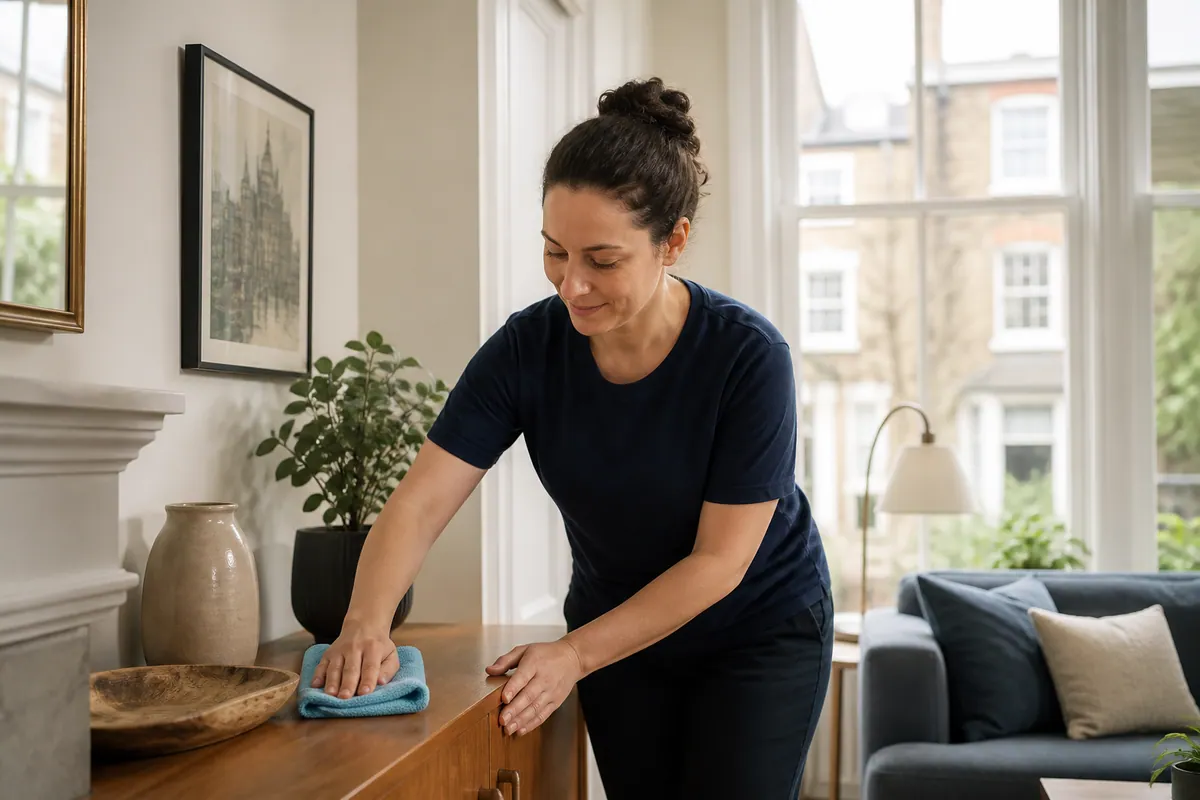
Kitchen · Bathroom
Living areas · Bedrooms
A list with useful boundaries
The point of regular upkeep is lost if optional work repeatedly displaces the kitchen or sanitaryware. Agree the dependable room tasks first, then consider a limited detail list.
An extra ledge, switch or section of skirting still requires time. Raise additions early so the team can explain what fits and what needs another arrangement.
Highgate / a household scenario
Make the route through the home deliberate.
Beginning upstairs is not automatically the useful choice. A heavily used kitchen or an available bathroom may have a stronger claim on the start of a visit, depending on the agreed brief.
For Highgate, explain the layout in practical terms. Which spaces are included, which are occupied and how they are reached matter more than a broad property description.
Stairs and landings should not require the cleaner to reorganise storage before getting to work. Move belongings safely in advance and identify any constraint that remains.
Review the sequence after the first booking. A recurring route should support the core tasks, with additional details discussed rather than scattered across every level by default.
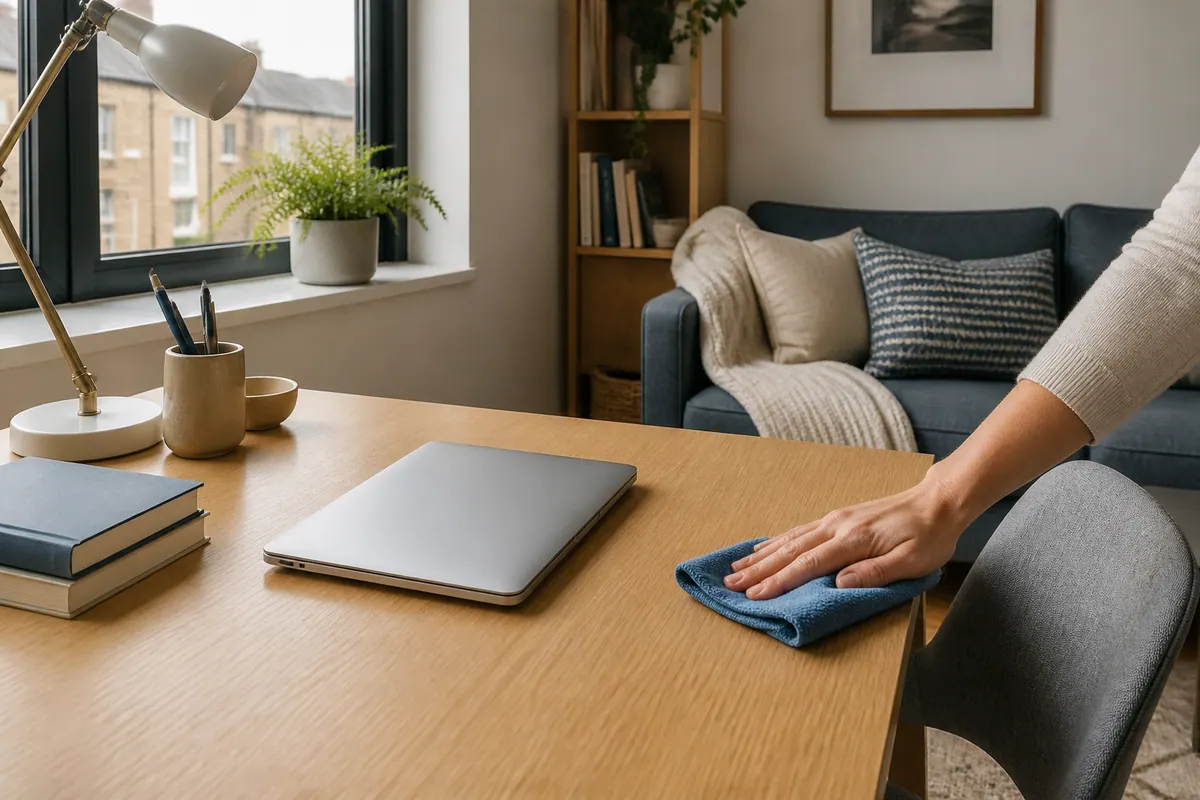
Finding the useful interval
Weekly and fortnightly are options to discuss, not measures of how well a household keeps its home. Look at room use, starting condition and the tasks building up between visits.
| Planning point | Weekly | Fortnightly |
|---|---|---|
| Best suited for | More frequent attention to heavily used spaces | A wider interval for homes with periodic upkeep needs |
| Core focus | Maintain the named core on a shorter cycle | Review what has built up over the longer gap |
| Priority planning | Repeat a defined set of essential tasks | Choose the most useful tasks from the accumulated list |
| Visit scope | Confirm the rooms and time first | Confirm the rooms and time first |
The initial clean may need a different amount of time from recurring upkeep. Explain what has accumulated and what matters first; the eventual maintenance list is not a promise to resolve every starting task.
Once the core work is established, retain it as a clear reference. New occupants, more rooms or a changed condition should prompt a fresh discussion rather than an assumed extension.
Beyond the household list
Some requests change the equipment, access or process involved. Raise those separately, including heavy lifting, high-level work and restoring damaged or worn materials.
Vacuuming can form part of domestic upkeep; extraction requires another agreed service.
Cleaning an oven’s outside is not a substitute for arranging its internal cleaning.
A mould problem should not be folded into the ordinary bathroom or wall list.
Outdoor-facing glass needs a separate access and cleaning scope.
Building-work dust and residue require a different brief from lived-in household maintenance.
Where condition calls for intensive work, discuss a one-off arrangement before planning ongoing upkeep.
A guide, not an all-in promise
Regular and first-visit starting rates refer to different domestic arrangements. The team confirms your scope, minimum booking and supplies before the price is settled.
| Service | Price | Main factors |
|---|---|---|
| Regular domestic cleaning | From £20/hour | Visit minimum, household size, interval, products and address logistics |
| First / one-off domestic visit | From £90 | Condition and room list, with the time needed for initial priorities |
| Specialist / intensive scope | Quoted separately | Specialist process, heavy soiling, equipment or high-level access |
Time and frequency matter alongside the home’s size, current condition and accessibility. Describe parking, product needs and additional work so the quotation reflects the intended visit rather than an assumed standard package.
Follow the room list
Select a space below, then consider what will be accessible there. The final agreement still determines the rooms, priorities and duration; these tabs do not add work to a booking.
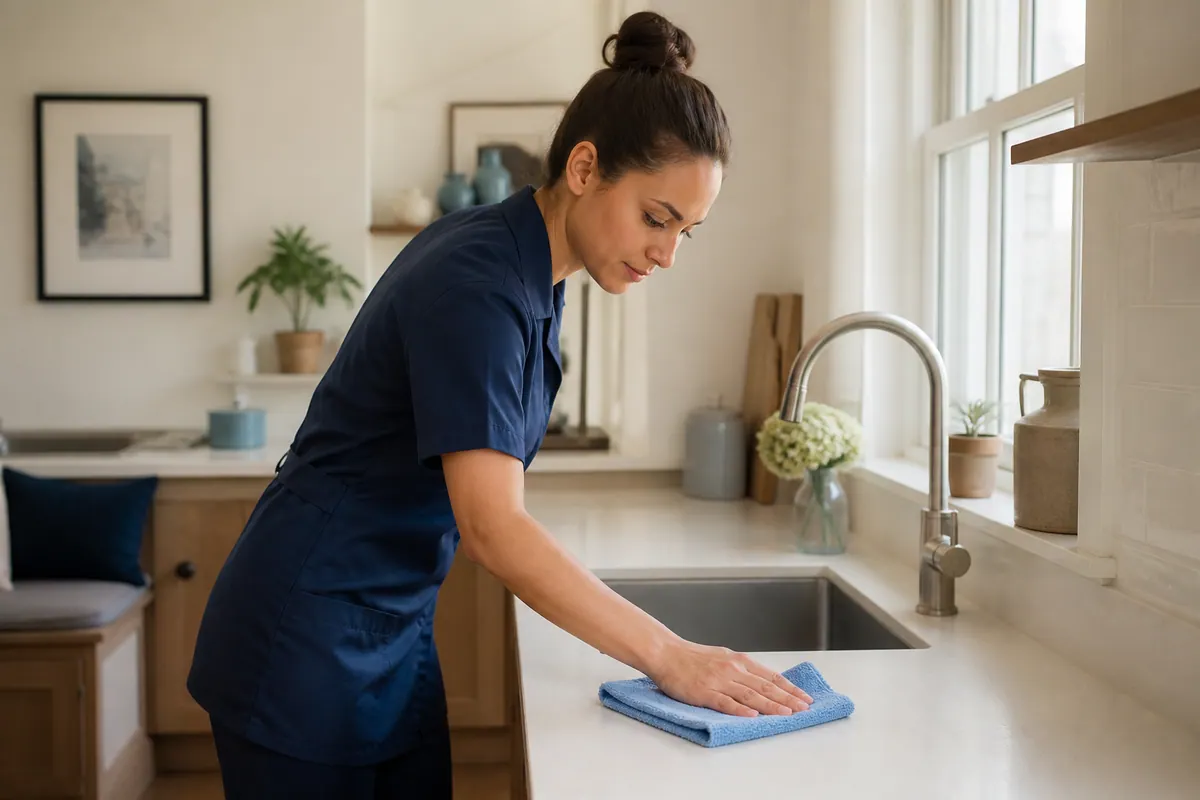
Kitchen
Worktops and sinks lead the accessible kitchen brief, with splashbacks, cupboard fronts and appliance exteriors included where agreed. The request is about working surfaces, not every hidden interior.
Clear food and personal belongings first. An internal oven service needs separate agreement.
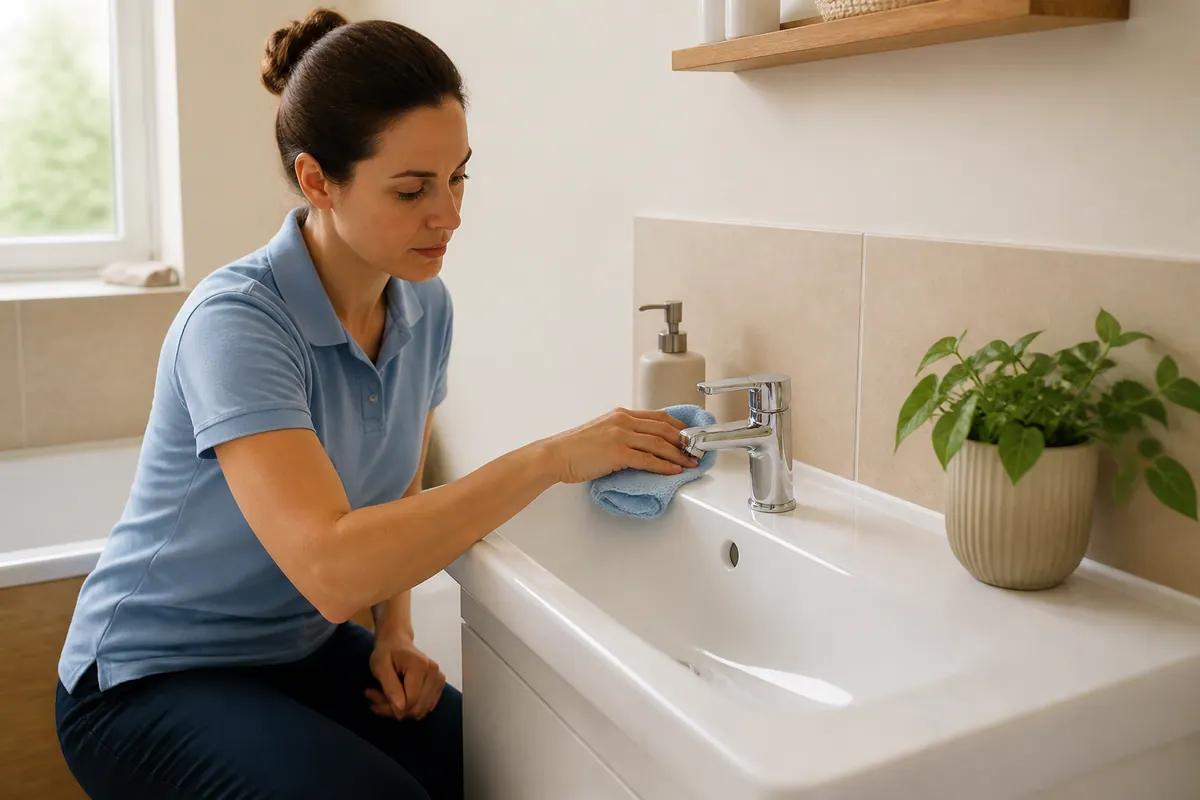
Bathroom
The bathroom brief can bring together mirrors, taps, showers, sanitaryware and reachable tiles. Share material instructions where ordinary assumptions would be unreliable.
Flag stone or damaged seals before the cleaner selects products for the area.
Living areas
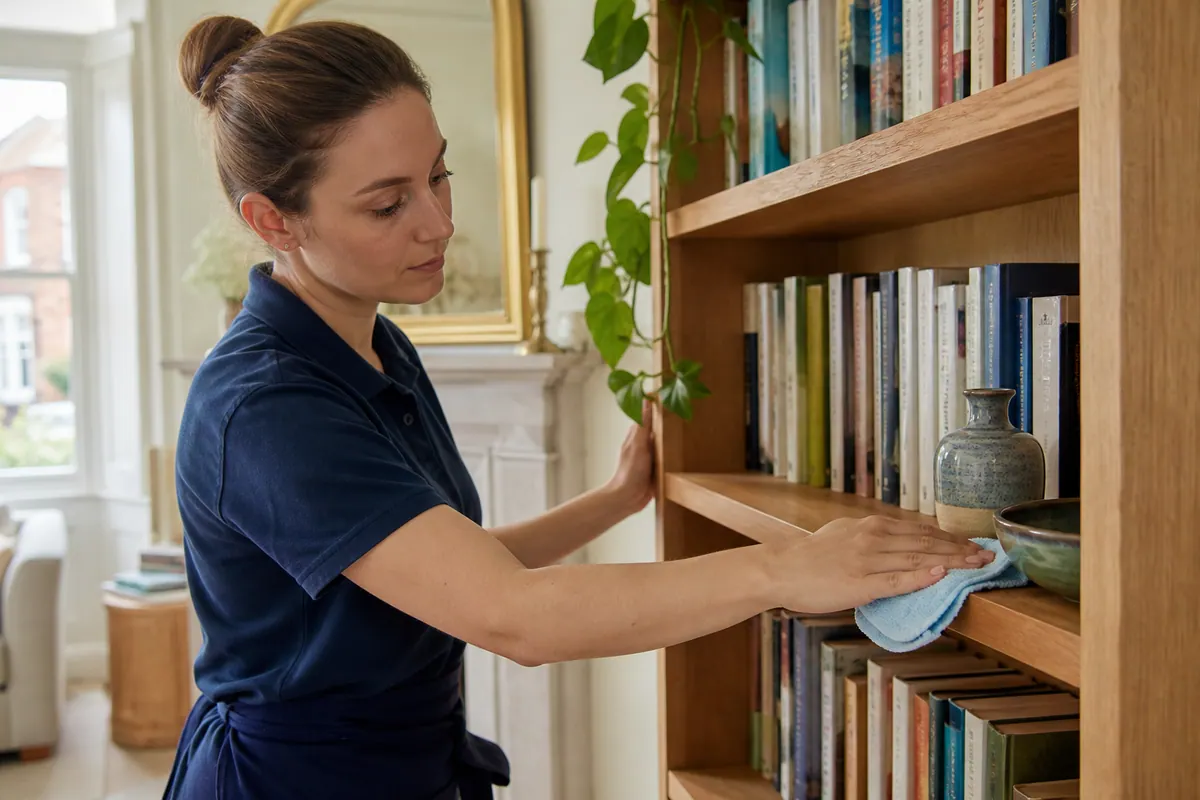
Living areas need clear furniture surfaces and a usable floor route. The domestic scope combines dusting with vacuuming and compatible floor maintenance through the included area.
Personal collections should be prepared by the household, not rearranged to create access on arrival.
Bedrooms
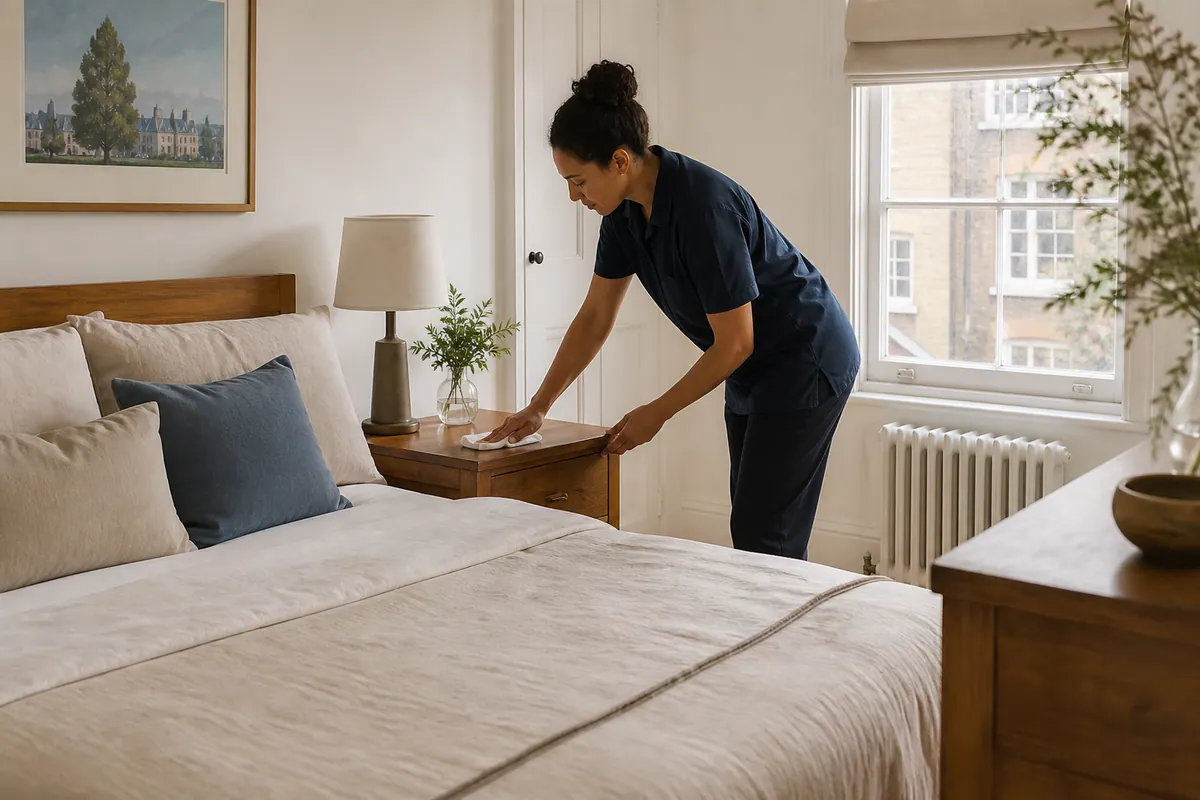
Specify included bedrooms and the accessible furniture and floor areas in each. Routine care does not authorise sorting belongings or opening personal storage.
Keep medication protected and identify private or unused bedrooms that are not part of the visit.
People, pets and room use
Describe the actual arrangements rather than selecting a label and assuming the rest. The team still confirms scope, time and availability for your home.
A working household can identify the rooms needing care and arrange an unattended handover if suitable. Availability must be checked rather than inferred from a preferred day.
Family routines often change during the week. Explain what will be cleared and which essential rooms should retain priority when extra requests arise.
Pets need an agreed place during the work. Share door instructions and excluded areas so access is not left uncertain.
A workstation may occupy part of another room. Identify its boundary, prepare the equipment and discuss when the area can be released.
Rental upkeep is about the household living there now. Keep any later tenancy handback task separate and confirm the contact authorised to change the list.
If a manager coordinates the booking, establish how current instructions are passed on. The room list and keys should not depend on conflicting messages.
Put the household choices in order
Select the arrangement you would like to explore. The tool is only an outline: pricing and appointment availability require a separate, confirmed discussion.
Methods follow materials
Do not rely on one product being suitable throughout the property. Tell the team about finishes, available instructions and damaged areas so routine care has a clear boundary.
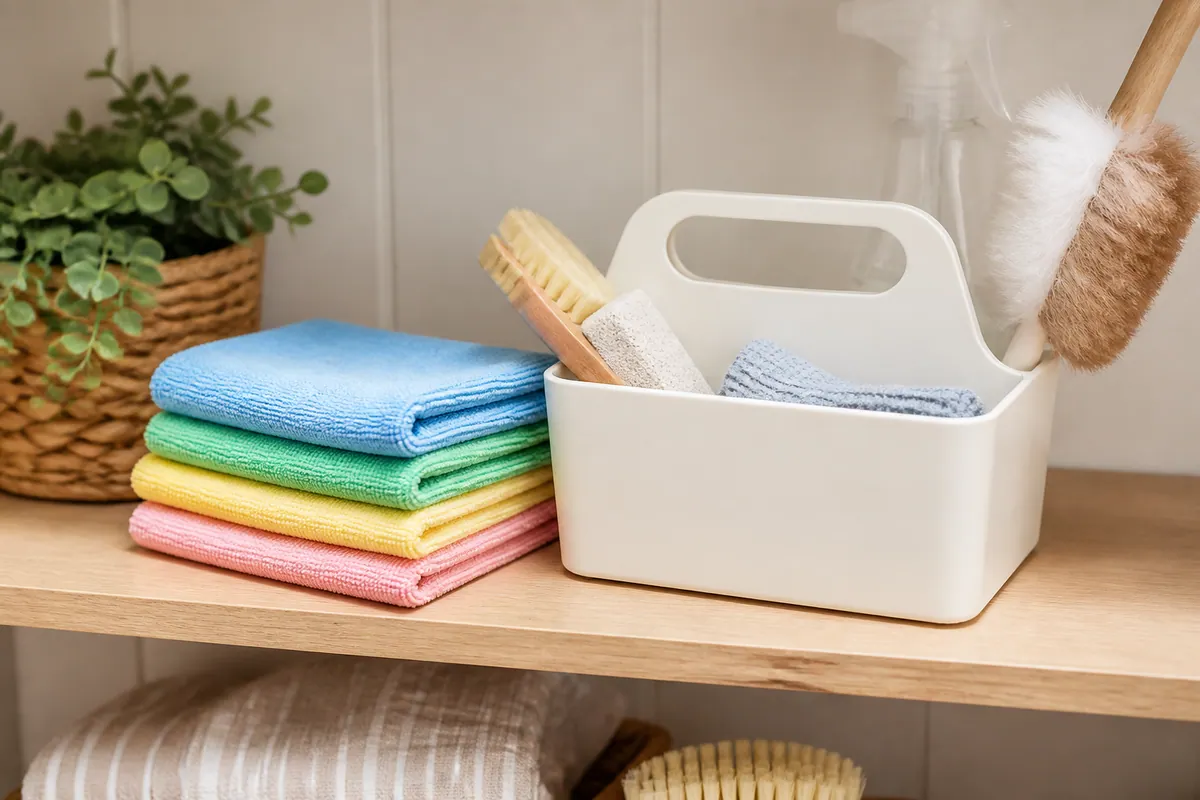
A stone surface should come with whatever care information you already have.
Describe whether you know the wood finish; do not assume all timber tolerates the same treatment.
Delicate lacquer needs to be identified, especially where furniture appears similar to other finishes.
Specify the exterior steel surface included rather than requesting an undefined appliance clean.
Existing paint damage is important information; ordinary upkeep cannot restore a coating.
Answers before the enquiry
Priorities that can be explained
The controls let you reorder the sample tasks for discussion. They do not send instructions to a booked cleaner or confirm that additional work fits the visit.
The steps behind recurring care
Start with the rooms, their condition and practical household circumstances such as pets or an active office.
Identify the preferred rhythm and tasks that make the visit useful; confirm availability with the team.
Agree what supplies are needed and how the cleaner will arrive, enter and leave.
Work stays focused on the included domestic tasks, with methods appropriate to the material.
Review completed priorities and separate anything requiring repair, specialist work or additional time.
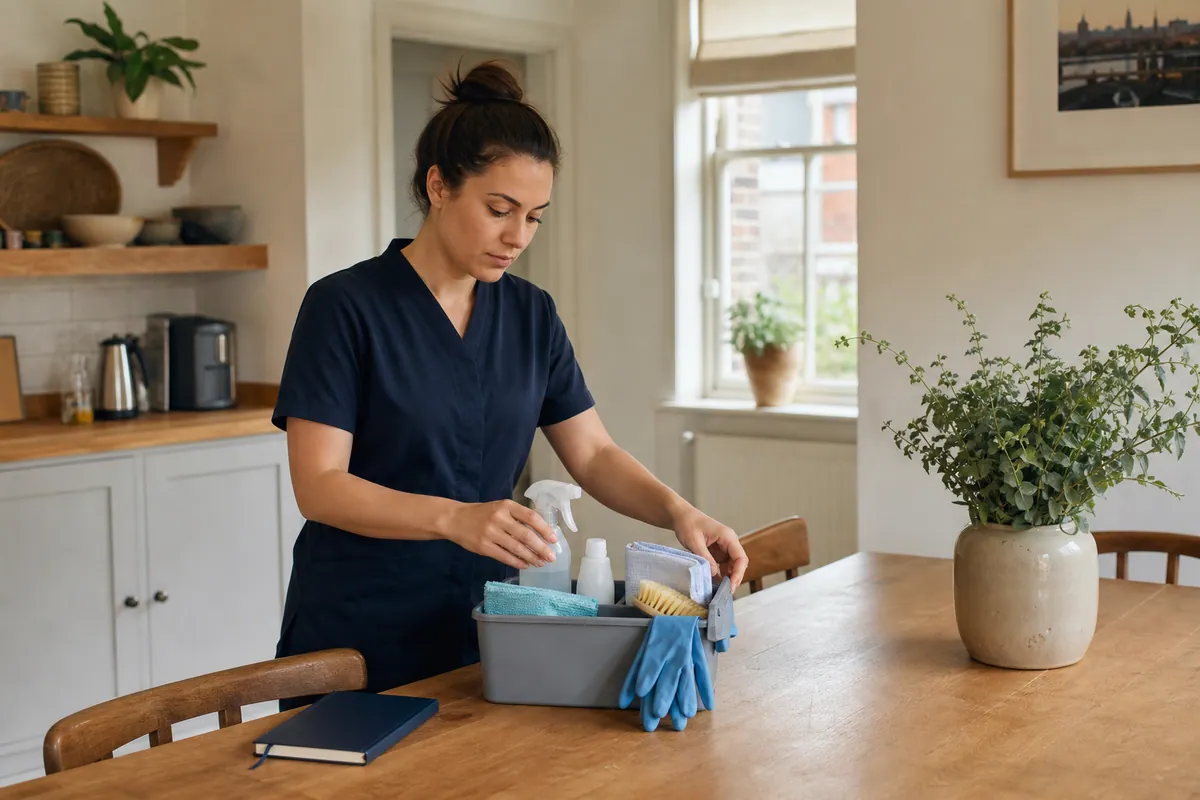
A clear starting instruction.
Care through the selected room route.
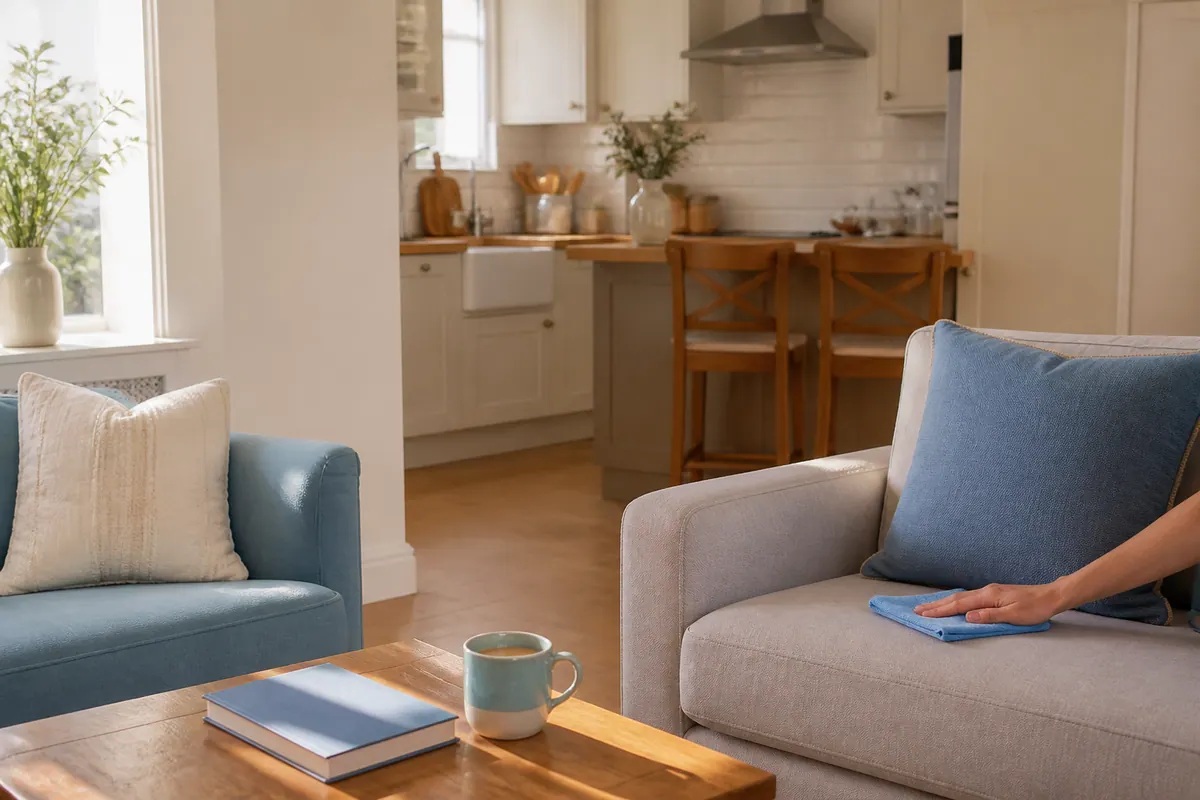
Useful information for the next booking.
Visual examples of home care only, not a before-and-after customer case study.
Getting the practical details right
A key arrangement needs a handover and a return plan, shared privately with the team.
Where a concierge is involved, verify the building process before promising access through reception.
Pass on the relevant alarm steps directly so entry and departure are both considered.
Explain where the pet will be settled and any doors that must remain shut.
Give a precise room or time restriction for home working, not just a general warning.
Include known vehicle-access or loading limits in the enquiry.
Identify areas not to enter and belongings not to handle before cleaning begins.
Clarity about rooms, products and arrival removes avoidable uncertainty. Keep specialist requests separate and ask the team to explain any boundary you are unsure about.
Details beyond the room list
There is no automatic starting level. Explain room use, availability and priorities so the proposed sequence can be discussed; a ready, heavily used space may matter more than following a fixed top-to-bottom assumption.
Put household storage out of the way and identify any constraint that remains. Reaching the agreed rooms should not depend on unplanned lifting or rearranging possessions as part of the domestic visit.
It is the published starting rate, not a total for an unspecified home. Confirm the minimum visit, frequency, supplies and access so the quotation corresponds to the work being arranged.
Household use can change, so the frequency can be reviewed. Describe what is happening between visits and discuss a suitable weekly or fortnightly arrangement, with timing subject to availability.
Yes, but communicate the change early when possible. Keep essential maintenance visible and ask whether the revised work calls for more time or a different service rather than silently expanding the brief.
A first or one-off domestic visit starts from £90, while regular care has an hourly starting rate. The initial condition may call for more time and a different agreed list from later maintenance.
Yes, including any known wear and existing care guidance. Routine cleaning is not restoration, and the product or moisture suitable for one finish may be wrong for another.
Give the actual boundaries: where the pet stays, which doors matter or when a workspace is free. These details make a proposed room sequence clearer than a broad note about being home.
No. Detailed oven work, extraction and other specialist processes remain separate, as do high access, restoration or heavy lifting. The agreed room list defines accessible domestic maintenance, not unlimited work.
Contact the team with the plan you want to discuss, including postcode and access. The page does not transmit a reservation, calculate the final price or confirm appointment availability.
Highgate / enquiry area
When asking about Highgate, include the postcode together with room use and access details. A suitable scope and schedule are discussed directly rather than assumed from a location page.
For the wider service scope, see Domestic Cleaning, or ask the team about your address.
The area map
The map can help orient the access conversation; it does not confirm coverage or timing.
Open map in a new tabHighgate / the next conversation
Tell us about the rooms in your Highgate home, their condition and the routine you want to arrange. Set a useful room route: share your preferred frequency and access details directly with the team.
