
The recurring room tasks
- Sink and accessible kitchen work areas
- The bathroom tasks expressly agreed
- Reachable furniture dusting
- Vacuuming in the included spaces
- Floor care suited to the finish
Swiss Cottage / Settle the building entrance before the room list begins
Make arrival part of a practical apartment routine.
An entry system or lift arrangement can affect how the cleaner reaches your home. Confirm the route and any equipment-carrying constraint, then agree the accessible rooms and everyday tasks inside the apartment.
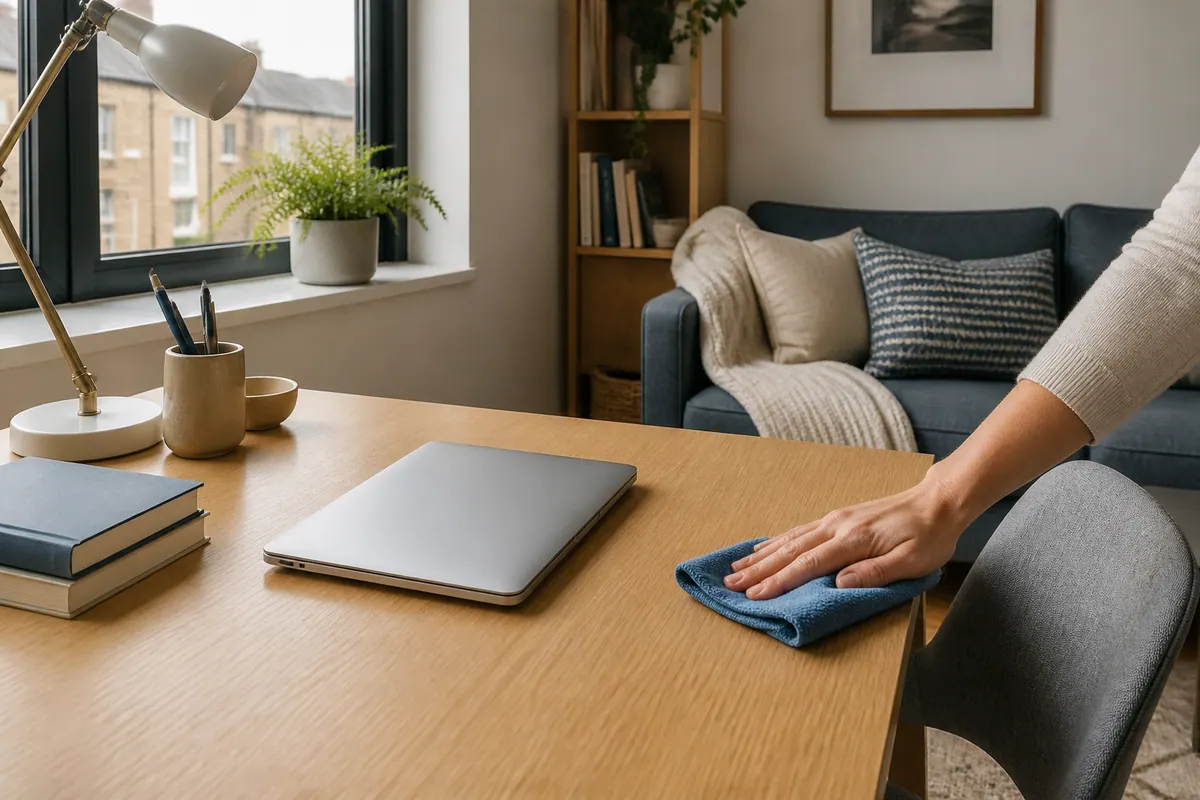
Kitchen · Bathroom
Living areas · Bedrooms
Make the first conversation easier
The planner groups your household choices into an outline. Select what fits, then confirm the practical scope directly; no appointment or final quote is created by the controls.
Swiss Cottage / a household scenario
Make arrival part of a practical apartment routine.
A confirmed address is not always a complete arrival plan. Describe how the visitor reaches your door, including any authorised handover or building procedure that applies.
For Swiss Cottage, share the details you actually know rather than assuming a concierge or lift will be available. The arrangement should be settled directly with the team.
Inside the home, keep the recurring list focused on use. The kitchen, bathrooms, reachable furniture and floors still need a realistic amount of time after access is considered.
If access changes between visits, update the instructions. A working routine depends on current information rather than repeating a route that no longer applies.
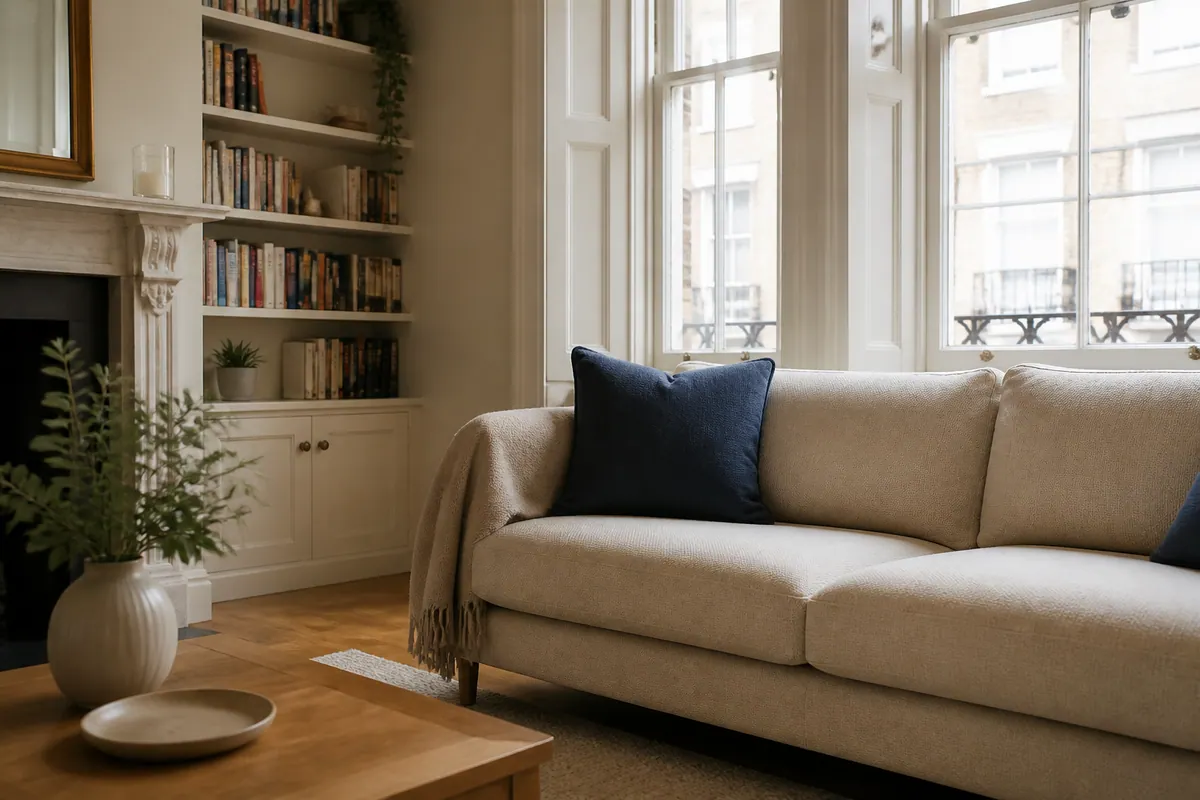
The recurring essentials
Decide which everyday tasks the booking must serve before adding the interesting extras. The used kitchen, bathroom, accessible furniture and floors should retain their agreed place.
A detail belongs on the list only when it is named and there is room for it. If a selected task becomes substantial, discuss the effect on the rest of the work.
A realistic indoor brief
Room selection is only the beginning. Discuss what can be reached, what needs a specialist and what the visit is intended to maintain before the room list is finalised.
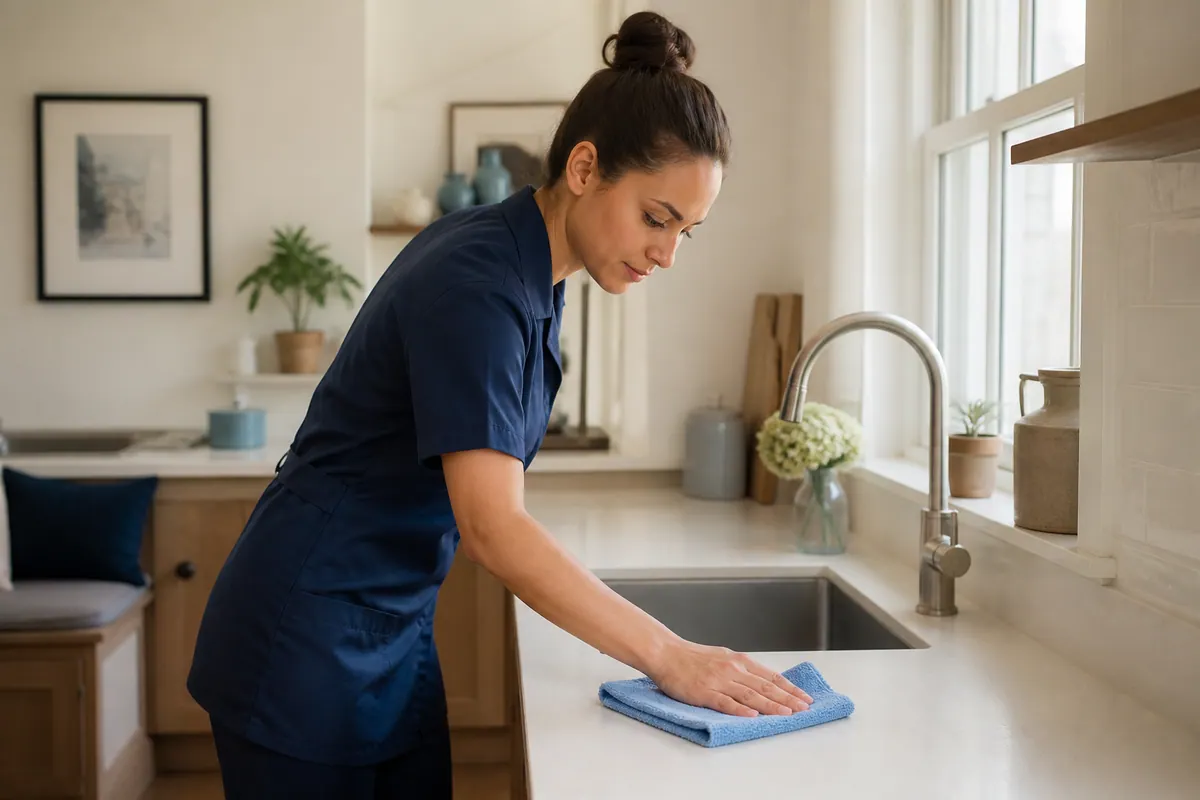
Kitchen
Kitchen tasks can include the accessible sink and worktops, splashbacks, exterior cupboard faces and agreed appliance outsides. Confirm specific areas instead of assuming all contents and interiors are included.
Clear the worktop first. An oven requiring internal attention belongs in a separate service discussion.
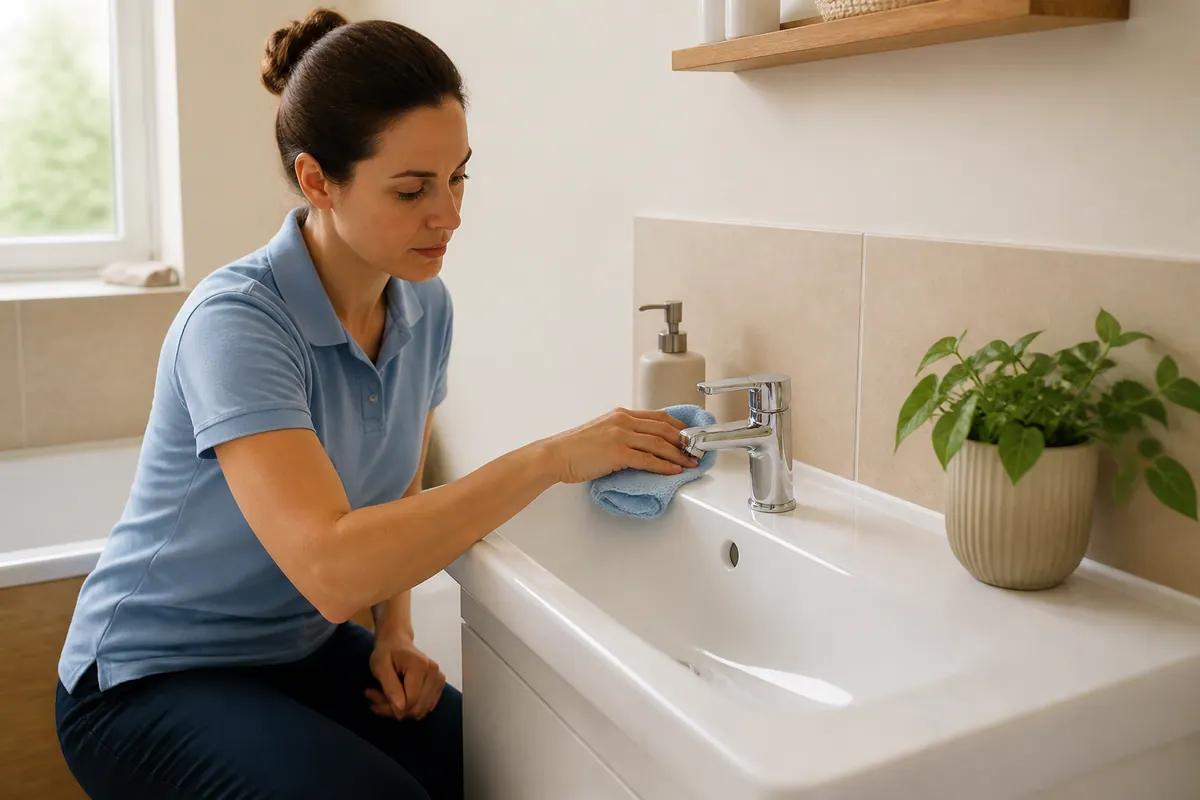
Bathroom
Around sanitaryware, showers and taps, explain the material and condition as well as the room. Mirrors and accessible tiles can be part of the agreed bathroom work.
Existing damage should be identified; cleaning is not a repair to a seal or fitting.
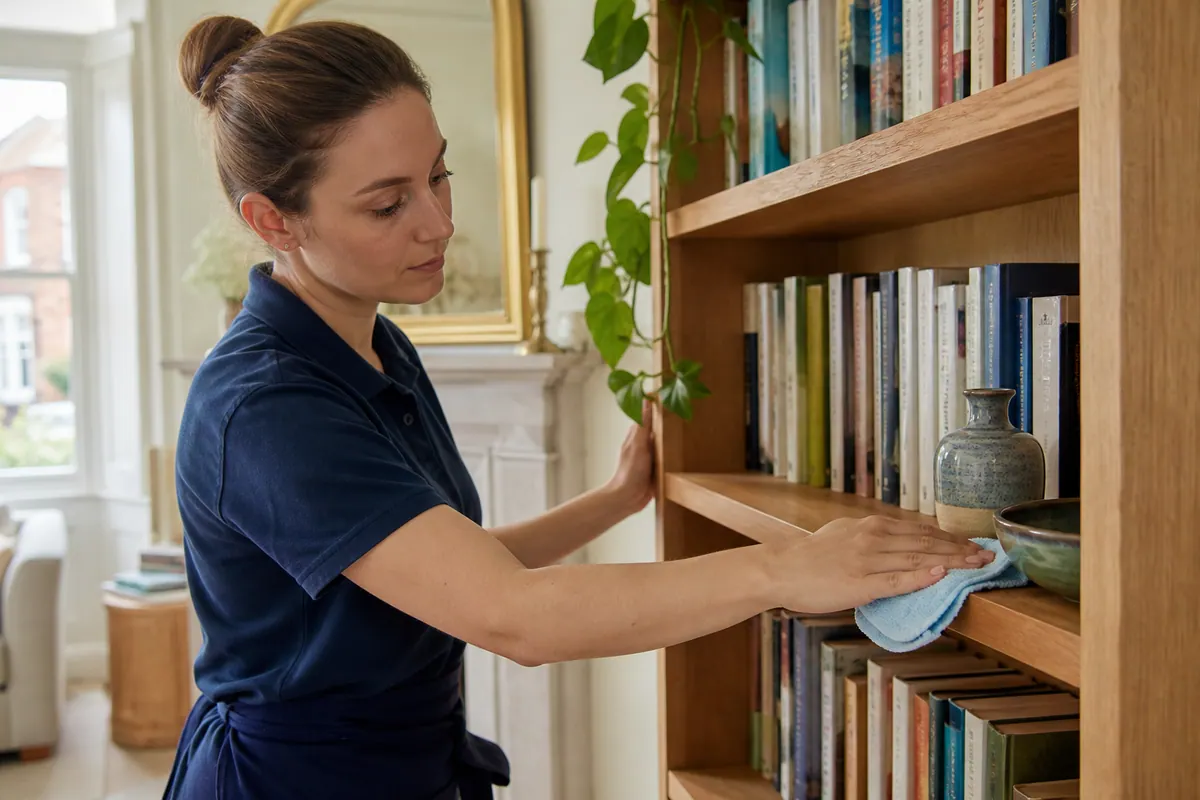
Living areas
The living-room brief can combine reachable furniture dusting, vacuuming and appropriate floor maintenance. Access should be clear without reorganising the household.
Handle fragile ornaments and paperwork beforehand, and tell the cleaner what must stay in place.
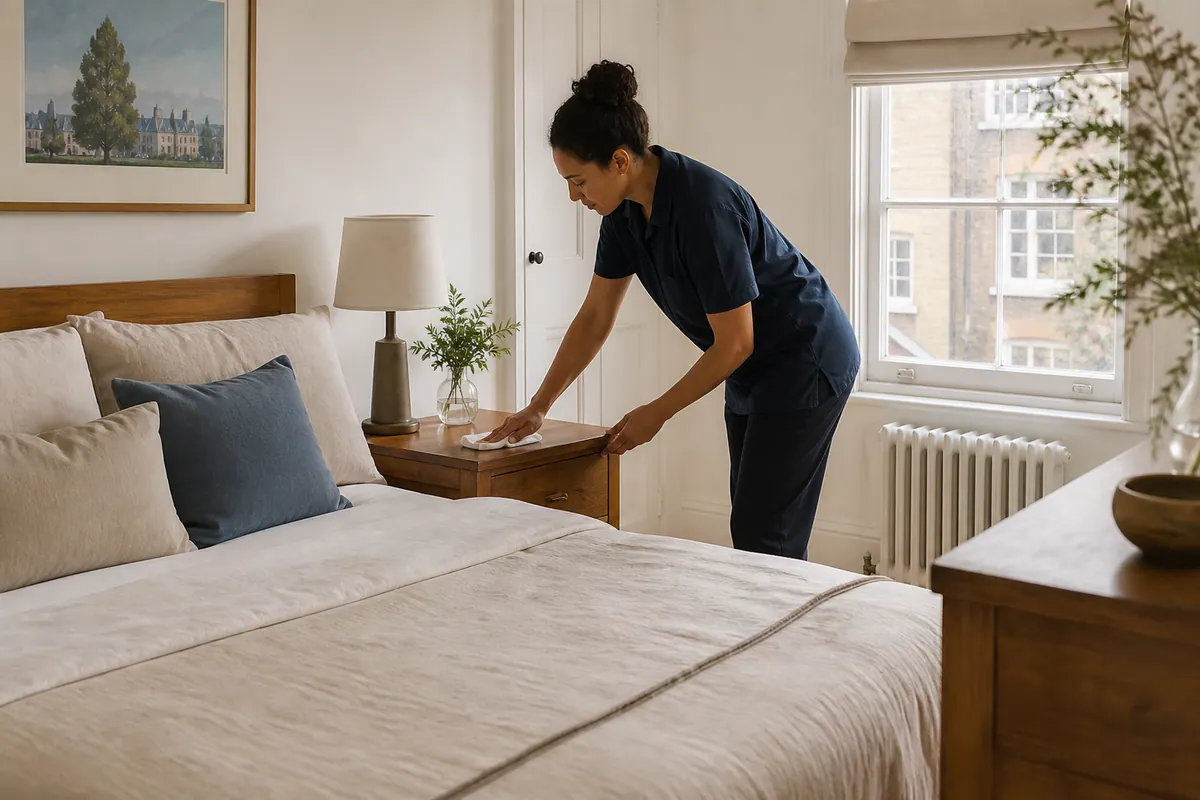
Bedrooms
Name the bedrooms that need maintenance. Within them, accessible dusting and floors can be planned without assuming the cleaner will sort drawers or personal possessions.
Keep private items stored safely and give explicit instructions about bedrooms not to enter.
Choose the gap deliberately
Some rooms are used constantly and others only occasionally. Tell the team about that difference when considering weekly or fortnightly care, with availability and duration still to be agreed.
| Planning point | Weekly | Fortnightly |
|---|---|---|
| Best suited for | Regular activity across the main household rooms | A home whose needs can be discussed over a longer gap |
| Core focus | Repeat the confirmed maintenance priorities | Reassess priorities against the tasks waiting |
| Priority planning | Keep the weekly list within its agreed time | Balance the longer interval with realistic priorities |
| Visit scope | Confirm scope before the visit | Confirm scope before the visit |
The first visit should reflect the condition actually found in the home. If maintenance has lapsed, discuss the starting priorities and possible extra time before settling into a recurring list.
Afterwards, a consistent core helps explain what each appointment is for. An expanded list or a busier household requires communication rather than silently changing the original agreement.
Different homes, practical instructions
Use the examples to frame a conversation about your own home. No household type automatically determines the amount of cleaning required.
Long working days can make access the first issue to settle. Explain who will open the home and which everyday areas matter most.
A family routine benefits from an agreed preparation step. Clear toys or personal belongings from surfaces included in the kitchen, bathrooms and floor route.
Tell the team about pets before arrival, including their safe location and room boundaries. Do not leave those choices for the cleaner to improvise.
A call or occupied desk can alter the proposed order. Share the quiet window and identify an available room that can be considered first.
For rented homes, distinguish current household care from a future move-out requirement. Keep the person authorised to agree changes identifiable.
Managed arrangements need consistent information from the booking contact. Confirm how updated room instructions and entry details will reach the team.
Surface details before arrival
The amount of moisture and the product used should be compatible with the finish. Explain sensitive materials and existing damage while the room list is being discussed.
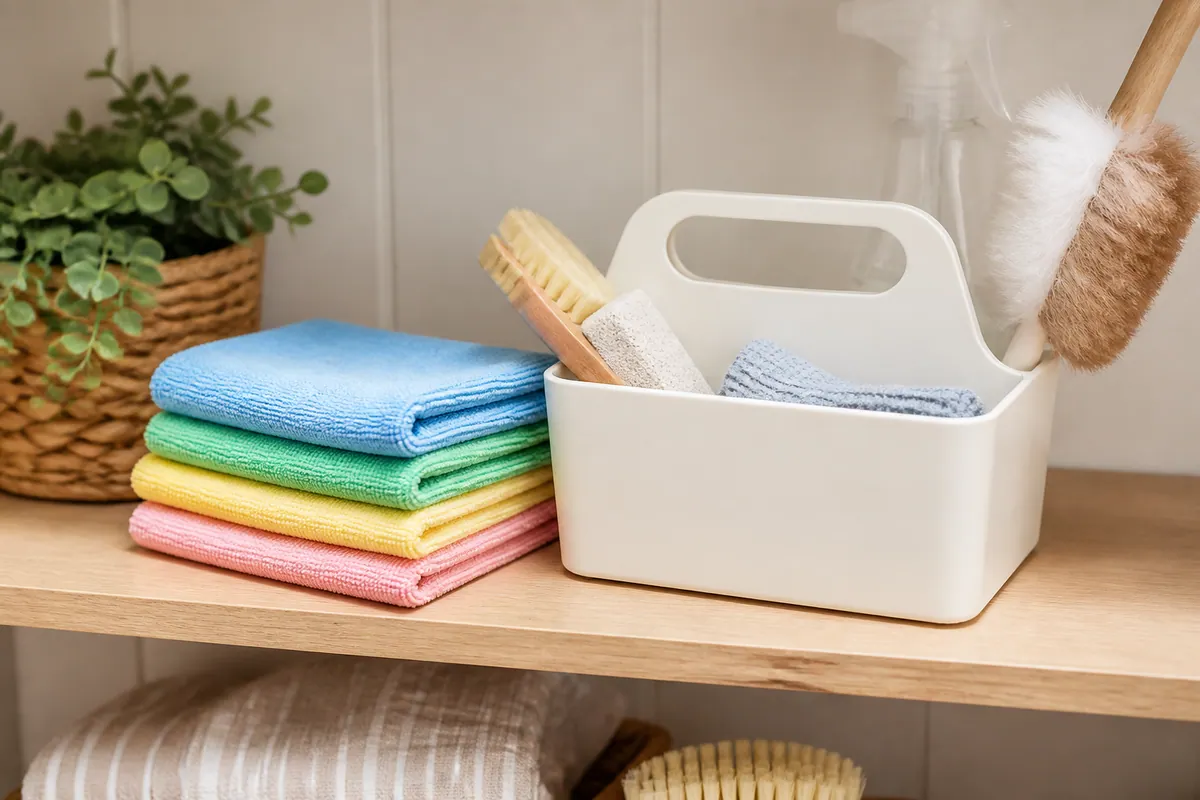
Available guidance for a natural-stone surface should inform the conversation.
Timber care depends on the finish, not merely the fact that the material is wood.
Identify lacquer or other delicate coating before furniture is dusted.
Confirm which steel appliance exterior is included; internals need their own request.
Worn paint and damaged fittings should be recorded as condition, not removable dirt.
When another service is the better fit
A recurring clean should have clear limits. Restoration, heavy lifting and work at height are not routine additions; the linked services have their own requirements.
Extraction cleaning needs specialist equipment, while ordinary carpet upkeep may involve vacuuming.
Internal oven detailing remains separate from agreed appliance-outside care.
A mould issue should be assessed separately rather than added to general surface wiping.
External window cleaning needs an access plan beyond the normal indoor room route.
Post-building residue is not the same as dust from everyday occupation.
A focused intensive visit may be more appropriate than expanding every future maintenance appointment.
Before you choose a visit
Set the scope before the total
The regular and initial prices are starting points rather than a guarantee for every home. The booking conversation confirms included supplies, minimum visit and the room priorities.
| Service | Price | Main factors |
|---|---|---|
| Regular domestic cleaning | From £20/hour | Minimum time, home size, frequency and supplies plus postcode/access |
| First / one-off domestic visit | From £90 | Current state and included rooms, with initial task priority and time |
| Specialist / intensive scope | Quoted separately | Specialist surfaces or heavy soil, equipment and separate access planning |
Explain the present condition and size of the property, preferred frequency and access arrangements. Products, parking and added services may affect the final figure; ask about time rather than assuming it from the guide.
A task order with a reason
Rearrange the sample list with the arrow controls, then discuss the intended order directly. This page cannot amend a visit and does not increase the work included.
From enquiry to upkeep
Begin with occupied rooms, present condition and any pets or work-at-home constraints. This gives the enquiry a practical starting point.
Choose the preferred interval and identify the essential tasks, with appointment availability still to be confirmed.
Settle the supplies and entry plan, including keys, alarms, parking and material guidance.
The visit follows the agreed core rooms using methods compatible with the surfaces involved.
At handover, review the priorities completed and anything needing more time, specialist attention or repair.
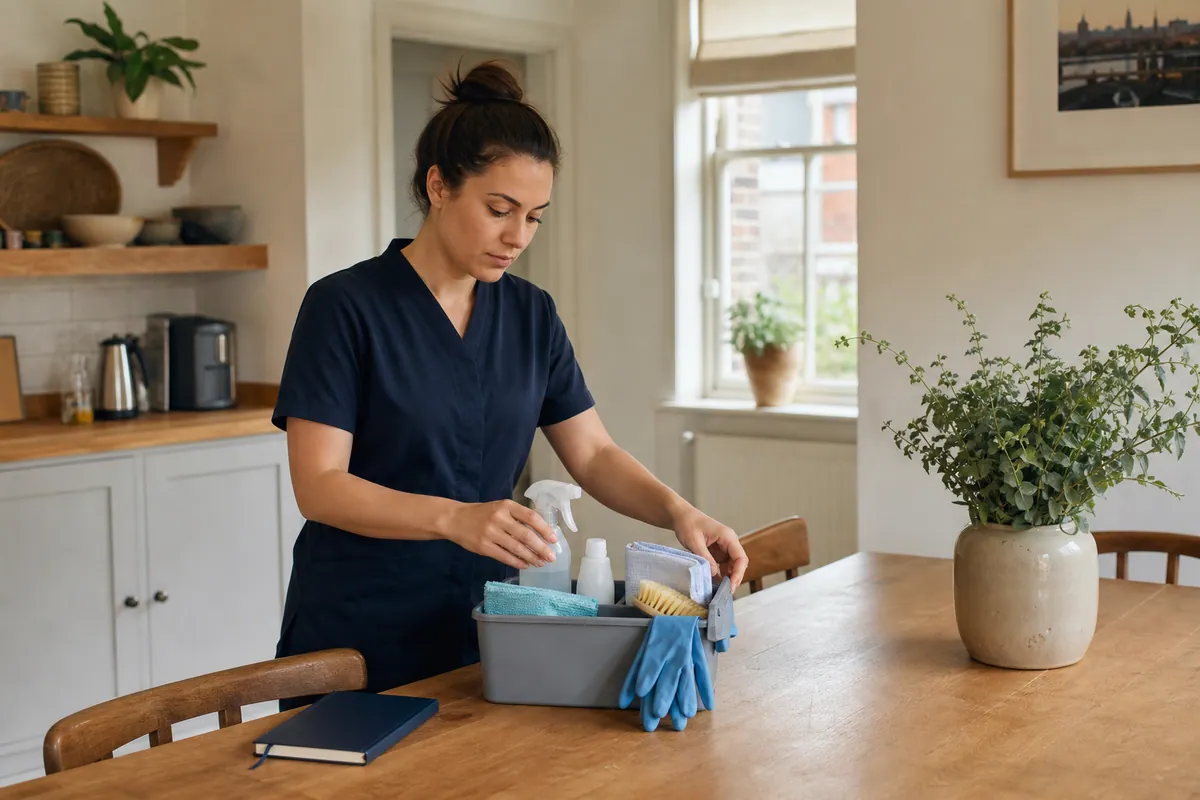
A prepared list of rooms and boundaries.
The agreed tasks addressed in a practical sequence.
A clearer basis for the next maintenance visit.
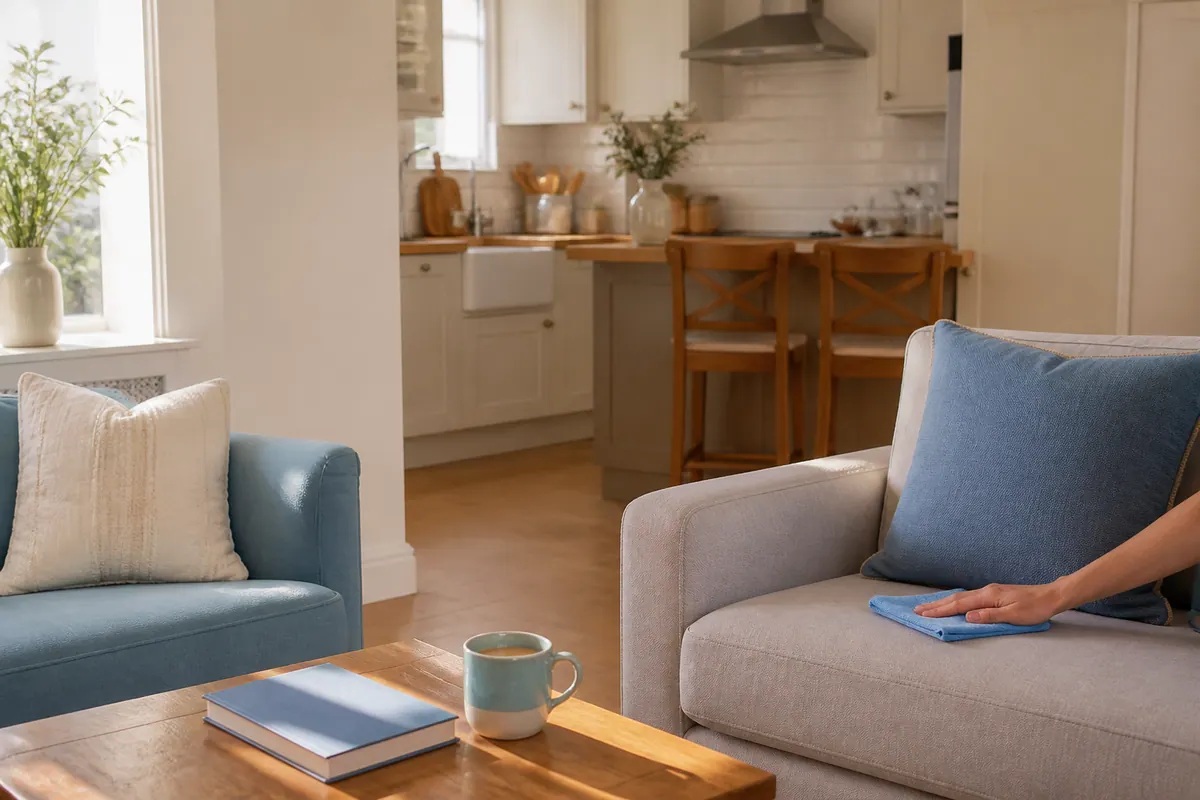
Illustrative scenes show a possible routine, not a recorded customer result.
Before arrival
Agree who hands over the key and how it comes back; share the details only with the appropriate contact.
A building reception is not an automatic entry solution. Confirm the process and permissions involved.
Provide necessary alarm instructions privately for the whole visit, including departure.
Explain pet boundaries and where the animal will remain while rooms are cleaned.
Identify quiet working periods and the room that can be considered first.
Pass on any parking or loading restriction that could affect the proposed arrangement.
State which rooms and belongings are not included so the boundary is unambiguous.
Good preparation makes the agreed cleaning accessible. Products, room priorities and entry should be settled together, with separate work identified rather than added by assumption.
A considered household brief
Explain the entry process, any authorised handover and the route to your door. Mention a lift or carrying constraint only as it actually applies; do not assume the team already knows the building arrangement.
Yes, if the procedure or contact has changed. A previous successful entry does not establish that the same route is still available, so current instructions should accompany any change in the recurring plan.
It is the regular starting rate. The confirmed arrangement also needs minimum visit, frequency, supplies and property/access details, so it should not be multiplied into an assumed total without discussing the scope.
No interval is automatically correct. Discuss how the kitchen, bathrooms and other rooms are used, what builds up and the visit length being considered before deciding on a recurring pattern.
Discuss the change before the visit where possible. Replacing a task can still alter workload, so keep the team informed rather than assuming all tasks require the same time.
Initial condition may be different from a maintained baseline. The first or one-off starting figure is £90, with room count, priorities and time reviewed rather than copied from a later recurring visit.
Share known finishes, existing damage and any care instructions you already hold. Product and equipment arrangements should be confirmed so compatible care is planned rather than assumed.
Explain which areas will be occupied and when they become free. A proposed sequence can be discussed, but surfaces should be prepared at handover and any private room clearly excluded.
They are separately scoped services, not implied additions to kitchen or floor upkeep. Exterior appliance care and vacuuming can be discussed within the domestic list instead.
Contact Alesta with the postcode, rooms, preferred interval and arrival arrangements. The planning controls here help organise an enquiry but do not reserve a cleaner or confirm a slot.
Swiss Cottage / enquiry area
Contact the team about your Swiss Cottage home with its room list and access information. The address and available schedule are checked before a domestic arrangement is agreed.
For the wider service scope, see Domestic Cleaning, or ask the team about your address.
Area orientation
Check the location reference before sending your precise address details.
Open map in a new tabSwiss Cottage / the next conversation
Tell us about the rooms in your Swiss Cottage home, their condition and the routine you want to arrange. Confirm access and upkeep: share your preferred frequency and access details directly with the team.
