
A workday away from home
If you are away for work, make the entry arrangement as clear as the room priorities.
Watford / Everyday rooms, clearly planned
Leave the home ready before heading out
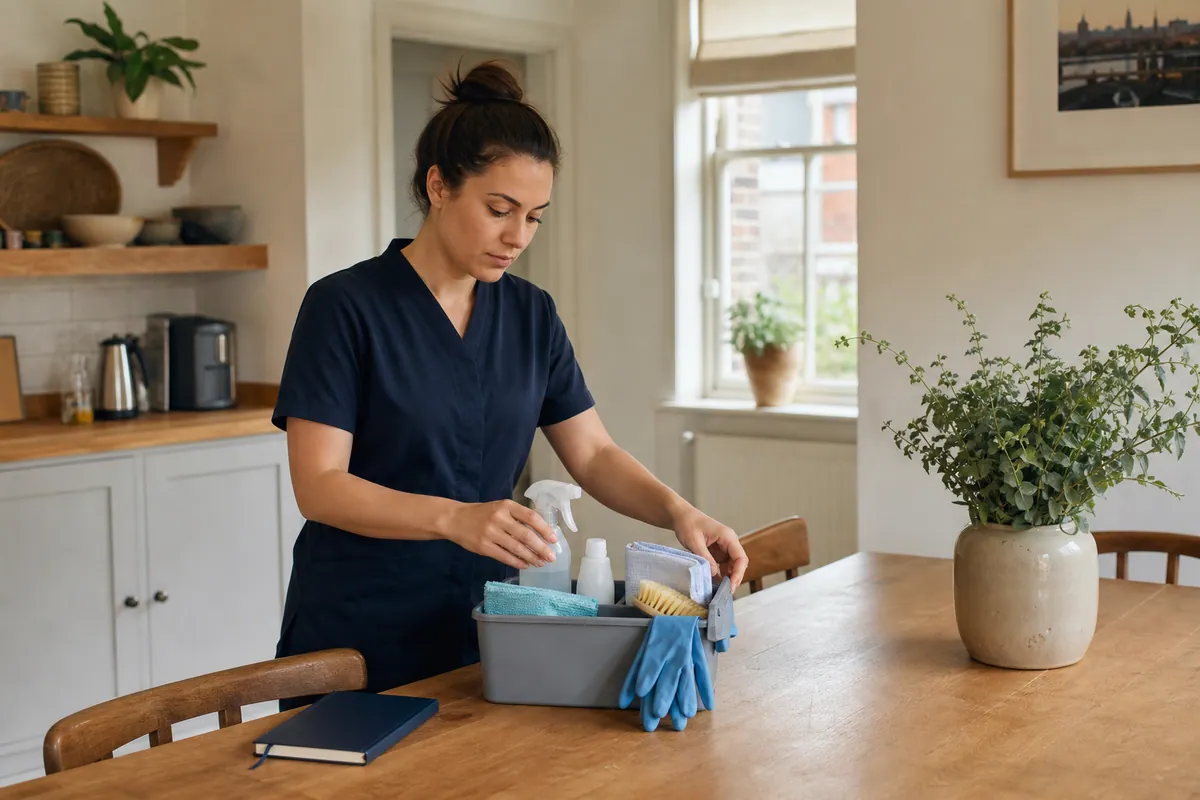
If nobody will be home for a Watford appointment, preparation and access need to be settled in advance. The cleaner should have a confirmed brief rather than a list waiting to be explained.
Kitchen · Bathroom
Living areas · Bedrooms
Quick answers
Household arrangements
The examples help describe access and room use.
If you are away for work, make the entry arrangement as clear as the room priorities.
A household with children may have a changing room order, but the accessible kitchen and bathroom requirements still need definition.
Give clear instructions about pets, room access and closed doors rather than leaving those decisions to the cleaner.
Calls and occupied workspaces belong in the briefing. Agree whether the office is excluded or available later.
The resident’s maintenance needs should be clearly authorised; check-out work is a separate conversation.
Keep a single current brief with the contact responsible for keys, included rooms and alterations.
Watford / household planning
If nobody will be home for a Watford appointment, preparation and access need to be settled in advance. The cleaner should have a confirmed brief rather than a list waiting to be explained.
An absent household still needs a contact who can answer a practical question.
Store personal belongings and state which rooms must remain closed. Keep security information in direct communication with the team, not in a public message.
Check how keys are returned and which departure instructions apply. An agreed entry route is only one part of a visit taking place while the household is away.
Choose where your private and fragile items will stay before leaving. Surface care should not depend on the cleaner making storage decisions in your absence.
Task order
Choose the sequence you want to propose below, then discuss how it fits the confirmed duration.
Price guides
Use these as starting guides, then confirm the actual room list, supplies and charge for your booking.
| Service | Price | Main factors |
|---|---|---|
| Regular domestic cleaning | From £20/hour | Frequency and minimum time, room area, materials and access |
| First / one-off domestic visit | From £90 | The initial workload, chosen rooms and time needed |
| Specialist / intensive scope | A separate scope and quote | Specialist tasks, equipment and work beyond ordinary reach |
Give details of the available rooms and workload, then check minimum time, supplies and access when discussing the final charge.
Routine planner
Set out the type of property, preferred interval and leading task below. Treat the result as an enquiry outline only.
Essential upkeep
A good recurring brief separates the important room tasks from work that can be selected occasionally.
Add selected details by agreement, with enough time for the main rooms. A request for several extras may need a different visit length.
Room coverage
A kitchen and a bedroom need different preparation. Review the relevant tabs before setting out your household list.
Kitchen
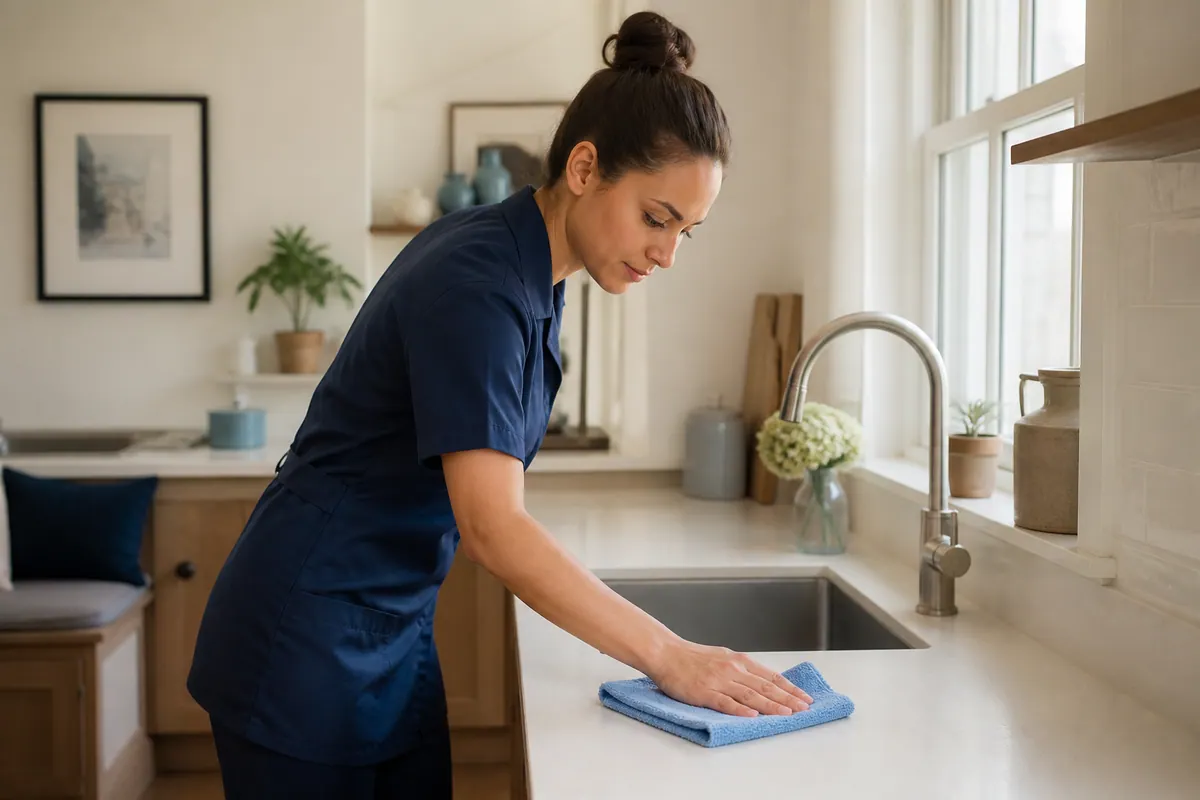
Within the confirmed scope, kitchen maintenance deals with accessible counters, sinks and splashbacks, alongside listed fronts and appliance exteriors.
Prepare the sink and counter area by storing loose items; oven-cavity cleaning remains a separate request.
Bathroom
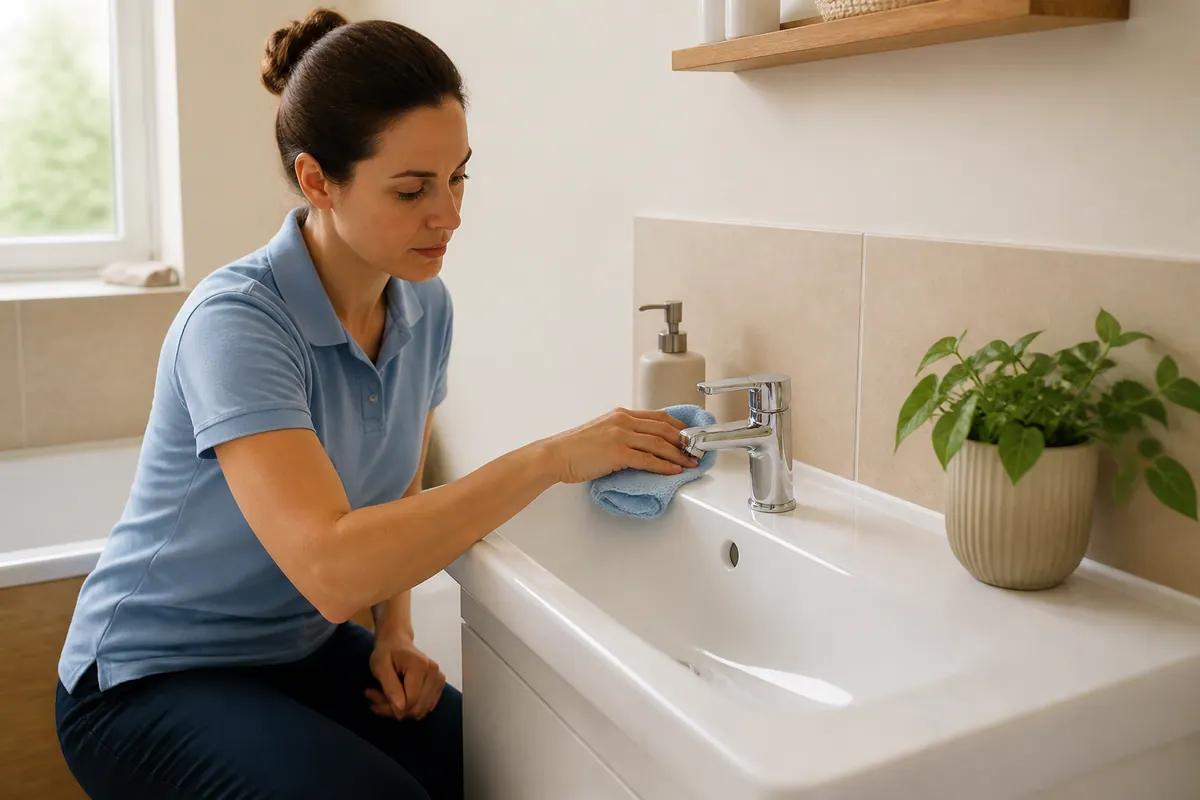
Include the sanitary fittings, shower and taps in your description, alongside mirrors and tiling accessible within the agreed work.
Do not leave damaged seals or unusual stone finishes unexplained; the cleaner needs those details before starting.
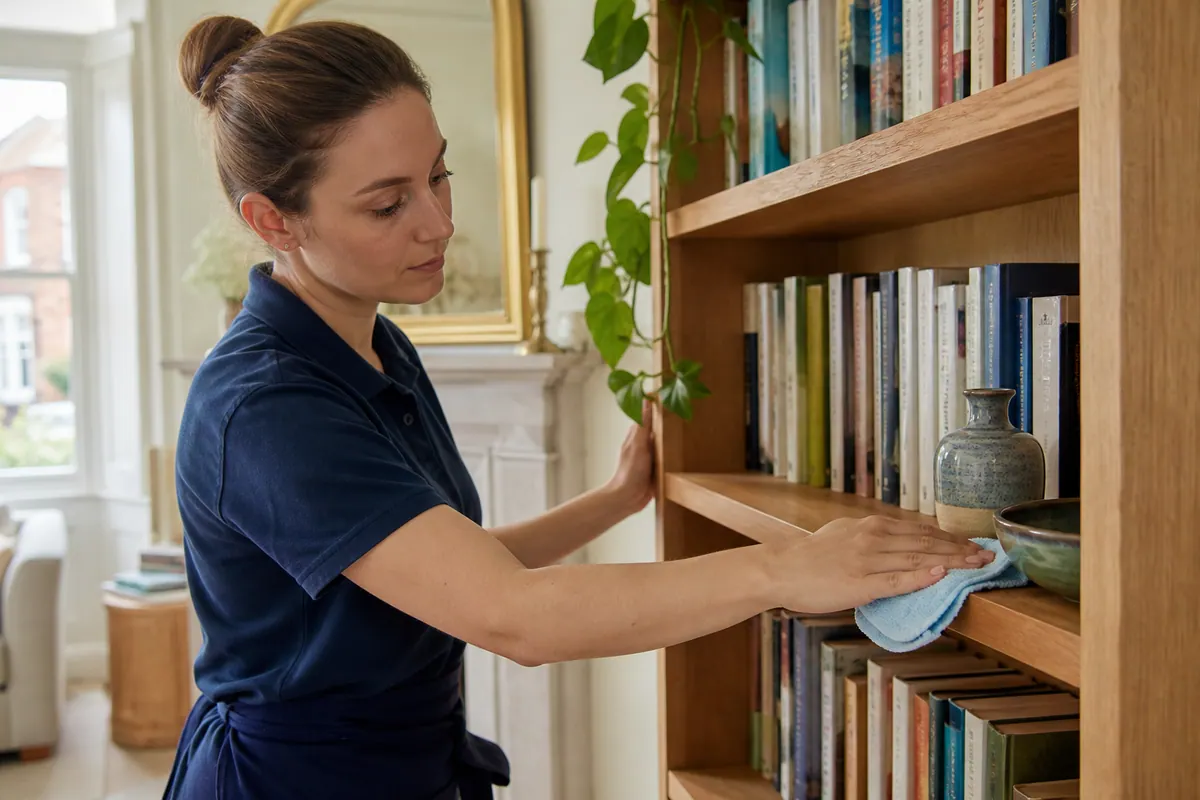
Living spaces
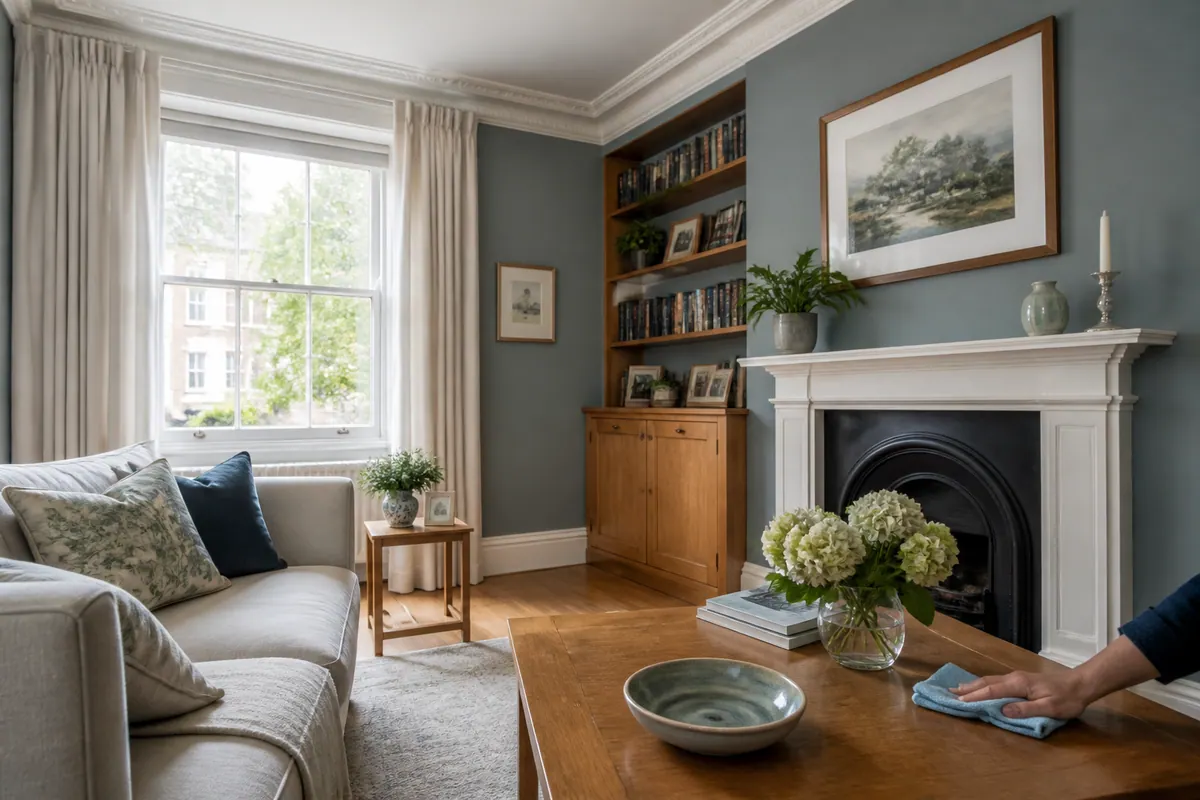
Reachable furniture dusting, vacuuming and suitable floor care can form the living-room routine once the included area is agreed.
Keep private papers and breakable items out of the working area, with clear instructions for possessions left in place.
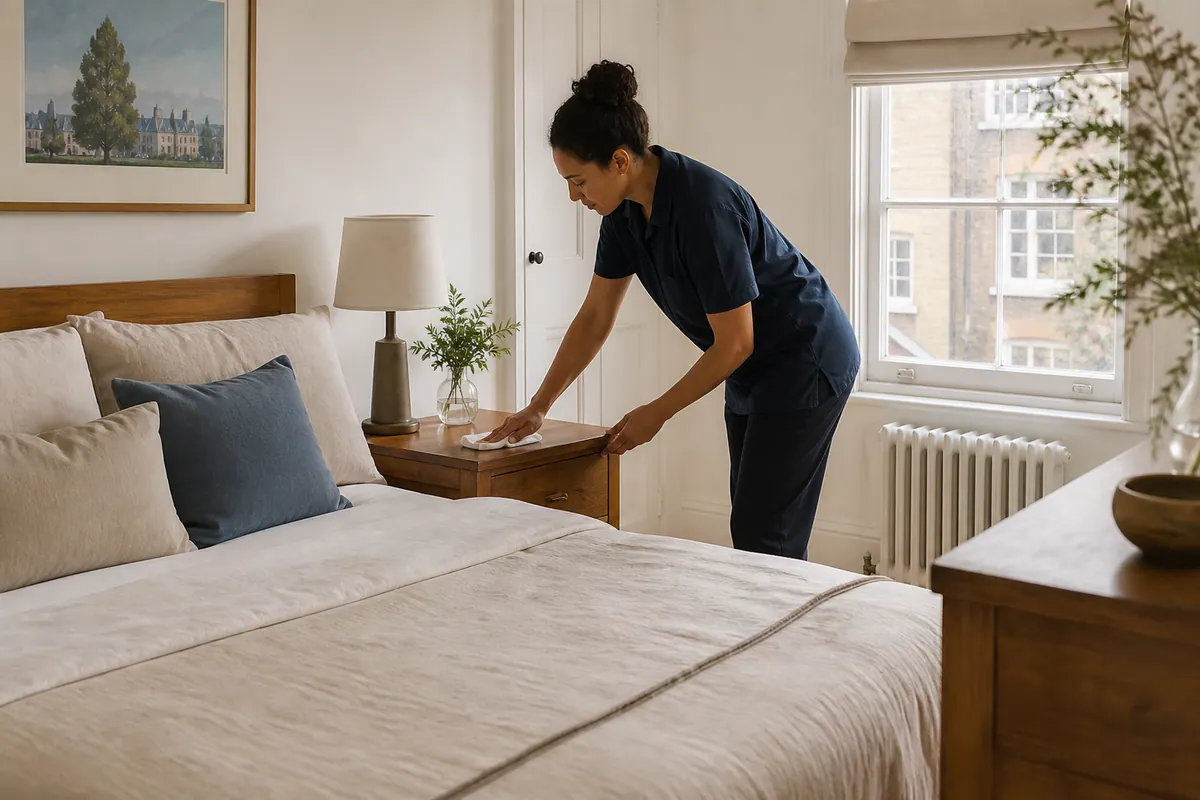
Sleeping rooms
The bedroom list should identify accessible furniture surfaces and the floor area, not imply every private storage space is included.
Store medicines and personal possessions, then clearly identify sleeping rooms left outside this visit.
Visit frequency
Look at the household’s work between appointments before deciding how frequently support is useful.
| Planning point | Weekly | Fortnightly |
|---|---|---|
| Best suited for | Frequently occupied rooms | Periodic support between household upkeep |
| Core focus | Keep the main room list consistent | Check what has accumulated since the visit |
| Priority planning | A concise list can guide repetition | Choose carefully when more tasks have built up |
| Visit scope | Confirm the scope before booking | The actual work must be agreed |
The starting condition matters: a first booking may involve catch-up tasks that will not recur every week.
The routine should reflect the home as it is now. Tell the team when rooms become busier or a task no longer matters.
Material guidance
Material compatibility is part of the task, not an optional detail. Bring known instructions and damage to the team’s attention.
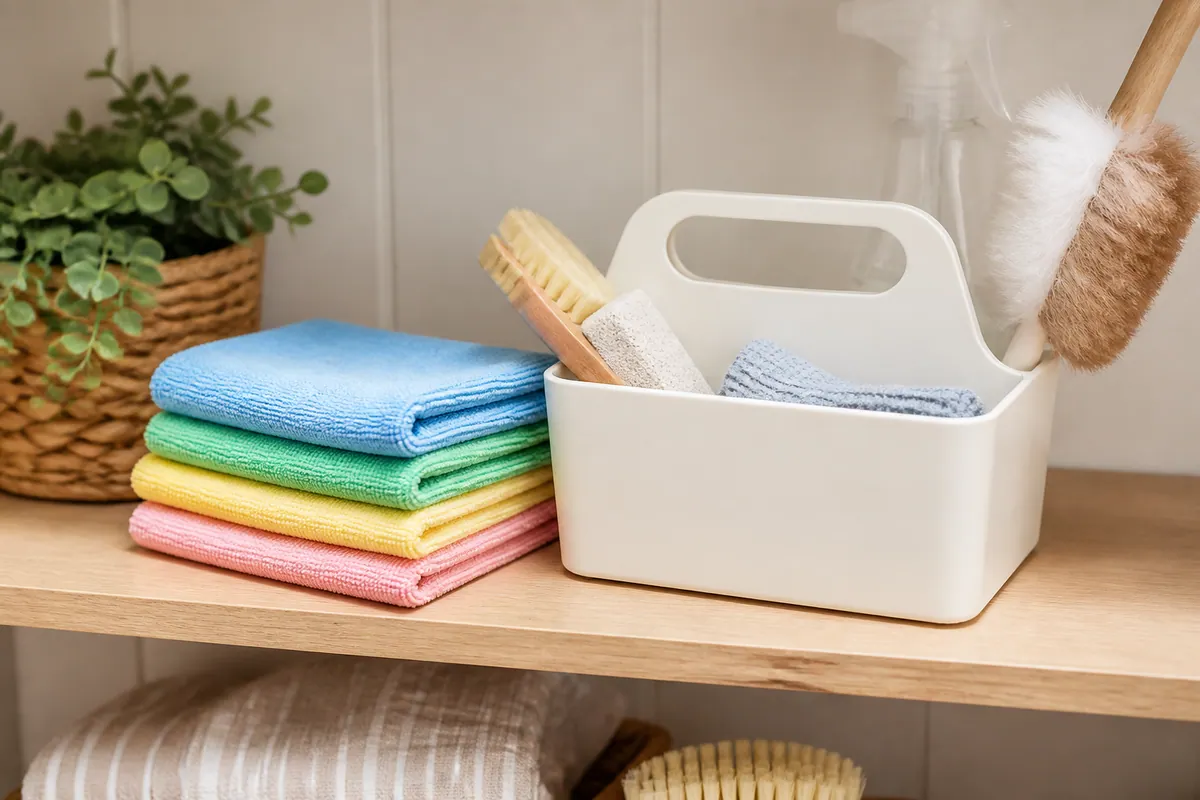
Explain what stone is present and provide its care guidance before product selection.
Identify finished timber and its maintenance instructions so the cleaner can consider a compatible method.
Point out sensitive furniture coatings so cleaning can be planned around the actual finish.
Name the steel surfaces in scope and clarify any separate request involving an appliance interior.
Tell the team where paint is vulnerable or already marked so maintenance is not confused with repair.
Separate services
A domestic visit is not a substitute for specialist work. Discuss high access, lifting or restoration as distinct requirements.
If extraction is needed, use the dedicated carpet service instead of extending a domestic floor request.
Treat a detailed oven interior as its own service rather than an assumed part of exterior appliance care.
Mould concerns belong in a dedicated discussion; ordinary surface upkeep is not a treatment commitment.
Request exterior window cleaning independently, including the access circumstances that affect it.
Explain recent works and their residue separately; routine maintenance is not an after-builders clean.
A home needing an intensive reset may require another defined brief rather than a larger regular checklist.
Booking process
Explain what needs maintaining and what the cleaner will encounter on arrival.
Agree which maintenance tasks matter most, then consider the weekly or fortnightly schedule.
Prepare the entry plan and product agreement together so the work can follow the intended brief.
The confirmed rooms are maintained in the agreed order using methods suitable for their surfaces.
Discuss outstanding requests without assuming they can be absorbed into the next routine visit.
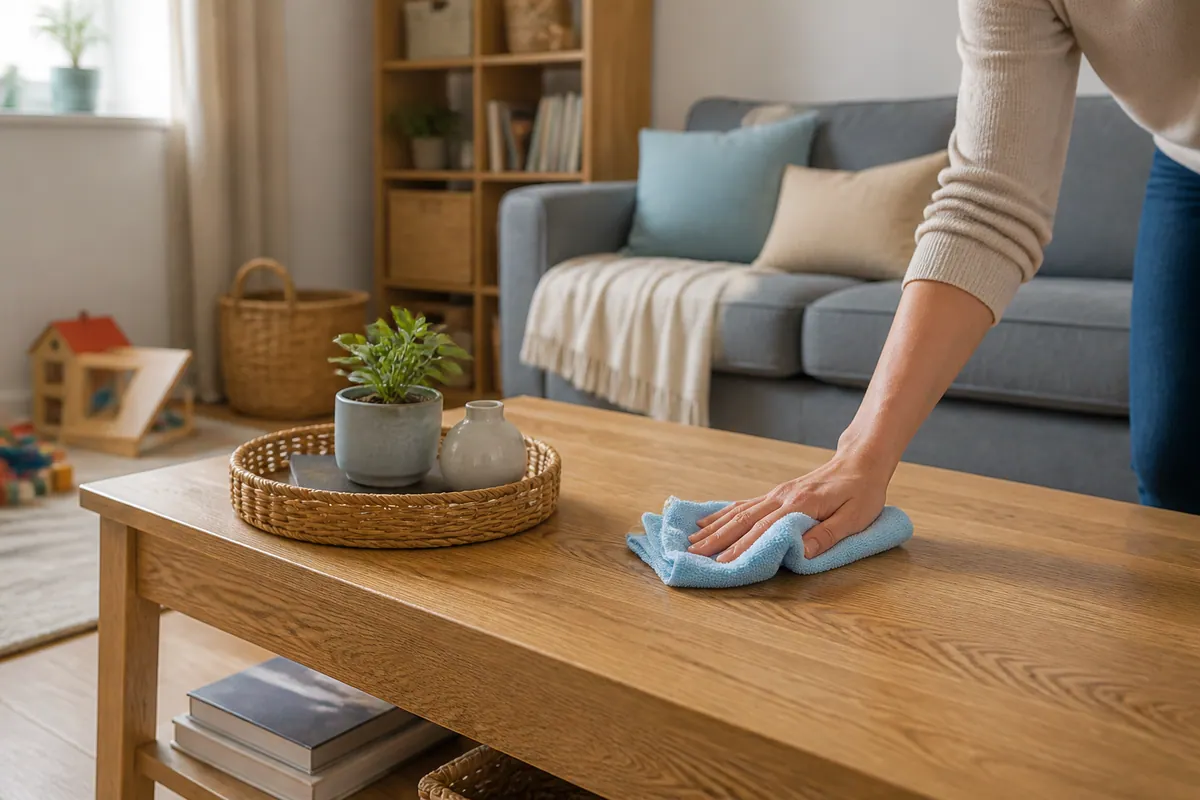
Priorities recorded before work begins.
Suitable methods for included areas.
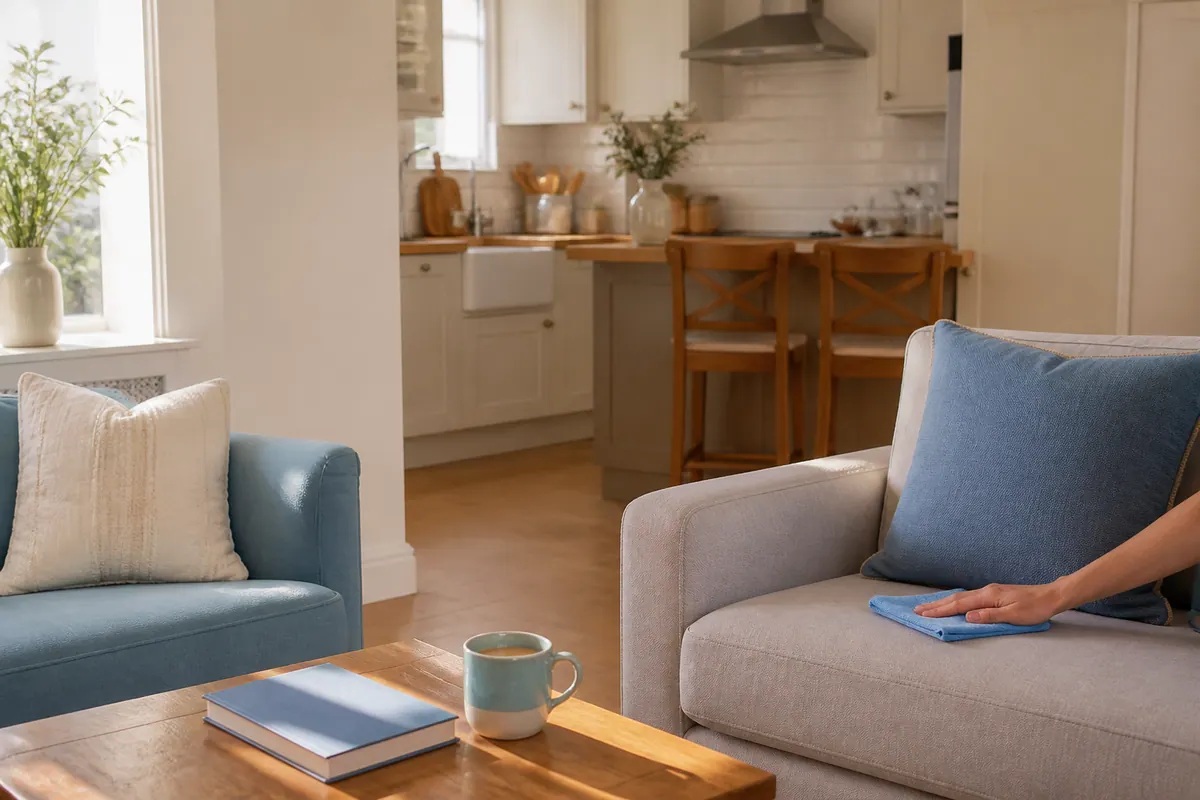
Review what the routine needs next.
The scenes are illustrations and should not be read as photographs of completed customer work.
Practical access
Check that the person handling keys knows the agreed arrival and return arrangement.
Ask the building contact how access is approved; do not assume a cleaner can simply be admitted.
Set out the relevant security steps for arriving and leaving through a direct private channel.
Give clear instructions about pets, room access and closed doors rather than leaving those decisions to the cleaner.
Calls and occupied workspaces belong in the briefing. Agree whether the office is excluded or available later.
Share any known stopping or loading limitation when the address is discussed.
Set out room exclusions directly so the cleaner does not have to guess where the boundary lies.
Know which tasks, materials and entry arrangements have been agreed before treating the visit as settled.
Booking questions
Settle entry and departure before going out, and make included rooms accessible. A contact should be able to answer genuine questions without changing the brief informally.
A domestic appointment should not depend on sorting your possessions. Leave the intended areas accessible and explain the entry plan.
The advertised starting guides are £20/hour for recurring domestic cleaning and £90 for first/one-off work. Ask Alesta to confirm the booking minimum and total.
Consider the room activity and work left after the gap. Choosing weekly rather than fortnightly does not by itself fix the required visit length.
Tell Alesta which task should lead and identify any addition to the list. A new requirement needs its scope checked.
The starting workload can be larger than later maintenance. Explain accumulated tasks so the first appointment is not estimated from an established routine.
Mention the equipment you have and the products you prefer, then confirm what will be provided and suitable for the work.
An occupied workroom can be discussed as excluded or timed. Establish the arrangement before the visit rather than leaving a judgement call.
Carpet extraction needs a separate scope and equipment. Mention it explicitly rather than assuming a vacuuming request covers it.
Use the outline in a direct enquiry, then agree availability, work and supplies. The planning tools cannot finalise the booking.
Watford / local enquiry
Watford bookings need the full postcode and the intended rooms. Take the summary to the team and check the minimum visit, included materials and arrangements for getting inside.
For the wider service scope, see Domestic Cleaning, or ask the team about your address.
Map reference
This is an area reference, not a marked Alesta branch or booking guarantee.
Open map in a new tabYour next step
Arrange keys and departure instructions. Clear the selected surfaces before leaving. Explain those details when asking about availability.
