
The first group of tasks
- Reachable counters with the kitchen sink
- Accessible bathroom maintenance
- Routine dusting in agreed areas
- The selected rooms for vacuuming
- Finish-aware floor maintenance
Barnet / Care around daily living
A larger home still needs a first priority
For a Barnet home with rooms used at different levels, identify the spaces that require frequent care. A busy bathroom may matter more than a room that stays empty.
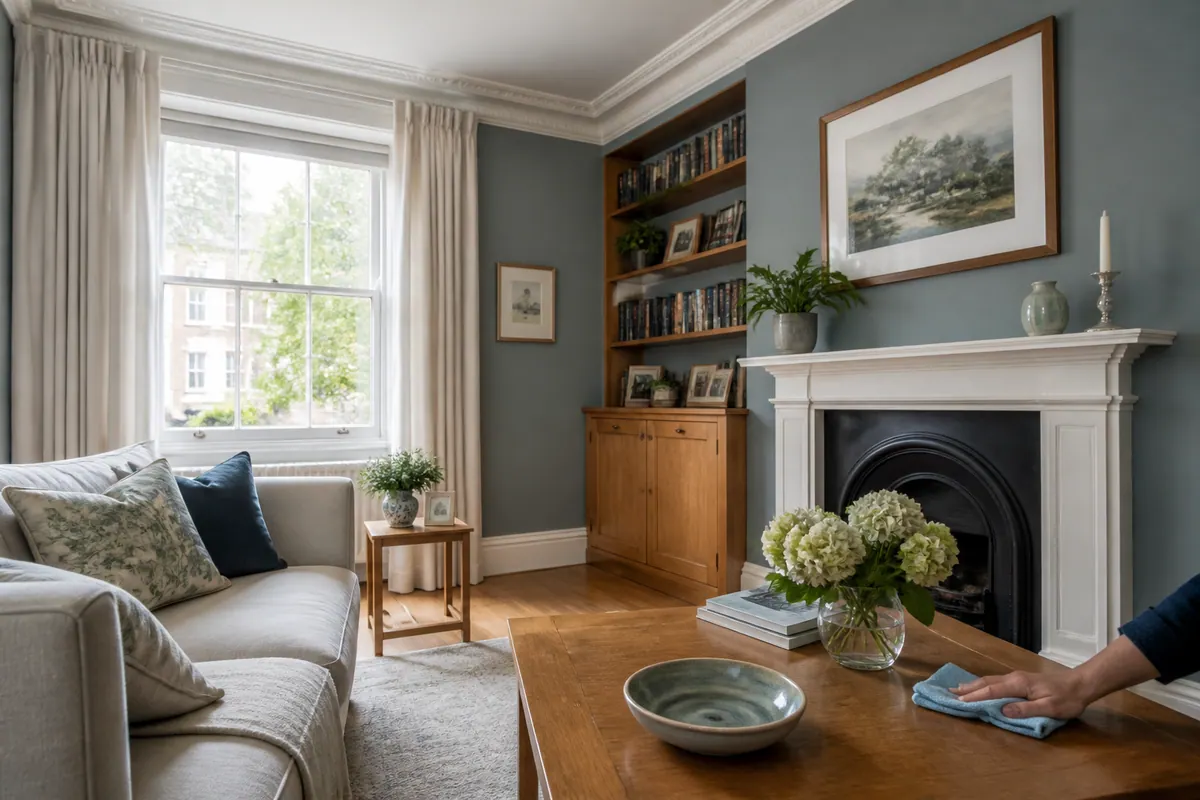
Kitchen · Bathroom
Living areas · Bedrooms
Routine planner
Start by describing the household rather than guessing how many tasks fit. The summary is a planning note, not a quotation.
Barnet / household planning
For a Barnet home with rooms used at different levels, identify the spaces that require frequent care. A busy bathroom may matter more than a room that stays empty.
A larger floor plan is not an instruction to distribute the visit evenly across it.
Name the regular areas and explain which rooms are occasional. Changes in guests or occupants can then prompt a deliberate review rather than an unnoticed extra.
Name the regularly used bathrooms and the accessible areas around them. Avoid including an unused room merely because it lies along the same corridor.
When a room joins the regular list, describe its condition and any access limits. The addition should be confirmed as work, not inferred from a changed household routine.
Essential upkeep
A good recurring brief separates the important room tasks from work that can be selected occasionally.
Choose a specific reachable detail rather than an unlimited finishing list, and check whether it fits after the essential work.
Room coverage
Open each room tab for the kinds of work to discuss. Access, materials and the agreed duration determine the final coverage.
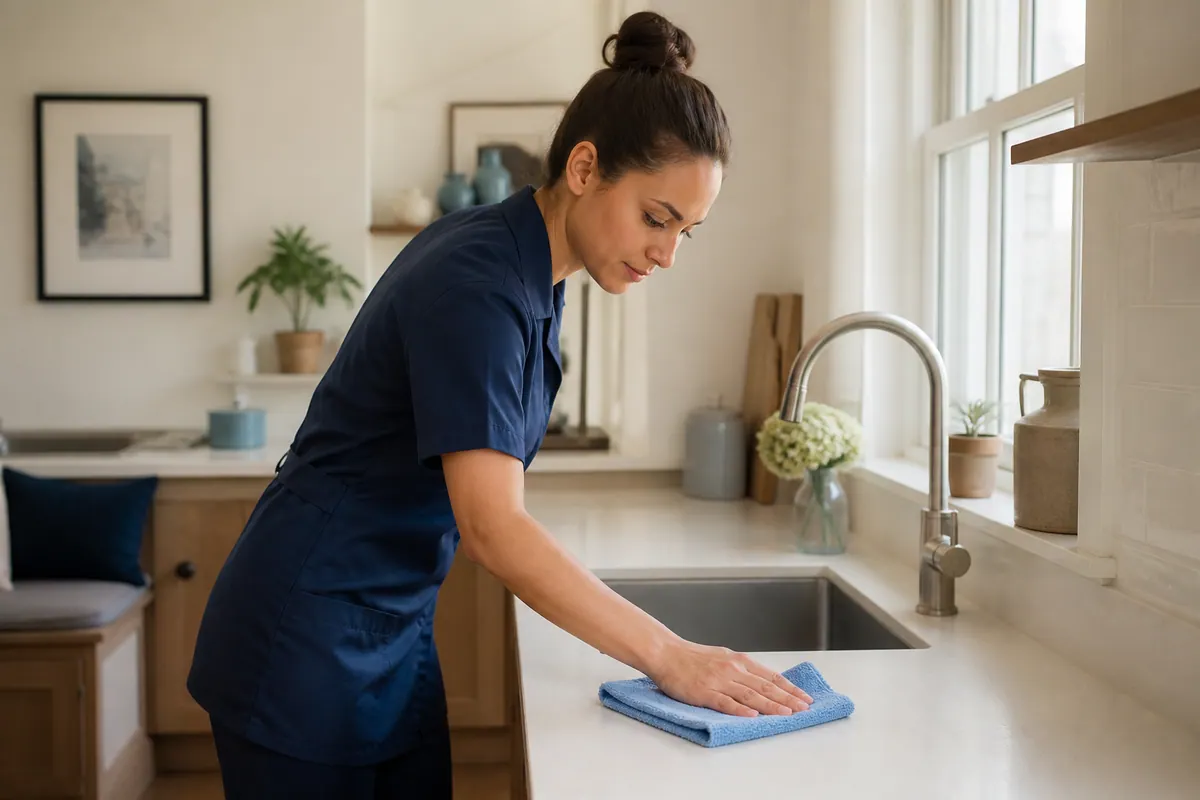
Kitchen
Specify the worktop and sink area, then identify the cupboard faces and appliance surfaces included in the available time.
Keep loose items off the chosen working surfaces. Ask specifically about oven internals instead of adding them to routine wiping.
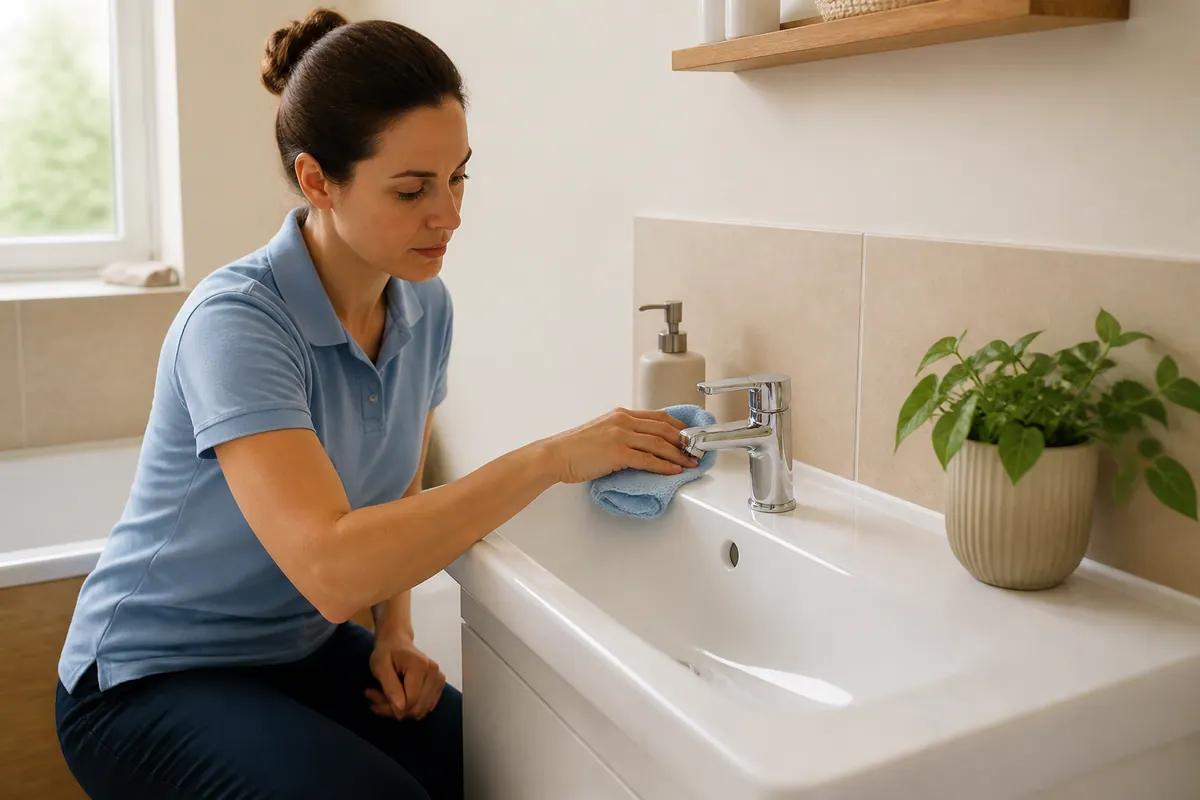
Bathroom
For a bathroom visit, clarify sanitaryware and taps, shower surfaces, mirror cleaning and the reachable tiled areas.
Mention stone, worn seals and damaged fittings so ordinary cleaning is not mistaken for repair.
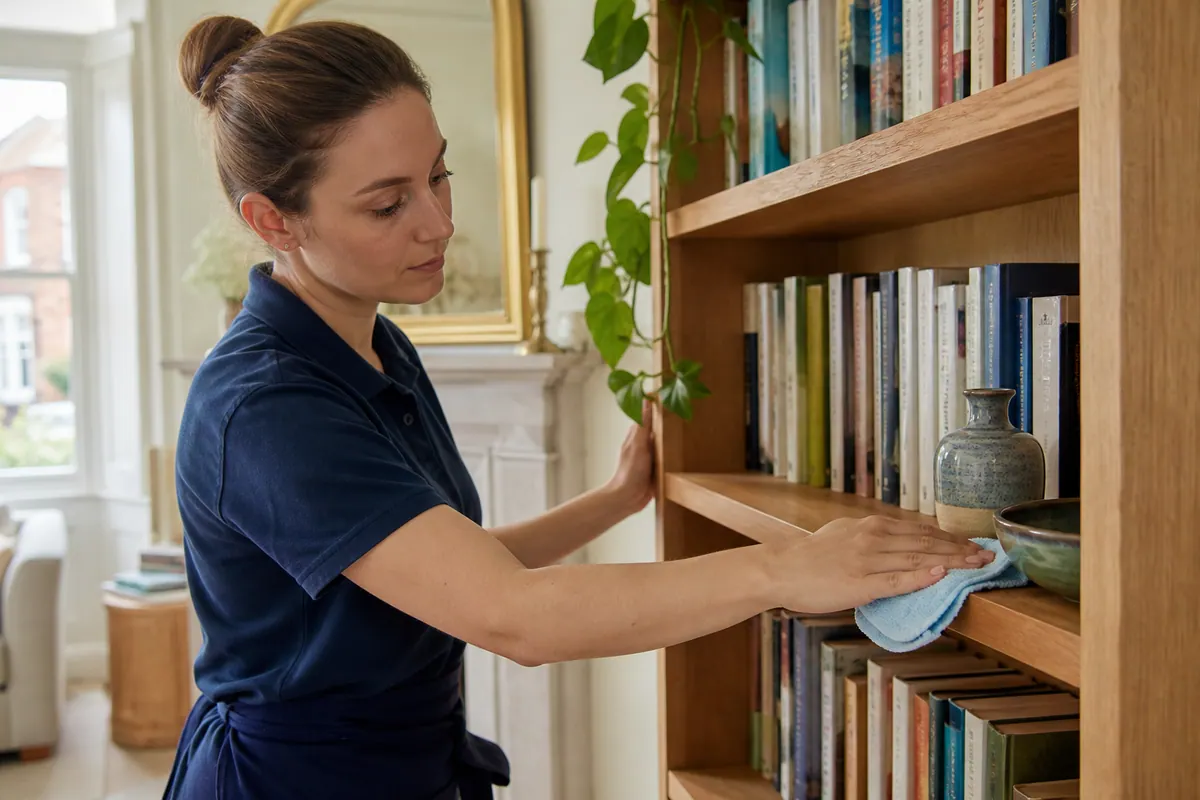
Living spaces
Living-space upkeep focuses on accessible surfaces and the floor, using dusting, vacuuming and a method compatible with the finish.
Do not make the cleaner decide where documents belong. Clear them away and identify delicate objects in advance.
Sleeping rooms
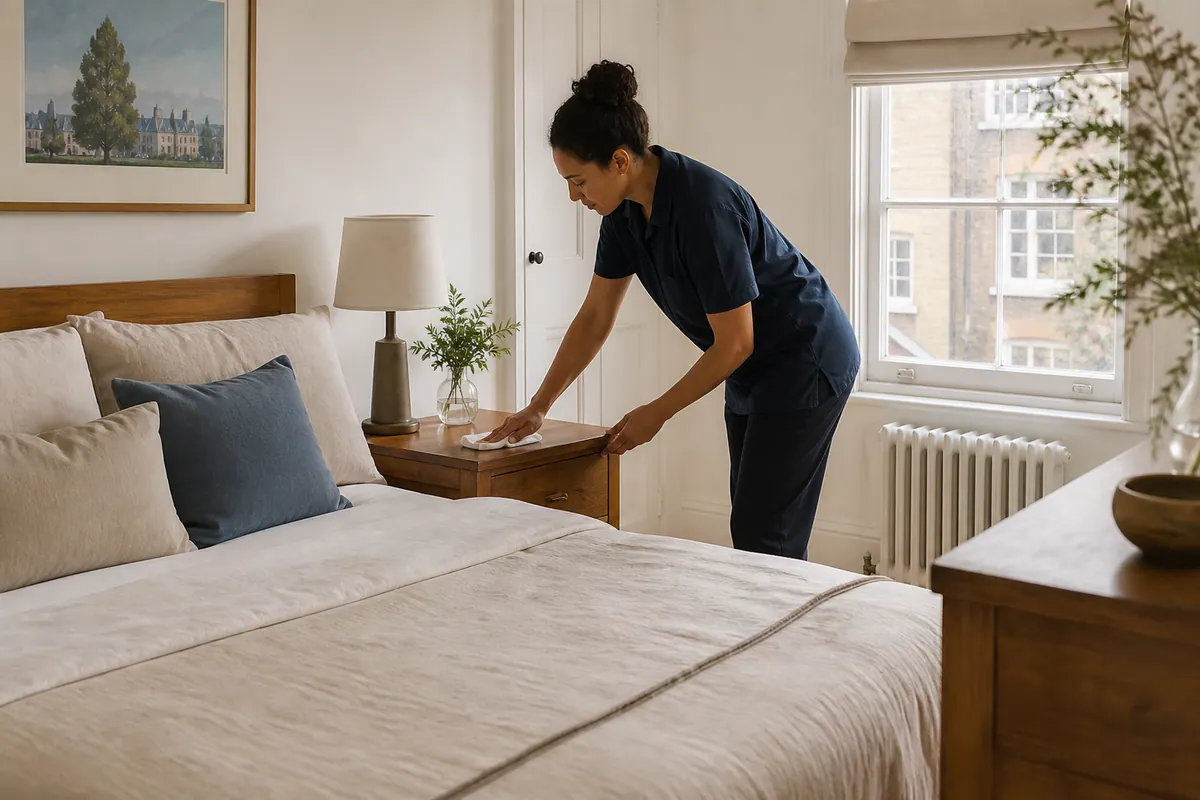
Sleeping-room upkeep can include the named reachable surfaces and floors, with dusting and agreed vacuuming.
Before bedroom cleaning, put sensitive items away and explain which doors are to remain closed.
Visit frequency
A longer gap can change the workload even when the room list stays unchanged. Discuss frequency alongside available time.
| Planning point | Weekly | Fortnightly |
|---|---|---|
| Best suited for | Households with steady room use | Homes with manageable work between visits |
| Core focus | Maintain the confirmed everyday tasks | Prioritise work after the longer interval |
| Priority planning | Keep the recurring essentials legible | A longer interval may change the task order |
| Visit scope | Agree the included work in advance | Coverage still needs confirmation |
An initial appointment may need more time to address accumulated work. Describe the present condition before using later maintenance as the benchmark.
Review the recurring list if room use changes. A new occupant, extra room or larger task request can affect the time required.
Household arrangements
Tell the team which arrangements apply to your home.
Workdays can leave little room for handover; settle access before choosing the rooms to maintain.
Select the family areas actually used each day and clear the belongings obstructing the agreed surfaces.
Plan the animal’s location for the visit and check whether the intended room sequence remains workable.
Keep working papers private and explain when the desk area can be approached, if it is included.
Clarify whether the instruction comes from the resident or an authorised contact; a future handover needs its own scope.
Identify who can answer a scope question and ensure everyone is working from the same version of the list.
Material guidance
Describe delicate coatings, stone and timber when briefing the visit, so the method can be matched to the actual surface.
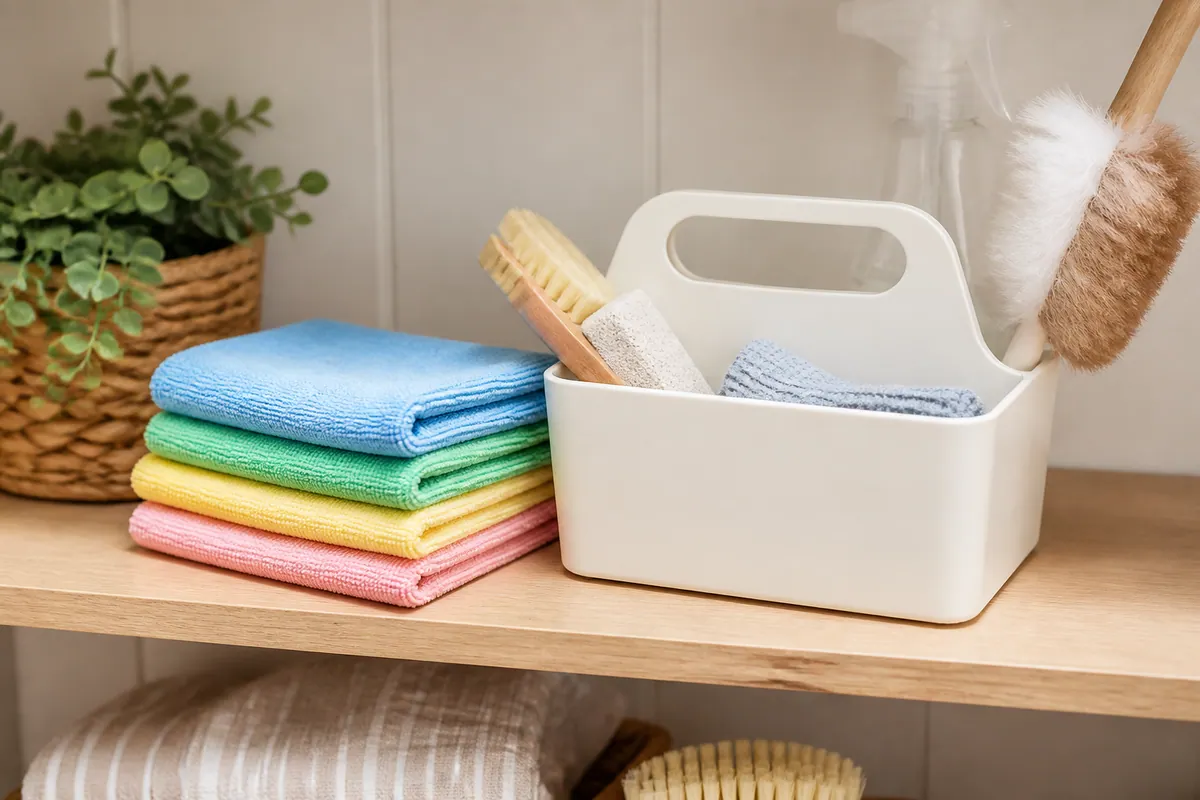
Identify the stone surface rather than asking for a generic bathroom or kitchen product.
Share timber-care guidance; the amount of moisture cannot be assumed suitable for every finish.
Explain which pieces are lacquered and whether their care instructions limit products.
List the accessible steel areas to be maintained without implying an internal appliance clean.
Identify wear on paintwork before products are chosen and keep repair expectations separate.
Separate services
Some tasks need more than the regular room routine. Use the relevant service below and describe access or restoration requirements explicitly.
Vacuuming maintains the surface; extracting a carpet requires a separate service and equipment.
Wiping an appliance outside is not the same as cleaning the oven cavity and its internal parts.
Mould concerns belong in a dedicated discussion; ordinary surface upkeep is not a treatment commitment.
Exterior glass and the means of reaching it require a dedicated window-cleaning discussion.
For renovation residue, request the after-builders service and describe the work that has taken place.
A home needing an intensive reset may require another defined brief rather than a larger regular checklist.
Quick answers
Price guides
The figures describe service starting points; the agreed work and practical arrangements determine the quotation.
| Service | Price | Main factors |
|---|---|---|
| Regular domestic cleaning | From £20/hour | Minimum booking, timetable, space, products, entry and address |
| First / one-off domestic visit | From £90 | Starting condition, rooms, duration and leading tasks |
| Specialist / intensive scope | Separate quotation required | Unusual soil, material needs, equipment or difficult access |
Give details of the available rooms and workload, then check minimum time, supplies and access when discussing the final charge.
Task order
The arrows help organise a brief, but any change to the actual cleaning plan must be agreed directly.
Booking process
Set out the rooms needing help and mention any occupants or pets present during the work.
Set the necessary tasks against the proposed timetable and confirm what is realistic.
Agree the necessary supplies and access details, including sensitive surfaces and departure instructions.
Cleaning follows the defined priorities and the material requirements of each included area.
Review what was covered and raise work needing a separate service, additional time or repair.
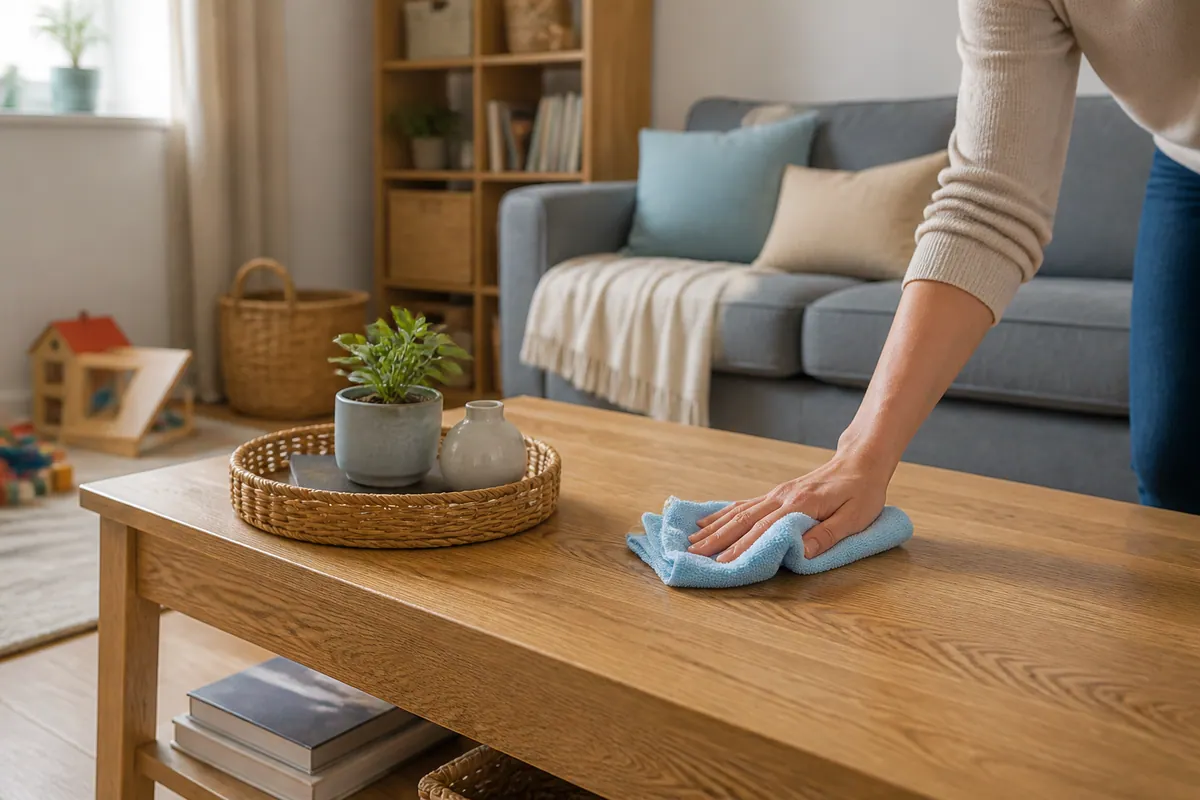
Priorities recorded before work begins.
Suitable methods for included areas.
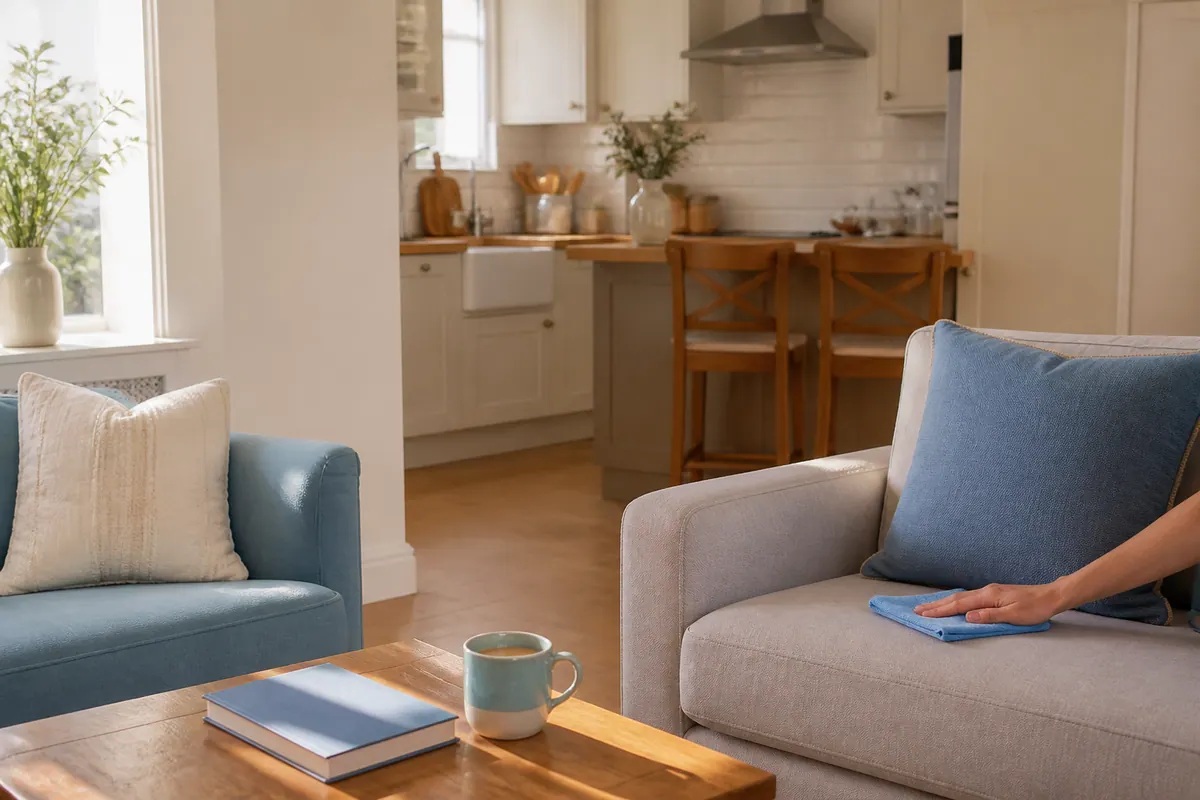
Review what the routine needs next.
The scenes are illustrations and should not be read as photographs of completed customer work.
Practical access
A key collection plan must be confirmed rather than assumed from an address.
Where entry is managed, verify the building permission and admission procedure in advance.
Settle arrival and departure requirements for the alarm before the visit.
Plan the animal’s location for the visit and check whether the intended room sequence remains workable.
Keep working papers private and explain when the desk area can be approached, if it is included.
Mention restrictions around stopping or unloading as part of the access conversation.
Make the no-entry list part of the agreed brief, including anything not to be moved.
Know which tasks, materials and entry arrangements have been agreed before treating the visit as settled.
Booking questions
State which bathrooms and living areas receive the most use. Keep occasional rooms separately identified so adding one does not quietly enlarge the recurring appointment.
Make the selected areas accessible by putting loose possessions away yourself. Tell the team where privacy or pets limit entry.
The published figures begin at £20/hour for recurring care and £90 for a first or one-off appointment, with final arrangements confirmed separately.
Neither interval guarantees a particular amount of completed work. Agree priorities and duration alongside the proposed schedule.
Tell the team what you want altered before the appointment if possible. A larger brief may require another time allowance.
A first visit may require additional time where upkeep has lapsed. Confirm its own priorities before assuming the later recurring list applies.
List the materials in the regularly included rooms when checking supplies. Ask which equipment is provided rather than extending an assumption across the whole house.
Tell the team the room’s availability and arrange a different starting area if needed. The restriction belongs in the agreed brief.
The domestic floor list can include vacuuming, not an automatic extraction treatment. Confirm the separate carpet service if needed.
A plan still requires direct confirmation of availability and the complete brief. Check products, duration and entry before treating it as booked.
Barnet / local enquiry
Barnet bookings need the full postcode and the intended rooms. Rooms, present condition and access all belong in the booking conversation. The planner cannot confirm a cleaner for a chosen day.
For the wider service scope, see Domestic Cleaning, or ask the team about your address.
Map reference
The area view supports your enquiry; availability must still be checked.
Open map in a new tabYour next step
Put used bathrooms ahead of empty rooms. Review additions before changing the routine. Explain those details when asking about availability.
