
Leaves
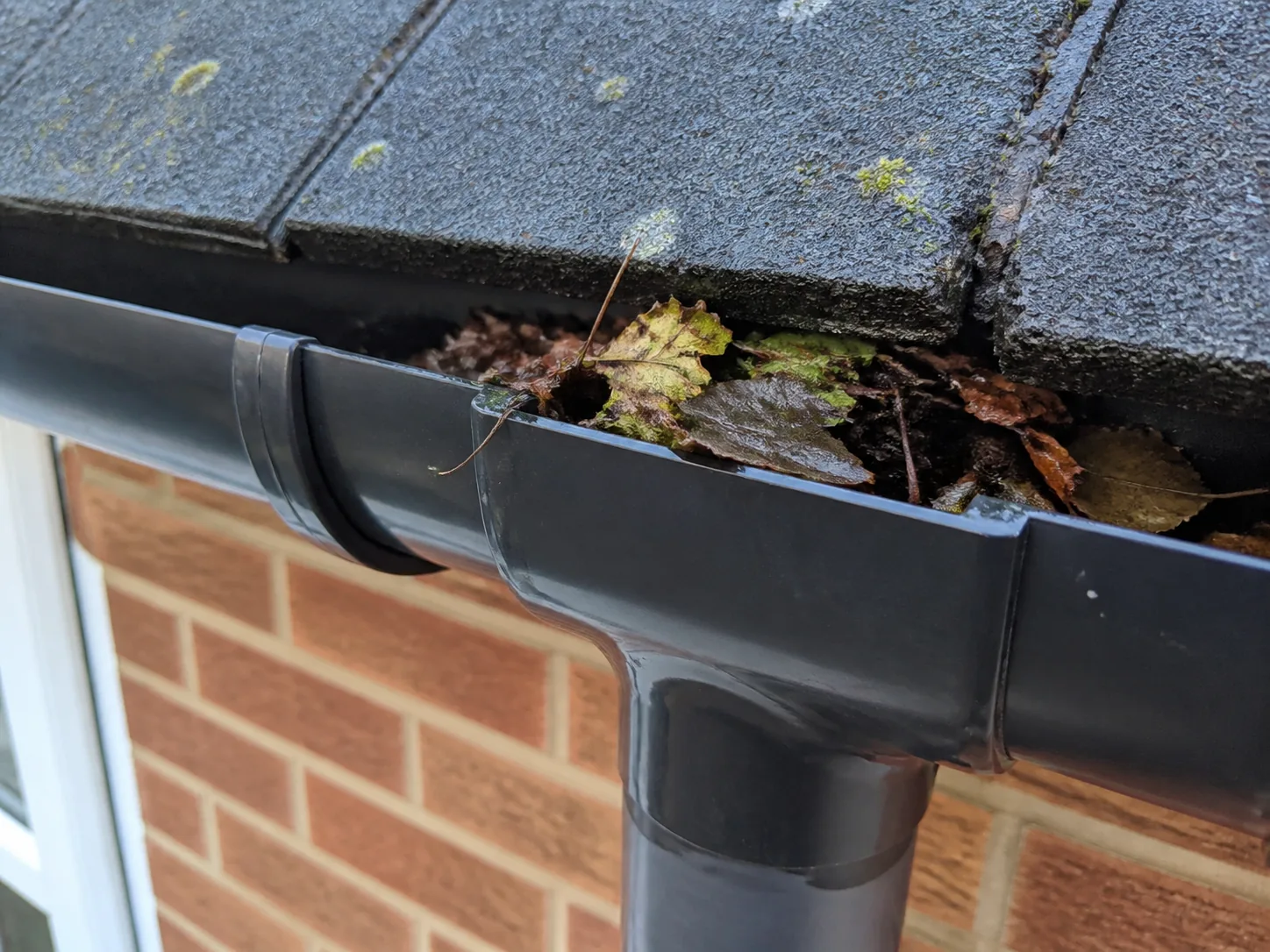
Wet leaves can settle into layers and slow water moving towards an outlet.
Rainwater routes · access · clear scope
A quotation is clearest when it states which channels are wanted and what surrounds them. Gutter cleaning in Ascot removes leaves, loose moss, silt and everyday debris from the agreed accessible runs. A reachable outlet mouth can be included where specified. Repairs, hidden downpipe restrictions, underground drainage and roof edges requiring another access arrangement are considered separately.
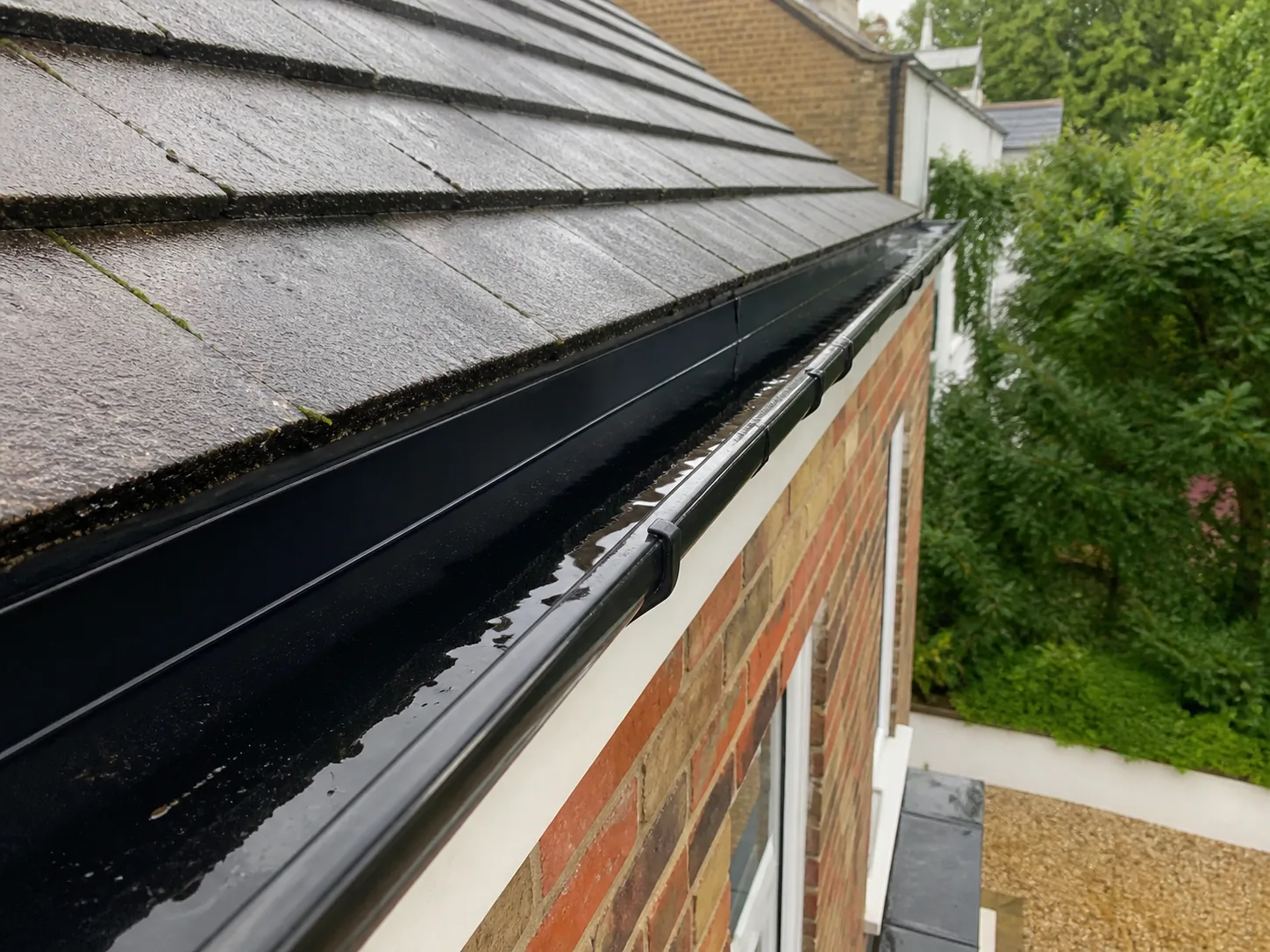
Seasonal context
A calendar alone cannot predict when every run needs attention. Leaves, seeds, grit and moss fragments arrive at different times, and shelter may slow drying in one corner. Observe visible material and rainfall behaviour to decide when a review is justified.
Nearby trees, roof moss, gutter shape and exposure can all affect how quickly material accumulates. A visible symptom is more useful than applying one fixed timetable to every address.
Common causes
Leaves may collect in a sheltered corner, catch loose moss and gradually trap fine sediment. The resulting mass can reduce space long before it rises above the rim. Routine cleaning deals with accessible build-up in the channels selected for the visit.
Wet leaves can settle into layers and slow water moving towards an outlet.
Loose roof moss can collect in the channel and hold other material in place.
Small twigs can bridge narrow points and trap lighter debris behind them.
Loose surface material may wash down from the roof during wet weather.
Older material can become dense and reduce the channel available for runoff.
Fine deposits can gather beneath larger debris and close to an outlet.
Local property context
For an Ascot property, the useful starting point is not simply house size but the number and position of gutter runs requested. A main roof, entrance canopy, addition and detached garage may each have independent channels. State the front, rear or side elevations wanted, along with smaller structures. Then describe different building heights, changing ground, planting, walls, narrow approaches and shared routes. These details help define a realistic scope at the actual address and avoid assuming that every visible roof edge belongs to one uncomplicated task.
The contents also influence the work. Dry leaves scattered through an open run differ from wet silt compacted around several corners, while moss can trap smaller grit near an outlet. A quotation for cleaning relates to removing such routine material from included accessible sections. It should not silently include resealing joints, correcting supports, clearing the hidden length of a downpipe or investigating drainage below ground. Known defects and continuing slow flow are best raised separately so the appropriate next step can be assessed.
Describe the route around each elevation, including gates, boundary space, lower roofs, extensions, conservatories and separate buildings. One open side does not confirm another. Shared or neighbouring access requires permission, and final inclusion depends on conditions at the address.
| Property situation | Access or gutter consideration |
|---|---|
| Detached houses with multiple wings | The relevant elevations and connecting corners should be listed rather than treated as automatic whole-house coverage. |
| Homes with entrance canopies | Small canopy gutters may drain separately and need an explicit place in the scope. |
| Properties with mature planting | Planting may affect both debris patterns and usable space around a requested run. |
| Homes with separate outbuildings | Each outbuilding roofline requires its own description and access decision. |
A clear service sequence
Structured service guide
| Tell us | What it establishes |
|---|---|
| Named elevations and small roofs | The intended extent |
| Building and ground levels | Separate access conditions |
| Walls, planting and restricted routes | Possible limits |
| Debris type and visible symptoms | The likely cleaning need |
Structured service guide
| Example | Cleaning contribution | Separate action |
|---|---|---|
| Compacted silt in a channel | Remove accessible deposit | None if water then moves normally |
| Loose union or split corner | Clear nearby routine matter | Repair the fitting |
| Open run with poor fall | No alignment change | Assess supports and position |
Structured service guide
| Location | Can be included | Remains separate |
|---|---|---|
| Accessible selected channel | Leaves, moss and silt | Damaged components |
| Reachable outlet entrance | Loose debris when agreed | Concealed downpipe |
| Drain below ground | No routine cleaning | Drainage work |
Structured service guide
| Feature | Quotation question |
|---|---|
| Entrance canopy | Is its short run required? |
| Several wings | Which elevations are included? |
| Detached outbuilding | Which roof edges and route apply? |
| Shared boundary access | Has permission been arranged? |
Quick answers
Name the required sides and smaller rooflines, describe levels and surrounding obstacles, and mention visible material or overflow. Add known faults separately so the cleaning boundary stays clear.
Not by itself. The selected gutter length, number of distinct runs, access conditions and amount of debris give a more useful picture than a broad house-size label.
Leaves, loose moss, silt, seeds and similar deposits can be removed from agreed accessible channels. Loose debris at a reachable outlet mouth is included only when that point is specified.
No. Garages, sheds and other separate structures need to be named with the relevant roof edges. Their location and access are considered independently from the main home.
Only if the apparent leak is actually backed-up water escaping from an otherwise sound channel. A failed seal, crack, loose joint or alignment problem requires separate repair work.
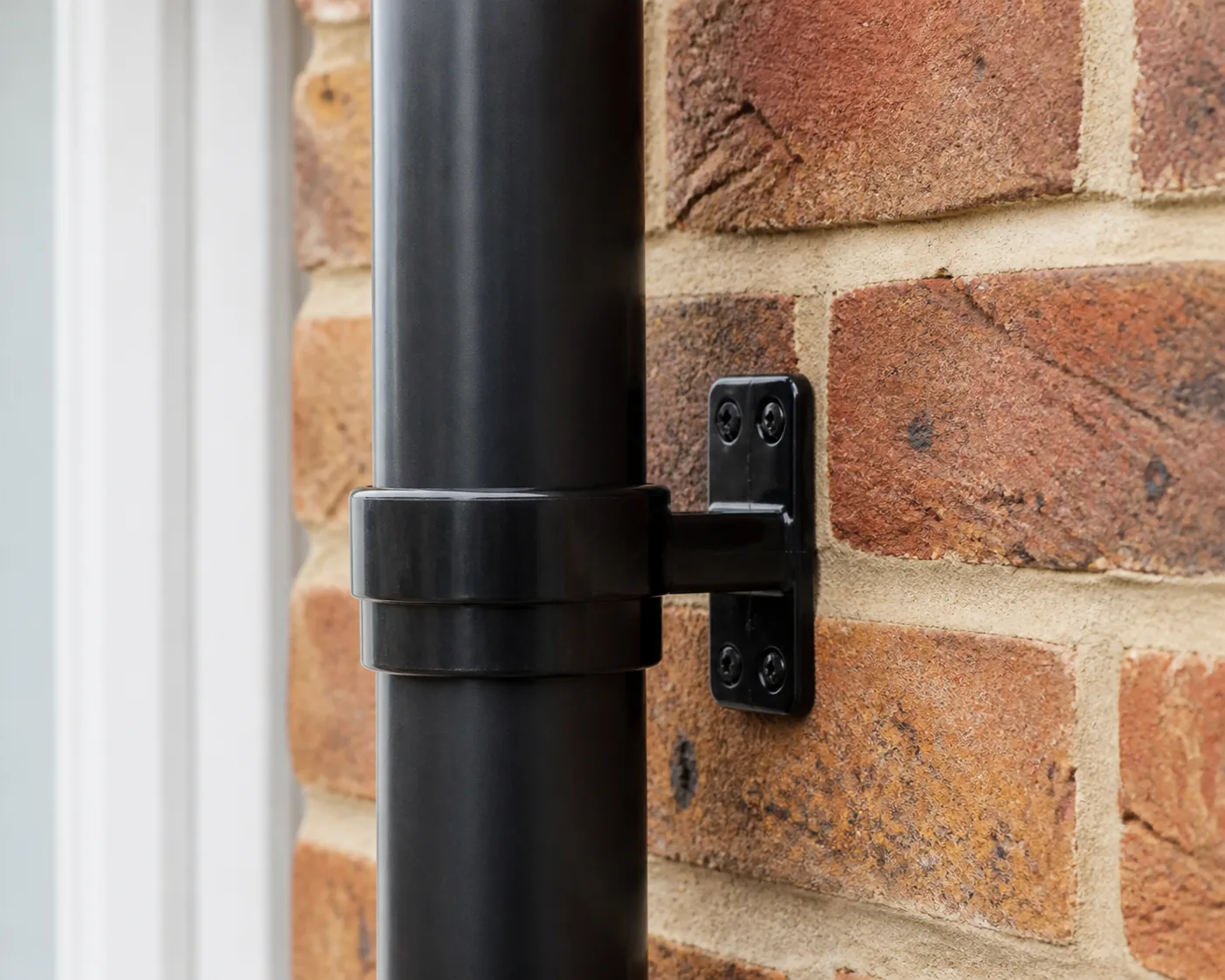
A reachable entrance is visible channel scope, while the pipe below is concealed and may include bends or an underground connection. Routine gutter cleaning does not investigate that hidden route.
Ascot service area
Nearby gutter-cleaning pages
Before booking
Routine cleaning does not cover repairs, realignment, inaccessible or unnamed rooflines, internal downpipe restrictions or underground drainage. It removes everyday loose debris from agreed accessible channels and may clear reachable outlet mouths where specifically included.
Porches, canopies, bays and additions may have independent channels and outlet points. Their combined length alone does not describe the task. Naming each one clarifies the extent and allows access to be considered in its own setting.
Yes, if the requested garage elevations are described and found accessible under the proposed arrangement. The garage is not automatically covered by work on the house, even if both can be reached from the same drive.
It can. Loose moss may trap grit and leaves, creating a wet compacted deposit rather than a light scattering. The quantity and density affect the likely work, provided the material is within an agreed accessible channel.
Loose material at a reachable mouth can be removed when agreed. A visible accumulation does not show whether more debris lies inside the downpipe. Any restriction beyond the entrance remains outside ordinary routine channel clearance.
It helps when debris is preventing movement, but water can remain because of poor fall, shifted supports or outlet position. If an empty run continues to pool, its components and alignment require a separate assessment.
Yes. A split, loose fitting or displaced section may affect the suitable scope and cannot be repaired through cleaning. Describing it early keeps the quotation accurate and allows the repair concern to be considered separately.
Not necessarily. Additions, walls, planting, slopes and enclosed areas can make each side different. Access is agreed elevation by elevation at the property, and a suitable front approach does not establish reach at the rear.
Track the runs that collect fastest and note when overflow or visible build-up returns. Seasonal leaf fall may matter, but seeds, grit and moss can arrive elsewhere in the year. Use the property's actual pattern.
Permission must be obtained and the route available before that elevation can be included. An assumed right of access is not enough. If the arrangement is unavailable, the affected channel may require a later, separately planned visit.
Discuss the actual roofline
Cost is shaped by the requested channel extent, separate levels, physical approach and the amount and character of debris. Multiple isolated runs can change the task even if each is short. Repairs, concealed pipework and any different access provision are assessed independently.
