Rainwater routes · access · clear scope

Clear decisions before gutter cleaning in Highgate

When exterior areas are shared, managed or reached through somebody else’s space, authority and access deserve attention before cleaning is arranged. At a Highgate address, the service can cover routine debris in accessible agreed channels and specified reachable outlets. Component faults, concealed downpipe problems, drainage below ground and any special access proposal require separate consideration.

  • Authority for exterior work confirmed first
  • Access checked for each requested elevation
  • Included channels and outlets named clearly
  • Damage and hidden restrictions assessed apart
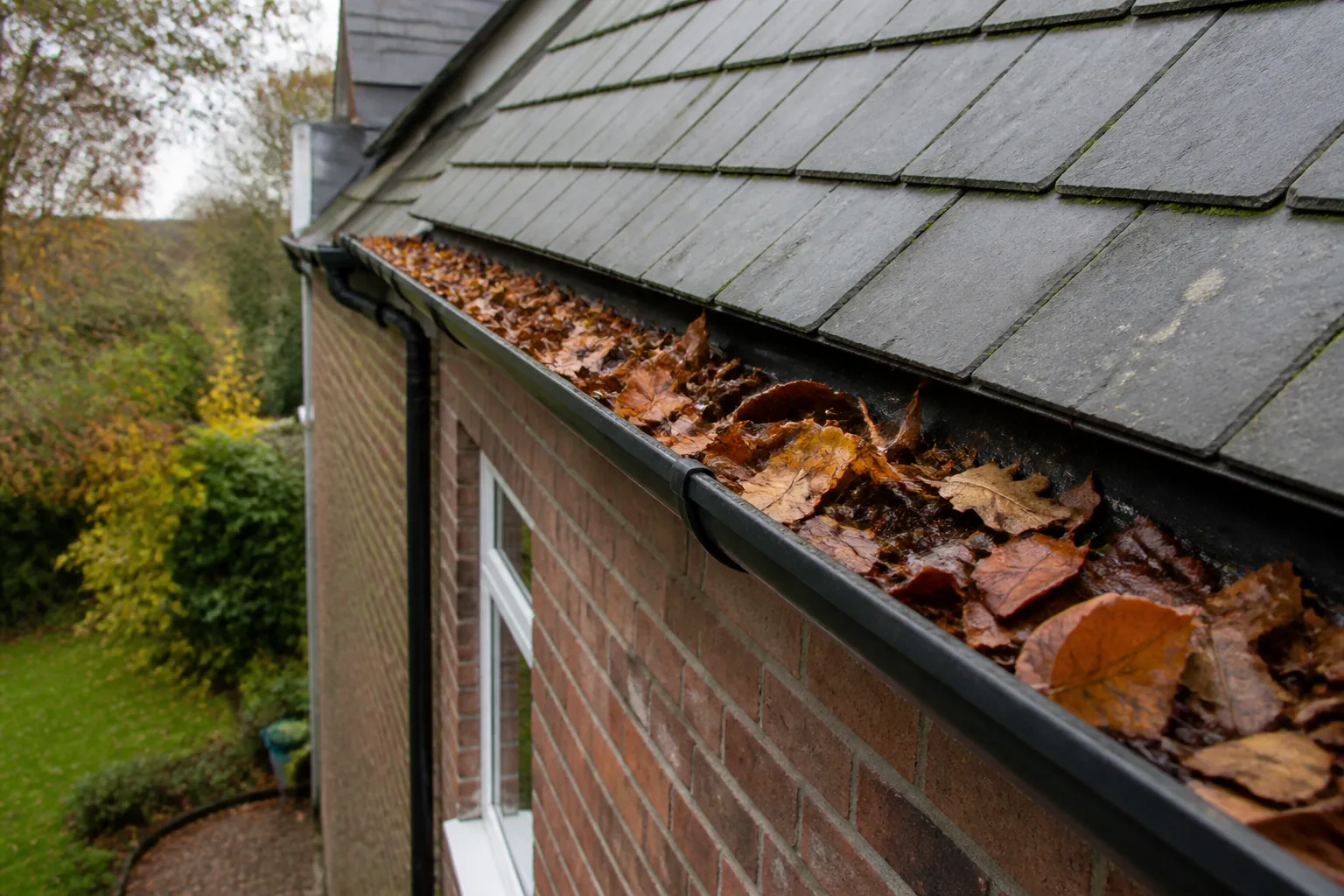
Gutter line on a UK property in Highgate
ConditionLeaves · moss · siltPropertyReviewed individuallyAccessPlanned before bookingServiceCleaning · visible findings
Cleaning scopeAgreed accessible gutter runs
DownpipesSeparate assessment may apply
DamageKept distinct from cleaning
PricingQuoted after access review

Visible clues

When the rainwater route may need attention

Water crossing a gutter edge, marks beneath a connection, plant growth and debris visible from ground level are useful observations to report. A detached section or open joint raises a different concern. None of these signs grants access or confirms responsibility for arranging work on shared exterior parts.

  • Water spilling over an edge during rainfall
  • Plant growth or debris visible from ground level
  • Staining beneath the gutter line
  • Water appearing to spill at a joint
  • Flow at a downpipe seeming restricted
Gutter condition relevant to a Highgate property

Local property context

Settle who can approve the work and the route in

A Highgate property could be occupied by one household, divided into flats or overseen through a management arrangement. Where gutters serve more than one part of a building, the person making the enquiry should establish who can authorise exterior maintenance and provide access. That may involve a front area, rear garden, communal passage or another controlled space. Clarifying responsibility early prevents a useful cleaning request from depending on permission that has not been obtained, and it helps identify whether the concern belongs to a shared channel or an individually served section.

Access can also differ markedly between elevations at the same address. A channel visible from an open front area may be easier to assess than one above a rear addition, enclosed courtyard or planted space. Roof level alone does not settle the question; the area below and the route to it are equally relevant. Each requested run should therefore be described separately, including any locked entry or restricted hours. The final agreement can then distinguish accessible channel clearance from an omitted section or another access arrangement that needs its own assessment.

A workable route may depend on keys, permission, communal opening times and clear space beneath the relevant channel. Lower roofs, enclosed areas and delicate surfaces can also affect reachability. These conditions are reviewed before any elevation is promised within the cleaning scope.

Property situationAccess or gutter consideration
House divided into flatsConfirm who authorises shared exterior work and which occupier can provide entry to the relevant side.
Managed residential buildingThe proposed channels, visit arrangements and any communal access conditions may need approval before booking.
Home with an enclosed rear areaOpening arrangements and clear space below the eaves should be established for the requested rear run.
Single household with several roof levelsAuthority may be simple, but each upper and lower section still needs its own reachability decision.

Structured service guide

Authorised scope for the rainwater route

AreaCan form part of routine cleaningWhat remains separate
Named gutter channelOrdinary loose debris where accessibleAny unauthorised or omitted run
Reachable outlet openingSurface material when explicitly agreedA blockage inside the pipe
Joint or supportNo corrective work within cleaningFault inspection and repair
Drain below groundNot part of channel clearanceA suitable drainage enquiry

Structured service guide

Separate debris clearance from building faults

SituationCleaning responseOther response
Leaves cover part of a runRemove reachable loose materialNo repair required from that fact alone
Water drips at a connectionClear nearby build-up if agreedAssess a failed seal or fitting
Bracket appears detachedDo not treat clearance as a remedyReview support and surrounding condition
Flow remains poor below the outletOpening attention may be completeAssess the concealed pipe route

Structured service guide

What informs the Highgate service quote

Planning factorQuestion to settleWhy it matters
AuthorityWho can approve exterior work?Confirms that the scope can proceed
EntryWhich controlled areas are needed?Establishes the route to each elevation
Roof arrangementHow many levels and runs are requested?Defines the cleaning extent
Outlet concernIs an opening reachable and included?Keeps pipe interiors outside the quote

Structured service guide

Conditional decisions for shared or controlled space

If the address hasConfirm firstResult for the plan
A communal rear passagePermission, keys and available timesInclude the route only when access is arranged
Gutters serving several flatsWho manages the exterior partsAgree one authorised scope for the relevant run
A private courtyard belowOccupier consent and clear working spaceAssess that elevation without presuming entry
A locked side gateWho can open it during the visitConfirm or omit the channels beyond it
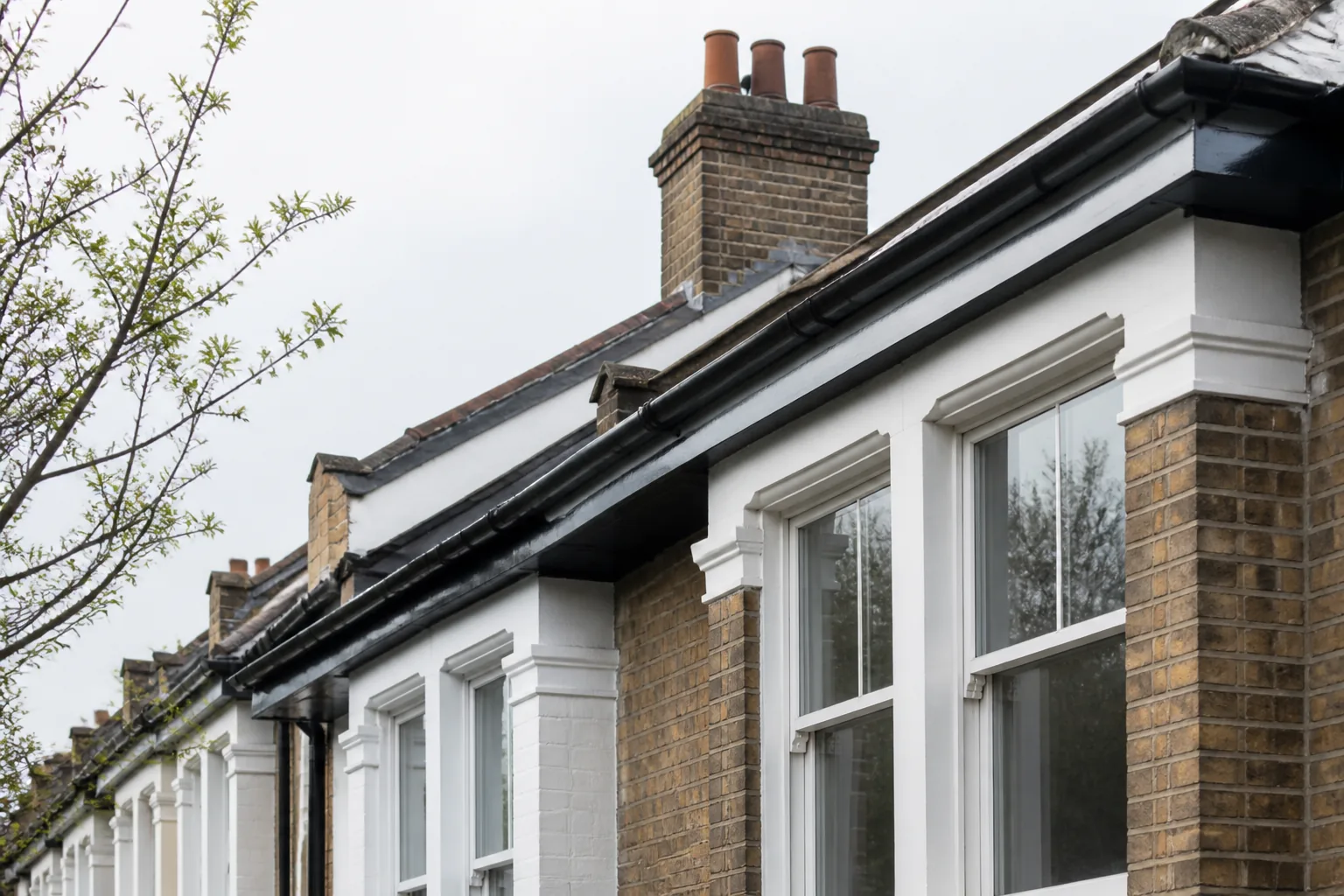
Rainwater goods on a UK property in Highgate

Seasonal context

Maintenance needs can change through the year

Seasonal change may bring leaf fall or storm-blown fragments, but shared buildings still need a property-specific approach. Previous overflow, known accumulation points and the condition visible from permitted areas can guide timing. Responsibility and access should be checked again if occupancy or management arrangements have changed.

Nearby trees, roof moss, gutter shape and exposure can all affect how quickly material accumulates. A visible symptom is more useful than applying one fixed timetable to every address.

A clear service sequence

From access review to a useful handover

  1. 01Review the propertyHeight, elevations and safe access are considered.
  2. 02Agree the scopeIncluded runs, outlets and exclusions are confirmed.
  3. 03Clear accessible debrisRoutine loose material is removed from agreed sections.
  4. 04Attend to outletsReachable openings are checked where included.
  5. 05Keep damage separateVisible faults are not presented as cleaning work.
  6. 06Explain the next stepDeeper blockages or repairs are assessed separately.

Quick answers

Useful points before booking

Who should arrange work on shared gutters?

The answer depends on ownership, lease and management arrangements. Check who is responsible for exterior maintenance and who can authorise access before booking work on a channel serving several parts of a building.

Can communal access be assumed?

No. Gates, courtyards, passages and gardens may be controlled or available only at certain times. Permission and entry arrangements should be confirmed for the proposed visit before that elevation is included.

What does authorised cleaning include?

It includes routine loose material in the accessible channel sections agreed by the responsible party. Reachable outlet openings are included only when specified, and hidden pipework remains separate.

Does a shared downpipe change the boundary?

It can change responsibility and the route requiring assessment, but routine cleaning still stops at the agreed reachable outlet opening. Any suspected restriction inside the shared pipe needs separate consideration.

Why identify the exact elevation?

Front, rear and side runs may have different access routes, permissions and roof levels. Naming the affected section helps avoid arranging entry for the wrong area or assuming the entire building is included.

Can a tenant request a quotation?

A tenant can make an enquiry, but authority to approve exterior work depends on the tenancy and building arrangements. The responsible landlord, agent or manager may need to confirm the final scope.

Before booking

Questions about gutter cleaning in Highgate

What is included in gutter cleaning in Highgate?

The agreed service removes leaves, loose moss, silt and similar debris from authorised channel sections that are accessible. Specified reachable outlet openings may also be attended to. Repairs, downpipe interiors, underground drainage and separately assessed access are excluded from routine cleaning.

Why confirm responsibility before requesting shared work?

A roof channel may serve more than one dwelling or form part of an exterior maintained by a landlord or manager. Confirming the responsible party avoids unauthorised work and ensures the correct person can agree scope, access and payment.

What if the rear garden belongs to another occupier?

That space should not be treated as available without permission. The occupier or responsible manager may need to arrange entry and keep the area clear. If access cannot be authorised, the rear channel cannot simply be included.

Can cleaning repair a channel that has pulled away?

No. A detached or displaced channel involves its supports, fittings or the surface behind them. Loose debris may be a separate concern, but physical correction requires repair assessment and may need to happen before cleaning is suitable.

How should I describe a gutter serving several flats?

Identify the building elevation, approximate roof level, visible spill point and connected outlet if known. Explain which areas provide access and who manages the exterior. This gives a useful starting point without asking an occupier to diagnose the route.

Is a courtyard enough space for access?

Not necessarily. Its dimensions, entry route, surfaces, planting and structures below the channel all matter. The courtyard can support inclusion only after the conditions at the address have been reviewed for the requested roof edge.

What if overflow affects more than one occupier?

The responsible party should consider the shared channel and connected route rather than treating each internal dwelling separately. Cleaning may address accessible debris, while a damaged fitting or concealed pipe restriction would require another assessment.

Can outlet attention prove a shared pipe is clear?

No. Removing material from a reachable opening only addresses that visible point. A downpipe continues out of sight and may connect with other routes, so its internal condition cannot be confirmed through routine channel cleaning.

Which information helps with a Highgate quotation?

Provide the requested elevations, roof levels, approximate channel extent, visible symptoms, access route and responsible contact. Mention locks, communal restrictions, additions beneath the eaves and outlet concerns. Those details help define the proposed work and exclusions.

When might permission need checking again?

Recheck it if the responsible manager, landlord, occupier or access arrangement has changed since the last visit. A previous entry agreement should not be assumed to continue, particularly where the service uses shared or controlled exterior space.

Discuss the actual roofline

Get a scope based on the property

A quote is based on the authorised channel sections, their levels and length, the available approach, expected debris and named outlet work. Coordinating entry or considering a separately planned access arrangement can change the proposal. Repairs and investigation inside pipes or drains remain outside the routine figure.

Chat