Rainwater routes · access · clear scope

Understand the connected gutter route in Crouch End

A visible overflow point may sit some distance from the material or outlet affecting the flow, particularly where channels continue towards a boundary or serve adjoining roof sections. For a Crouch End property, cleaning covers routine debris in accessible agreed runs. Shared responsibility, reachable outlet attention, repairs, hidden pipe restrictions and drainage beyond the gutter are clarified separately.

  • Connected roof sections identified before cleaning
  • Responsibility checked where routes are shared
  • Accessible routine build-up cleared as agreed
  • Pipe and repair concerns given separate scope
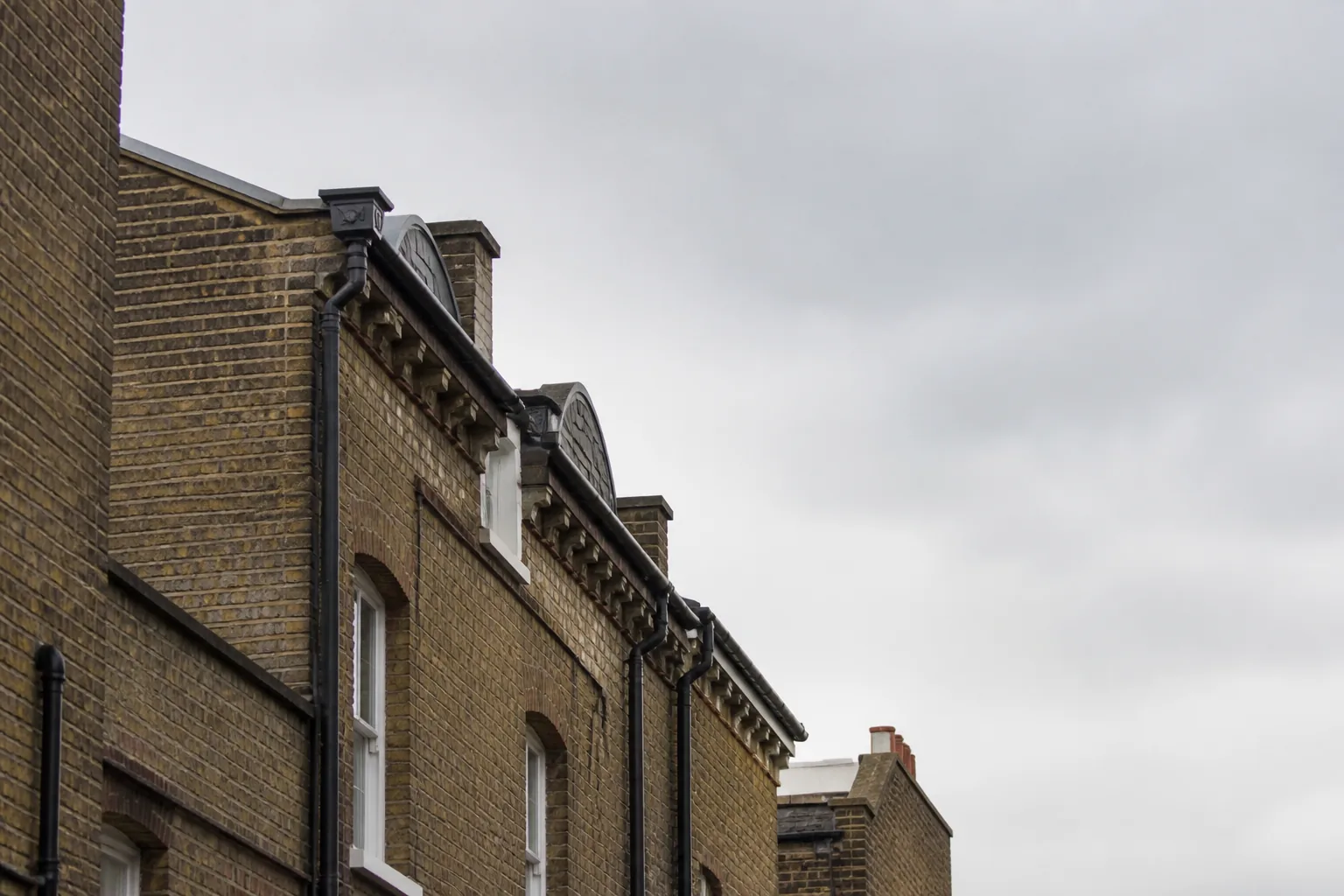
Gutter line on a UK property in Crouch End
ConditionLeaves · moss · siltPropertyReviewed individuallyAccessPlanned before bookingServiceCleaning · visible findings
Cleaning scopeAgreed accessible gutter runs
DownpipesSeparate assessment may apply
DamageKept distinct from cleaning
PricingQuoted after access review

Local property context

Trace the channel towards its outlet and boundary

A Crouch End home may have a gutter that ends within its own elevation, continues towards an adjoining roofline or shares a downpipe arrangement. The actual property and ownership details decide which description applies. When overflow appears near a boundary, note where the water escapes, which way the channel seems to run and where the nearest outlet sits if visible. This helps define the section that can be authorised for cleaning without assuming responsibility for a neighbouring run or treating a shared route as though it belonged to one household alone.

Connected channels do not change the basic service boundary. Accessible agreed sections can be cleared of leaves, loose moss, silt and comparable debris, and a reachable outlet opening can be attended to when included. The route inside a downpipe, a leaking union, a poorly supported length and underground drainage all need separate consideration. If a symptom continues after the agreed channel is clear, the next question may concern a section beyond the authorised area or a concealed part of the system rather than incomplete routine cleaning.

Front and rear sections may require different entry routes, and a connected channel can extend beyond the area available to one occupier. Gates, neighbouring land, lower structures and shared passages all affect reachability. Only authorised sections with agreed access form part of the visit.

Property situationAccess or gutter consideration
Terraced home with a continuous front channelConfirm the authorised section and where outlets sit before treating the visible roof edge as one cleaning task.
House sharing a downpipe positionResponsibility for the opening and any concealed restriction should be clarified between the relevant parties.
Property with separate front and rear routesEach route may have a different outlet, access arrangement and reason for attention.
Home with a rear addition near the boundaryThe addition can create another channel and may affect access to the original upper run.

Visible clues

When the rainwater route may need attention

Water spilling near a party line, damp marking below a joint, vegetation in one section or reduced discharge at a connected outlet can help locate the concern. Each remains an observation rather than a diagnosis, and responsibility for adjoining exterior parts should not be assumed.

  • Water spilling over an edge during rainfall
  • Plant growth or debris visible from ground level
  • Staining beneath the gutter line
  • Water appearing to spill at a joint
  • Flow at a downpipe seeming restricted
Gutter condition relevant to a Crouch End property

Structured service guide

Scope along a connected rainwater route

Part of the routeRoutine cleaning positionRequired clarification
Authorised accessible channelRemove ordinary loose depositsWhere the agreed section begins and ends
Reachable outlet openingClear surface debris if includedWhether the opening is within the authorised area
Concealed downpipeNot included in channel cleaningWho is responsible for further assessment
Drainage below groundOutside the routine scopeA separate drainage response

Structured service guide

Cleaning need or connected-system fault?

ClueCleaning can addressAnother assessment may address
Leaves gathered near a boundaryLoose debris in the agreed runResponsibility for adjoining sections
Leak at a unionMaterial causing local backing-upSeal, fitting or alignment failure
Outlet remains slowDebris at the reachable mouthObstruction deeper inside the pipe
Channel separates from the fasciaNo structural correctionSupports, fixings and repair

Structured service guide

Information that shapes the Crouch End quote

InformationWhat it establishesWhy it affects cost
Authorised lengthThe exact section available for cleaningSets the amount of channel work
Separate elevationsFront, rear and lower roof routesShows different access needs
Outlet locationsWhere agreed channels dischargeClarifies reachable opening attention
Boundary conditionsWhether shared or adjoining space is involvedPrevents unapproved access assumptions

Structured service guide

Conditional questions for adjoining rooflines

If the gutterAskPlan accordingly
Continues beyond the boundaryWhich section can the customer authorise?Limit cleaning to the agreed accessible extent
Feeds a shared outletWho controls the opening and pipe?Confirm outlet work or keep it separate
Overflows beside a neighbour’s sectionWhere are debris and fittings visibly affected?Avoid assigning cause from spill position alone
Runs above a rear additionCan each side be reached without adjoining land?Assess the upper run independently

A clear service sequence

From access review to a useful handover

  1. 01Review the propertyHeight, elevations and safe access are considered.
  2. 02Agree the scopeIncluded runs, outlets and exclusions are confirmed.
  3. 03Clear accessible debrisRoutine loose material is removed from agreed sections.
  4. 04Attend to outletsReachable openings are checked where included.
  5. 05Keep damage separateVisible faults are not presented as cleaning work.
  6. 06Explain the next stepDeeper blockages or repairs are assessed separately.

Quick answers

Useful points before booking

Why trace the direction of the channel?

Water and loose material can move towards an outlet away from the visible spill point. Understanding the apparent route helps identify the relevant section without claiming that the symptom proves a particular blockage.

Can a shared run be booked by one household?

Only the properly authorised scope should be arranged. Ownership, lease or management terms may determine responsibility, and access to adjoining exterior areas cannot be assumed from the channel’s appearance.

What debris can be cleared?

Leaves, loose moss, silt, small twigs and similar routine build-up can be removed from accessible agreed channels. Reachable outlet openings are included only when they are named in the scope.

Does cleaning include a shared downpipe?

No. Agreed attention may cover loose material at a reachable opening, but the pipe interior is concealed. Responsibility and any deeper restriction require a separate assessment.

Can overflow appear away from the blockage?

Yes. Water may back up and escape at a low edge or joint away from accumulated debris. Damage or alignment can also contribute, so the location of spillover is not conclusive.

What should I say about a boundary?

Explain where the roof edge, outlet and spill point sit in relation to it, and whether access crosses shared or neighbouring space. Avoid assuming permission; the authorised area must be established.

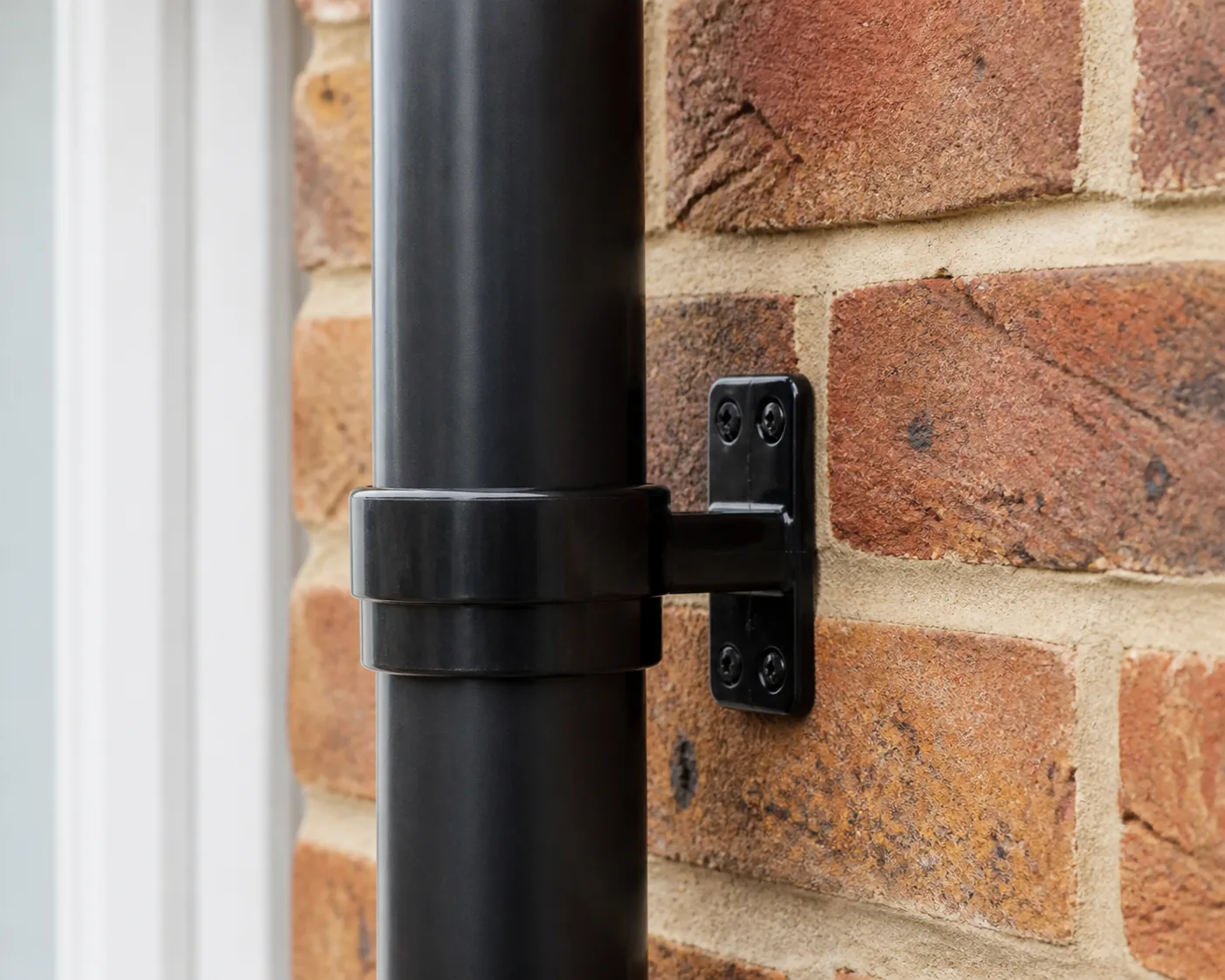
Rainwater goods on a UK property in Crouch End

Seasonal context

Maintenance needs can change through the year

Falling leaves and storm-blown material can travel along connected channels, so the point of accumulation may shift over time. Moss and silt can also build gradually. Checking visible condition at outlets, corners and boundaries after relevant weather is more useful than relying on a fixed date alone.

Nearby trees, roof moss, gutter shape and exposure can all affect how quickly material accumulates. A visible symptom is more useful than applying one fixed timetable to every address.

Before booking

Questions about gutter cleaning in Crouch End

What does gutter cleaning in Crouch End include?

It includes removal of routine leaves, loose moss, silt and comparable debris from accessible channel sections that have been authorised and agreed. Reachable outlet openings may be added explicitly. Repairs, hidden pipe restrictions, underground drains and separate access arrangements are excluded.

How do I identify the relevant part of a continuous run?

Note the visible overflow point, nearby joints, corners and outlets, plus the direction the channel appears to follow. Also clarify the property boundary and who controls adjoining sections. These details support a defined scope without requiring a diagnosis.

Who is responsible for a gutter shared with a neighbour?

Responsibility depends on the property ownership and any lease or management arrangements. Check the applicable information and agree access with the relevant party before work is booked. The physical continuity of a channel does not settle authority.

Can debris from another roof section affect mine?

Material can move along connected channels towards a shared corner or outlet, depending on the actual layout and flow. That possibility does not establish responsibility. The authorised accessible sections and the observed accumulation should guide the cleaning discussion.

Will clearing my section resolve overflow next door?

It may improve flow if the relevant accumulation is within your authorised run, but no outcome can be promised. The cause could sit in another channel section, a defective fitting, a shared downpipe or drainage farther along the route.

What if the nearest outlet is on a boundary?

Its ownership, access and relationship to the agreed channels should be clarified first. Loose material at the opening can be removed only if it is reachable and included. Any restriction below remains a separate pipe issue.

Can a leaking union be solved by cleaning?

Cleaning may reduce backing-up if debris is causing excess water around the union. It cannot restore a failed seal or displaced fitting. If leakage continues when the channel is clear, repair assessment is the appropriate next step.

How are front and rear gutters handled?

They can be scoped as separate routes because their outlets, access and connections may differ. A clear front approach does not guarantee rear access, and concern at one elevation does not automatically require cleaning every other channel.

Why might a connected downpipe need further assessment?

A reachable opening reveals only the top of the route. The pipe may continue behind or between exterior sections before reaching drainage. Routine gutter cleaning cannot establish the condition of that concealed length or anything below ground.

What affects a Crouch End cleaning quote?

The quote considers the authorised runs, their length and levels, the entry route, space below the eaves, likely debris and agreed outlet attention. Shared boundaries, repairs and suspected restrictions beyond the visible channel are assessed separately.


Discuss the actual roofline

Get a scope based on the property

The quotation reflects the authorised channel length, roof levels, access to each side, likely accumulation and any reachable outlet work. Where a run continues beyond the property’s agreed area, that boundary is stated. Repair, concealed downpipe or drainage concerns are priced through a separate assessment.

Chat