
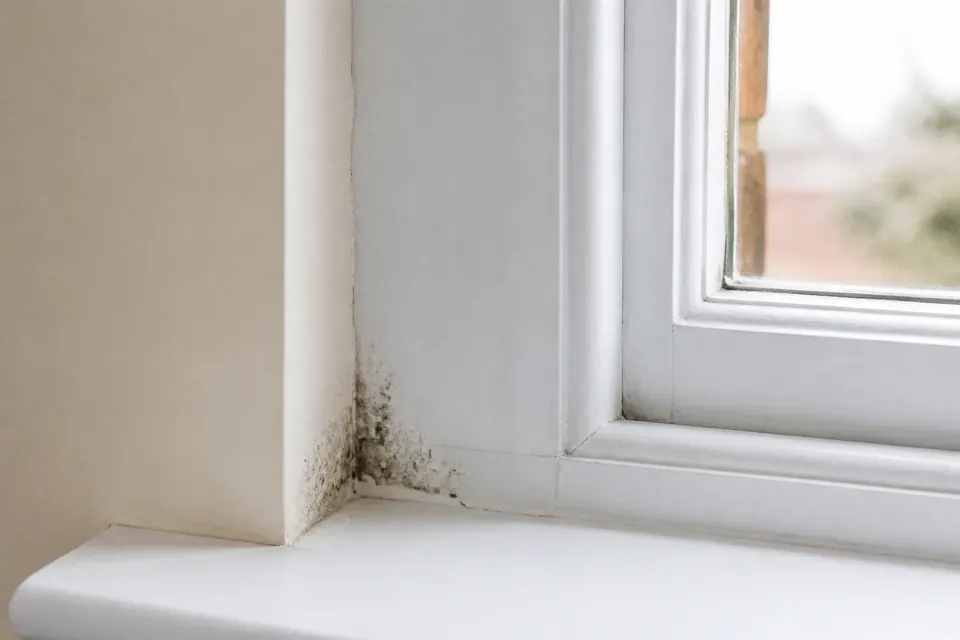
The flat window reveal
Photograph the marked interior finish and identify whether related frame work is controlled by another contact. Interior treatment should not be assumed to include repairs to building components.
ACTON / RENTAL-FLAT COORDINATION
The evidence and the access plan need to reach the same person.
In an occupied Acton flat, the person requesting a quotation may not be the person meeting the team. Start with the affected room, its finish and the contact who can coordinate entry. A clear enquiry avoids a proposed visit depending on permissions or information that have not been confirmed.
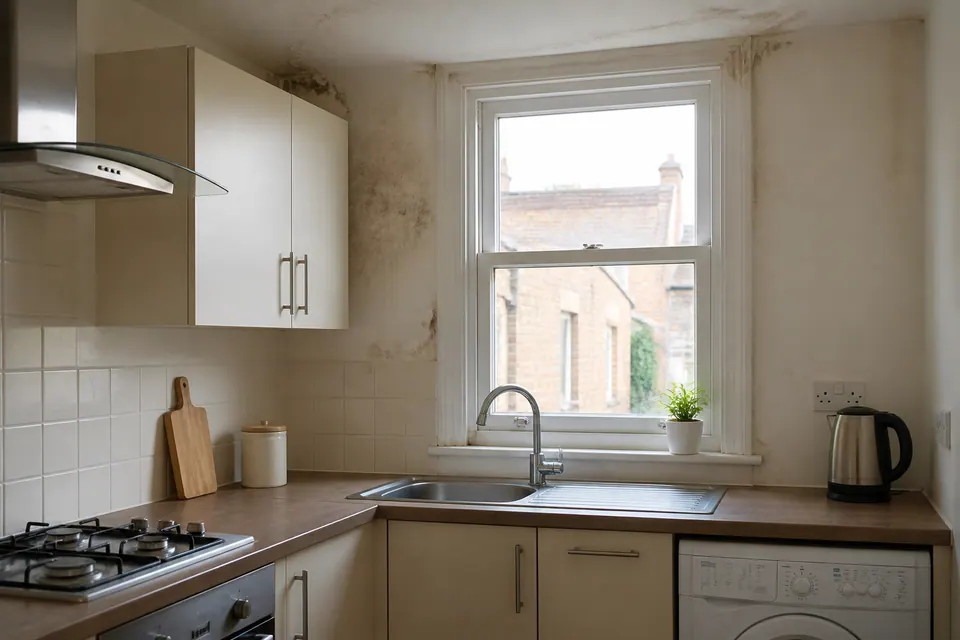
Photographs · permissions · occupant instructions
01 / LOCATE THE ISSUE
Select the affected setting and identify whether it lies inside the private flat or in a separately controlled area. Keep the surface evidence attached to that location.
Photograph the marked interior finish and identify whether related frame work is controlled by another contact. Interior treatment should not be assumed to include repairs to building components.
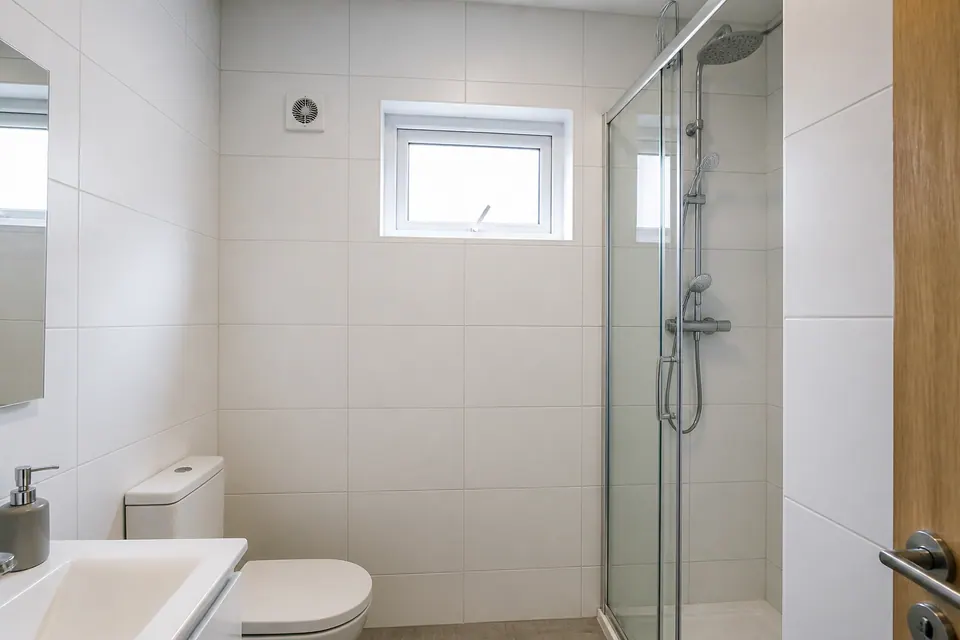
Describe ceiling, wall or sealant condition distinctly. Explain who uses the facility so preparation can be communicated without treating a bathroom label as a complete scope.
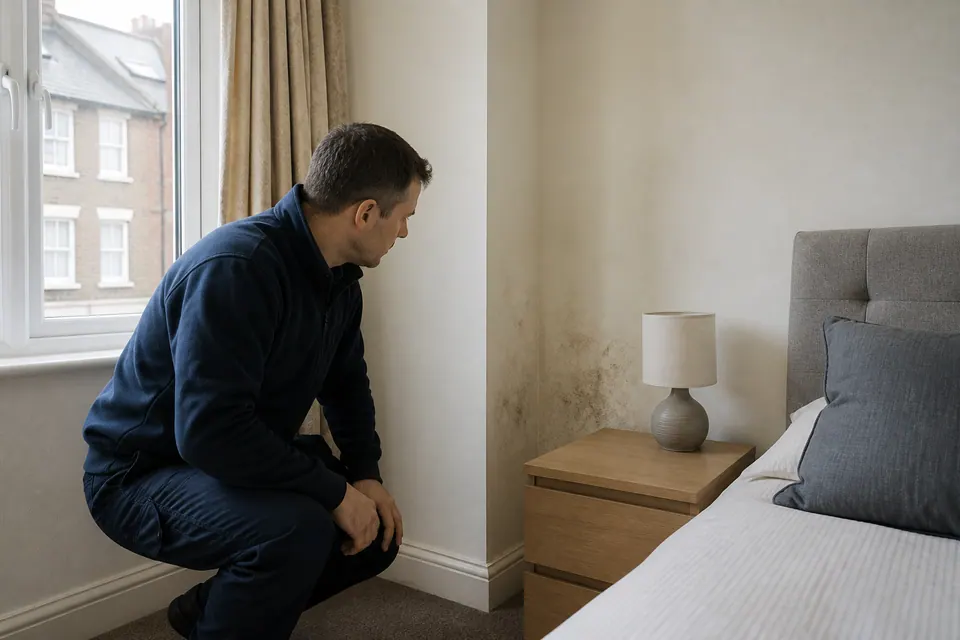
Confirm that the person arranging the visit can provide entry to the named bedroom. Photos and permission for another room do not establish access here.
Show fixed units restricting reach and report any confirmed leak history. The occupant may have observations while another contact holds repair information; keep both clearly attributed.
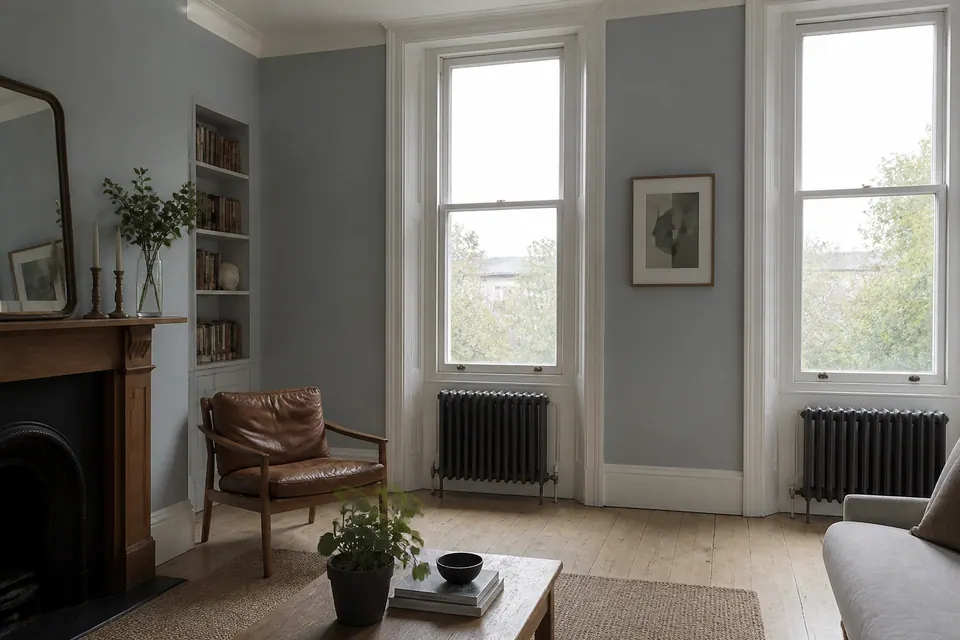
Explain who needs preparation instructions and what furniture limits the affected wall. Shared use does not remove the need for an agreed treatment boundary.
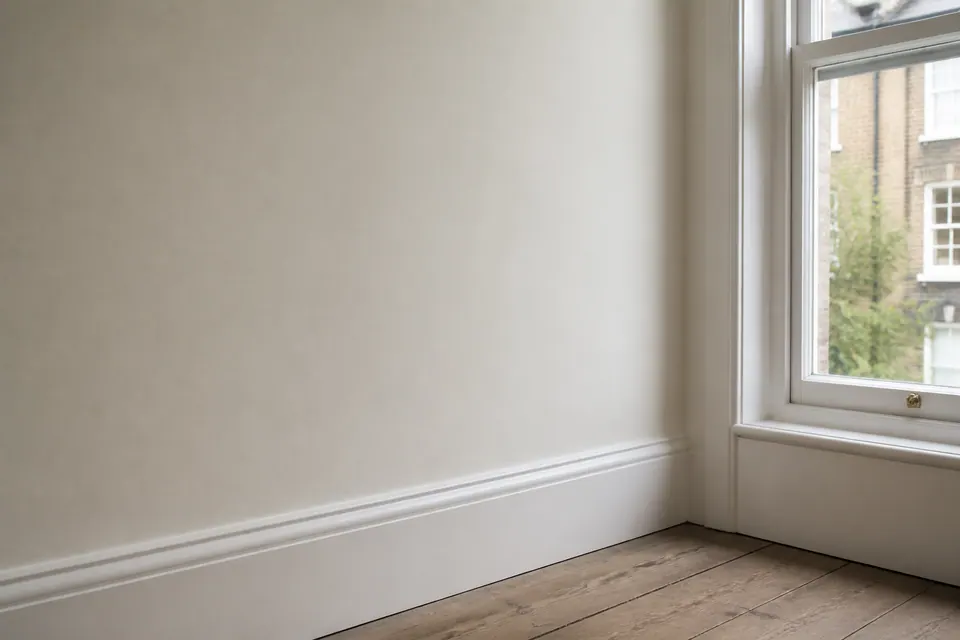
Use a safe room view and describe the coating. Do not ask the occupant to climb or scrape material merely to provide a more detailed enquiry.
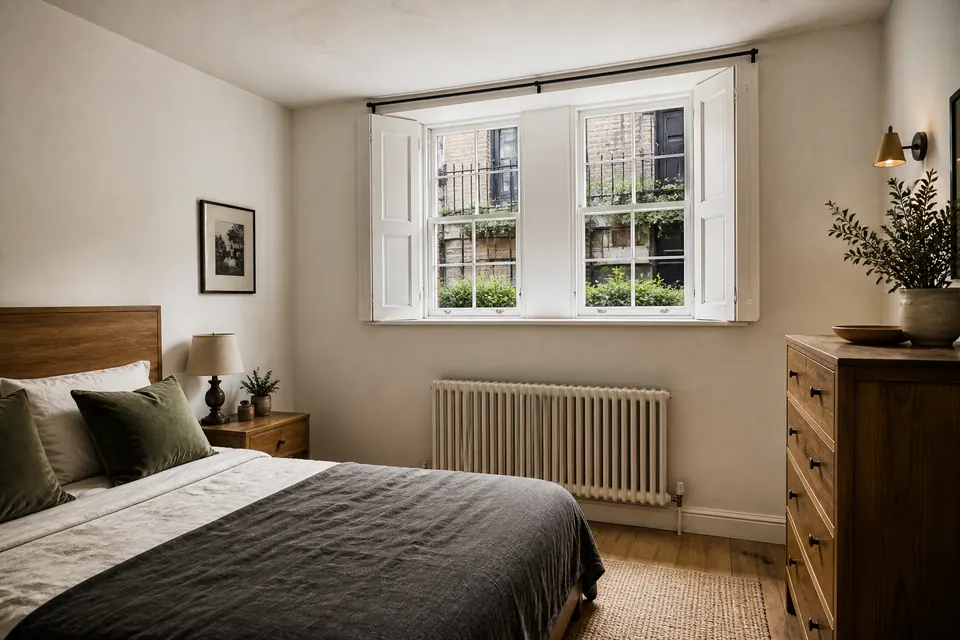
State whether it can actually be opened for assessment. An area that remains unavailable should not be counted as inspected or automatically included.
The contact arrangement helps organise work, but it does not identify the moisture cause or decide responsibility for repairs.
Acton / OCCUPIED-FLAT VISITS
Building entry is only the first part of access.
Explain which room is affected and whether another person controls its entry or the booking decision. Provide the visible surface evidence without sharing unnecessary personal details. If maintenance records sit with a landlord or manager, ask for the relevant confirmed information rather than filling the gap with a suspected cause. Practical coordination should not be confused with deciding legal repair responsibility.
03 / SEPARATE THE QUESTIONS
Collect observations and confirmed records without turning incomplete information into a diagnosis.
| What the occupant can report | Possible assessment context | Record that may help |
|---|---|---|
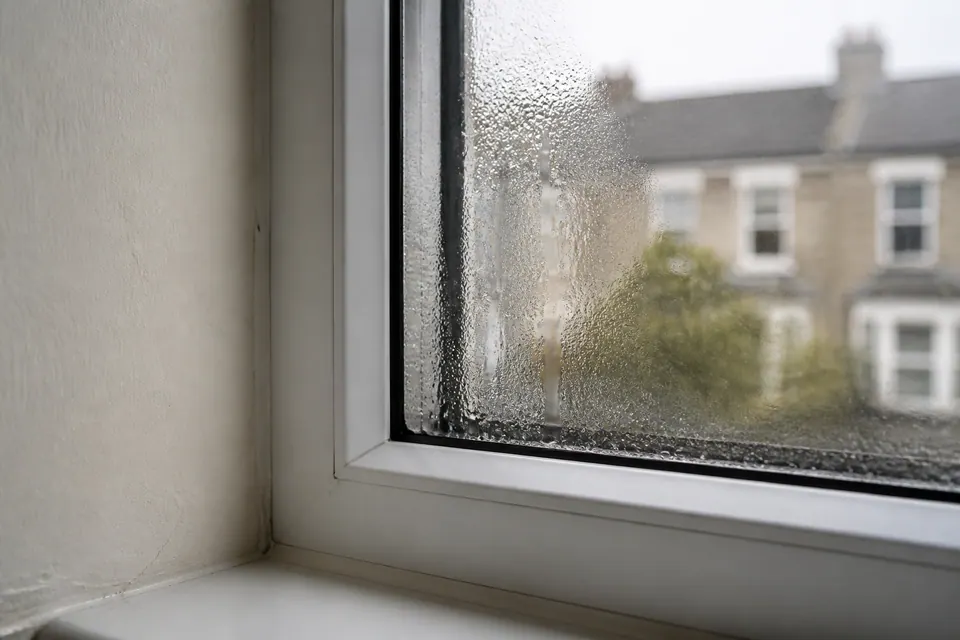
| Water at the bedroom window | Moisture near the affected reveal | Any confirmed frame work relevant to that opening |
| Bathroom spots returning | Repeated dampness or drying limitations | Previous treatment and actual ventilation arrangements |
| Wall changes after a reported leak | Water exposure and material condition | Whether the leak repair is confirmed complete |
| Marks persisting through a tenancy change | A continuing condition or residual damage | Earlier photographs and the work they preceded |
Neither permission to enter nor a completed repair appointment proves that an affected material is suitable or dry. Treatment, investigation and repair need their own clear decisions.
One person may see the patch while another holds the repair history.
| Record | Mould | Damp / moisture |
|---|---|---|
| Condition described | Fungal growth on the named exposed finish | Excess moisture relevant to the room or material |
| Useful contribution | Visible extent and present coating condition | Known water events and confirmed repair status |
| Why compare them? | Treatment does not establish a completed moisture repair | Persistent moisture may allow growth after a visit |
| Next agreement | The suitable accessible surface to be treated | Any separate investigation or unfinished repair |
04 / DIRECT ANSWERS
The photographs can start an enquiry. Include the actual room, finish and history, and confirm who can answer questions about access and preparation before booking.
No cosmetic covering is needed to make the room presentable. It does not replace growth assessment and may obscure the current evidence.
Say the timing is unknown and provide the first available observation. Do not invent a history to make the enquiry seem complete.
After the affected extent, material and access are reviewed. Entry availability is a practical constraint, not a measure of treatment time.
The person using the space needs them, even if someone else pays or books. Agree how the applicable information will reach the occupant.
Describe that constraint early. Suitable surfaces can be assessed, but facility use during and after the work needs specific guidance.
Not automatically. Explain any related maintenance arrangement and keep the accessible interior finish distinct from repair of the opening.
No. It provides practical enquiry information, not legal advice or an allocation of repair duties.
05 / QUOTATION, NOT GUESSWORK
Send the Acton room photographs with a contact who can clarify the evidence. Small suitable accessible areas may be quoted from photographs; repeat or multiple concerns require assessment, and complex damp or damaged material may need specialist quotation.
Read the published quotation basis ↗| Proposed area | Quotation route | Coordination detail |
|---|---|---|
| A limited suitable accessible surface | Photographs may support quotation | Confirm the pictured room can be entered |
| Repeated growth or several rooms | Assessment of the relevant areas | Collect separate room histories and access arrangements |
| Damaged material or unresolved damp | Specialist quotation where needed | Supply confirmed maintenance information |
Before confirming, make sure the scope and instructions reach the relevant people. Payment or booking arrangements do not expand the work to unlisted rooms or repairs.
06 / A CONTROLLED APPROACH
Clarify the finish, visible extent and information gaps with the appropriate contact. Agree the suitable accessible area rather than a vague whole-flat task.
Ensure room users receive the applicable instructions. Entry and contents arrangements should be confirmed before attendance.
Work within the named surface scope. Additional inaccessible rooms or repair issues require discussion, not assumptions based on the booking contact.
Explain the treated area, remaining condition and applicable return guidance to the relevant people. Keep any separate repair questions explicit.
Good coordination does not promise an identical cosmetic outcome on every material.
Match photographs to the accessible private space.
Treat suitable named surfaces under the agreed arrangement.
Ensure the occupant receives relevant room-use guidance.
The sequence explains coordination and treatment stages, not a customer outcome. Continuing moisture may lead to recurrence.
07 / WHEN IT COMES BACK
Keep earlier photographs and the actual work description where available. A change of occupant does not reset the material history, but missing records should be acknowledged rather than reconstructed from assumptions.
Report the present condition and any known intervening repair. The new enquiry should distinguish residual staining from a newly observed change and avoid assigning blame based on who occupies the room.
A dated note naming the treated surface is more useful than a general statement that the flat was dealt with. Share relevant information through the appropriate booking contact.
08 / ROOM-BY-ROOM CONTEXT
Name the affected material and who needs facility-use guidance. Ceiling treatment and resealing should not be combined by assumption.
Confirm room entry and show the nearby furnishings. The building key alone does not establish access to the affected sleeping space.
Describe fixed fittings and known water incidents. Ask the relevant contact for repair status rather than inferring it from the room appearance.
Identify who uses the room and needs preparation information. Keep the marked wall distinct from a general household-cleaning request.
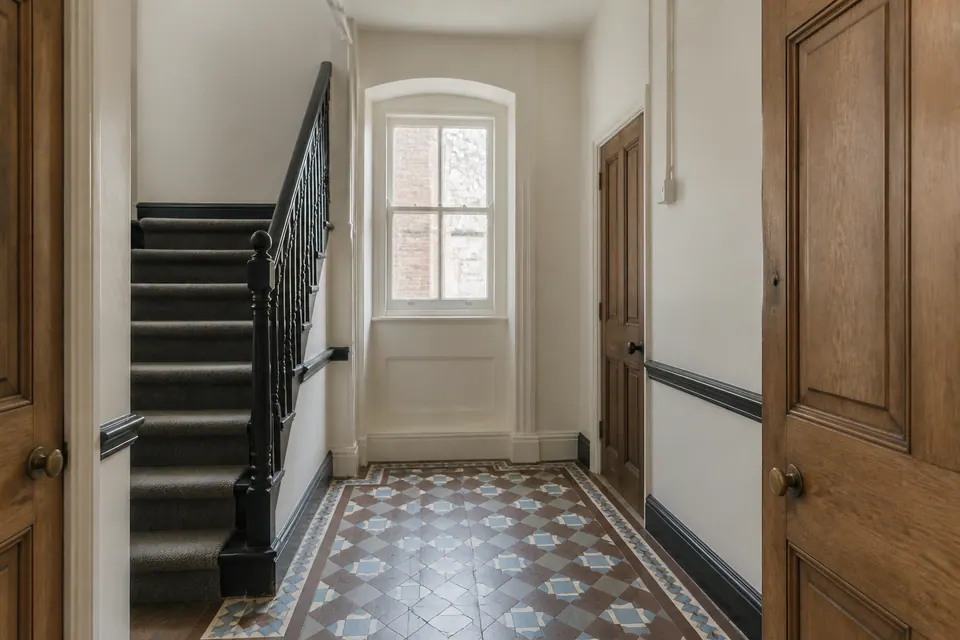
Clarify whether this is outside the private dwelling. Another contact may need to authorise any work there separately.
Report level and visible condition without an assumed damp explanation. The tenancy or floor level does not determine suitability for treatment.
Acton / ACCESS & PEOPLE
Arrange a reliable way to clarify photographs and scope. Someone at the property may need to answer questions the person booking cannot observe directly.
Confirm the actual room and practical preparation requirements. Do not expect the occupant to guess instructions from a calendar invitation alone.
Request relevant records of known leaks or previous work. Distinguish confirmed information from recollection or a suspected explanation.
Document the visible condition and seek the necessary booking arrangements. Do not disturb growth or remove coverings to establish who is responsible.
Keep the occupant informed and supply useful maintenance history. The work plan should not depend on unexplained assumptions about access or completed repairs.
The same clarity applies when the owner lives in the flat: name the surface, confirm preparation and separate treatment from any building-management repair.
Acton / PLAN THE APPOINTMENT
Provide the Acton postcode and confirm who can meet the team at the affected room. Ask about availability once the evidence and practical contact arrangement are clear.
Keep access credentials out of public descriptions and communicate necessary entry information through the booking process.
The area map can help explain the property location.
Acton / BEFORE BOOKING
Practical clarity helps the enquiry without deciding legal responsibilities.
Explain that arrangement and identify who receives the scope and instructions. The relevant people should be able to clarify the affected room before the visit.
Ask for the confirmed information relevant to the patch. If it is unavailable, say so rather than assuming that a reported repair was completed.
No. Provide visible observations, material details and known events. Do not turn an incomplete account into a conclusion about the moisture source.
Discuss any additional room explicitly. It must not be assumed assessed or included simply because it is in the same flat.
The agreed scope determines the work. Who pays does not automatically add building repairs, decoration or further rooms.
Follow the preparation arrangement agreed for the room. Do not assume the occupant or team will perform unplanned handling.
Ask how applicable return guidance will reach the occupant. Do not rely only on the time the booking contact expects the visit to end.
They can add history if their date and room are clear. Include current images so the present condition is not confused with the earlier record.
No. The page concerns practical assessment and booking information, not legal responsibility or a determination of repair obligations.
CONNECT THE ROOM AND THE CONTACT
Send the postcode, affected-surface photographs and the person coordinating entry. Identify any known repair information and keep the occupant involved in preparation.
Illustrative interiors are not photographs of a specific rented-flat treatment.
