
An occupied flat
Explain essential bathroom use and entry arrangements. The person booking should know whether the room can actually be released under the proposed instructions.
FULHAM / BATHROOM CEILINGS
Look at the ceiling finish, not only the dark spots.
A bathroom ceiling can have intact paint, flaking edges and visible spotting at the same time. Describe those conditions separately when contacting Alesta in Fulham. Include the room layout and any known water history so the enquiry starts with evidence rather than an assumed extractor fault.
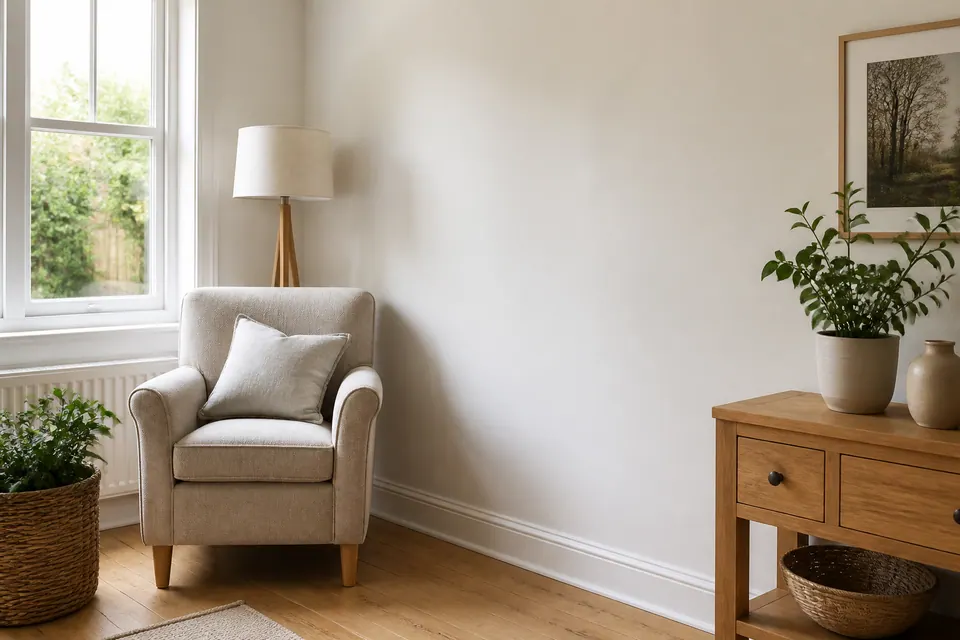
Paint condition · shower position · known history
Fulham / ACCESS & PEOPLE
Explain essential bathroom use and entry arrangements. The person booking should know whether the room can actually be released under the proposed instructions.
Name the affected room rather than saying all bathrooms are involved. An alternative facility can help planning but does not change the assessed ceiling material.
Describe fittings, enclosure edges and safe access limitations. A photo from the floor is acceptable; do not improvise a platform for the enquiry.
Share observed changes and known water events with the booking contact. Obtain appropriate arrangements for the work without treating this page as a decision on repair liability.
Provide relevant plumbing or ceiling-repair records where available. Clarify whether an earlier appointment addressed water entry, decoration or actual growth.
Keep extractor, plumbing and decorative decisions separate from suitable surface treatment. Agree any necessary order of work before committing the only bathroom to a date.
02 / LOCATE THE ISSUE
Use the selector to locate the affected finish. A ceiling problem should not be described as if every surface in the room needs the same work.
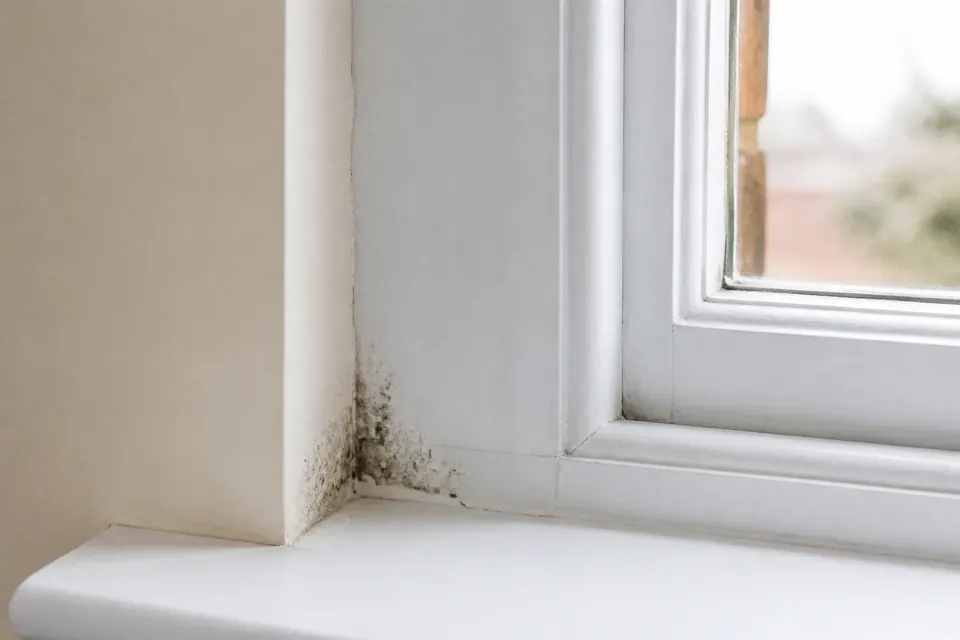
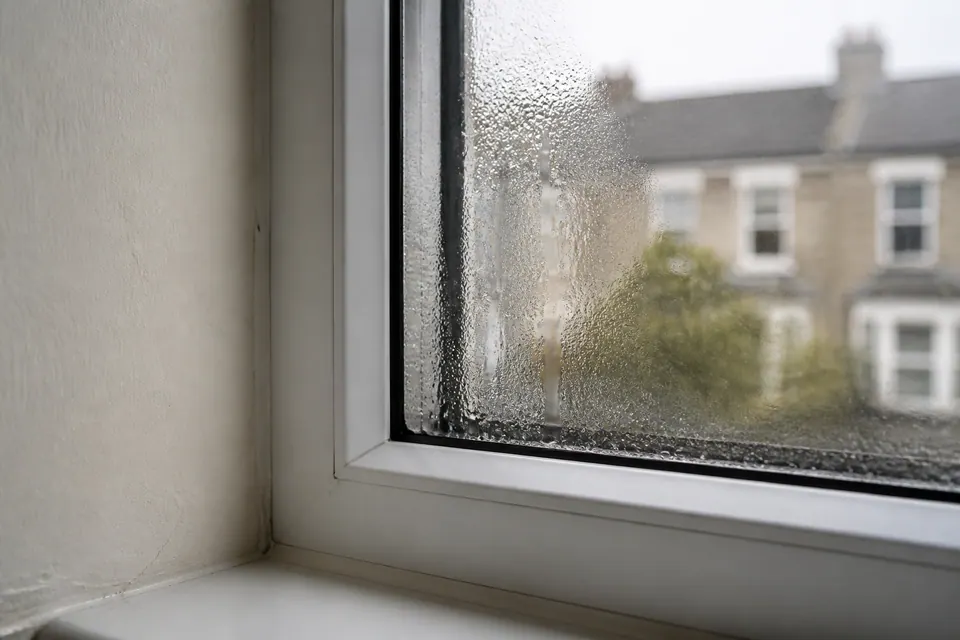
Show whether the change sits on the reveal, frame or ceiling next to it. Water on the pane is worth reporting but does not identify the cause of every nearby mark.
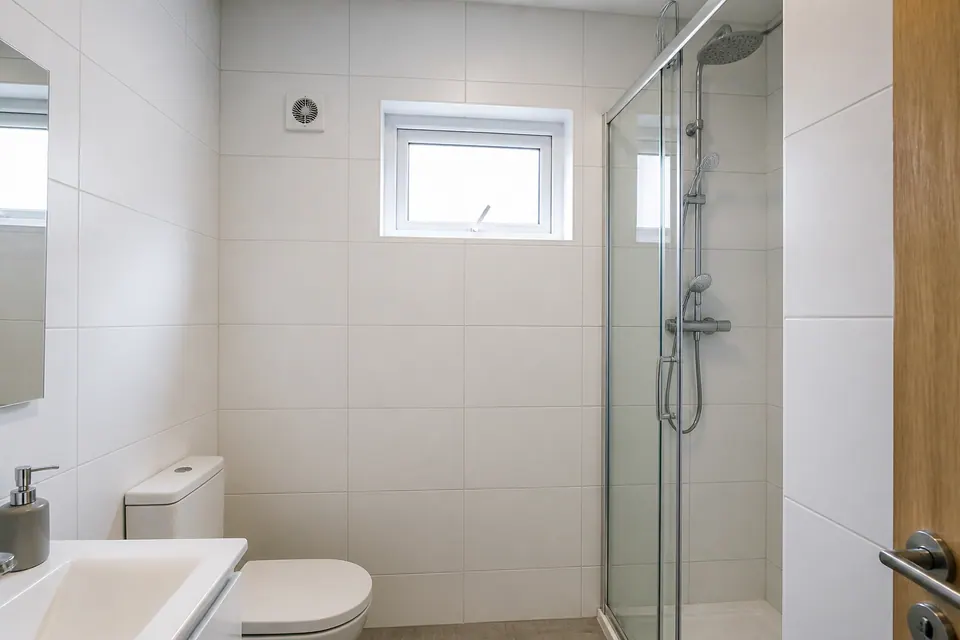
Include the full ceiling relationship to the bathing area. Photograph safely from below; do not stand on the bath to get closer. Mention whether the coating remains intact around the spotting.
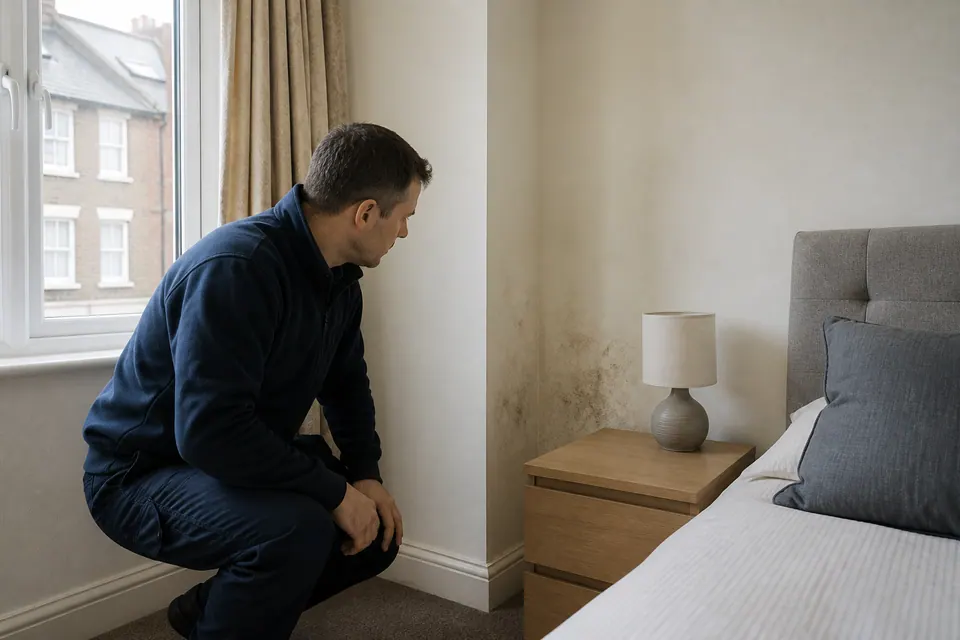
If a bedroom also has marks, give it a separate description. An adjacent wall may have another finish and history, so it should not inherit the bathroom’s assumed explanation.
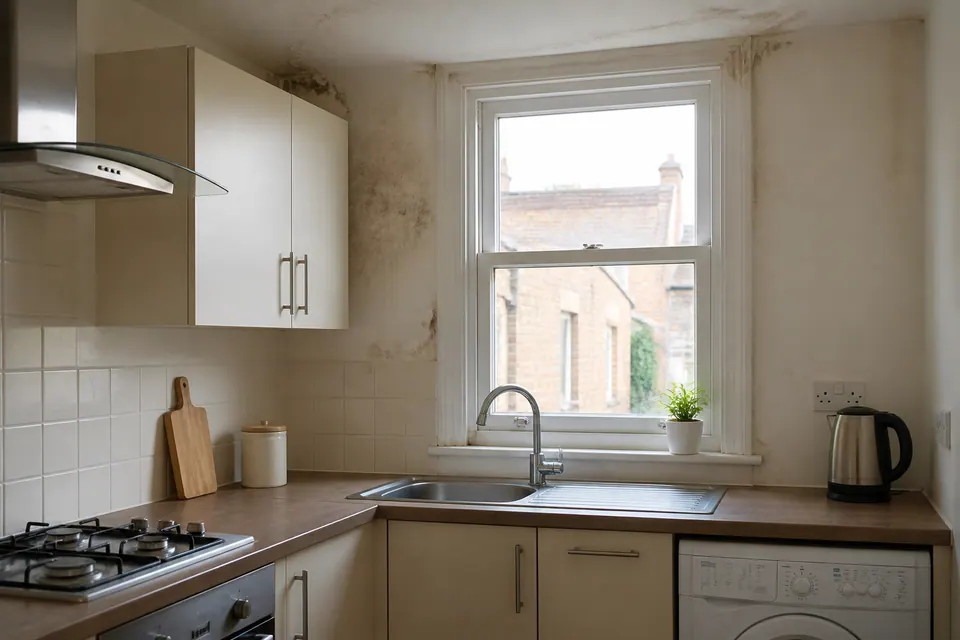
A mark in a different wet-use room needs its own water history. Describe cooking, any observed leak and the actual ceiling finish without transferring the bathroom assessment to it.
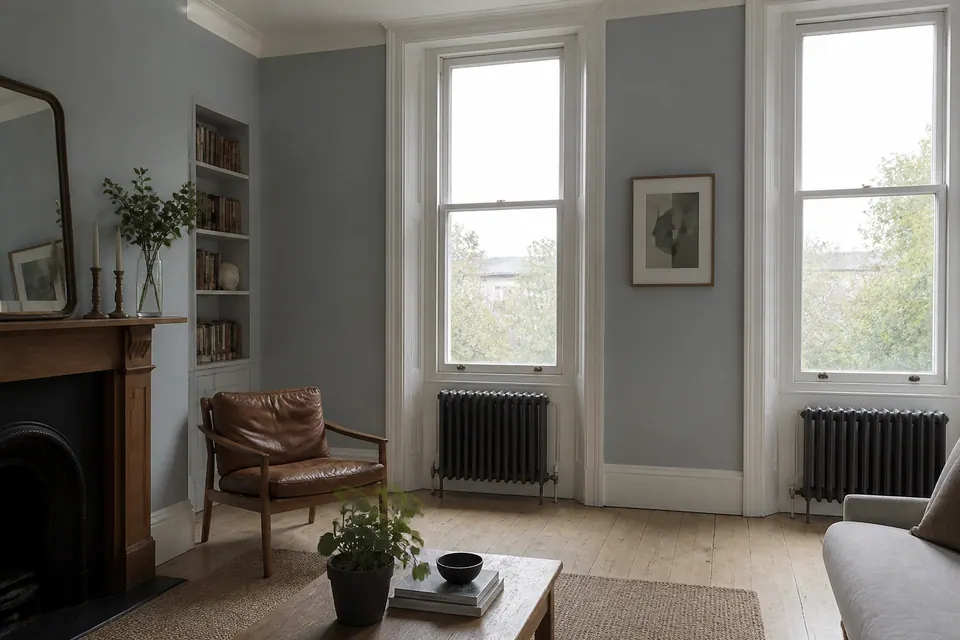
Show the room layout and what is known about the space above. A ceiling’s position does not establish that a leak is responsible; actual events are more useful than guesses.
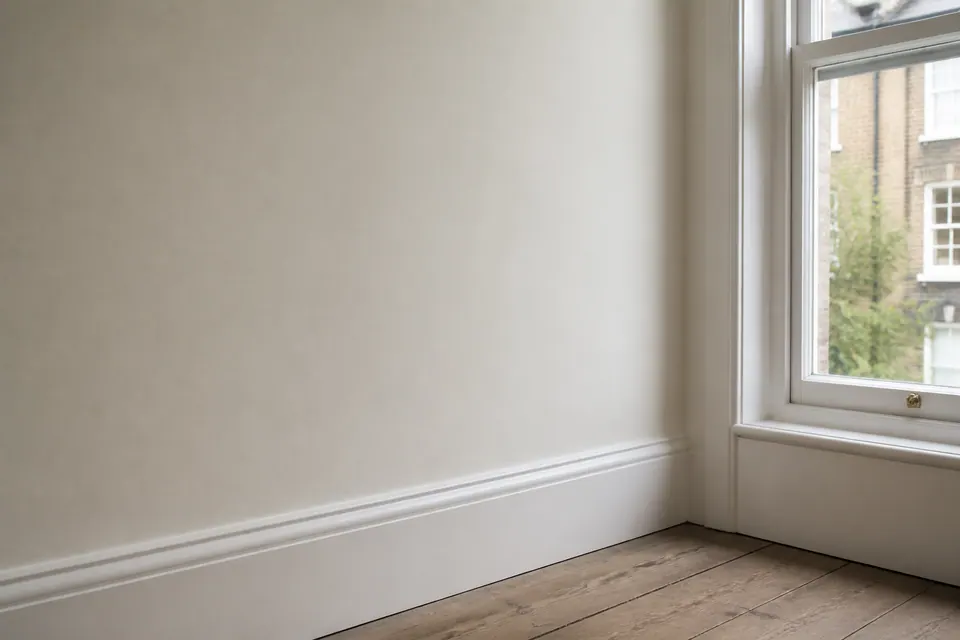
Loose coating and visible growth are different concerns. Treatment cannot be assumed to restore adhesion. Describe what is already visible without scraping away material for the enquiry.
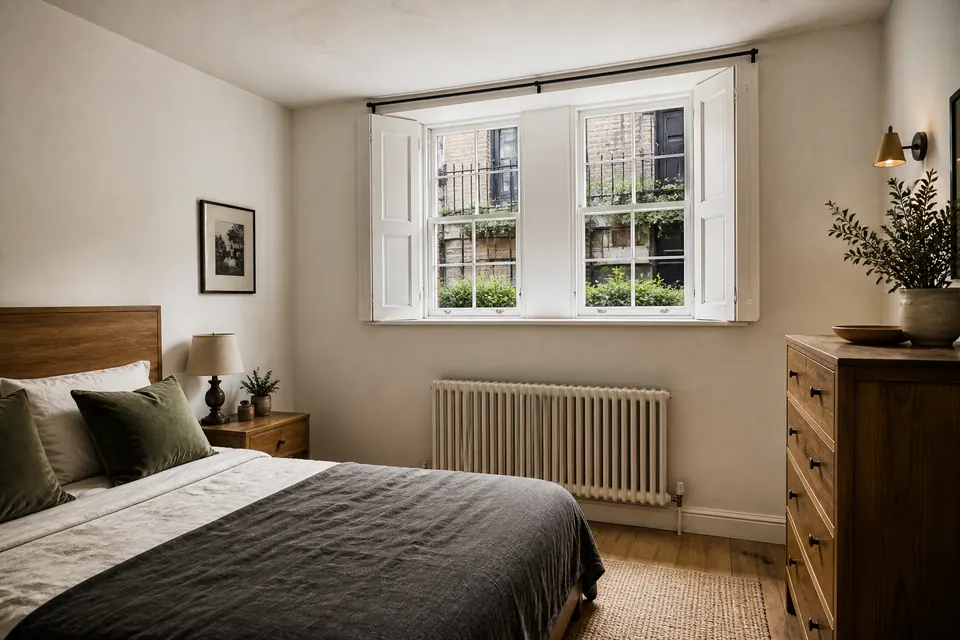
Explain fittings or enclosures that prevent a full view. Do not remove a panel to inspect hidden material; the accessible area and any further investigation need separate agreement.
A dark mark is not automatically mould, and a room layout is not a diagnosis. Report the condition without disturbing it.
03 / SEPARATE THE QUESTIONS
Repeated bathroom wetting and a water incident above are different histories. Both should be described accurately if they are known.
| What you notice | Possible context | What helps clarify it |
|---|---|---|
| Marks beside the window edge | Moisture around an exposed finish | Whether water is seen on glass, plaster or both |
| Spotting over the shower | Repeated wetting and drying limitations | How the ceiling looks between ordinary uses |
| Staining after an upstairs overflow | Residual moisture or material damage | The repair date and current coating condition |
| The same ceiling strip returning | A continuing moisture condition or unresolved finish issue | Earlier photographs and the work already carried out |
Ventilation repair, plumbing work and replacement of failed ceiling material are separate tasks unless expressly agreed. Removing suitable growth cannot establish that any of those systems has been repaired.
The visible coating may not reveal the condition of the whole ceiling.
| Assessment point | Mould growth | Damp condition |
|---|---|---|
| Description | Fungal growth on the affected exposed finish | Excess moisture involving the material or its surroundings |
| Information to provide | Where spotting appears and how far it extends | Known water events and whether wetness persists |
| Relationship | Growth may return if moisture conditions remain favourable | Wet material can require attention even without confirmed growth |
| Next decision | Whether the coating is suitable for treatment | Whether further investigation or repair should precede other work |
Fulham / BATHROOM CEILINGS
A room can look dry while one ceiling edge keeps changing.
If your Fulham bathroom has limited openings, describe the arrangement without diagnosing it. State whether dampness remains visible between showers, where the spotting sits and whether paint is lifting. A confirmed overflow or leak from above belongs in the history even when the bathroom itself is used normally. That account helps separate suitable surface work from any unfinished repair or deteriorated ceiling material.
05 / QUOTATION, NOT GUESSWORK
For a Fulham bathroom quotation, include affected dimensions, a wider ceiling photograph and the history of any repeated marks. If the paint is failing, say so before assuming that a small visible area qualifies for a straightforward treatment.
See the current service description ↗| Reported condition | Pricing basis | Useful evidence |
|---|---|---|
| A small patch on suitable reachable coating | Quotation from photographs where appropriate | The marked area and sound paint beside it |
| Repeated spotting or several affected finishes | Assessment of the proposed scope | Separate descriptions for ceiling, wall and reveal |
| Damaged ceiling or complex damp history | Specialist quotation as required | Known repair status and visible deterioration |
Confirm the total and inclusions before arranging another trade. Treatment does not automatically include scraping, repainting, resealing or extractor servicing.
06 / DIRECT ANSWERS
Small suitable accessible areas can be quoted from photographs. Repeated or multiple areas need assessment, and damage or complex damp may require a specialist quotation.
Paint is not a substitute for mould treatment or assessment of the moisture history. Failed coating may also need its own repair before a decorative finish is considered.
No. Describe the extraction arrangement and observed drying, but do not treat either as a completed diagnosis. Other moisture questions may need review.
Ask after the method, area and preparation are agreed. Visit length and return instructions are not necessarily the same timetable.
Raise that practical constraint in the first enquiry. Availability of facilities during preparation and afterwards needs an explicit arrangement, not a generic promise.
Only if separately assessed and named in the scope. Deteriorated sealant is a different material and may need replacement rather than the ceiling’s treatment method.
Show its finish and dimensions separately. It may be suitable for assessment, but a window or frame repair should not be inferred from surface work.
No. Supply the known repair status before treatment is planned. Surface removal does not certify plumbing or concealed drying.
07 / A CONTROLLED APPROACH
Consider the visible extent, paint stability and reported water history. Confirm which suitable accessible finishes the proposed method covers.
Agree room access and contents instructions around normal bathroom needs. Do not scrape the ceiling or apply products to make the room look ready.
Use the appropriate method within the assessed scope. Unstable paint or newly apparent damage can require discussion rather than automatic reinstatement.
Ask what remains visible and whether repair or decoration needs another decision. Obtain applicable return guidance before using the facility normally.
These stages are not a promise that every stain or failed coating disappears.
Record spotting and paint stability from a safe position.
Work on the suitable named ceiling surface.
Distinguish residual marks from failed paint and repair items.
The sequence is explanatory, not a customer before-and-after claim. Continued moisture can permit further growth.
08 / ROOM-BY-ROOM CONTEXT
Describe the relationship to bathing and the condition between uses. Paint damage should remain visible in the enquiry rather than being covered beforehand.
Record a separate history, including known events above. A nearby bathroom does not by itself explain marks in the sleeping room.
Distinguish cooking-related observations from confirmed water leaks. Include fixed fittings that affect reach to the marked area.
Show the patch within the room and report previous repairs. Its position alone does not identify a source of damp.
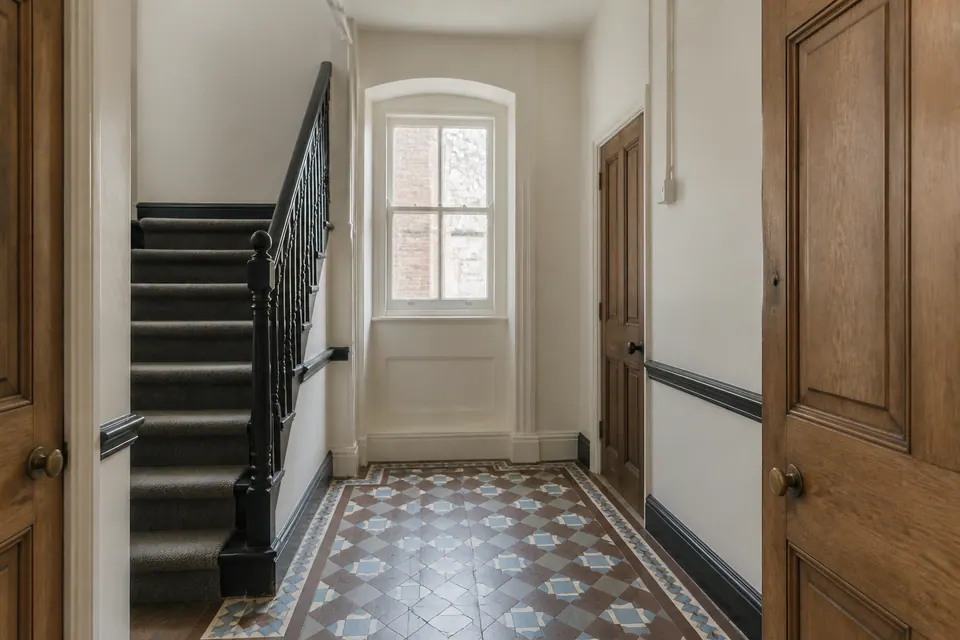
Confirm who can authorise work and provide access. Common-area finishes need their own scope even when entered through the same building.
Provide level and water history without an assumed diagnosis. A suitable visible finish and damaged hidden material are different assessment questions.
09 / WHEN IT COMES BACK
Record how long it took and whether the new change follows the same strip. Keep any earlier treatment or decorating details: cleaning a room, repainting a ceiling and addressing moisture are different actions.
Report conditions between uses as well as any confirmed water incident. A returning patch should not automatically trigger blame for an extractor or a promise that another coat will solve it. The moisture context and material need reassessment.
An upstairs repair date and a later ceiling repaint date answer different questions. Retain both when available rather than compressing them into one statement that the bathroom was fixed.
Fulham / PLAN THE APPOINTMENT
Send the Fulham postcode and explain access to the affected bathroom. Ask about availability after sharing the ceiling evidence, especially where the facility cannot easily be released.
Mention any other trade already involved with a confirmed water problem so treatment is not scheduled on an assumption of completed repair.
The map supplies area context for the enquiry.
Fulham / BEFORE BOOKING
These details help make the room plan and treatment boundaries explicit.
Yes, send a safe wider view and the best clear detail available. Do not climb on a bath or fittings to obtain a closer image.
No preparation should be improvised for the enquiry. Describe the loose coating and ask how its condition changes suitability and any separate repair requirement.
Report what you know about the arrangement and visible drying. You do not need to supply an unsupported technical diagnosis before asking about assessment.
They should be identified separately. Intact ceiling coating and deteriorated flexible seals may require different work and quotation decisions.
Not by itself. Describe exactly what was done and when; a decorative covering is not evidence that growth or moisture was assessed.
Give the known date, repair status and visible ceiling changes. Keep that confirmed event separate from assumptions about ordinary bathroom humidity.
Ask before booking. Preparation and return instructions depend on the selected method and conditions, so continued use should not be assumed.
Only an expressly agreed repair or decorative item would do so. A surface-treatment quotation does not automatically include reinstatement.
Keep dated photographs and the previous scope, then report the recurrence. The next assessment should consider what actually changed rather than assuming one cause.
START WITH THE CEILING EVIDENCE
Send safe photographs, approximate affected dimensions and the known water or decorating history. Mention essential bathroom use before selecting a visit date.
Room imagery is illustrative and does not show a documented customer treatment.
